Review · GUIDED
Delft and Nainativu Island Tour with Local Guide ( Jaffna )
Island days rarely run to clockwork. This tour takes you from Jaffna across the sea to Delft Island, where wild horses, coral walls, and colonial ruins create a setting unlike anywhere else in Sri Lanka. You then continue to Nainativu, a sacred island known for its Hindu temple and multi-faith traditions.
I like the way the tour mixes nature, history, food, and local life instead of treating Delft as a quick photo stop. I also like the personal guiding, especially from guides such as Arun and Gina, who explain Tamil culture, island ecology, religion, and Jaffna’s past in clear English. The main drawback is the day’s rough edges: ferry schedules depend on weather, boats can be crowded and hot, and the advertised 8.5 hours may stretch considerably longer.
In This Review
- Five details that make this island day different
- Starting in Jaffna at 6:30 AM
- The first ferry and what to expect at sea
- Delft Island: a quiet place with a hard-edged beauty
- Coral walls, towers, and Delft’s colonial past
- Searching for Delft’s wild horses
- A seafood lunch in a village home
- The ferry connection toward Nainativu
- Nainativu and Nagapooshani Amman Kovil
- What the guides add to the day
- Price, timing, and overall value at $118
- Who should book this island tour?
- Should you book Delft and Nainativu?
- FAQ
- How long does the Delft and Nainativu tour last?
- What time does pickup begin?
- Are the ferry rides included?
- What happens if bad weather prevents the Nainativu visit?
- Is lunch included?
- Is the tour suitable for wheelchair users or people with mobility impairments?
Five details that make this island day different
- Wild horses on Delft: Horses roam freely across the island’s open plains, and finding them becomes an enjoyable part of the visit.
- Colonial remains in a remote setting: A pigeon tower, queen tower, ancient coral walls, and other ruins tell Delft’s story under Dutch rule.
- Lunch with a local family: A traditional seafood meal in a village provides a more personal taste of island life than a standard restaurant stop.
- Two ferry systems in one day: You travel by boat to Delft, then take another ferry toward Nainativu, so sea conditions matter.
- Nainativu’s major Hindu shrine: Nagapooshani Amman Kovil gives the day a strong religious and cultural finish.
- A practical backup plan: If bad weather delays the Delft ferry, the tour may replace Nainativu with an ancient Kannaki Goddess Temple on Punguditivu Island.
Starting in Jaffna at 6:30 AM
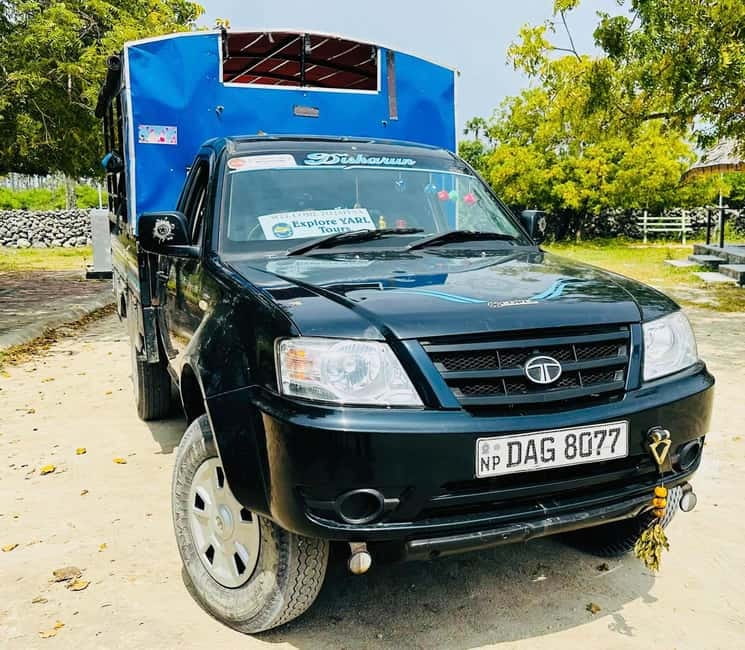
The day begins early, with pickup scheduled for 6:30 AM. Hotel pickup and drop-off are included, and the transfer to the jetty may be by car, van, tuk-tuk, or motorcycle, depending on the number of people in your party.
I would be ready in the hotel lobby at least 10 minutes early. This is not a tour where a relaxed breakfast and a late start will work well. You need time for the transfer, ferry boarding, island transport, and the return journey before the last ferry connections.
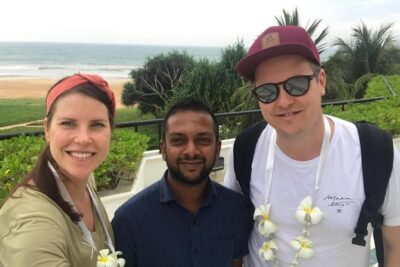
Your guide should confirm the pickup details in advance. Arun has been praised for messaging before the tour, checking that arrangements were clear, and helping solo visitors feel comfortable. The guides speak English and Tamil, which is useful when you want both historical explanation and contact with local residents.
The road from Jaffna to the jetty is part of the morning outing. You get scenic views along the way and may have a chance to watch marine life from the boat later. The journey is not polished in the way a luxury cruise is, and that is part of its appeal. Ferries may be public and busy, but they offer a direct look at everyday transport in the islands.
A few more options to weigh up in Sri Lanka
- Kandy Private Guided City Tour by Tuk Tuk
★ 4.9 · 1,307 reviews - Udawalawe National Park: Elephant Safari with Expert Guide
★ 4.9 · 641 reviews - Colombo: Private Tuk-Tuk City Tour with Guide & All Tickets
★ 4.9 · 471 reviews
The first ferry and what to expect at sea
The ferry to Delft is listed as taking about 45 minutes, though the full crossing can feel closer to an hour depending on loading and conditions. One part of the journey may be crowded and warm, with limited comfort inside. On calmer stretches, you may be able to go outside for fresh air, but the sun can be strong.
Bring water, a hat, sunscreen, and light clothing. Comfortable shoes matter too, since you will walk on uneven ground and spend much of the day outside. If you are uncomfortable in crowded boats or open water, this is the point in the day to think carefully about the tour.
The sea crossing is not merely a transfer. It gives you a sense of how separated these islands are from mainland Jaffna and why ferry timing matters so much. The route also provides views of the coast and the chance to spot birds or marine life, although wildlife sightings cannot be guaranteed.
Delft Island: a quiet place with a hard-edged beauty
Delft is the central reason to book this outing. The island feels open, dry, and exposed, with wind moving across broad plains and very little urban noise. I would not come expecting lush tropical scenery. Delft’s appeal is its stark setting, old stonework, scrub, salt air, and unusual feeling of space.
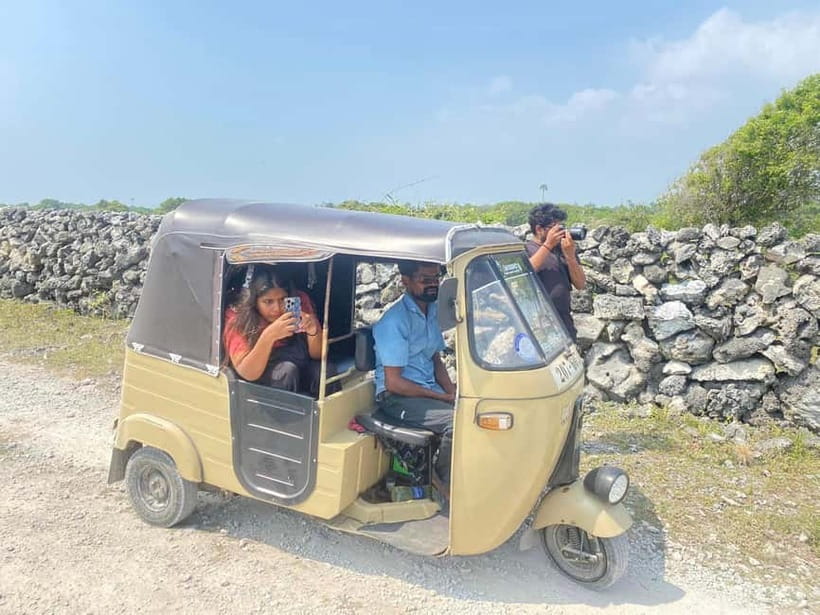
Private island transport is included, using a safari jeep or tuk-tuk. That matters because the distances between the main sights are too great to cover comfortably on foot during a short visit. The ride itself can be bumpy, but it lets you see more of the island and reach places that would otherwise be difficult to visit.
Your guide leads the sightseeing and explains the island’s past. Delft has links to Dutch colonial rule, and the surviving structures give that history a physical presence. The ruins are not presented as a grand museum complex. Instead, they sit among open ground, weathered by the sun and sea.
Coral walls, towers, and Delft’s colonial past
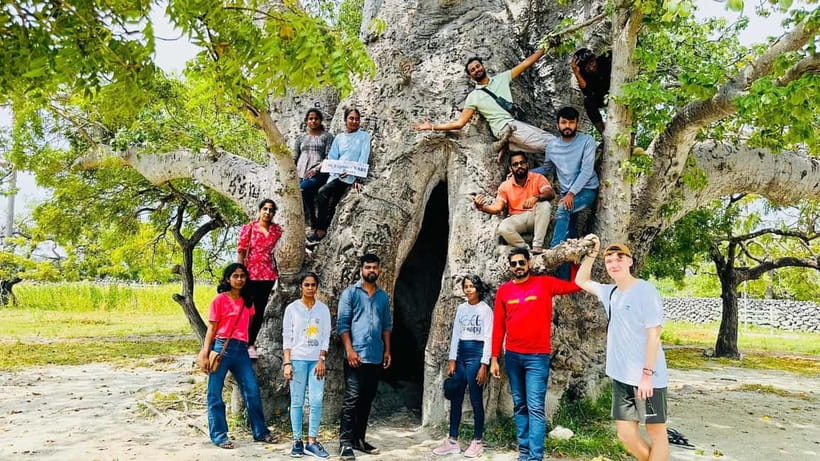
The ancient coral walls are among the most memorable features. Built centuries ago, they show how local materials shaped the island’s buildings and boundaries. Their rough texture and pale color fit the dry surroundings, and they make excellent subjects for photography.
You also see remnants associated with the Dutch period, including a colonial pigeon tower and queen tower. The value of these stops lies in the setting. You are not looking at isolated objects behind glass. You are seeing old structures in the same open environment where they served a purpose.
I would listen closely to the guide here. Without explanation, a weathered wall or tower can seem like a simple ruin. With context about colonial control, island settlement, and local life, the remains become easier to understand. Arun, in particular, has been praised for explaining not just dates and buildings but also the island’s ecology, Tamil culture, and current plans for the region.
A different kind of day out entirely:
- Colombo: Private Tuk-Tuk City Tour with All Entry Fees
★ 4.9 · 2,154 reviews - Whales and Dolphins Watching-Luxury Super Grade Cruiser(Hotel Pick up offered)
★ 5.0 · 1,268 reviews - From Colombo: Sigiriya and Dambulla Day Trip with Safari
★ 4.7 · 842 reviews - Yala National Park Safari Tours: Morning/Evening/Full Day
★ 4.8 · 818 reviews
Searching for Delft’s wild horses
Delft’s wild horses are the day’s most unusual sight. They are believed to descend from horses left behind during colonial times, and they now move freely across the island.
There is no guarantee that you will see them immediately. You may need to look across the open plains and wait for the guide or driver to spot movement. That search is part of the fun, especially for photographers. One guide has been praised for spending extra time looking until the group found a horse.
Keep a reasonable distance and let the animals remain undisturbed. The attraction is seeing them in their natural setting, not getting close for a staged photograph. The guide can help you understand where to look, but nature decides how good the sighting will be.
Delft also supports birdlife and other wildlife. The island’s quiet atmosphere makes it a good place to notice birds, plants, and changing light. You will get more from the visit if you slow down instead of treating each stop as a fast checklist.
A seafood lunch in a village home
Lunch is served at a local family’s home on Delft Island. This is one of the strongest parts of the tour because it connects the sights with ordinary island life.
The meal is described as a traditional seafood spread, with tea or coffee and local refreshments also included. A fresh aloe vera drink has been particularly appreciated, and the relaxed setting adds to the pleasure. The exact dishes may vary, so you should not expect a fixed restaurant menu.
I like this arrangement because it gives you a chance to sit down, eat, and talk rather than rushing through another monument. It also provides a more direct connection to the community than eating at a hotel catering to tour groups.
Personal expenses are not included, so carry some money for anything additional you may wish to buy. Smoking is not allowed during the activity.
The ferry connection toward Nainativu
After Delft, you return to the jetty and continue by ferry toward Nainativu. The schedule includes another crossing of about 45 minutes, followed by a shorter ferry ride listed at around 15 minutes. In real conditions, boarding, waiting, weather, and ferry availability can make the total longer.
This is the least predictable part of the day. The operator warns that if the Delft ferry is delayed by bad weather and there is not enough time to catch the last ferry from Nainativu, the Nainativu visit may be skipped.
That warning is important, not alarming. You should book this tour because you value the overall island day, not because you require every stop to happen exactly as printed. If Nainativu cannot be reached, the alternative is a visit to an ancient Kannaki Goddess Temple on Punguditivu Island.
Nainativu and Nagapooshani Amman Kovil
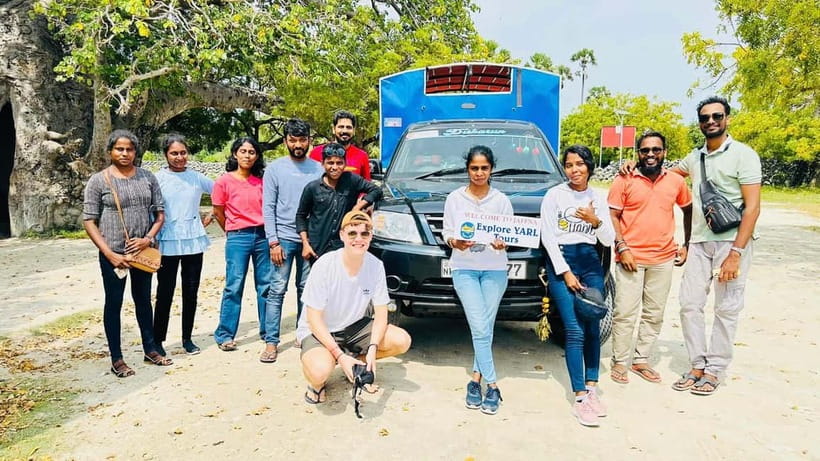
Nainativu gives the outing a different mood. Delft is wide, quiet, and shaped by ruins and wildlife. Nainativu is more strongly connected to worship and pilgrimage.
The island is home to Nagapooshani Amman Kovil, a major Hindu temple dedicated to the snake goddess. The shrine has long links with the Naga people, described as ancestors of Sri Lanka, and it forms an important part of the island’s cultural story.
You should dress respectfully and follow the guide’s instructions around religious spaces. The visit is usually quick because ferry timing controls the schedule, but even a short stop can add useful context to the day. You learn how Hindu traditions, local history, and Sri Lanka’s wider multi-faith heritage meet in one small island setting.
Private tuk-tuk transport is included on Nainativu. That helps you use the limited time efficiently and avoid turning the visit into a long walk under the sun. The guide can explain the religious landmarks and point out details you might otherwise pass without understanding.
What the guides add to the day
The guide is the difference between an island transfer and a worthwhile cultural outing. You are not simply dropped at Delft and told to look around. The guide helps connect the ruins, animals, plants, temples, boats, and local people.
Arun has received strong praise for his English, patience, and broad explanations. He has also adapted outings with small extras, such as a stop for coconuts or a visit to Jaffna Fort when time allowed. Gina has been praised for organizing the day carefully and answering questions about religion, geography, and history.
You may be accompanied by a male or female guide, and the operator offers English and Tamil. The experience can suit a solo visitor, including someone who wants help navigating the ferry system and island transport. The guide may also offer practical suggestions for the rest of your Sri Lanka trip, though extra stops should be treated as possible rather than guaranteed.
Price, timing, and overall value at $118
At $118 per person, this is not the cheapest way to see Delft. You are paying for hotel pickup and drop-off, several boat and ferry journeys, island transport, a guide, lunch, drinks, and access to a complicated route that would be difficult to arrange smoothly on your own.
The value is strongest if you want a full day with history and local contact rather than only a ferry ticket. A private or small-party arrangement can also make the price easier to justify, especially when the guide spends time explaining the island and helping with connections.
The advertised duration is 8.5 hours, but you should allow extra time. One outing lasted about 12 hours, and ferry delays can affect the return. If you have an evening train, flight, or fixed dinner booking, leave a generous buffer.
This is also a physically demanding day. You will walk, ride in basic island vehicles, sit on ferries, and spend hours in heat and sun. The tour is not suitable for pregnant women, wheelchair users, or people with mobility impairments.
Who should book this island tour?
I would recommend it to you if you enjoy places that feel remote, have an interest in Tamil culture and Hindu traditions, and do not mind an unpredictable transport day. It is especially good for photographers, birdwatchers, history fans, and visitors who want to see a less polished side of northern Sri Lanka.
You will probably like it less if you need air-conditioned comfort throughout, dislike crowded boats, or want a tightly timed program. The sea crossings can be challenging, the roads on Delft are rough, and Nainativu may be omitted if ferry conditions turn against you.
Wear light clothing and sturdy walking shoes. Bring a hat, sunscreen, water, and a camera. A little patience is just as useful as any of these items.
Should you book Delft and Nainativu?
Book this tour if the journey itself matters as much as the sights. The wild horses, coral walls, Dutch-era remains, village seafood lunch, and sacred temple create a day with real variety. The strongest value comes from the local guide, who can turn scattered ruins and ferry rides into a clear picture of Jaffna’s people, past, and island environment.
I would book it with two conditions in mind: accept that the day may run long, and treat Nainativu as weather dependent. If that sounds fair, $118 buys an unusually personal and memorable outing from Jaffna. If you need predictable timing or easy transport, choose a simpler mainland activity instead.
FAQ
How long does the Delft and Nainativu tour last?
The planned duration is 8.5 hours, but the day can take longer because ferry schedules and weather affect the route. You should keep extra time free after the scheduled return.
What time does pickup begin?
Pickup is scheduled for 6:30 AM from Jaffna. You should wait in your hotel lobby or agreed meeting point and be ready at least 10 minutes early.
Are the ferry rides included?
Yes. Ferry or boat rides to Delft and Nainativu are included. The boats may be public and busy, but the operator states that the crossings are safe.
What happens if bad weather prevents the Nainativu visit?
If a delayed Delft ferry leaves too little time for the last ferry from Nainativu, the tour may skip Nainativu. The alternative is a visit to an ancient Kannaki Goddess Temple on Punguditivu Island.
Is lunch included?
Yes. The tour includes a traditional seafood lunch served in a village setting, along with tea or coffee and traditional refreshments.
Is the tour suitable for wheelchair users or people with mobility impairments?
No. The tour is not suitable for wheelchair users, people with mobility impairments, or pregnant women. It includes walking, ferry rides, and transport over uneven island roads.
Just added in Sri Lanka
- Day Tour of Nuwara Eliya★ 5.0 · 3 reviews
- Day Tour for Outdoor and Adventure Lovers★ 4.5 · 4 reviews
- Full day Kandy City Tour by Tuk Tuk★ 5.0 · 1 review
- Day Tour Kandy to Sigiriya with Dambulla Cave Temple Excursion★ 5.0 · 3 reviews
- Culture Tour in Kandy★ 5.0 · 1 review
- Dambulla, Sigiriya and Pidurangala Tour from Kandy★ 5.0 · 9 reviews
- Ambuluwawa Tower and Kandy City Tuk Tuk Tour with Epic views★ 5.0 · 9 reviews
- Kandy to Nallathanniya (Climb Adams Peak)★ 5.0 · 1 review
Guided, compared.

Udawalawe National Park: Elephant Safari with Expert Guide
Read our review →
Private Tuk-Tuk City Tour with Guide & All Tickets
Read our review →
Negombo city tour by Tuk Tuk Hotel Pickup & Guide
Read our review →
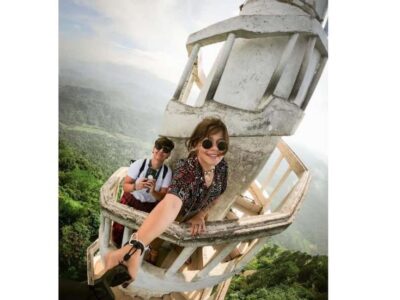
Kandy to Pinnawala Orphanage and Ambuluwawa Guided Day Tours
Read our review →