
Review · CITY TOURS
Private City Day Tour in Anuradhapura
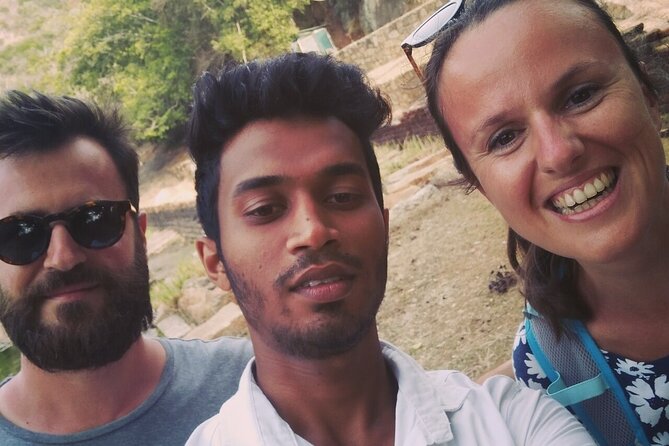
Anuradhapura rewards a little help. This private half-day tour makes sense because you get your own guide and driver, plus transport between a dozen far-flung religious and archaeological sites. I also like the relaxed pace: guide Navin is praised for explaining Buddhism, Sri Lankan culture, and local history in clear, friendly English, without turning the visit into a lecture.
The price is attractive at $30 per person, especially for private transport, bottled water, and a licensed tourist guide. The main catch is the separate old-town admission fee, listed at another $30 per person, payable locally by cash or card. You should also allow for hot stone paving, bare feet at temple sites, and a fairly full schedule.
In This Review
- Why this Anuradhapura tour works well
- Getting around Anuradhapura by private transport
- Jaya Sri Maha Bodhi and the Brazen Palace
- Ruwanwelisaya and Abhayagiriya Stupa
- Kuttam Pokuna and the Samadhi Statue
- Jethawanaramaya and the Sandakada Pahana
- Rathna Prasadaya, guardstones, and Eth Pokuna
- Thuparama and Isurumuniya Temple
- What Navin adds to the experience
- Price, entrance fees, and what you receive
- Heat, footwear, and timing
- Who should book this private Anuradhapura tour?
- Should you book it?
- FAQ
- How long does the Anuradhapura city tour last?
- How many places does the tour visit?
- Is hotel pickup available?
- Is this a private tour?
- What is included in the price?
- Is the old-town entrance fee included?
- What happens if the weather is poor?
- Can I cancel for a full refund?
Why this Anuradhapura tour works well
- Twelve major sites in four to five hours: You see the city’s best-known stupas, ponds, statues, carvings, and temples in one organized outing.
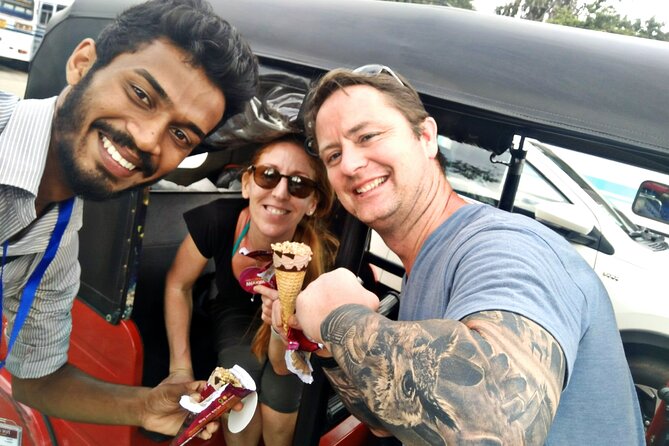
- Navin brings the sites to life: His strongest qualities are clear explanations, enthusiasm, humor, and an easy way with questions.
- Private transport keeps the day flexible: You can travel at your group’s pace instead of following a large coach party.
- Tuk-tuk travel adds local character: Several visitors describe moving between sites by tuk-tuk, a comfortable and enjoyable way to get around.
- The focus goes beyond ruins: Navin explains Buddhism, faith, culture, Sri Lankan life, and practical tips for the rest of your trip.
- A useful temple tip: Bring thick socks or two pairs because shoes are not allowed at temple sites and the paving can become very hot.
Getting around Anuradhapura by private transport
Anuradhapura is not a single compact monument you can quickly walk around. Its sacred area spreads across a large zone, with stupas, monastic buildings, ponds, and temples separated by roads and greenery.
That is where private transport earns its keep. Instead of spending your limited time finding rides between each stop, you can move directly from one site to the next. The tour includes private transportation, and the experience is often conducted by tuk-tuk. That makes the day feel more local than a standard air-conditioned vehicle tour, while still giving you a driver and a guide focused only on your group.
Hotel pickup is offered for convenience, and the tour returns to the meeting point at the end. The activity is private, so you do not share the guide with a larger group. That matters at religious sites, where you may want to pause, ask questions, or take a quiet moment without waiting for strangers.
The advertised duration is approximately four to five hours. Since there are 12 stops, you should expect short visits rather than long, slow explorations at every monument. The itinerary assigns about 25 minutes to each stop, but travel time between sites also matters. If one place particularly interests you, tell Navin early and use the private format to shape the pace.
A few more options to weigh up in Anuradhapura
- Minneriya National Park Elephant Jeep Safari Private Tour
★ 5.0 · 68 reviews - Explore & Ride the history of anuradhapura with Vogel Tours
★ 5.0 · 62 reviews - Minneriya National Park | Private Safari
★ 5.0 · 59 reviews
Jaya Sri Maha Bodhi and the Brazen Palace
The tour begins with Jaya Sri Maha Bodhi, one of Anuradhapura’s most important living religious sites. This sacred fig tree is regarded as the closest living link to Gautama Buddha. It grows in Mahamevnāwa Gardens, an area where the meaning of the site is at least as important as its physical appearance.
You should approach this stop as a place of worship rather than simply a photo opportunity. Navin can help explain why the tree matters to Buddhists and how it fits into Anuradhapura’s religious life. The visit is scheduled for roughly 25 minutes, enough for an introduction and a respectful look around, but not an extended ceremony.
Next comes the Brazen Palace, also called Lowamahapaya. The surviving remains do not immediately reveal the scale of the building described in the ancient accounts. It was a nine-story monastic structure built in the second century BC by King Dutugemunu, with a refectory, assembly hall, and chapter house.
This is a good example of why a guide helps. Without context, rows of stone pillars can look plain. With an explanation of how the complex functioned as a major monastic center, the site becomes easier to picture. Keep your expectations realistic: you are seeing remains and historical traces, not a restored palace.
Ruwanwelisaya and Abhayagiriya Stupa
Ruwanwelisaya is one of Anuradhapura’s most recognizable stupas. Built by King Dutugamunu and completed by his younger brother, it remains an active and deeply respected Buddhist site.
The white stupa, religious activity, and open space around it give this stop a different feel from the quieter structural remains at the Brazen Palace. Your guide’s role here is useful because the monument has religious meaning that is not obvious from its size or shape alone. You will want time to look, walk respectfully, and take in the scale.
Abhayagiriya Stupa shows another side of Anuradhapura’s ambition. At about 122 metres, it was once the tallest stupa in the world and one of the tallest structures anywhere. That fact helps you understand the power and engineering skill of the ancient kingdom.
The site is also part of a wider monastic complex, so do not rush through it as just another large dome. Navin is particularly well regarded for answering questions about Buddhism and Sri Lankan history, which can help connect the stupa to the wider religious center around it.
Kuttam Pokuna and the Samadhi Statue
The Twin Baths, or Kuttam Pokuna, offer a welcome change from the towering stupas. These two carefully built bathing pools are among the best-preserved ancient ponds in Sri Lanka and form part of the Abhayagiriya monastic area.
Look closely at the stonework and the way the pools were designed. The site shows that ancient Anuradhapura was not only concerned with grand religious monuments. Water management, daily monastic life, and practical construction were also central to the city.
The Samadhi Statue presents a quieter mood. The Buddha is seated in the meditation posture associated with deep concentration. Its importance comes from the calm expression and carefully balanced form, not from monumental size.
This is one of the places where a guide can help you slow down. Navin’s explanations about Buddhism are repeatedly praised for being clear and easy to follow. If you have questions about meditation, Buddhist symbols, or the meaning of the posture, this is a natural point to ask them.
A different kind of day out entirely:
- Wilpattu National park – Morning or Afternoon Safari
★ 4.3 · 57 reviews - Sigiriya Hike & Minneriya Safari Private Full Day Tour
★ 5.0 · 56 reviews - From Anuradhapura: All Inclusive Full Day Safari at Wilpattu
★ 4.4 · 50 reviews - Sigiriya & Habarana: Sunrise Hot Air Balloon Ride Experience
★ 5.0 · 47 reviews
Jethawanaramaya and the Sandakada Pahana
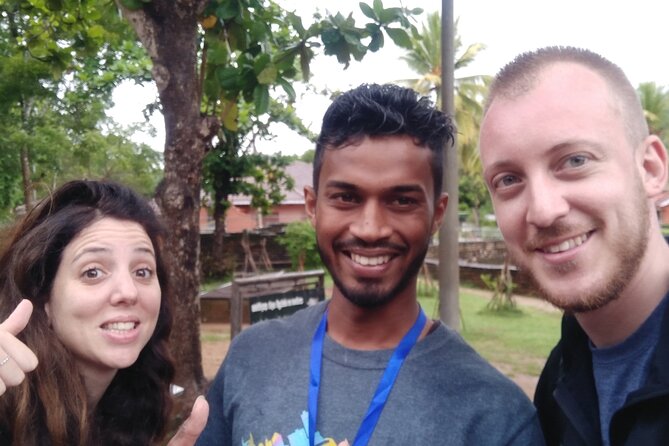
Jethawanaramaya Stupa is another huge brick monument built during the reign of King Mahasena. It once rose more than 120 metres and ranked among the tallest brick structures ever built.
The exposed brick gives it a different character from the bright white surface of Ruwanwelisaya. It also helps you appreciate the amount of labor and technical skill required to build such a structure. At around 25 minutes, you will have time for an introduction and a walk around part of the site, though the entire complex deserves longer if you want a slower archaeological visit.
The Moonstone, or Sandakada Pahana, is smaller but exceptionally detailed. This semi-circular carved stone usually sits at the base of a staircase or entrance. Its position is important: you encounter it as you move upward, crossing a decorated threshold into a sacred or important space.
The carving is easy to overlook if you are focused only on the large stupas. Navin can point out how moonstones, guardstones, and balustrades developed as builders increasingly used stone rather than wood. This is one of the tour’s best reminders that Anuradhapura’s art is often found underfoot and at the edges of buildings.
Rathna Prasadaya, guardstones, and Eth Pokuna
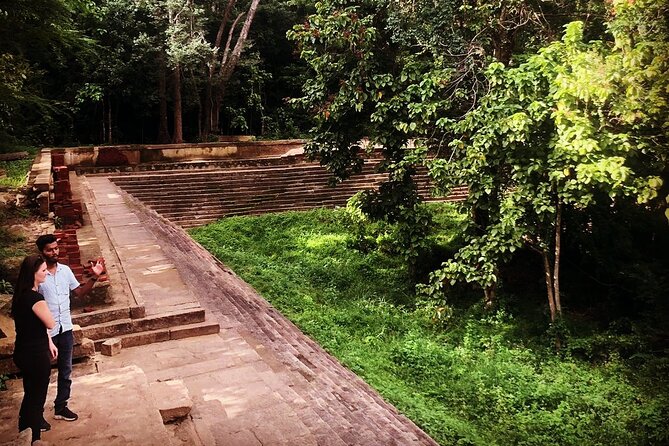
Rathna Prasadaya and its guardstone give you another look at the fine stone details used in ancient Anuradhapura. Guardstones were placed beside entrances, where they helped mark the move from an ordinary area into a sacred or important one.
The nearby stonework is worth examining slowly. The shapes, figures, and arrangement are not random decoration. They belong to a wider architectural tradition that also includes moonstones and stair rails.
Eth Pokuna, or Elephant Pond, shifts the focus back to engineering. This massive ancient reservoir measures approximately 159 metres long and 52 metres wide. Even without seeing it filled as it may have been in the past, its size gives you a strong sense of the scale of the monastic city.
A short guided explanation makes a real difference here. Otherwise, you might see a large pond and move on. With context, it becomes evidence of planning, water management, and the practical needs of a major religious center.
Thuparama and Isurumuniya Temple
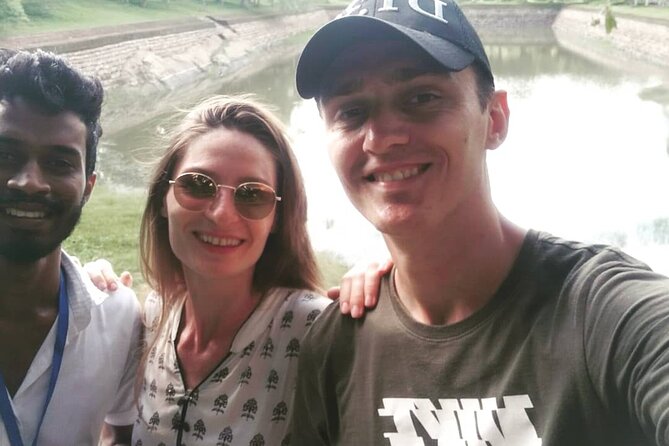
Thuparamaya is considered Sri Lanka’s oldest stupa, dating to the third century BC. King Devanampiya Tissa built it to enshrine the Buddha’s sacred collarbone relic.
That makes Thuparama one of the most important stops for understanding how Buddhism became rooted in Sri Lanka. It is not simply an old structure. It represents the early development of the island’s Buddhist tradition and the close connection between rulers, monasteries, and religious relics.
The final stop is Isurumuniya Temple, a rock temple known for its intricate stone carvings. Built in the third century BC, it originally served as a sanctuary for Buddhist monks.
The temple offers a more intimate finish than the huge stupas. Its rock setting and carvings reward attention, particularly if Navin explains the religious and artistic details as you look. Since this is the last stop, you may also appreciate the chance to ask broader questions about Anuradhapura before returning to your meeting point.
What Navin adds to the experience
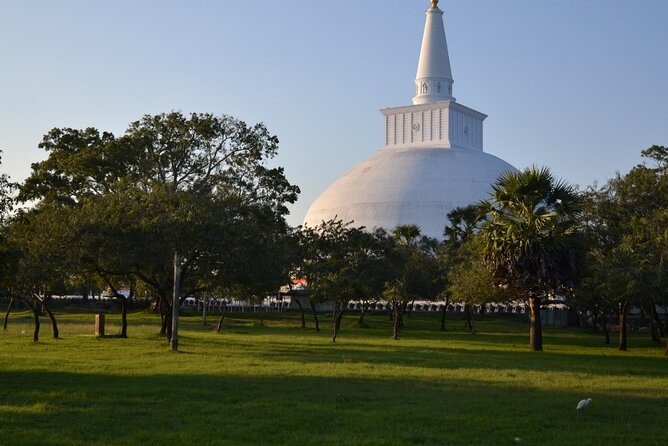
The guide is the main reason this tour receives such strong praise. Navin is repeatedly described as friendly, lively, attentive, and easy to talk to. Just as important, he can explain history, Buddhism, religion, and Sri Lankan culture in a way that works for both adults and children.
I like that the experience does not appear limited to memorized facts. You can ask questions, follow a topic that interests you, and hear practical suggestions for the rest of your trip. Several accounts describe Navin as flexible and generous with advice, including tips for onward travel.
His sense of humor also comes through. The tour is not presented as a solemn march from ruin to ruin. You get serious information at sacred sites, but there is room for conversation and fun between stops. One unusual touch mentioned by a family was that a child was allowed to sit beside Navin in the tuk-tuk. Another account describes a short lesson followed by the chance to drive the tuk-tuk.
Those details should not be treated as guaranteed parts of the tour. They do show the personal feel of a private outing and Navin’s willingness to connect with the people he guides.
Price, entrance fees, and what you receive
At $30 per person, the tour offers good value if you want transport and interpretation in one package. The price includes private transportation, bottled water, and a professional licensed tourist guide. For a half-day private experience covering 12 important places, that is a reasonable starting price.
Budget carefully for the separate old-town entrance fee. The listed cost is $30 per person, payable on-site by cash or card. That means the full cost for one person is effectively $60 before any personal spending, though the exact payment arrangement should be confirmed when you book.
The value is strongest for first-time visitors who do not want to arrange several local rides or work out the order of the sites themselves. If you already know the monuments well and prefer long periods at one or two locations, a shorter private transfer or self-guided visit may suit you better.
Heat, footwear, and timing
Anuradhapura’s sacred sites involve walking outdoors, and several temple areas do not permit shoes. A practical tip from the experience is to bring thick socks or two pairs. The paving can become very hot, particularly during the brighter part of the day.
An early start is worth considering. One account specifically notes that morning conditions can be cooler and less busy. The tour is listed as lasting four to five hours, so an early departure also leaves more of your day for rest, food, or onward travel.
Wear clothing suitable for religious sites and be prepared to walk short distances at each stop. The tour is described as suitable for most people, and service animals are allowed. Because the itinerary covers many locations, anyone with limited stamina should discuss the pace with the provider before booking.
The activity requires good weather. If poor weather forces cancellation, you are offered another date or a full refund. You can also cancel up to 24 hours before the start time for a full refund. Changes or cancellations made inside that 24-hour window are not accepted for a refund.
Who should book this private Anuradhapura tour?
I would choose this tour if you have one day or half a day in Anuradhapura and want to understand what you are seeing. It is especially useful for first-time visitors, families, couples, and anyone interested in Buddhism as well as archaeology.
It also suits you if you enjoy conversation. Navin’s strength is not just taking you to the monuments. It is explaining the meaning behind them, answering questions, and adding cultural context along the way.
You may want a different plan if you prefer a slow archaeological study with long stretches at each site. Twelve stops in four to five hours is an ambitious schedule. The private format helps, but it cannot turn a half-day into a full archaeological expedition.
Should you book it?
Yes, I would book this tour if you want a friendly guide, private transport, and a well-planned introduction to Anuradhapura’s major sacred sites. The strongest reasons are Navin’s clear explanations, his warm personality, and the chance to cover places that would be awkward to connect on foot.
Before booking, budget for the additional $30 entrance fee, ask about your preferred pickup time, and bring socks for the hot paving. If you want a relaxed first look at Anuradhapura with room for questions and local conversation, this tour offers a lot for the money.
FAQ
How long does the Anuradhapura city tour last?
The tour lasts approximately four to five hours.
How many places does the tour visit?
The itinerary includes 12 stops, including Jaya Sri Maha Bodhi, Ruwanwelisaya, Abhayagiriya Stupa, Jethawanaramaya, Thuparama, and Isurumuniya Temple.
Is hotel pickup available?
Yes. Hotel pickup is offered for convenience.
Is this a private tour?
Yes. Only your group participates in the activity.
What is included in the price?
The tour includes private transportation, bottled water, and a professional licensed tourist guide.
Is the old-town entrance fee included?
No. The old-town entrance fee is payable on-site and is listed as $30 per person. Payment can be made by cash or card.
What happens if the weather is poor?
If the experience is canceled because of poor weather, you are offered a different date or a full refund.
Can I cancel for a full refund?
Yes. You can cancel at least 24 hours before the experience start time for a full refund. Cancellations or changes made less than 24 hours before the start time are not accepted for a refund.
Just added in Anuradhapura
- Village tour Sigiriya Rock, Pidurangala Rock and Dambulla temple★ 5.0 · 2 reviews
- Day Tour from dambulla to Sigiriya & Polonnaruwa★ 5.0 · 13 reviews
- Wilpattu Half Day Safari From Anuradhapura★ 5.0 · 4 reviews
- Wilpattu National Park Private Safari★ 4.5 · 2 reviews
- Sunrise or sunset tour pidurangala Rock and Sigiriya Rock★ 5.0 · 4 reviews
- One Day Tour – Sacred city of Anuradhapura & Sacred city of Mihintale. (Sunset)★ 4.5 · 23 reviews
- Wilpattu National Park Entrance Ticket with Private Safari★ 5.0 · 1 review
- Taxi From Anuradhapura to Kandy (Private)★ 5.0 · 1 review
City Tours, compared.
Private Tuk-Tuk City Tour with All Entry Fees
Read our review →
Colombo Tuk Tuk City Tour -Sightseeing Entry Fees & Food Included
Read our review →
Colombo Private Tuk-Tuk City Tour with All Entry Fees Included
Read our review →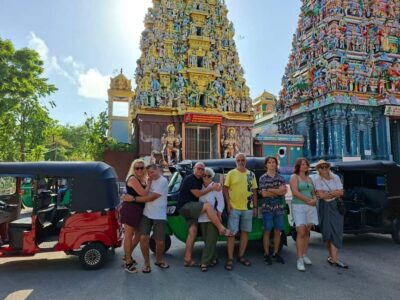
Private Tuk-Tuk City Tour with Guide & All Tickets
Read our review →
Negombo city tour by Tuk Tuk Hotel Pickup & Guide
Read our review →Browse the lists this tour appears in