
Review · UDAWALAWE NATIONAL PARK TOURS
Udawalawe National Park Safari & Elephant Transit Home Visit
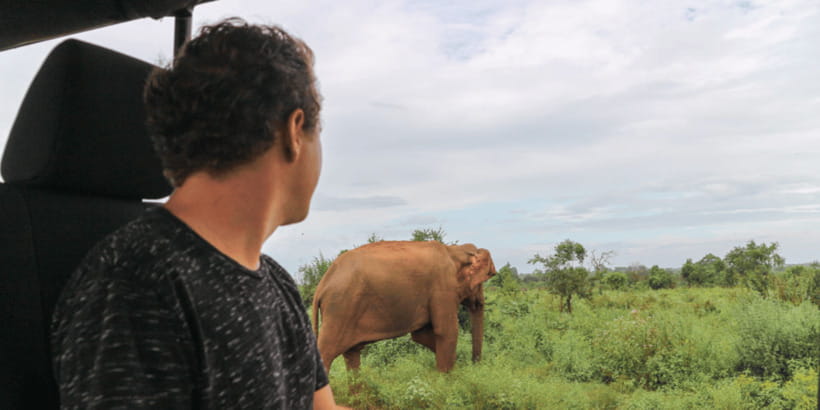
Elephants steal the morning. This half-day outing pairs a three-hour Udawalawe National Park safari with a visit to the Elephant Transit Home, giving you two very different ways to see Sri Lanka’s famous elephants. I like the open-sided 4×4, which gives you a broad view for wildlife spotting, and I like the sensible combination of park time and conservation work. The main drawback is cost: the advertised $43 does not include roughly $49 in entrance fees, paid in Sri Lankan rupees.
You’ll leave your hotel around 6:30 or 7:00 a.m. for the morning option, when the day is still cool and the park schedule lines up with the 10:30 a.m. elephant feeding. I also like that Ajith Safari Jeep Tours has operated for more than 30 years. Just remember that this is a shared safari, pickup times can shift slightly, and children under 12 need an adult with them.
In This Review
- Key points to know before you book
- Why Udawalawe works so well for a short safari
- The early pickup and ride to the park
- Three hours inside Udawalawe National Park
- What makes the elephant sightings special
- The 20 to 30 minute break in Udawalawe
- Visiting the Elephant Transit Home at feeding time
- The real cost: about $92 before breakfast
- Morning or afternoon: choose your timing carefully
- Who will enjoy this safari most
- Booking advice for Ajith Safari Jeep Tours
- Should you book this Udawalawe safari?
- FAQ
- What is included in the Udawalawe safari?
- Are national park entrance fees included?
- What time does the morning safari start?
- Is breakfast included?
- Can children join the safari?
- Is the tour suitable for wheelchair users or people with back problems?
Key points to know before you book
- Two elephant experiences in one morning: Look for wild elephants inside the park, then watch young elephants being fed at the Elephant Transit Home.
- A real 4×4 safari vehicle: The modified jeep has individual seats and a claimed 270-degree viewing angle, useful when animals appear on either side.
- The advertised price is not the final price: Add about $37 for the national park and $12 for the transit home, both payable in cash in Sri Lankan rupees.
- Morning timing is tightly arranged: The park visit runs roughly from 7:00 to 10:00 a.m., followed by a break and the 10:30 a.m. feeding.
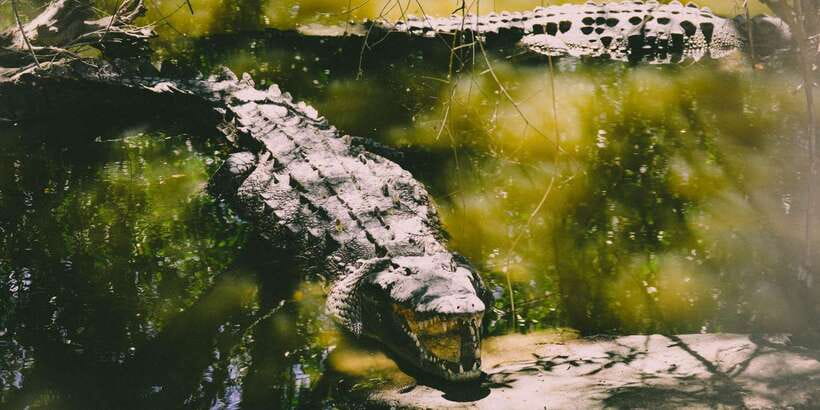
- Wildlife is never guaranteed: Elephants are the main attraction, but crocodiles, buffaloes, deer, sloth bears, and birds are possible sightings rather than promises.
- Good for a short stay in Udawalawe: Hotel pickup and drop-off around the Udawalawe area make this practical if you have only one morning available.
Why Udawalawe works so well for a short safari
Udawalawe National Park covers about 30,821 hectares, with forests, open grassland, water bodies, and rivers. That mix gives you more than a single type of scenery during the game drive. You might pass through wooded areas, cross open plains, or pause near water where animals and birds gather.
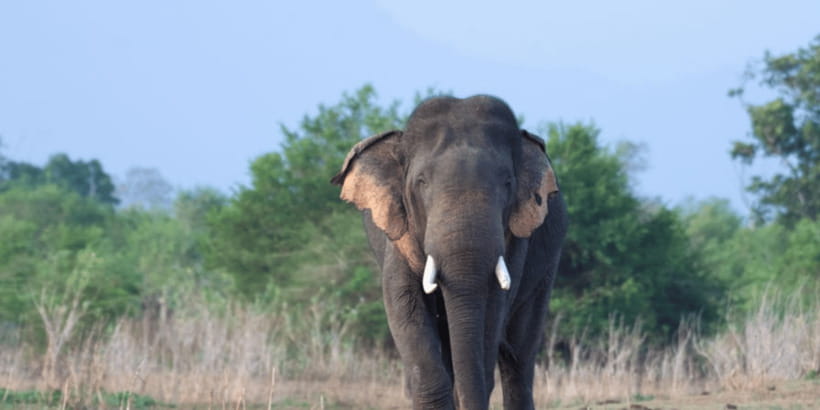
The park is especially well known for elephants. That does not mean you will see them at every turn, but elephants are the central reason many people choose Udawalawe over a general wildlife outing. The possibility of watching a herd move through open country gives the safari its strongest sense of place.
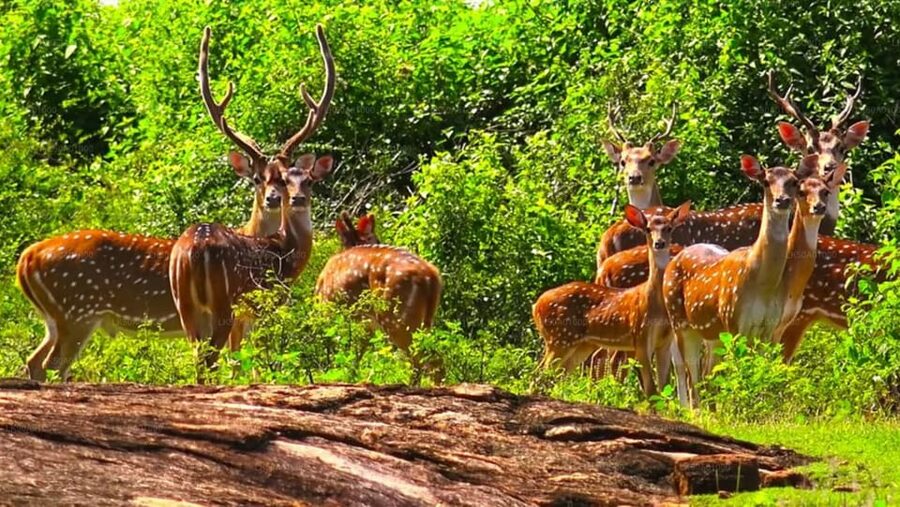
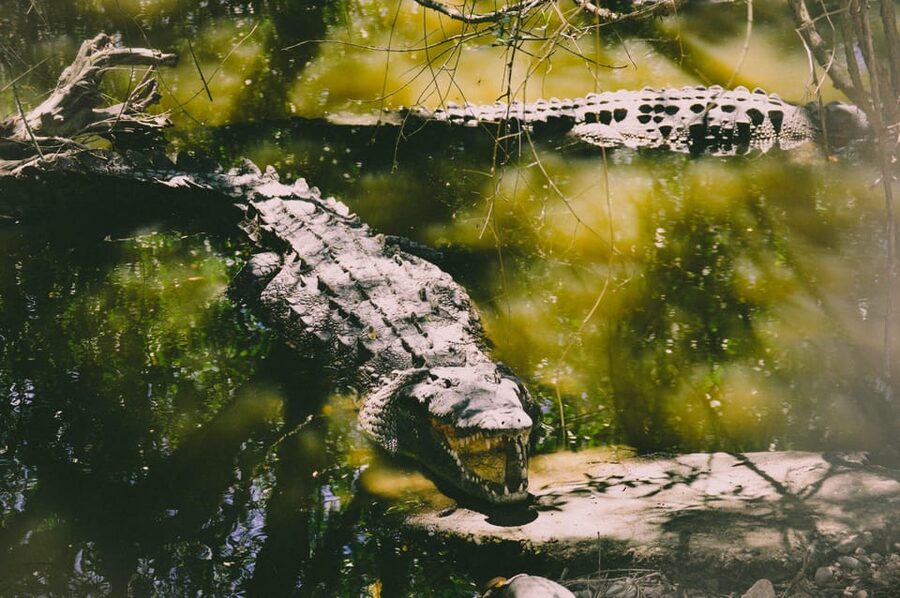
You could also see deer, buffaloes, crocodiles, and many bird species. Sloth bears are listed among the possible wildlife, but they are elusive. Treat a sighting as a bonus, not as something the tour can deliver on demand.
That is the right mindset for any national park visit. A driver can know the roads and animal habits, but no one controls where wildlife goes. The pleasure comes from scanning the trees, grass, and water edges, then reacting when something appears.
More Udawalawe safaris:
- Udawalawe: National Park Safari & Elephant Transit Home Tour
★ 4.9 · 183 reviews - Udawalawa National Park Safari Tour with Experienced Guides
★ 4.8 · 122 reviews - Udawalawe National Park Wildlife Safari Tours
★ 5.0 · 78 reviews
The early pickup and ride to the park
For a morning safari, pickup is generally scheduled around 6:30 or 7:00 a.m. from hotels in and around Udawalawe. The exact time can shift slightly if the driver is collecting people from several hotels, so I would not plan an important appointment immediately after the advertised return time.
The drive to the park takes about 30 minutes by jeep or SUV. Pickup and drop-off are included for hotels in the stated Udawalawe area. If your accommodation is farther away, the operator can arrange it for an added charge based on distance.
The vehicle is a rugged 4×4 specially modified for safari use. Individual seats matter here. You are not packed onto a plain bench, and the high, open design should give you a broad view in several directions. A 270-degree viewing angle is useful when wildlife appears beside or behind the vehicle, although your best view will still depend on where the jeep stops and which side faces the animal.
Bring a hat, water, sunscreen, and a light layer for the early start. Keep your camera ready, but do not spend the entire drive looking through a screen. Wildlife can appear quickly, and the first sighting is often better enjoyed with your own eyes.
Three hours inside Udawalawe National Park
The game drive begins at about 7:00 a.m. and lasts around three hours. That is enough time to cover a useful section of the park without turning the outing into an all-day commitment.
Your driver also serves as your English-speaking guide. The company describes its drivers as experienced in the park and its wildlife. Since no individual guide is named in the tour details, the quality of the commentary may depend on who is assigned that morning. You should feel free to ask about animal behavior, the park’s habitats, and the best places to watch birds.
The open grasslands are likely to be the most rewarding areas for elephant watching because large animals are easier to spot against open ground. Forested sections give the ride shade and variety, but they can make sightings harder. Water bodies and river areas add another angle, especially for crocodiles and water birds.
The park’s birdlife is one of its quieter pleasures. You may see colorful species moving through the trees or hear birds before finding them. If you care about birds, tell the guide early. A driver who knows you are interested may help you slow down and look more carefully, though the route and animal movements still set the limits.
The list of possible animals is broad:
- Elephants
- Crocodiles
- Sloth bears
- Buffaloes
- Deer
- A wide range of birds
That list should not be read as a checklist. The elephant sightings are the most realistic reason to book, while sloth bears are much less certain. The safari is best judged by the quality of the setting and the chance to observe animals behaving naturally, not by how many species you can count.
What makes the elephant sightings special
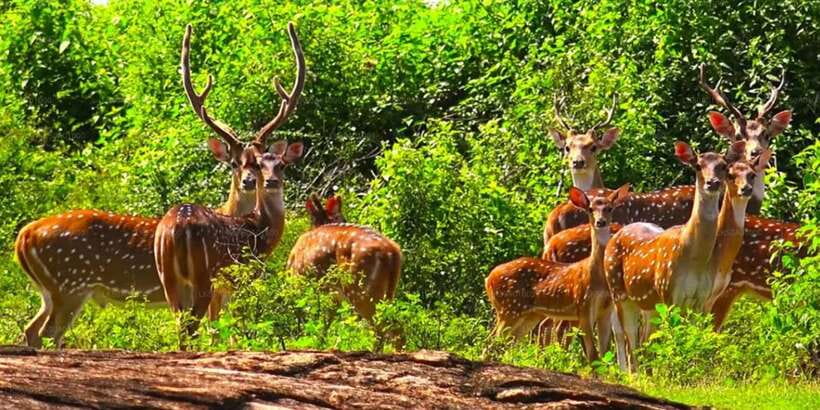
The park offers something the transit home cannot: animals living in a protected wild setting. You might see elephants walking across open ground, standing near water, or moving through vegetation. Their size is impressive, but the setting matters just as much. You are watching wildlife with space around it, not an animal arranged for a close photo.
The company says its safari operations aim to be sustainable and eco-friendly, with support for the local community. That is a positive part of the package, though the supplied details do not explain specific conservation rules or community projects. I would still follow the basic park manners: stay seated when asked, keep noise low, and avoid trying to draw an animal closer.
The three-hour length is a good compromise. A shorter drive could feel rushed, while a much longer one might be tiring in an open jeep, especially in strong sun. The vehicle’s design should help with viewing, but it does not turn the ride into a smooth luxury transfer. People with back problems may find the rough roads uncomfortable.
More Elephant Tours in Udawalawa:
- Udawalawe: National park safari & Elephant Transit Home Tour
★ 5.0 · 50 reviews - Galle/Mirissa/Tangalle:Udawalawa Safari & Elephant Orphanage
★ 5.0 · 7 reviews - Udawalawe National Park: Elephant Safari with Expert Guide
★ 4.9 · 641 reviews - From Sigiriya: Minneriya National Park Elephant Safari
★ 4.8 · 365 reviews
The 20 to 30 minute break in Udawalawe
After the game drive, the schedule allows a 20 to 30 minute break in Udawalawe. This pause is practical rather than a major attraction. It gives you time to eat before the elephant feeding and reset after several hours in the jeep.
Breakfast is not included, but you can order a picnic breakfast for $8 per person. The listed meal includes cheese or chicken sandwiches, a boiled egg, sausages, and Sri Lankan fruit. If you want this option, arrange it ahead of time rather than assuming food will be available during the stop.
The break also helps explain the total tour length. The safari itself is three hours, but hotel transfers, the pause, and the transit home visit bring the whole experience to roughly four and a half hours. Actual morning timing can run from about 6:30 a.m. pickup to 10:45 or 11:15 a.m. drop-off.
Visiting the Elephant Transit Home at feeding time
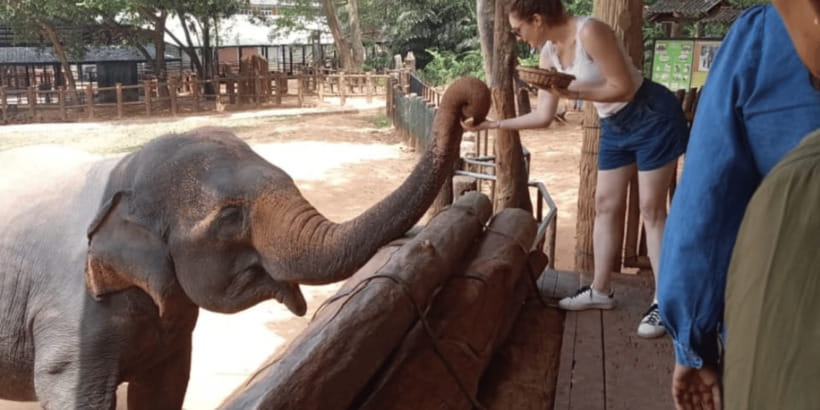
The second major stop is the Elephant Transit Home, with morning feeding scheduled for 10:30 a.m. The visit lasts about 30 minutes. This is the emotional center of the outing, particularly if you enjoy seeing young elephants.
The home is presented as a place where you can observe the feeding of baby elephants. The important distinction is that the scheduled activity is observation of feeding time, not an open invitation to handle or feed the animals yourself. The young elephants are the focus, but the visit also connects your wildlife outing with an organized care setting.
This stop feels different from the national park. In the park, you wait for animals to appear in their natural surroundings. At the transit home, feeding time gives you a more predictable chance to see the elephants. That makes the combination especially useful for families and for anyone who worries about leaving a safari without an elephant sighting.
At the same time, you should not confuse the two experiences. The transit home is not a substitute for seeing elephants in the wild. Its value comes from the chance to observe young animals during a scheduled care activity, while the park provides the less controlled and more natural encounter.
Entrance to the Elephant Transit Home costs 3,500 Sri Lankan rupees, listed as about $12. Payment must be made in cash in local currency. There are currently no facilities at the entrance for paying in foreign currency, so arrange enough rupees before departure.
The real cost: about $92 before breakfast
The tour price is $43 per person, but you should calculate the full cost before deciding. The national park entrance fee is listed as 11,000 Sri Lankan rupees, about $37, and the Elephant Transit Home entrance is 3,500 rupees, about $12.
That brings the listed total to approximately $92 per person before the optional $8 breakfast. Currency rates can change, and the fees are stated in rupees, so the dollar figures are only rough guides.
Is that good value? I think it can be, especially if you want hotel transport, a dedicated safari jeep, a three-hour park drive, an English-speaking driver-guide, and the transit home in one compact outing. Organizing those parts yourself could take more time and require arranging a vehicle at an unfamiliar park.
It is less attractive if you are comparing only the base price shown during booking. The extra entrance fees are substantial, and they should be part of your mental budget from the start. Also note the minimum booking rule: the operation requires payment for at least two adults per booking. A solo visitor may need to pay for two adults, depending on how the reservation is handled.
Children five and under can ride free. Children older than five and under 12 are charged 50 percent of the tour price. Children under 12 must be accompanied by an adult. The entrance fee arrangements for children are not specified, so ask the operator before booking if you are planning a family trip.
Morning or afternoon: choose your timing carefully
The morning schedule is the better fit if you want the park first and the feeding at 10:30 a.m. Pickup is around 6:30 or 7:00 a.m., the game drive runs until about 10:00, and the transit home follows the short break.
The afternoon schedule reverses the order. Pickup is around 1:30 or 2:00 p.m., and the Elephant Transit Home feeding is scheduled for 2:30 p.m. The park visit comes afterward. This can suit a slower morning, but it places the wildlife drive later in the day.
The operator may adjust pickup times according to your hotel and the other people sharing the safari. That is normal for a shared excursion, but it means you should stay flexible. If you value a private departure or want complete control over the route, ask whether a private vehicle is available and what extra cost applies.
The morning option is probably the strongest all-round choice. You get an early start, a long game drive during the cooler part of the day, and the young elephants at a fixed feeding time. The afternoon option is useful when your schedule demands it, but it gives you less control over how much time remains for wildlife viewing after the transit home visit.
Who will enjoy this safari most
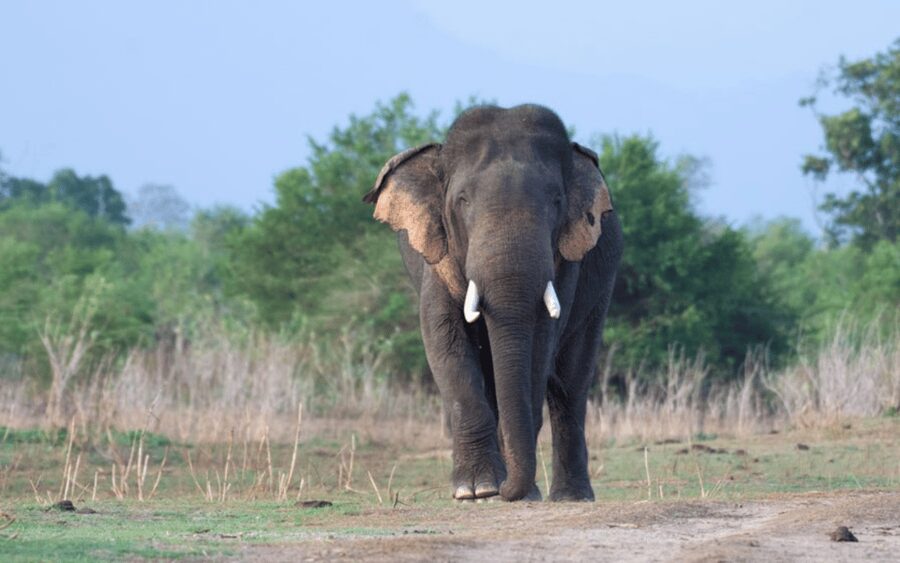
I would recommend this outing to you if you are staying in Udawalawe and want a straightforward wildlife experience without arranging several separate transfers. It suits first-time safari visitors, families with older children, and photographers who value a broad viewing position from the jeep.
It is also a good match if elephants are your priority. The national park and transit home give you two chances to focus on them, one in the wild and one during a scheduled feeding.
You may want another option if you have back problems, are pregnant, or use a wheelchair. The tour is specifically marked as unsuitable in those cases, and the rough 4×4 ride and park conditions are likely to be uncomfortable or impractical.
This is not a luxury safari. Expect a working wildlife vehicle, a shared schedule, and the uncertainty that comes with animals in the wild. The appeal is access and efficiency, not polished resort-style service.
Booking advice for Ajith Safari Jeep Tours
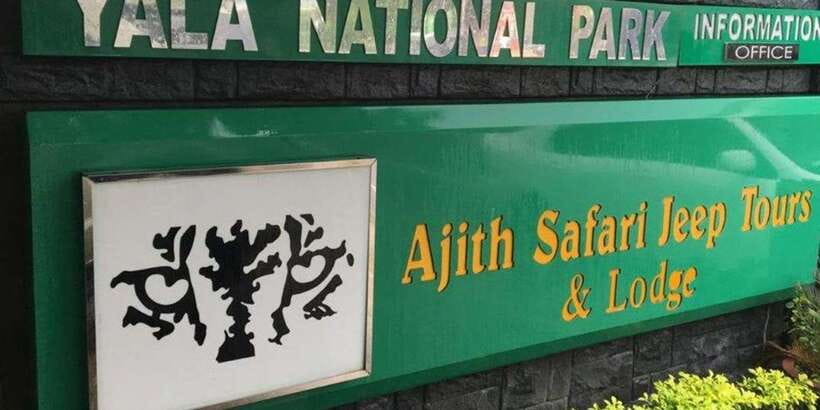
Ajith Safari Jeep Tours has been operating for more than 30 years, which gives the company a long track record in this local market. Its package includes the vehicle, driver-guide, hotel pickup and drop-off around Udawalawe, three hours in the park, and the Elephant Transit Home visit.
The strongest praise available for this experience focuses on the elephants. That fits the structure of the outing: the park provides the anticipation of a wild sighting, and the transit home offers a more reliable scheduled encounter with baby elephants.
Before you confirm, check three things. First, confirm the pickup point is within the included Udawalawe area. Second, have enough Sri Lankan rupees ready for both entrance fees. Third, ask how the minimum of two adults applies to your booking, especially if you are alone or traveling with children.
Free cancellation is available up to 24 hours before departure, and the reserve-now-pay-later option keeps your plans flexible. Those terms are useful if your Sri Lanka route is still changing, but they do not remove the need to budget for the entrance charges.
Should you book this Udawalawe safari?
Book it if you want a compact, elephant-focused morning with transport included and you are comfortable paying the entrance fees separately. The three-hour game drive gives you a fair amount of park time, and the 10:30 a.m. feeding makes the second half of the outing easy to plan.
I would book the morning departure, carry local cash, order breakfast in advance if needed, and treat sloth bears and other rare sightings as luck rather than a promise. The best reason to choose this experience is its pairing of wild elephants and baby elephants in care, not the low headline price.
If you want a private, quiet safari with a custom route, ask about alternatives before paying. For most people staying around Udawalawe, though, this is a practical way to see the park and fit the Elephant Transit Home into the same half-day.
FAQ
What is included in the Udawalawe safari?
The tour includes pickup and drop-off at hotels in and around Udawalawe, an English-speaking driver-guide, a three-hour wildlife safari, a specially modified 4×4 safari vehicle with individual seats, and a visit to the Elephant Transit Home during feeding time.
Are national park entrance fees included?
No. The Udawalawe National Park entrance fee is listed as 11,000 Sri Lankan rupees, about $37, and the Elephant Transit Home fee is listed as 3,500 rupees, about $12. Both must be paid separately in cash in Sri Lankan rupees.
What time does the morning safari start?
Morning pickup is scheduled for around 6:30 or 7:00 a.m., depending on your hotel and the other pickups. The park drive starts at about 7:00 a.m., and the Elephant Transit Home feeding is scheduled for 10:30 a.m.
Is breakfast included?
No. You can request a picnic breakfast for an additional $8 per person. The listed breakfast includes cheese or chicken sandwiches, a boiled egg, sausages, and Sri Lankan fruit.
Can children join the safari?
Yes. Children aged five or younger can ride free of charge, while children older than five and under 12 pay 50 percent of the tour price. Children under 12 must be accompanied by an adult.
Is the tour suitable for wheelchair users or people with back problems?
No. The experience is listed as unsuitable for wheelchair users, pregnant women, and people with back problems. The safari uses a rugged 4×4 vehicle and includes driving on park roads.
More National Park Trips in Udawalawa
- Safari with Sheran Udawalawe National Park
★ 5.0 · 50 reviews - Yala National Park Safari Tours: Morning/Evening/Full Day
★ 4.8 · 818 reviews - Full day Safari – Yala National Park – 04.30 am to 06.00 pm with – Janaka safari
★ 5.0 · 603 reviews - Yala National Park: Half, 7-Hour, or Full-Day Safari & Meals
★ 4.8 · 489 reviews
Just added in Udawalawa
- Galle/Mirissa/Tangalle:Udawalawa Safari & Elephant Orphanage★ 5.0 · 7 reviews
- From: Mirissa/ Matara – Udawalawe Safari – To: Ella★ 5.0 · 1 review
- From: Hiriketiya/ Tangalle – Udawalawe Safari – To: Ella★ 5.0 · 3 reviews
- From Galle/Hikkaduwa/Mirissa Trip to Udawalawe Safari Tour★ 4.7 · 11 reviews
- From: Ella – Udawalawe Safari – Hiriketiya★ 5.0 · 2 reviews
- Ella – Udawalawa Safari – Drop to Mirissa/Weligama/Galle★ 5.0 · 5 reviews
- Colombo/Bentota: Safari Trip to Yala & Udawalawe w/ Picnic★ 3.9 · 3 reviews
- Udawalawe: National park safari & Elephant Transit Home Tour★ 5.0 · 50 reviews
Udawalawe National Park Tours, compared.
Udawalawe National Park: Elephant Safari with Expert Guide
Read our review →
Galle/Mirissa/Hiriketiya: Drop to Ella & Udawalawa Safari
Read our review →
Udawalawe: National Park Safari & Elephant Transit Home Tour
Read our review →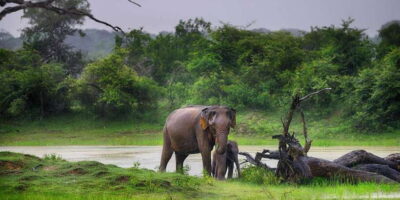
Shuttle to Tangalle/Mirissa/Galle w Udawalawe Safari
Read our review →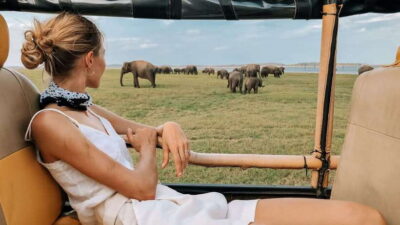
Udawalawa National Park Safari Tour with Experienced Guides
Read our review →
Udawalawe National Park Entrance Ticket with Private Safari
Read our review →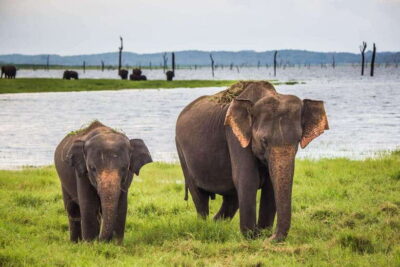
Hikkaduwa/Galle/Weligama/Mirissa/Tangalle: Udawalawa Safari
Read our review →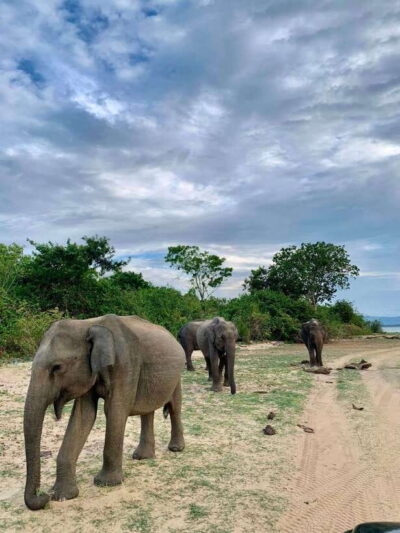
From Mirissa/Galle/Hikkaduwa: Udawalawa National Park Safari
Read our review →Browse the lists this tour appears in