
Review · GALLE TOURS
Cook with Wasantha
Sri Lankan lunch starts at the market. Cook with Wasantha turns a four-hour food lesson into a friendly look at everyday life in Unawatuna and Galle. I like the market visits, where you help choose fresh produce and fish, and I like the family setting, with Wasantha, her husband Sam, and other family members sharing food knowledge passed down through generations. The main thing to note is that this can feel more like a cooking demonstration than a fully hands-on class.
The experience costs about $30, includes tuk-tuk transport to the markets, and ends with a generous buffet lunch. You will learn to make coconut milk, cook fluffy rice, and prepare five curries, but the amount of chopping and stirring you do may depend on the group and the day.
In This Review
- Key points at a glance
- Starting in Unawatuna and heading to the Dutch Market
- What the fish market adds to the morning
- Learning coconut milk, spices, and fluffy rice
- Five curries, several textures, and plenty of choice
- Demonstration or hands-on class?
- A family meal at the end
- What you can take home
- Is $30 a good value?
- Who should book Cook with Wasantha?
- Should you book it?
- FAQ
- Where does Cook with Wasantha begin?
- What time does the experience start?
- How long does the cooking experience last?
- Where does the activity finish?
- How many people can join?
- What is the cancellation policy?
Key points at a glance
- Two useful market stops: Visit the Dutch Market for vegetables and fruit, then head to the fish market for fresh tuna or another main ingredient.
- A real Sri Lankan kitchen: Wasantha teaches family recipes, spice combinations, coconut milk preparation, and rice cooking rather than offering a restaurant-style tasting alone.
- Five curries from fresh produce: The meal can include dishes such as dhal, pineapple, pumpkin, aubergine and onion, avocado, and tuna curry.
- Small group size: Numbers are limited to 10 people, which helps keep the experience personal, though the cooking space may feel more like a family kitchen than a formal school.
- A substantial finish: You eat the food you helped prepare, buffet style and in the local fashion, using your fingers if you wish.
- Good value at $30: The price covers the market trips, tuk-tuk transport, instruction, cooking, and lunch, making it a strong choice for food-focused visitors.
Starting in Unawatuna and heading to the Dutch Market
The morning begins at 10:00 am at Wasantha’s Sri Lanka Cuisine, 180/a Yaddehimulla Road in Unawatuna. From there, you take a tuk-tuk to the Dutch Market area outside Galle. The activity returns to the same meeting point at the end.
The market visit is not just a quick shopping errand. You help select the ingredients that will later become lunch. That gives the meal a clear connection to the place you are visiting. You are not simply handed a prepared menu. You get to see the raw materials first, then watch them change in the kitchen.
Sam, Wasantha’s husband, has accompanied groups to the market. He is also a tour guide, so the ride and shopping trip may include useful local advice beyond food. Some groups have been led by Wasantha’s daughter Sasa, who has also received warm praise for explaining the fruit and vegetables.
The Dutch Market stop is especially useful if you are unsure how to shop for Sri Lankan produce. You can learn which items are suitable for curries, how to choose fresh vegetables, and how local cooking starts with what is available that morning.
The pace may vary. This is a local market outing, not a polished food tour with a script at every corner. One visitor found the market commentary low in energy, so you should book this for the chance to see and select ingredients, not for a nonstop history lecture.
A few more options to weigh up in Galle
- Whales and Dolphins Watching-Luxury Super Grade Cruiser(Hotel Pick up offered)
★ 5.0 · 1,268 reviews - Galle: Traditional Gems & Jewellery Workshop with Transfers
★ 4.9 · 539 reviews - Sea waves sri lankan cooking class
★ 5.0 · 467 reviews
What the fish market adds to the morning
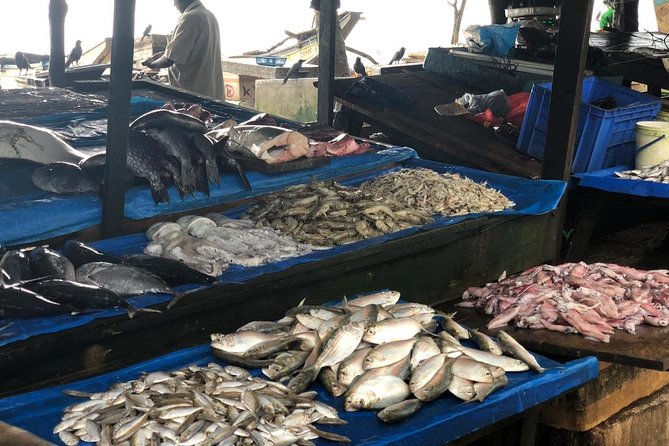
After the fruit and vegetable shopping, the group visits a fish market. The fish becomes the main non-vegetarian curry, with tuna or chicken offered as the choice in the class description. Several menus described by participants included tuna, often prepared as tuna ambul thiyal, a strongly seasoned Sri Lankan fish dish.
This stop gives you a better sense of how seafood fits into daily cooking on the island. It also makes the class more flexible. You can help choose vegetables that appeal to you and then select the fish or chicken option for the main curry.
The tuk-tuk rides are included in the $30 price. That matters because the class involves moving between Unawatuna, the market area, and the cooking venue. You do not need to arrange separate transport or negotiate fares during the morning.
The market stops are likely to be most rewarding for people who enjoy food shopping and local routines. If you want to spend the entire session measuring ingredients and preparing each dish yourself, the market portion takes time away from kitchen work. That is part of the appeal for some people and a limitation for others.
Learning coconut milk, spices, and fluffy rice
Back at Wasantha’s kitchen, the focus shifts from shopping to preparation. One of the most useful lessons is making fresh coconut milk. Coconut is central to Sri Lankan food, and learning how it is turned into a cooking ingredient gives you a better grasp of why local curries taste so different from curry dishes made with cream or bottled sauces.
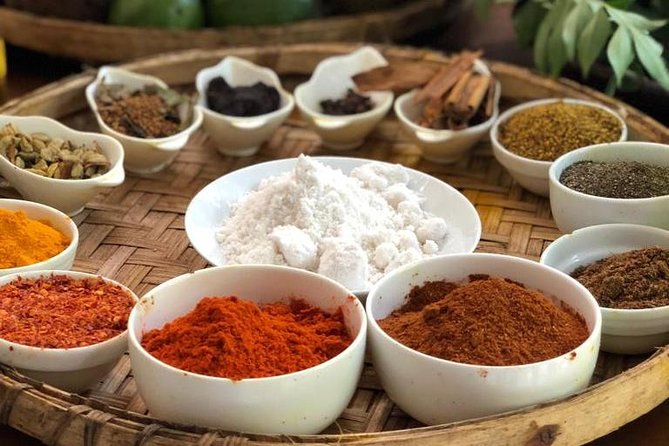
You also learn how spices are combined. Wasantha’s cooking style relies on experience and judgment, including adding spices by smell rather than measuring every amount. That is a memorable lesson, though it may be less reassuring if you want a precise recipe for every step.
Rice receives special attention. The goal is light, fluffy rice rather than a sticky or watery pot. This sounds basic, but it is one of the most useful skills to take home. A good curry can be spoiled by poorly cooked rice, and the class explains the Sri Lankan method in a practical way.
Wasantha has about 35 years of cooking experience, according to details shared about the class. Her teaching includes small tips and corrections that are hard to pick up from a video. You can see the texture she wants, smell the spices as they cook, and watch how the consistency changes in the pot.
Five curries, several textures, and plenty of choice
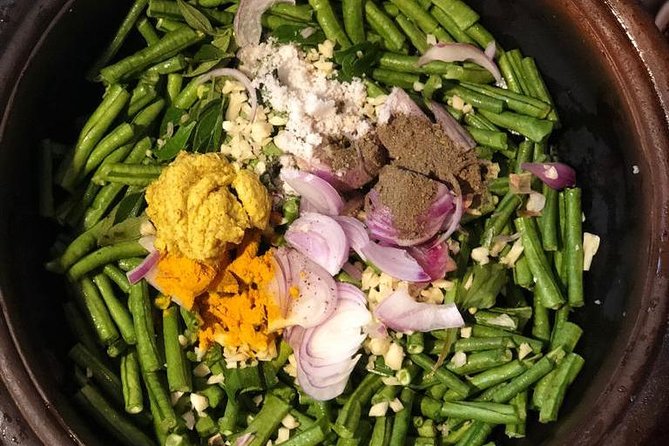
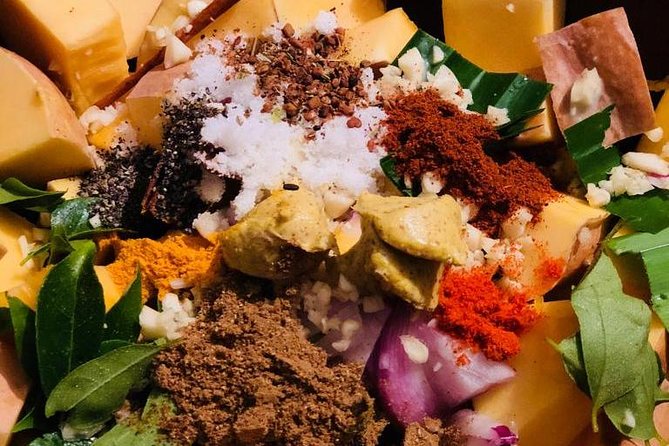
The meal centers on four vegetable curries plus a tuna or chicken curry. The exact vegetables are chosen at the market, so the menu can change. Dishes described by participants included pineapple, dhal, pumpkin, aubergine and onion, avocado, and tuna.
This range is one of the strongest parts of the experience. Sri Lankan cooking is not simply one bowl of curry with one dominant flavor. A good plate brings together sweet, sour, earthy, creamy, spicy, and savory notes. Pineapple offers sweetness and acidity. Dhal gives you a soft, comforting base. Aubergine brings a rich texture, while pumpkin adds gentle sweetness.
The class can also introduce vegetables and fruit that are unfamiliar outside Sri Lanka. You get to choose an ingredient you may not normally find at home, then see how it is cooked with local spices and coconut.
Some people have prepared coconut sambol as an extra, and one experience included a signature version. The class description promises five curries, so treat sambol as a possible addition rather than a guaranteed sixth dish.
The recipes are often adapted to personal needs. One participant with food intolerances received adjustments without losing the character of the dishes. It is still sensible to explain dietary needs when booking and again at the start, since the information does not specify every possible substitution.
A different kind of day out entirely:
- Galle Fort Walking tour
★ 4.9 · 285 reviews - Snorkeling with Turtles in Mirissa
★ 5.0 · 268 reviews - Hikkaduwa/Galle/Weligama/Mirissa/Tangalle: Yala Safari Tour
★ 4.8 · 263 reviews - Whale Watching Mirissa with ( WWC )
★ 5.0 · 252 reviews
Demonstration or hands-on class?
This is the key decision point. The experience is called a cooking class, but it does not always function like a school where each person prepares every dish from start to finish.
You should expect to help with some vegetable preparation and to take part in selected steps. Much of the cooking may be led by Wasantha or another family member while you watch, ask questions, and learn the method. Several people loved this format because it allowed Wasantha to keep the food moving and explain the techniques clearly.
Others found the participation too limited. If your ideal class involves your own chopping board, pan, and recipe from beginning to end, you may find the format disappointing. If you prefer to watch an experienced home cook and then eat a full meal, it is a better match.
The small group limit of 10 helps. It is not a private lesson, but the size should make it easier to see the work and ask questions. The atmosphere is informal and family-run, not a professional culinary studio with matching workstations.
I would ask at the beginning which tasks you can handle. You may be able to choose a vegetable, help prepare it, or take part in several stages of the cooking. Being clear about your interest in hands-on work can make the session more satisfying.
A family meal at the end
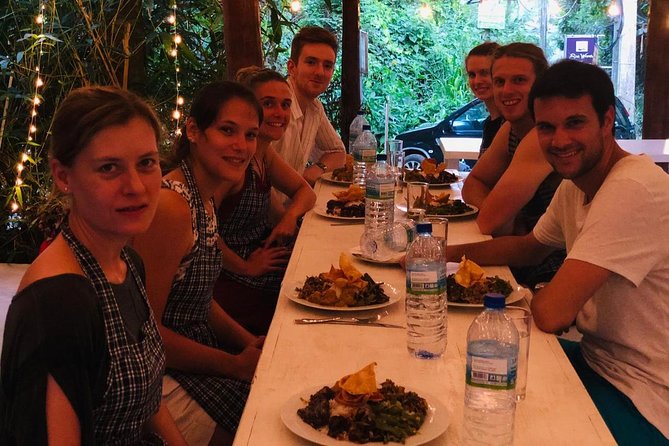
The best payoff comes when the cooking stops and the food reaches the table. Lunch is served buffet style, with the curries and rice you have helped prepare. You can eat with your fingers, the local way, or use utensils if that feels more comfortable.
This shared meal gives the experience its warmest moment. You are not just tasting a set menu prepared by someone else. You have seen the ingredients at the market, watched the spices and coconut milk go into the pots, and then tasted the finished dishes together.
The family atmosphere is a major reason this class receives such strong marks. Wasantha’s mother, children, husband, and other family members may all play a part. The setting can feel closer to being welcomed into a home than attending a commercial cooking school.
That also means the tone may be informal. Do not expect a tightly timed performance or a formal restaurant service. The meal may stretch a little, conversation may take different turns, and the family dynamic is part of the experience.
The food portion is generous. One participant said the lunch was large enough to remove the need for dinner that night. If you have a light appetite, take modest portions at first. There should be plenty of variety to return for.
What you can take home
The practical value does not end at the table. Participants have received a set of 21 recipes, giving the class a useful afterlife once you return home. You can also contact Wasantha with questions while recreating the dishes.
That support is particularly helpful because Sri Lankan cooking often depends on feel. A recipe may tell you to add spices, coconut milk, or water, but the right amount can depend on the vegetable, the heat, and the texture in the pot. Seeing those decisions made in person is more useful than reading a list of ingredients alone.
I would take notes during the class, especially about:
- How much water goes into the rice
- When coconut milk is added
- How the spices smell before the liquid goes in
- Which vegetables need longer cooking
- How Wasantha balances sour, sweet, salty, and spicy flavors
The recipes are a good bonus, but the real lesson is learning how to judge the food as it cooks. That is the difference between copying a dish once and understanding how to make it again.
Is $30 a good value?
At about $30, this is a strong value for a four-hour activity. The cost includes the market visits, tuk-tuk transport, instruction, the cooking session, and a full lunch. You are also paying for a small group and access to a local family kitchen rather than only buying a meal at a restaurant.
The value is highest if you care about food, local shopping, and cultural contact. A standard lunch in Sri Lanka can cost far less than $30, but it will not include the market trip, cooking guidance, family recipes, or the chance to shape the menu.
The value is lower if you measure a class by the amount of physical cooking you do. Some people will find the demonstration-heavy format worth the price because Wasantha’s experience makes the process easy to follow. Others may prefer a more formal class with individual workstations, even if it costs more.
The 4.9 out of 5 rating from 249 ratings and the 98 percent recommendation rate suggest a consistently well-liked experience. Still, the lower scores point to one clear issue: expectations about hands-on work. Book with the right idea in mind and you are more likely to enjoy it.
Who should book Cook with Wasantha?
I would recommend this experience to you if you want:
- A friendly introduction to Sri Lankan home cooking
- A market visit with a real purpose
- Several curries in one meal
- Help choosing unfamiliar local produce
- A family-run setting
- Recipes and techniques to use at home
- A small group rather than a large food tour
It suits couples, families, and solo visitors who enjoy eating and talking as much as cooking. Children can take part, though the provided information does not specify a minimum age or a special children’s program.
I would think twice if you want a strict lesson plan, exact measurements, or an entirely hands-on session. The best description is a market tour, cooking demonstration, selective participation, and shared lunch combined.
The experience requires good weather. If poor weather forces a cancellation, you are offered another date or a full refund. Service animals are allowed, and the meeting point is near public transport, but the provided details do not explain the kitchen’s full accessibility.
Should you book it?
Book Cook with Wasantha if you want to understand how Sri Lankan food is bought, prepared, and shared. The market visits, fresh coconut milk, rice lesson, five curries, and family lunch create a fuller picture than a simple restaurant meal.
Go in expecting a warm, informal demonstration with some hands-on preparation, not a private chef course. At $30, the combination of transport, market visits, cooking, lunch, and recipes is hard to fault for most food-minded visitors.
FAQ
Where does Cook with Wasantha begin?
The experience begins at Wasantha’s Sri Lanka Cuisine, 180/a Yaddehimulla Road, Unawatuna, Sri Lanka.
What time does the experience start?
The start time is 10:00 am.
How long does the cooking experience last?
The experience lasts approximately four hours.
Where does the activity finish?
The activity ends back at the original meeting point in Unawatuna.
How many people can join?
The group is capped at 10 people.
What is the cancellation policy?
You can cancel at least 24 hours before the start time for a full refund. Cancellations or changes made less than 24 hours before the start time are not refunded or accepted. If poor weather causes the experience to be canceled, you are offered another date or a full refund.
Just added in Galle
- Sri Lankan Cooking with Tricks★ 5.0 · 1 review
- Private Transfer and Whale Watching Tour from Hikkaduwa and Galle★ 5.0 · 1 review
- Udawalawa National Park Safari trip from Hikkaduwa/Galle/Weligama★ 4.5 · 7 reviews
- Surfing Lessons★ 4.5 · 7 reviews
- Airport Transfer by Hikkaduwa Taxi Service★ 5.0 · 5 reviews
- Sinharaja Rainforest Trip★ 5.0 · 7 reviews
- One Day Udawalawe Safari from Galle/Mirissa/Unawatuna/Hikkaduwa★ 5.0 · 10 reviews
- Hikkaduwa/ Galle/ Mirissa : With Udawalawe safari – Day trip★ 5.0 · 2 reviews
Galle Tours, compared.

Whales and Dolphins Watching-Luxury Super Grade Cruiser(Hotel Pick up offered)
Read our review →
Traditional Gems & Jewellery Workshop with Transfers
Read our review →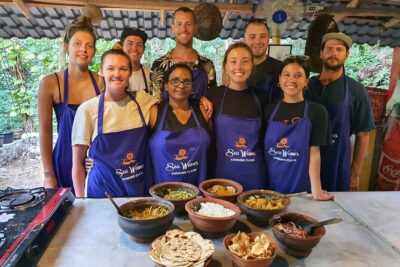


Hikkaduwa/Galle/Weligama/Mirissa/Tangalle: Yala Safari Tour
Read our review →
Galle/Mirissa/Tangalle: Transfer to Ella & Yala Safari
Read our review →Browse the lists this tour appears in