
Review · COOKING CLASSES
Sri Lankan Cooking with Tricks
Sri Lankan curry begins with your hands. This private two-hour class in Ambalangoda gives you a practical way to meet the cuisine, from scraping coconut to preparing seven dishes and eating the meal you helped make. I like the hands-on format, and I like that the lesson ends with a proper lunch rather than a quick taste at the stove.
The class also keeps the group private, so you can ask questions and work at your own pace. The main drawback is simple: transport is not included, and the meeting point is in Ambalangoda rather than central Hikkaduwa. You need to arrange your own way there.
In This Review
- Key points at a glance
- Why a cooking class fits a Sri Lankan trip
- Arriving at Ambalangoda for the 10:30 am class
- Seven dishes, one Sri Lankan meal
- The coconut-scraping lesson is a real hands-on detail
- Cooking beside an instructor, not in a large group
- Lunch is part of the lesson, not an extra stop
- What you can take home besides a full stomach
- Service expectations and the provider
- Who will enjoy this class most
- Should you book Sri Lankan Cooking with Tricks?
- FAQ
- Where does the cooking class take place?
- What time does the experience start?
- How long does the cooking class last?
- Is the activity private?
- Which dishes will I prepare?
- Is lunch included?
- Are tea or coffee included?
- Is transportation included?
- Can I bring alcoholic drinks?
- What is the cancellation policy?
Key points at a glance
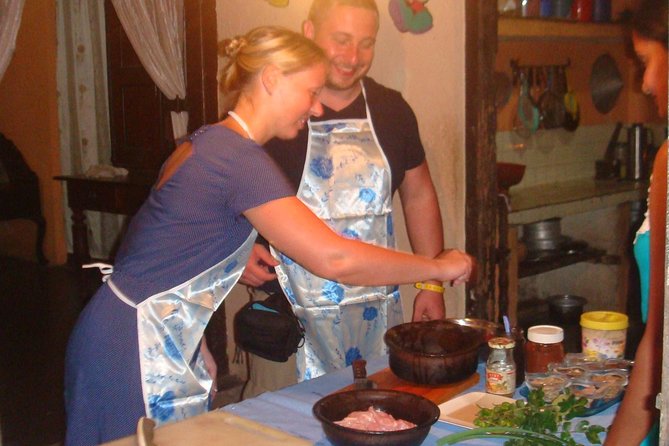
- Seven dishes in about two hours: Prepare red rice, dhal curry, coconut sambol, fish, papadam, gotu kola, and other parts of a Sri Lankan meal.
- Coconut scraping is part of the lesson: You do not just watch the ingredients arrive prepared.
- Your cooking becomes lunch: The meal you help make is included, along with tea or coffee as a welcome drink.
- Private instruction: Only your group takes part, allowing for more direct help and questions.
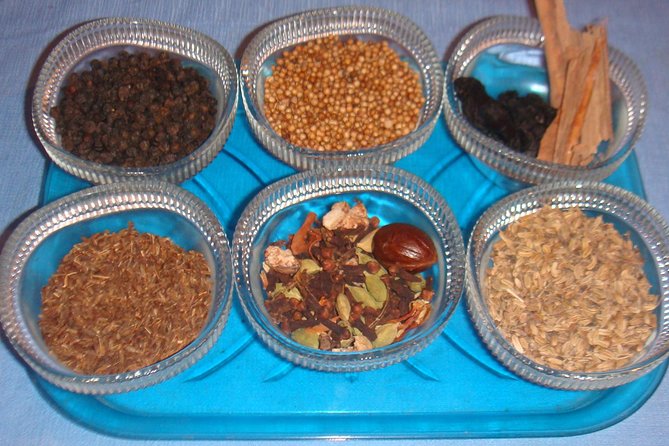
- Recipes to take home: The class is designed to show you how spices and curries are prepared so you can repeat the dishes later.
- Independent arrival required: The meeting point is Sri Lanka Chamo Tours at No. 258/11 Main St, Ambalangoda, at 10:30 am.
Why a cooking class fits a Sri Lankan trip
Sri Lankan food can look simple on the plate: rice, curry, sambol, greens, papadam. The work is in the balance. Coconut, spices, lentils, fish, heat, and texture all have to pull together without one flavor taking over.
That is why I prefer a cooking class to simply ordering another curry at a restaurant. A restaurant shows you the finished result. This class lets you see how the meal is built from the beginning, then gives you the chance to do part of the work yourself.
The experience is especially useful if you have already eaten Sri Lankan food and wondered how the curries get their depth. You are not only being served a dish with an unfamiliar name. You are shown how to prepare spices and curries, then you eat the results while the process is still fresh in your mind.
The class lasts about two hours, so it is not a full-day food program. That is good news if you have a busy route around Hikkaduwa, Galle, or Ambalangoda. It also means the pace may be brisk, particularly with seven dishes on the menu.
More Cooking Classes in Galle
- Anyone Can Cook – Bentota Cooking Class
★ 5.0 · 29 reviews - Sea waves sri lankan cooking class
★ 5.0 · 467 reviews - Galle Unawatuna Cooking Class
★ 5.0 · 142 reviews
Arriving at Ambalangoda for the 10:30 am class
The stated starting point is Sri Lanka Chamo Tours, No. 258/11 Main St, Ambalangoda 80300, Sri Lanka. The start time is 10:30 am, and the activity ends back at the same meeting point.
The important practical point is that private transportation is not included. You should plan your own route to Ambalangoda and leave enough time to find No. 258/11 Main St. The experience is near public transportation, which gives you an alternative to arranging a private car, but the information provided does not specify a pickup service or a particular bus connection.
If you are staying in Hikkaduwa, check the journey before booking. Hikkaduwa is listed as the tour location, while the actual cooking class takes place in Ambalangoda. Those are not the same meeting point, so do not assume that your accommodation is within walking distance.
The morning start works well for lunch. You arrive with time to cook, and by the end of the session you are ready to eat the meal you prepared. I would avoid scheduling something with a tight departure immediately afterward. The official duration is approximately two hours, but a private meal experience is best enjoyed without watching the clock.
Seven dishes, one Sri Lankan meal
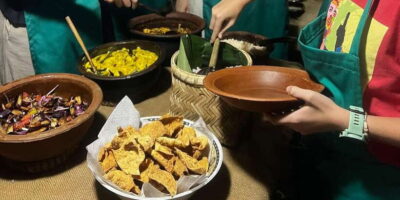
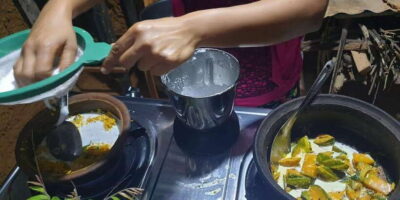
The class includes seven dishes, with red rice, dhal curry, coconut sambol, fish, papadam, and gotu kola named among them. The full menu may be explained by the instructor during the session, but these listed dishes give you a useful picture of the meal.
Red rice supplies the foundation. It is more than a side dish here. Sri Lankan meals often use rice as the neutral base that allows several curries and accompaniments to be sampled together.
Dhal curry shows how a modest ingredient becomes a satisfying part of the plate. Lentils take on the flavor of the spices and coconut used in the preparation. For someone building a Sri Lankan pantry at home, this is likely one of the most practical dishes to learn.
Coconut sambol brings a fresh, textured contrast to the cooked curries. It also makes the coconut lesson especially relevant. You get to see how coconut is handled rather than treating it as a packaged ingredient with no story behind it.
Fish adds a main dish with a different texture and seasoning profile. The available information does not specify the fish, cooking method, or spice level, so you should ask the instructor about those details if they matter to your diet or preferences.
Papadam gives the meal a crisp element. It is a small part of the menu, but it helps explain how Sri Lankan food works as a group of contrasting tastes and textures rather than one large curry.
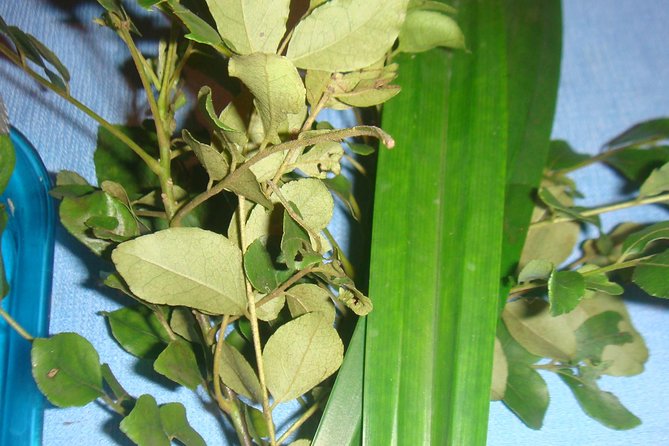
Gotu kola brings a green element to the plate. The class listing names it as one of the dishes, although it does not state exactly how it is prepared. Ask during the lesson if you want to recreate that dish at home.
Seven dishes in two hours is ambitious. You should expect an efficient session rather than a slow culinary workshop devoted to one recipe. The advantage is range: you leave with a better feel for how a complete Sri Lankan meal fits together. The tradeoff is that some dishes may receive less individual attention than they would in a longer class.
The coconut-scraping lesson is a real hands-on detail
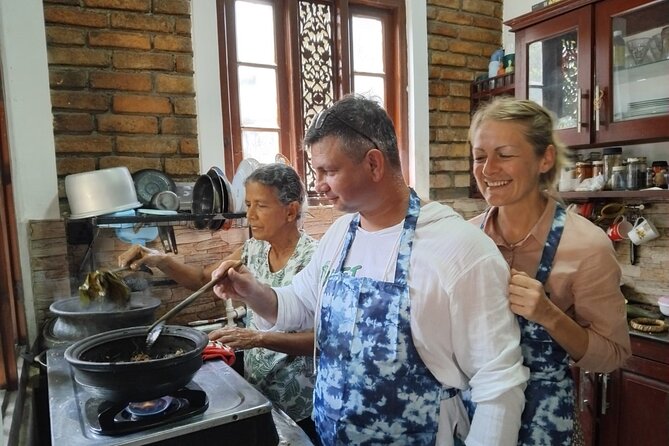
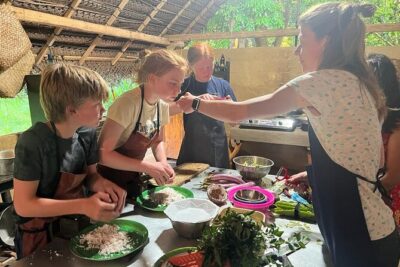
The most distinctive practical detail is the chance to experience how to scrape coconut. That may sound like a small task, but it connects the ingredients on your plate to an everyday kitchen skill.
Coconut appears in several forms in Sri Lankan cooking, and learning how it is prepared gives you a better sense of the food than simply adding canned coconut milk to a pot. The class is described as a from-scratch experience, with practical participation rather than a demonstration where you sit and watch.
This is also the sort of skill that may be memorable after the holiday. Recipes can blur together, but the physical steps of preparing an ingredient tend to stay with you. If you enjoy learning through doing, this part may be the strongest reason to choose the class.
Still, you should keep expectations sensible. The information does not promise a full lesson in coconut farming, grinding, or every possible use of coconut. The clear promise is that you can experience scraping the coconut as part of preparing your meal.
More Cooking Classes in Hikkaduwa:
- Ella: Traditional Sri Lankan Cooking Class
★ 4.9 · 788 reviews - Organic cooking class sigiriya (kumara & family)
★ 5.0 · 650 reviews - Kandy Village Cooking Class
★ 5.0 · 536 reviews - Ella: Sri Lankan Cooking Class with Neranji at Homestay
★ 5.0 · 276 reviews
Cooking beside an instructor, not in a large group
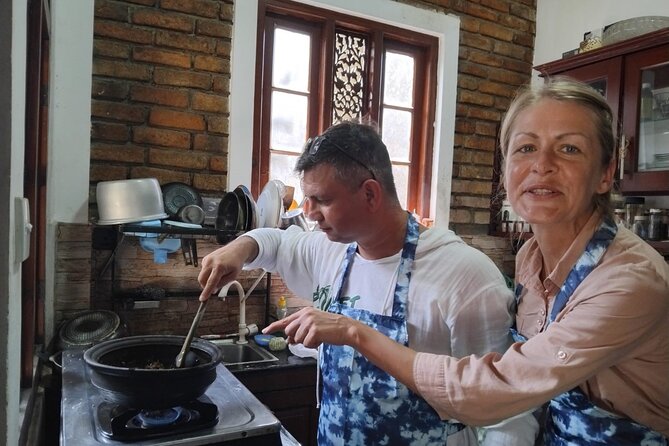
This is a private activity, meaning only your group participates. That matters more in a cooking class than it does on a standard sightseeing trip.
With a private lesson, you can ask for a step to be repeated, spend extra time on a technique, or clarify how a spice mixture should look before it goes into the pan. You are not competing with a busload of people for a place near the work surface.
The instructor guides you through the meal, and you join the process. The exact teaching style is not described, so I would not assume a formal chef-school setup. Think of it as a personal introduction to home-style Sri Lankan cooking, with direct help as you prepare the dishes.
A private class suits couples, families, and small groups with mixed cooking confidence. A keen home cook can ask about repeating the recipes. Someone who rarely cooks can still take part without feeling exposed in front of strangers.
There is also a practical benefit for groups with different interests. One person can focus on spices, another on rice or coconut, and another on the final meal. Since the class is private, the session can feel more like a shared activity than a performance.
Lunch is part of the lesson, not an extra stop
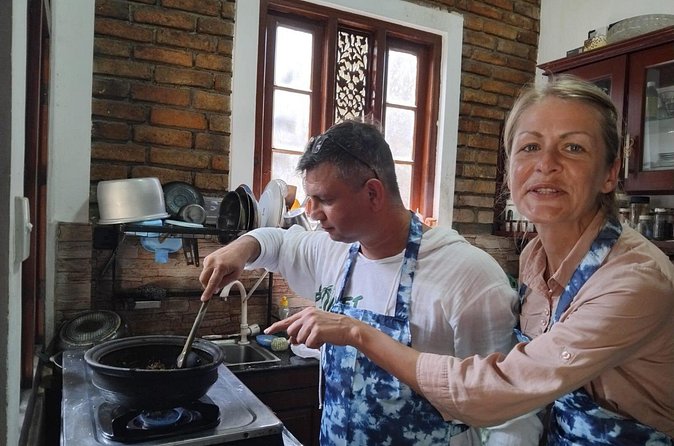
The lunch is included, and it is the food you cook yourself. That arrangement gives the class a satisfying finish. You do not prepare dishes only to have them whisked away for someone else to serve.
Eating your own meal also helps you understand the balance of the plate. You can try the red rice with dhal, add coconut sambol, use papadam for crunch, and compare the fish and greens with the other flavors. Even if you cannot remember every measurement later, you leave with a clearer idea of how the components work together.
Tea or coffee is served as a welcome drink. That is a small inclusion, but a useful one in a morning activity. Alcoholic drinks are not allowed, so this is firmly a food and culture experience rather than a cooking class built around cocktails or wine.
The meal may be the best value element of the $26 price. You are paying for instruction, ingredients, a private setting, and lunch. Compared with simply buying a restaurant meal, the class costs more than a basic plate of food, but it gives you a skill and recipes to use after returning home.
The price is most attractive if you plan to cook again. If you only want a quick meal, a restaurant will be simpler. If you want to understand the food and take something useful home, the extra cost has a clear purpose.
What you can take home besides a full stomach
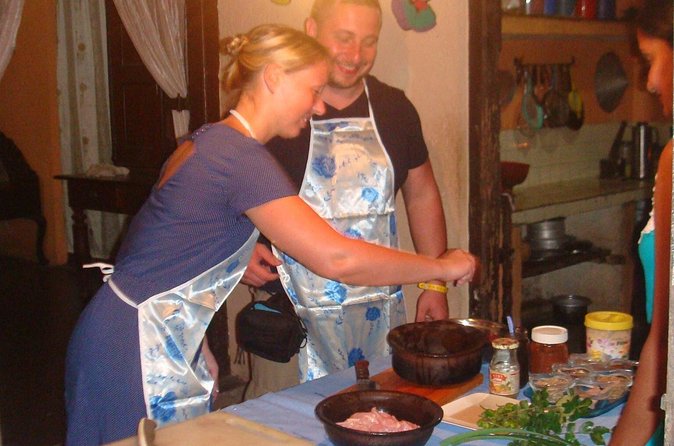
The class promises recipes for preparing spices and curries. That is important because Sri Lankan cooking can be difficult to reproduce from taste alone.
When you return home, you may not have exactly the same fish, coconut, or local ingredients. Recipes give you a starting point for adjusting to what is available. You can practice the dhal curry, repeat the sambol, or build a whole rice-and-curry meal from the techniques shown during the session.
I would bring a small notebook or use your phone for notes if the instructor allows it. Pay attention to the order of cooking, not only the ingredient list. Ask how the spices are prepared, when the coconut is added, and how you can tell when a curry is ready. Those details often matter as much as the written recipe.
Because the class covers seven dishes, you may need to choose what to record most carefully. Focus on the dishes you are most likely to make at home, perhaps dhal curry, coconut sambol, or the rice. You can always ask whether the remaining recipes are available in written form.
Service expectations and the provider
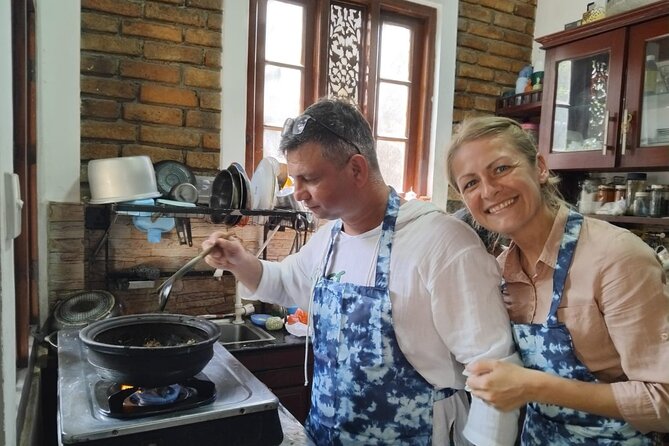
Sri Lanka Chamo Tours runs the experience. The provider has also received positive feedback for wider day-trip service, including an early pickup, a helpful driver named Dinesh, and assistance finding a pleasant lunch stop on a route covering Galle, the Madu River, turtle conservation, and a white tea plantation.
That feedback is about a different outing, so I would not treat it as proof of the cooking instructor’s exact style. It does suggest a useful service approach: local planning, attention to meals, and help with practical details.
For this class, the key point is that you are responsible for reaching the meeting point. Once there, the private format should give you more direct contact than a large shared group. Confirmation is received at booking, which is helpful when you are arranging a morning around other plans.
The experience requires good weather and a minimum number of participants. If poor weather cancels the class, you are offered another date or a full refund. If the minimum is not met, you are offered a different date or experience, or a full refund.
You can cancel for a full refund up to 24 hours before the local start time. Cancellations or changes made less than 24 hours before the 10:30 am start are not accepted for a refund.
Who will enjoy this class most
I would choose this experience if you want more than a restaurant meal and have at least two hours to spare in the morning. It is a particularly good fit for people who enjoy food markets, local ingredients, and learning a few techniques they can use at home.
The private format also works well for families and couples. You do not need to be an experienced cook. The point is to participate, and the instructor guides you through the process.
It may be less suitable if you want a hands-off demonstration, a long professional cooking course, or included transportation from Hikkaduwa. It may also feel too short if your main goal is to master every dish in detail. Seven dishes in approximately two hours gives you a broad introduction, not a full culinary qualification.
Ask about ingredients before starting if you have food restrictions. Fish is part of the named menu, and the available details do not explain substitutions. Alcohol is not permitted, so plan for tea or coffee rather than a drink with lunch.
Should you book Sri Lankan Cooking with Tricks?
Yes, if you want a private, practical introduction to Sri Lankan food and are happy to arrange your own transport to Ambalangoda. The $26 price is fair because it includes instruction, ingredients, seven dishes, lunch, a welcome tea or coffee, and recipes for later use.
I would book it as a cultural activity, not just as a cheap lunch. The coconut-scraping practice, the chance to prepare food from scratch, and the private setting give you something a restaurant cannot provide.
Before paying, check the route from your accommodation in Hikkaduwa and keep the morning free until the class finishes. If you want a relaxed food experience with a clear local connection, this is a sensible choice. If you need door-to-door pickup or a long, highly technical lesson, choose another option.
FAQ
Where does the cooking class take place?
The class starts at Sri Lanka Chamo Tours, No. 258/11 Main St, Ambalangoda 80300, Sri Lanka.
What time does the experience start?
The class starts at 10:30 am.
How long does the cooking class last?
The experience lasts approximately two hours.
Is the activity private?
Yes. It is a private activity, and only your group participates.
Which dishes will I prepare?
The named dishes include red rice, dhal curry, coconut sambol, fish, papadam, and gotu kola. Seven dishes are included in total.
Is lunch included?
Yes. Lunch is the meal you prepare during the class.
Are tea or coffee included?
Yes. Tea or coffee is served as a welcome drink.
Is transportation included?
No. Private transportation is not included. You must make your own way to the meeting point.
Can I bring alcoholic drinks?
No. Alcoholic beverages are not allowed.
What is the cancellation policy?
You can cancel up to 24 hours before the local start time for a full refund. Changes or cancellations made less than 24 hours before the start are not accepted for a refund. If bad weather or an insufficient number of participants causes cancellation, you are offered another date or a refund.
Just added in Hikkaduwa
- Private Transfer and Whale Watching Tour from Hikkaduwa and Galle★ 5.0 · 1 review
- Udawalawa National Park Safari trip from Hikkaduwa/Galle/Weligama★ 4.5 · 7 reviews
- Surfing Lessons★ 4.5 · 7 reviews
- Airport Transfer by Hikkaduwa Taxi Service★ 5.0 · 5 reviews
- Sinharaja Rainforest Trip★ 5.0 · 7 reviews
- One Day Udawalawe Safari from Galle/Mirissa/Unawatuna/Hikkaduwa★ 5.0 · 10 reviews
- Hikkaduwa/ Galle/ Mirissa : With Udawalawe safari – Day trip★ 5.0 · 2 reviews
- Hikkaduwa to Colombo Airport (CMB) Private Transfer★ 5.0 · 1 review
Cooking Classes, compared.
Organic cooking class sigiriya (kumara & family)
Read our review →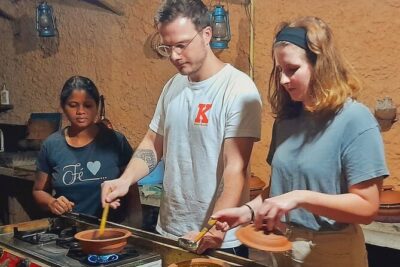
Sri Lankan Cooking Class with Neranji at Homestay
Read our review →
Browse the lists this tour appears in