
Review · UDAWALAWE NATIONAL PARK TOURS
From Weligama : Udawalawa National Park Safari Tour
Elephants make this day worth the early start. From Weligama, this Udawalawe National Park safari combines hotel pickup, a comfortable ride, and three hours inside one of Sri Lanka’s best-known elephant parks. I like the easy door-to-door transport, and I like that the experience includes a guide who can explain the animals, birds, and park habitat rather than simply point at them. The main drawback is the extra national park fee, about $37, which brings the real cost to roughly $109 per person.
I also like the spacious 4×4 safari jeep and the chance to visit the Elephant Transit Home. A good guide can make the difference between a string of animal sightings and a day that helps you understand how wildlife is protected. Just keep your expectations sensible: elephants are the main attraction, but sightings are never guaranteed, and several jeeps can gather around the same animal.
In This Review
- Key points to know before booking
- From Weligama to Udawalawe: a full day on the road
- Three hours inside Udawalawe National Park
- Why the 4×4 jeep changes the experience
- The Elephant Transit Home visit
- The traffic problem inside the park
- What the $72 price really covers
- Who will get the most from this safari
- Booking tips for a smoother day
- How the experience rates overall
- Should you book the Weligama Udawalawe safari?
- FAQ
- How long does the Udawalawe safari from Weligama take?
- What is included in the $72 price?
- Is the national park entrance ticket included?
- Where does the tour provide pickup?
- Where can I be dropped off?
- What animals might I see?
- Is the Elephant Transit Home part of the experience?
- Can I cancel the tour for a refund?
Key points to know before booking
- Elephants are the star attraction: Udawalawe is known for its large wild elephant population, with possible sightings of deer, wild boar, water buffalo, crocodiles, eagles, herons, and peacocks.
- Pickup covers a wide coastal area: Transport is included from Weligama, Mirissa, Matara, Tangalle, Hiriketiya, and Dickwella.
- The safari lasts about three hours: The full experience takes eight hours, including the drive to and from the park.
- The $72 price is not the final total: Park admission is separate and costs about $37.
- Comfort matters on this day: You ride in an air-conditioned vehicle to the park, then switch to a spacious 4×4 safari jeep.
- Guide quality is a major strength: A park guide called Batu was praised for explaining the local plants and animals clearly.
From Weligama to Udawalawe: a full day on the road
This is not a quick coastal excursion. The tour takes about eight hours, so you should treat it as a full-day outing rather than a short activity squeezed between beach plans.
Your day begins with pickup at your hotel. The service covers Weligama and nearby places including Mirissa, Matara, Tangalle, Hiriketiya, and Dickwella. You are asked to wait in the hotel lobby 10 minutes before the scheduled pickup time, a small but useful tip when several pickups are part of the route.
The first section is by air-conditioned vehicle. That matters because the safari itself can be dusty and exposed, while the road portion gives you a cooler place to rest. The ride passes through Sri Lankan countryside before you reach Udawalawe National Park.
The exact timing depends on your pickup town and the day’s traffic. One person specifically praised the driver for making the road journey feel safe, even when Sri Lankan traffic became stressful. That is worth noting. The transfer is not just a way to get from A to B, it is a substantial part of the day.
More Udawalawe safaris:
- Galle/Mirissa/Hiriketiya: Drop to Ella & Udawalawa Safari
★ 4.9 · 186 reviews - Hikkaduwa/Galle/Weligama/Mirissa/Tangalle: Udawalawa Safari
★ 4.8 · 114 reviews - Udawalawe Safari Private Day Trip with Lunch – All Inclusive
★ 4.8 · 69 reviews
Three hours inside Udawalawe National Park
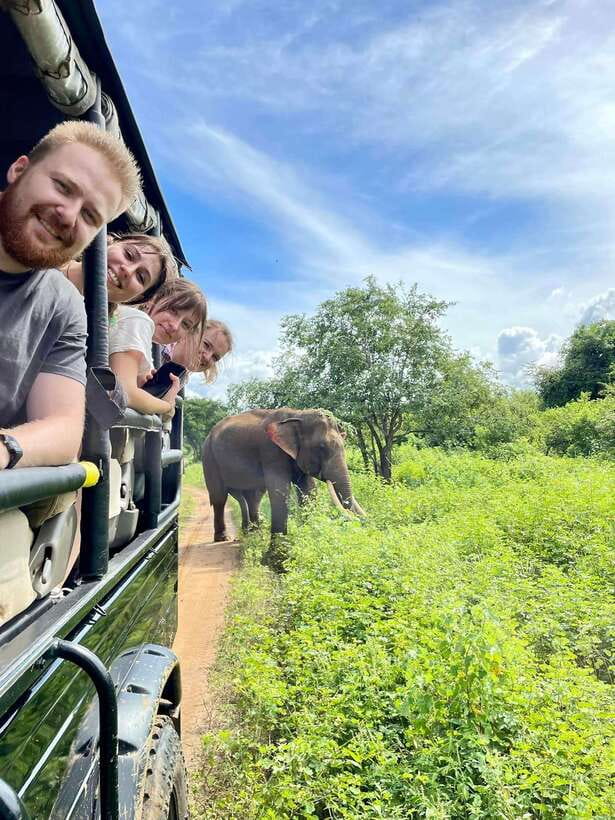
Once you reach the park, you continue in a 4×4 safari jeep for roughly three hours. The raised seating and open viewing areas are important here. You need a clear sightline when animals appear, and a sturdy vehicle is better suited to the park roads than a normal car.
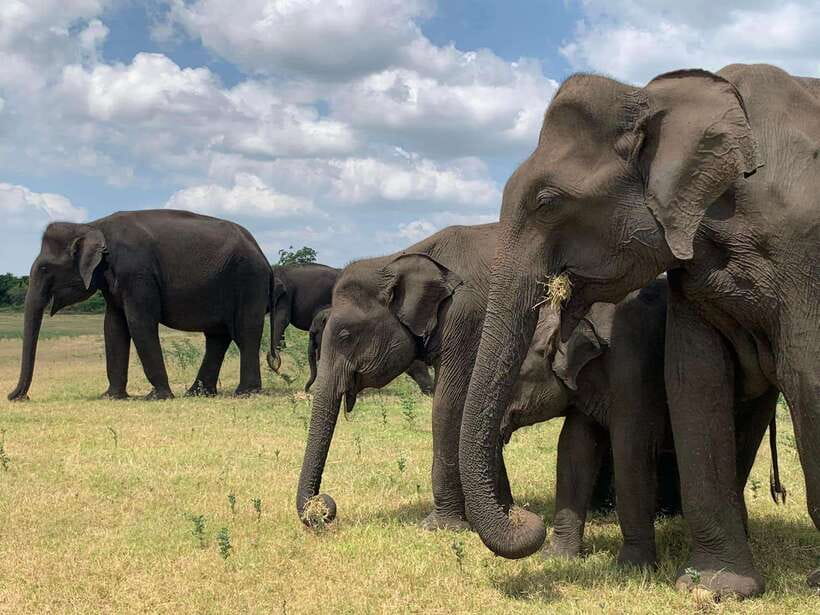
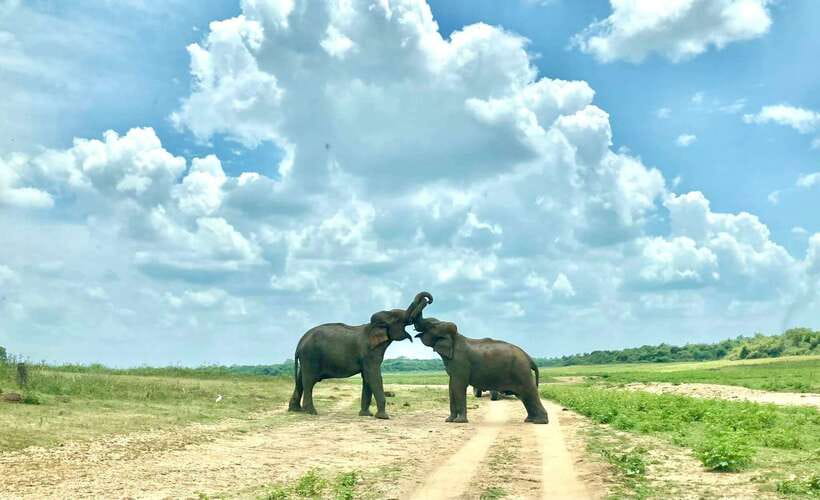
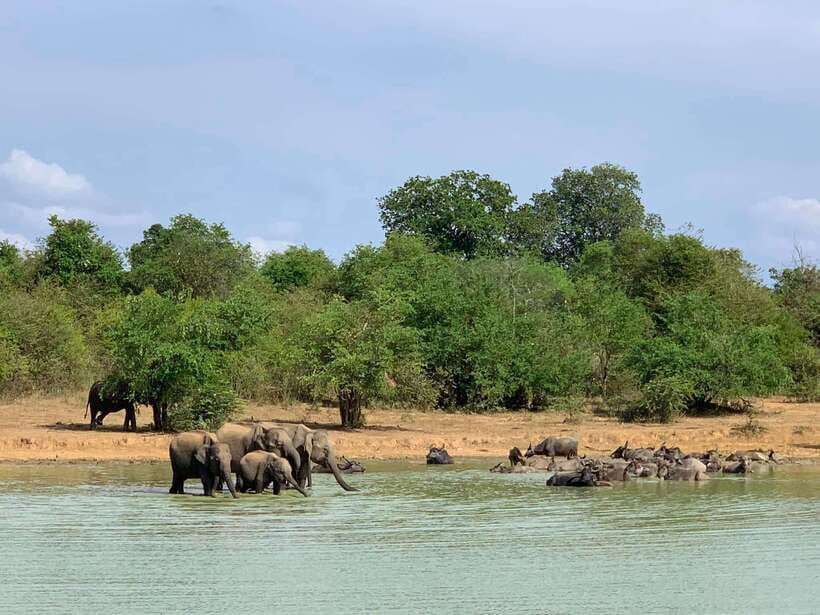
Udawalawe is especially famous for wild elephants. You may see them feeding, walking across the park, standing near water, or moving through the scrub. The experience is strongest when you give the animals space and let the guide judge how long to stay.
Elephant sightings were the most praised part of the day. One booking party saw elephants along with several other animals, while another called the elephant encounters the highlight. That is a good sign for anyone choosing Udawalawe mainly for elephants, but it should not be read as a promise of a particular number of sightings.
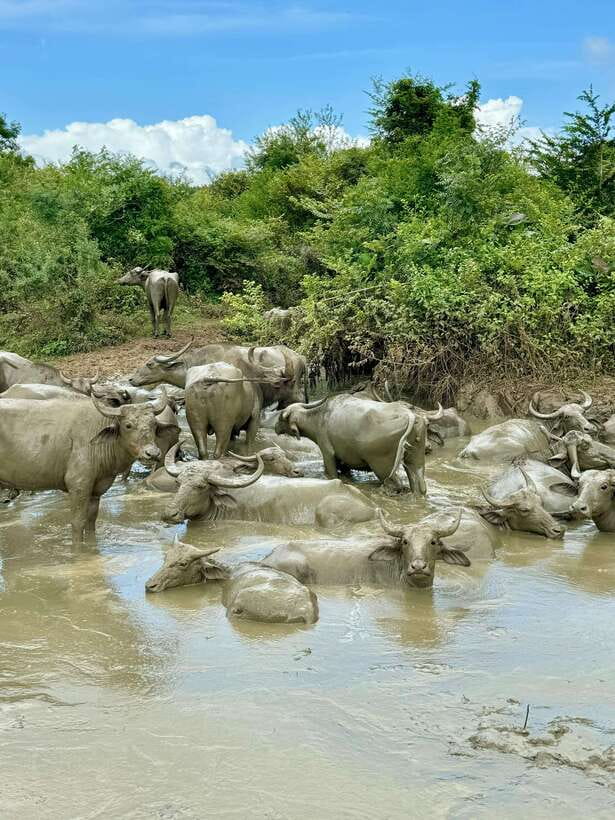
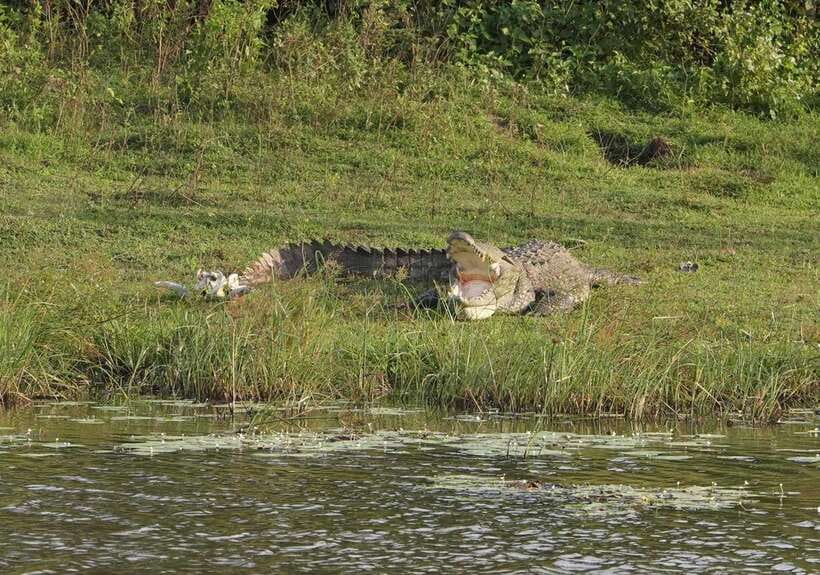
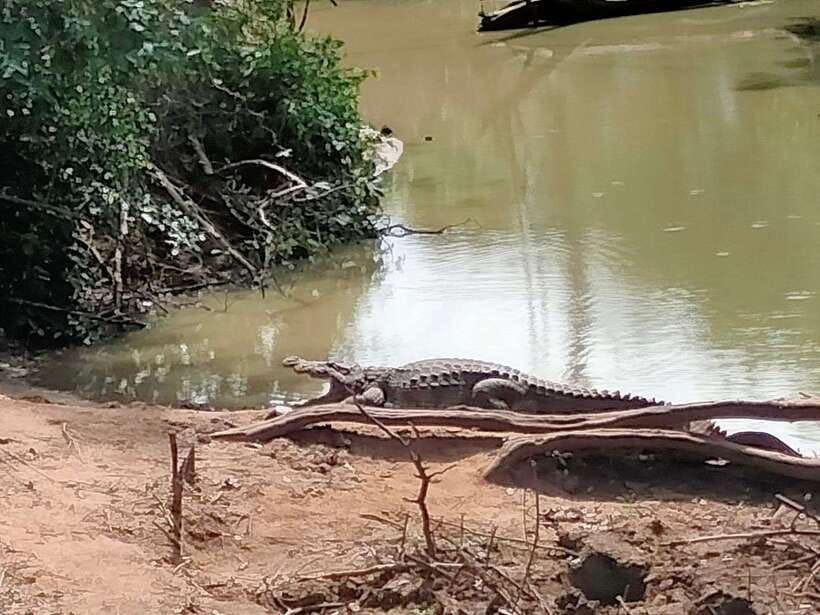
The park is also home to deer, wild boar, water buffalo, and crocodiles. Birdlife adds another layer to the safari, with eagles, herons, and peacocks among the species you might spot. Bring patience. A safari is partly about the quiet stretches between sightings, when your guide scans the trees, grass, and water edges for movement.
Your guide’s role is more than driving around until something large appears. The guide can help identify animals and explain how the park works as a living system. A guide called Batu received particular praise for his explanations of the plants and wildlife. If he is assigned to your safari, you may find that his commentary adds a useful classroom element to the outing.
Why the 4×4 jeep changes the experience
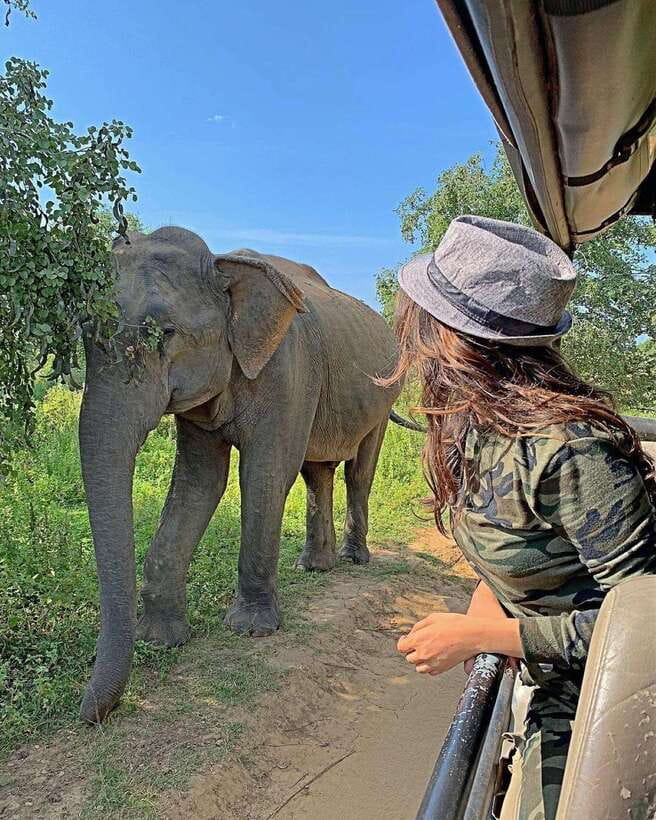
The safari vehicle is listed as a luxury, comfortable 4×4 jeep, and comfort is not a minor detail on a three-hour wildlife drive. Park roads can involve long periods of sitting, stopping, and starting, so a cramped vehicle would make the experience tiring.
You should still expect a real safari, not a polished theme-park ride. The jeep is built for access and visibility, not silence or complete protection from dust. That trade-off is part of the experience. You get closer viewing angles and a better chance to scan the park, but you may also feel the road and pick up dust during dry conditions.
The transport arrangement gives you two different vehicles for two different jobs. The air-conditioned vehicle handles the longer transfer from the coast, while the safari jeep is used for wildlife viewing inside the park. Several people praised the comfort of the road vehicle, including one person who described the minivan as especially comfortable.
The Elephant Transit Home visit
The tour also includes a visit to the Elephant Transit Home, where orphaned and injured elephants are cared for before being released back into the wild. You can watch feeding sessions and learn about the conservation work connected with the facility.
This stop gives the day an important second angle. The national park shows elephants living in the wild, while the transit home explains what happens when young or injured elephants need help. It is a useful contrast, especially if you want more than animal photographs.
The experience here is educational rather than a chance to handle elephants. The focus is on care, feeding, and release efforts. That makes it more meaningful for people interested in wildlife protection, but anyone expecting close contact with elephants should adjust their expectations.
The supplied schedule specifically lists the national park visit, guided safari, sightseeing, and a photo stop. The Elephant Transit Home is described as part of the overall experience, so confirm the day’s exact order with the operator if this stop is especially important to you.
More national park trips in Galle:
- Udawalawe National Park Safari trip from Galle/Mirissa/Ella
★ 5.0 · 33 reviews - Udawalawa National Park half day Safari
★ 5.0 · 32 reviews - Udawalawe National Park Safari from Weligama
★ 5.0 · 14 reviews - Explore The Beauty Of Udawalawe National Park From South Coast During 01 Day
★ 5.0 · 13 reviews
The traffic problem inside the park
There is one practical issue you should know before paying. At busy times, many vehicles may enter the park together. One person described a traffic jam when several jeeps stopped around elephants.
This is not entirely within one tour company’s control. When a major sighting happens, drivers naturally want to give their passengers a view. The result can be a line of safari vehicles, engine noise, and less peaceful viewing.
A good guide and driver can still improve the situation. They may help you find a better angle, wait for the crowd to thin, or look for animals away from the busiest cluster. Still, you should not expect every sighting to feel private.
If quiet wildlife watching matters more to you than ticking off a famous animal, tell the guide. The park’s popularity is part of the price of seeing elephants in a well-known reserve. For most people, the chance to see the animals will outweigh the occasional vehicle congestion.
What the $72 price really covers
The advertised cost is $72 per person. That includes pickup and drop-off, an air-conditioned vehicle, the 4×4 safari jeep, and an English-speaking guide.
The important catch is the national park entrance ticket, which costs about $37 and is not included. Your practical budget is therefore about $109 per person before any other personal spending. Food is not clearly listed among the inclusions, although one person praised the tasty food during the day, so ask what is provided when you book rather than assuming meals are included.
At that combined price, the tour can make sense if you value convenience. Organizing a private transfer, finding a safari jeep at the park, and arranging a guide separately may take more time and may not produce a lower total. Here, the transport and safari are bundled together, with hotel return included.
The value is strongest for people staying on the southern coast who want a straightforward wildlife day without changing hotels. It is less attractive if you already have a vehicle, a park guide, and a safari booking arranged independently.
Who will get the most from this safari
I would recommend this outing to you if elephants are high on your Sri Lanka wish list. It also suits couples, families, and first-time safari visitors who prefer a planned day with pickup and return rather than handling the transport themselves.
Bird-watchers can also enjoy it, since the park supports eagles, herons, peacocks, and other bird species. You will get more from the trip if you are willing to look beyond elephants and take an interest in the smaller signs of life around the park.
The tour is a good fit for anyone who wants a mix of adventure and learning. The guide’s explanations, plus the Elephant Transit Home visit, add context to the animal sightings.
It may not suit you if you want a short excursion, guaranteed close-up views, or a completely quiet park. Eight hours is a serious commitment, and the extra admission charge should be part of your decision from the start.
Booking tips for a smoother day
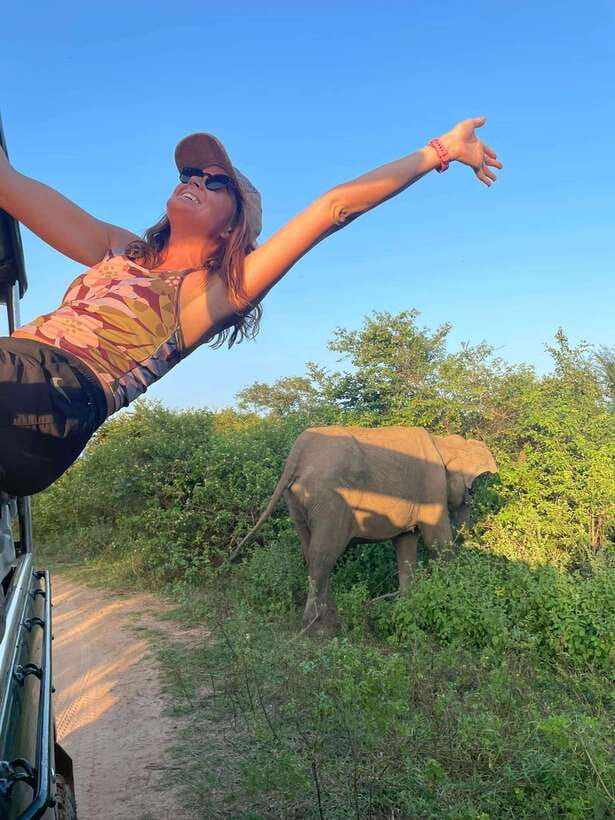
Choose the pickup location that keeps your road time reasonable. Weligama is the named starting point, but pickup is also available from Mirissa, Matara, Tangalle, Hiriketiya, and Dickwella. Drop-off can return you to Weligama, Tangalle, or Udawalawe, depending on your plans.
Wear practical clothing for a vehicle-based outdoor day. The information provided does not specify equipment or clothing requirements, but a safari can involve dust, sun, and long periods of sitting. Keep your phone or camera ready, but do not let photography replace watching the animals directly.
Ask about the entrance fee before departure. Since the park ticket is separate, knowing how that payment is handled will help you avoid confusion at the gate.
You can cancel up to 24 hours in advance for a full refund, and the reserve-now, pay-later option gives you flexibility while your Sri Lanka plans are still changing. Pickup is in English, and the listed live tour language is English.
How the experience rates overall
The experience has a 4.9 rating from eight reviews, with the strongest praise aimed at the elephant sightings, guide service, safe driving, and comfortable transport. That pattern makes sense. The tour’s appeal is not one fancy extra, but the way the basic parts fit together.
The wildlife is the main reason to go. The guide adds meaning to what you see. The air-conditioned transfer reduces the strain of reaching the park from the coast. The 4×4 jeep gives you the right vehicle for the safari itself.
The weak point is crowding around popular animal sightings. You also need to add about $37 for park admission, which changes the headline price. Those are manageable concerns, but they should be clear before you book.
Should you book the Weligama Udawalawe safari?
Book it if you want the easiest organized route from Sri Lanka’s south coast to an elephant-focused national park. I especially like it for first-time safari visitors who value hotel pickup, a comfortable transfer, a 4×4 jeep, and an English-speaking guide in one package.
Before confirming, budget for the separate entrance ticket and accept that several vehicles may gather at major sightings. If you can do that, this is a well-rounded wildlife day with a strong chance of seeing elephants, useful nature commentary, and a conservation visit that gives the outing more purpose.
FAQ
How long does the Udawalawe safari from Weligama take?
The full activity lasts about eight hours. The guided visit and safari inside Udawalawe National Park take about three hours.
What is included in the $72 price?
The price includes pickup and drop-off, transport in an air-conditioned vehicle, a 4×4 safari jeep, and an English-speaking guide.
Is the national park entrance ticket included?
No. The entrance ticket is separate and costs about $37.
Where does the tour provide pickup?
Pickup is available from Weligama, Mirissa, Matara, Tangalle, Hiriketiya, and Dickwella. The listed pickup options also include Udawalawe.
Where can I be dropped off?
The listed drop-off options are Weligama, Tangalle, and Udawalawe. The included transfer details also mention return service to several southern coastal locations, so confirm your exact drop-off point when booking.
What animals might I see?
The park is known for wild elephants. You might also see deer, wild boars, water buffaloes, crocodiles, eagles, herons, peacocks, and other bird species.
Is the Elephant Transit Home part of the experience?
Yes. The tour includes a visit where orphaned and injured elephants are cared for, fed, and prepared for release back into the wild.
Can I cancel the tour for a refund?
Yes. You can cancel up to 24 hours in advance for a full refund. You can also reserve now and pay later.
Just added in Galle
- Sri Lankan Cooking with Tricks★ 5.0 · 1 review
- Private Transfer and Whale Watching Tour from Hikkaduwa and Galle★ 5.0 · 1 review
- Udawalawa National Park Safari trip from Hikkaduwa/Galle/Weligama★ 4.5 · 7 reviews
- Surfing Lessons★ 4.5 · 7 reviews
- Airport Transfer by Hikkaduwa Taxi Service★ 5.0 · 5 reviews
- Sinharaja Rainforest Trip★ 5.0 · 7 reviews
- One Day Udawalawe Safari from Galle/Mirissa/Unawatuna/Hikkaduwa★ 5.0 · 10 reviews
- Hikkaduwa to Colombo Airport (CMB) Private Transfer★ 5.0 · 1 review
Udawalawe National Park Tours, compared.
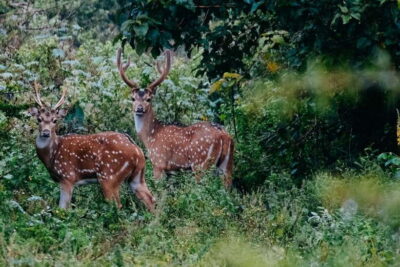
Udawalawe National Park: Elephant Safari with Expert Guide
Read our review →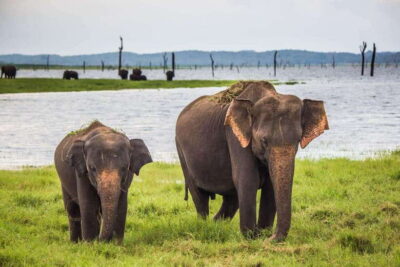
Galle/Mirissa/Hiriketiya: Drop to Ella & Udawalawa Safari
Read our review →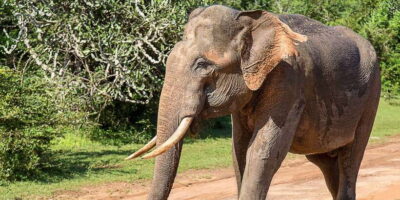
Udawalawe: National Park Safari & Elephant Transit Home Tour
Read our review →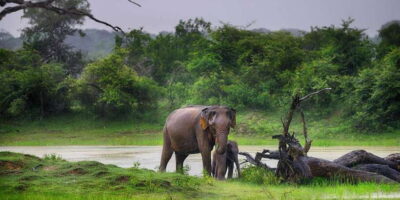
Shuttle to Tangalle/Mirissa/Galle w Udawalawe Safari
Read our review →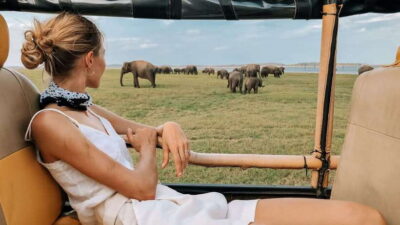
Udawalawa National Park Safari Tour with Experienced Guides
Read our review →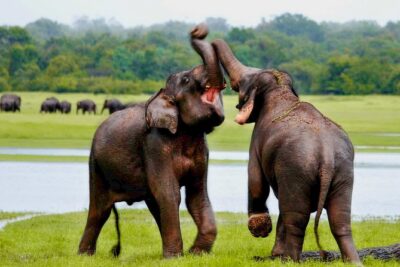
Udawalawe National Park Entrance Ticket with Private Safari
Read our review →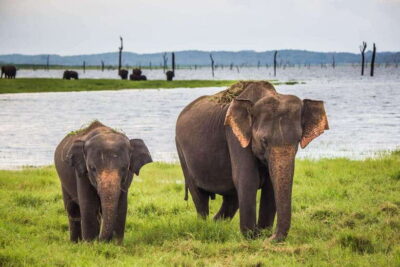
Hikkaduwa/Galle/Weligama/Mirissa/Tangalle: Udawalawa Safari
Read our review →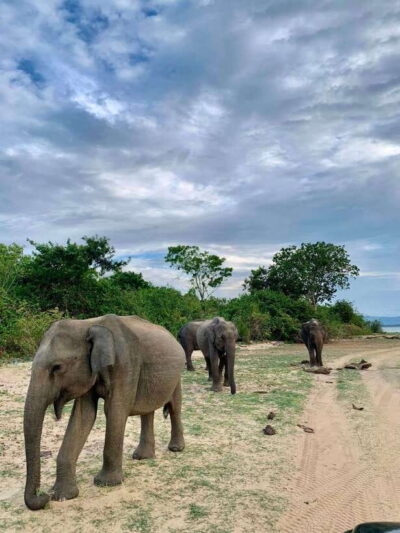
From Mirissa/Galle/Hikkaduwa: Udawalawa National Park Safari
Read our review →Browse the lists this tour appears in