
Review · EAST COAST TOURS
Gal Oya National Park Safari
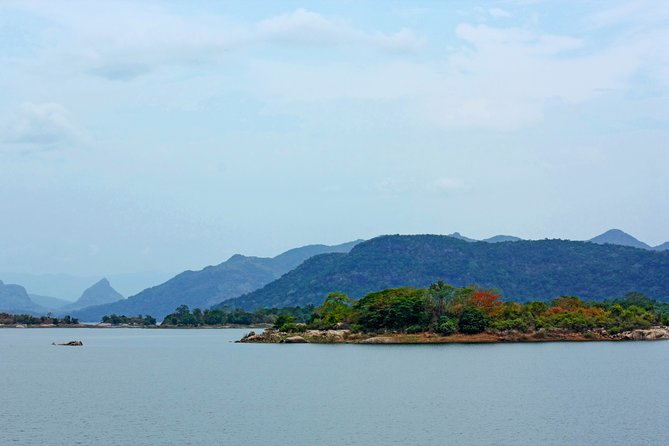
Water rules this wild corner of Sri Lanka. I like that Gal Oya offers year-round elephant sightings and a rare chance to watch wildlife tied to Sri Lanka’s largest reservoir. I also like the private 4WD setup, with a maximum of six people per jeep, so you get more room to look, listen, and ask questions.
The main drawback is the short three-hour duration. You also need to check the pickup radius and ticket option carefully, since free transport covers only locations within 5 kilometers of the park gate, and entrance fees may be separate. Still, the friendly guide, smooth organization, and striking scenery make this a strong choice for a focused wildlife outing.
In This Review
- Key Points Before You Book
- Why Gal Oya Is Different From a Standard Sri Lankan Safari
- Starting at the Gal Oya Valley Park Gate
- The 6:00 am Morning Safari
- The 3:00 pm Evening Safari
- The Elephants of Senanayake Samudra
- Birds, Islets, and Plant Life
- What the 4WD Ride Is Really Like
- Is $30 Good Value?
- Small Details That Can Affect the Day
- Who Will Enjoy This Safari Most?
- Should You Book the Gal Oya Safari?
- FAQ
- How long is the Gal Oya National Park safari?
- What time do the safaris start?
- Can I see elephants all year at Gal Oya?
- When can elephants be seen swimming between the islets?
- How many people can fit in one safari jeep?
- Is hotel pickup included?
- Does the price include the park entrance fee?
Key Points Before You Book
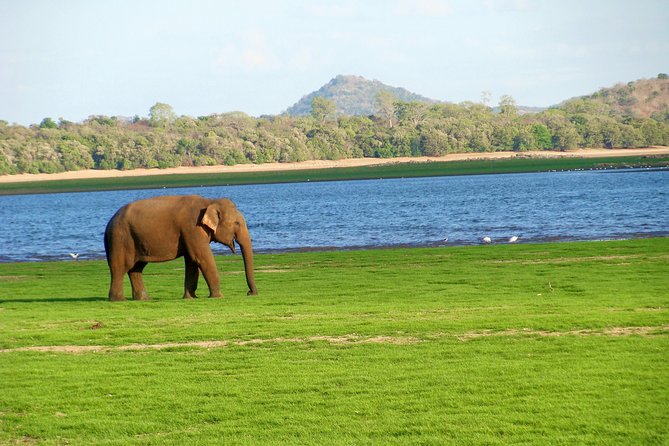
- Elephants can be seen throughout the year, since Gal Oya’s herds have food and water during the dry season.
- March through July brings the special sight of swimming elephants, moving between the reservoir’s many islets.
- The safari runs through the catchment area of Senanayake Samudra, Sri Lanka’s largest reservoir.
- Each 4WD jeep carries up to six passengers, and the activity is private to your group.
- Morning and afternoon departures are available, at 6:00 am and 3:00 pm.
- The $30 price is attractive, but confirm if your booking includes entrance tickets or only the jeep.
Why Gal Oya Is Different From a Standard Sri Lankan Safari
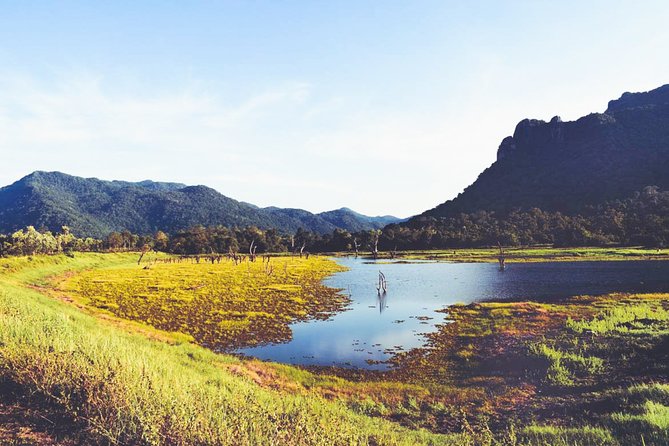
Gal Oya National Park is built around water. The main safari area lies in the catchment zone of Senanayake Samudra, a huge reservoir that shapes the park’s wildlife, plant life, and daily rhythm.
That gives this outing a different feel from a safari focused only on open grassland. You are looking at a living system tied to water. Birds gather around the reservoir and its islets. Mammals move through the surrounding dry country. Herbs and medicinal plants grow among the park’s natural habitats.
I like this setting because it gives you more than a search for animals. You also get a clear idea of how wildlife survives in an arid part of Sri Lanka. The reservoir is not just a scenic backdrop. It supports the food and water supply that keeps elephant herds in the area all year.
The park is home to 32 species of mammals and more than 150 species of birds. You will not see every species on a three-hour drive, of course, but the numbers explain why Gal Oya rewards a slow, observant approach. Keep your eyes on the water, the shore, and the small islets, not only the road ahead.
More national park trips in East Coast:
- Kumana National Park : Private Half-Day Jeep Safari
★ 4.0 · 20 reviews - Maduru Oya National Park Private Safari with Naturalist
★ 4.5 · 4 reviews - Wasgamuwa National Park Entrance Ticket with Private Safari
★ 5.0 · 2 reviews
Starting at the Gal Oya Valley Park Gate
The meeting point is Gal Oya Valley National Park at 6FHC+CP4, Henebadda, Sri Lanka. The safari ends at the same meeting point, which keeps the arrangement simple if you are making your own way there.
Pickup and drop-off are included from any location within 5 kilometers of the park gate. That is useful if you are staying nearby, but it is not a broad regional transfer service. If your hotel is farther away, you must arrange your own transport or pay for a separate transfer if one is available.
The activity is near public transportation, though the exact route and timetable are not provided. I would confirm your arrival plan before the safari day, particularly for the 6:00 am departure. A private jeep helps once you reach the gate, but it does not remove the need to plan the trip to the starting point.
You receive confirmation at booking. The operator also lists a moderate physical fitness requirement. That does not suggest a strenuous hike, since the main activity takes place in a 4WD vehicle, but you should still be comfortable with a three-hour outing in a national park.
The 6:00 am Morning Safari
The morning safari starts at 6:00 am and lasts about three hours. This is the better choice if you prefer an early start and want the day ahead for other plans.
The route takes you through the wilderness around Senanayake Samudra’s main catchment area. Your experienced driver also acts as your tracker, so the person handling the vehicle is also watching for signs of wildlife and choosing where to go next.
That two-in-one role matters on a short safari. Three hours can pass quickly, and a driver who can track animals while managing the rougher roads makes better use of your time. The exact route will depend on conditions and sightings, so you should expect a search rather than a fixed list of stops.
Early in the drive, your attention may go to the broad reservoir and its scattered islets. These small islands are important to the park’s birdlife, and some animals prefer to stay there. You might find that the best sight is not close to the jeep at all, so binoculars would be useful, although they are not listed as part of the package.
The morning option also gives you a practical advantage: if wildlife sightings are limited, you still have time to enjoy the rest of your day. The trade-off is the early start. You need to be at the meeting point on time, and pickup is included only within the 5-kilometer radius.
The 3:00 pm Evening Safari
The afternoon safari begins at 3:00 pm and also runs for about three hours. This option suits you if you prefer a slower morning or if you are fitting the park into a busy travel day.
The later start places the final part of the outing toward evening, when the changing light can make the reservoir and dry woodland look very different from the morning route. The operator does not promise a particular sunset or animal behavior, so treat those as possible bonuses rather than guaranteed features.
The afternoon schedule may be easier for people who do not want an early alarm. It can also work well if you are already staying close to the park entrance. On the other hand, you have less flexibility afterward, since the activity finishes back at the meeting point after the three-hour drive.
I would choose the morning if wildlife is your top priority and the afternoon if timing is more important. The most important thing is not to assume one departure is always better for sightings. Animal activity and visibility can vary, and this experience promises access to the park rather than a guaranteed encounter.
A few more options to weigh up in East Coast
- Pottuvil Lagoon Eco Tour : Mangrove Adventure in Arugam Bay
★ 4.8 · 67 reviews - Arugambay :Pottuvil Lagoon Mangrove Eco Boat Safari Tours
★ 4.9 · 48 reviews - Polonnaruwa Ancient City Private Day Tour (Hidden Gems)
★ 5.0 · 20 reviews - Sail Lanka Charter – 01 Night Cruise In Mirissa
★ 4.4 · 6 reviews
The Elephants of Senanayake Samudra
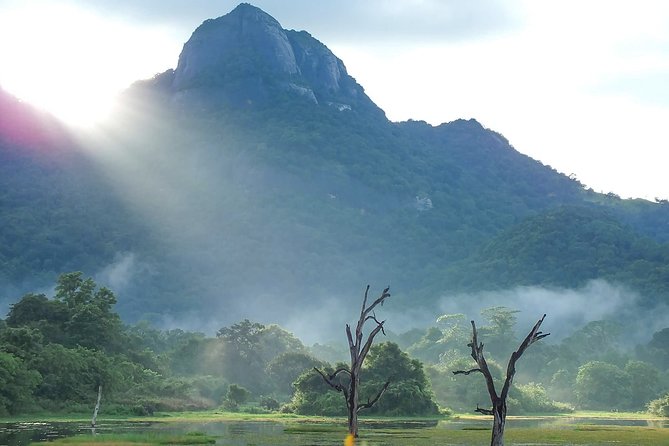
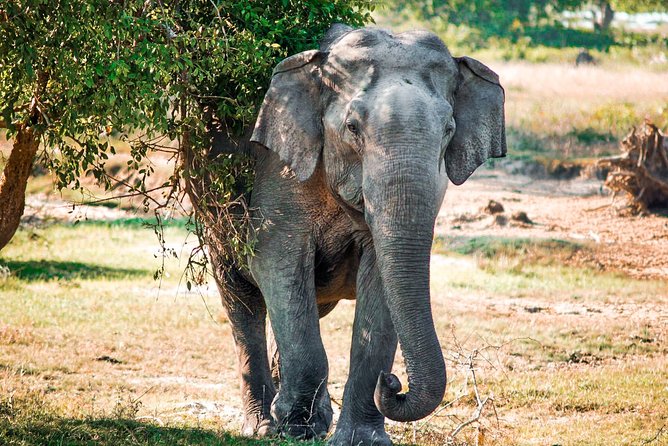
Elephants are the park’s main attraction, and Gal Oya has a useful advantage: its herds can be seen during any season.
In several other Sri Lankan parks, elephants move in search of food and water during the dry months. Gal Oya’s herds have dependable supplies around the reservoir, so they do not need to migrate in the same way. That gives you a better chance of seeing them even outside the peak season.
The most remarkable period is from March through July. During those months, elephants may swim from one islet to another. This is the signature sight of Gal Oya, but it is still a wildlife encounter, not a scheduled performance. You may see the swimming behavior, or you may find elephants feeding or moving along the shore.
The water also changes how you watch them. Instead of scanning only the road and open scrub, you need to look across the reservoir and toward the islands. A jeep safari gives you access to wide areas, but patience matters. If your group is eager to move constantly, you may miss a quiet moment at the water’s edge.
The driver and tracker’s role is especially important here. The guide can help you understand what you are seeing and where to look, while also handling the park roads. The only written feedback available praised the organization, the friendly guide, the scenery, and the unforgettable wildlife sightings. That matches the strongest reason to book this outing: it combines a good chance of elephants with a guide-led search rather than a self-drive visit.
Birds, Islets, and Plant Life
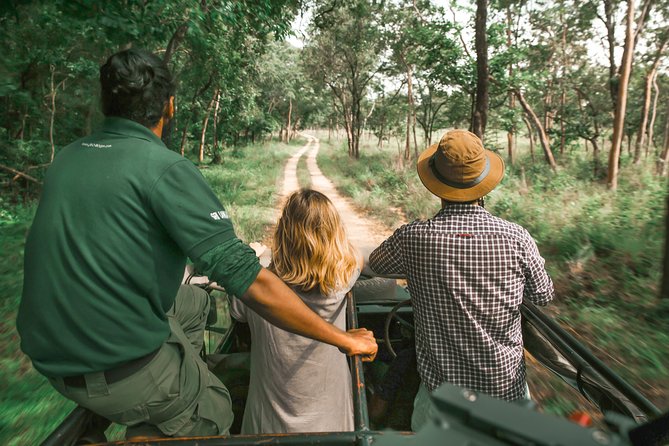
Elephants receive the attention, but Gal Oya is not only an elephant park. More than 150 bird species are recorded in the area, and many use the reservoir’s islets.
That makes the safari worthwhile for you even if the elephants stay out of sight. Waterbirds and other species may gather near the shore or settle on islands farther away. The jeep’s raised position should help with general viewing, but no special birding equipment is included.
The park also contains many herbs and medicinal plants. You are not simply passing through empty dry scrub. The plant life shows how people and wildlife have depended on this region for generations, and it adds useful context to the park’s natural setting.
The experience also includes information about local history and legends. The supplied details do not name specific stories, so I would not book this expecting a formal cultural tour. Think of those explanations as part of the guide’s interpretation, adding meaning to the places you pass through.
What the 4WD Ride Is Really Like
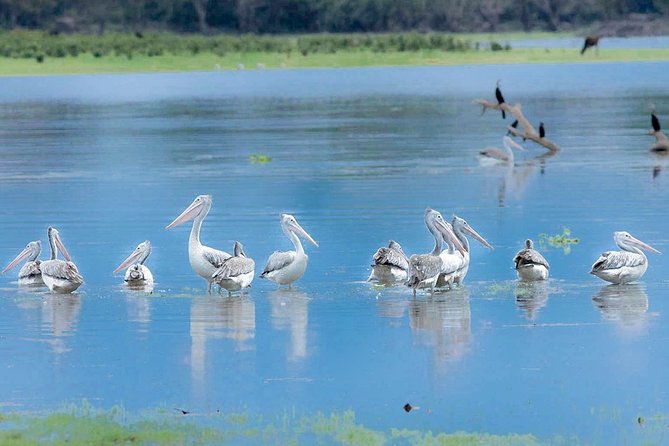
The safari uses a multi-terrain 4WD game vehicle. This is the right kind of transport for a national park route, since it lets you travel through rougher ground and reach more of the catchment area than a standard car.
The vehicle holds a maximum of six passengers. That limit is important. A jeep with six people can still feel full, especially if everyone wants a clear view, but it is more manageable than a large coach. Since this is a private activity, only your group participates, which gives you more control over the pace and conversation.
You receive bottled water, but food and other drinks are not included. For a three-hour outing, that is easy to manage, though you should not expect a meal or refreshment stop. The supplied details do not confirm whether snacks can be brought into the park, so ask before packing food.
A moderate fitness level is required. You will spend the safari in the vehicle rather than on a long walking route, but the ride may still demand some tolerance for sitting and moving over uneven ground. If you have mobility concerns, ask the operator for more detail before booking, since no accessibility information is provided.
Is $30 Good Value?
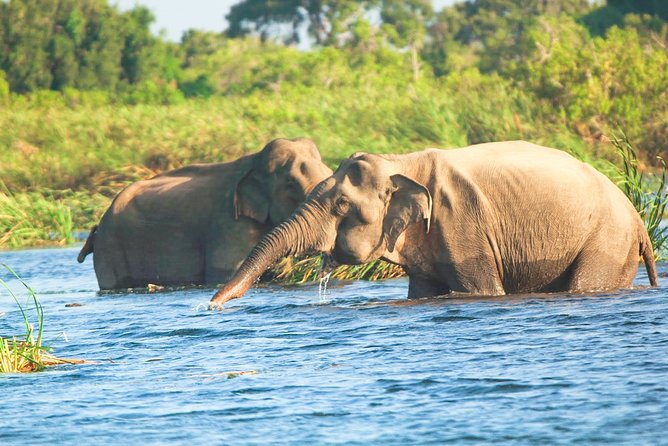
At $30 per person, this safari is reasonably priced for a private 4WD outing with a maximum of six passengers. The value improves if your price includes the park entrance fee, bottled water, a driver and tracker, and pickup within 5 kilometers of the gate.
There are two booking choices. The Jeep with Tickets option includes the entrance fee. The Jeep with No Tickets option does not, and the entrance charge must be paid in cash. I would compare the final totals before choosing, since a lower headline price may not be the lower overall cost.
The price also makes sense for the setting. You are paying for access to a large protected area, a purpose-built game vehicle, a local driver who tracks wildlife, and a private group arrangement. The safari is short, but it is not simply a transfer to the gate.
Group discounts are offered, which may make the experience especially useful for families or friends traveling together. Since the vehicle holds up to six people, a full group can spread the cost across the jeep. Ask how the discount applies before booking, as the exact terms are not provided.
Small Details That Can Affect the Day
The experience requires good weather. If poor weather causes a cancellation, you are offered another date or a full refund. That is a fair protection for an outdoor activity, especially one based on park roads and wildlife visibility.
You can cancel for a full refund if you do so at least 24 hours before the start time. Cancellations or changes inside that period are not refunded or accepted. The cut-off uses local Sri Lankan time, so check the timing carefully if you are booking from another time zone.
Because the safari is often booked well ahead, with an average booking lead time of 34 days, I would reserve early if your Sri Lankan route is fixed. That is particularly sensible for the March to July period, when the possibility of swimming elephants may be part of your reason for coming.
Bring practical outdoor clothing and sun protection, though only bottled water is specifically included. The provided information does not list a dress code or weather gear, so plan for a warm, exposed outing and check the forecast before you leave.
Who Will Enjoy This Safari Most?
I would recommend Gal Oya to you if elephants are high on your Sri Lanka wish list but you want a quieter setting built around water. It also suits birdwatchers, photographers, families, and small groups who prefer a private jeep instead of a large shared vehicle.
The experience is a good fit if you value the setting as much as the animal count. The reservoir, islets, dry-zone plant life, local legends, and elephant behavior create a fuller picture of the park.
It may be less suitable if you want a long, full-day safari with several major zones. Three hours gives you a focused outing, not an exhaustive tour. It may also disappoint you if you expect guaranteed sightings, close approaches, or a fixed schedule of animal encounters. Wildlife keeps its own timetable, thankfully.
Should You Book the Gal Oya Safari?
Book this safari if you want year-round elephant potential, a private 4WD, and a close look at how a major reservoir supports wildlife in a dry part of Sri Lanka. The March to July period is especially appealing if seeing elephants swim between islets is a priority.
Before paying, confirm three things: your pickup location, the entrance fee option, and the exact meeting arrangement at the park gate. Choose the 6:00 am departure for the best use of your day, or the 3:00 pm trip if a later start fits your schedule.
For $30 per person, this is a sensible wildlife experience with a strong setting and a small-group feel. Its limits are clear: only three hours, no food, and possible extra entrance costs. If those points fit your plans, Gal Oya offers one of Sri Lanka’s more distinctive safari experiences.
FAQ
How long is the Gal Oya National Park safari?
The safari lasts approximately three hours.
What time do the safaris start?
The morning safari starts at 6:00 am, and the evening safari starts at 3:00 pm.
Can I see elephants all year at Gal Oya?
Yes. Gal Oya’s elephant herds have food and water throughout the year, so they do not migrate in search of supplies during the dry season.
When can elephants be seen swimming between the islets?
The swimming spectacle may be seen between March and July.
How many people can fit in one safari jeep?
Each 4WD jeep holds a maximum of six passengers.
Is hotel pickup included?
Free pickup and drop-off are included for locations within 5 kilometers of the park gate. Hotel transport outside that radius is not included.
Does the price include the park entrance fee?
The entrance fee is included only with the Jeep with Tickets option. With the Jeep with No Tickets option, you must pay the entrance fee in cash.
Just added in East Coast
- Wasgamuwa National Park Entrance Ticket with Private Safari★ 5.0 · 2 reviews
- Live among swimming elephants and indigenous tribes – Gal Oya National Park★ 5.0 · 1 review
- Maduru Oya National Park Private Safari with Naturalist★ 4.5 · 4 reviews
- Trekking Dimbulagala Mountain★ 5.0 · 1 review
- Minneriya National Park Safari from Polonnaruwa★ 5.0 · 1 review
- Ella Day Tour with Tea Factory visit From Pasikudah★ 5.0 · 1 review
- Sail Lanka Charter – Whale Watching Cruise In Mirissa★ 3.8 · 4 reviews
- Sail Lanka Charter – 01 Night Cruise In Mirissa★ 4.4 · 6 reviews
East Coast Tours, compared.
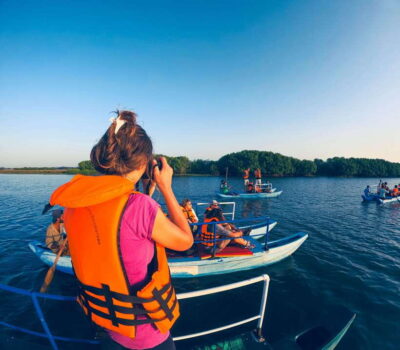
Pottuvil Lagoon Eco Tour : Mangrove Adventure in Arugam Bay
Read our review →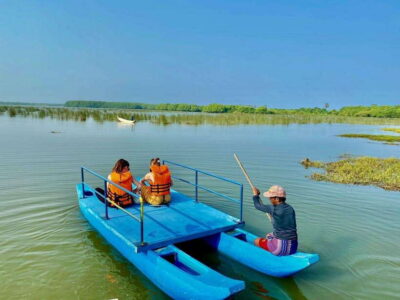
Arugambay :Pottuvil Lagoon Mangrove Eco Boat Safari Tours
Read our review →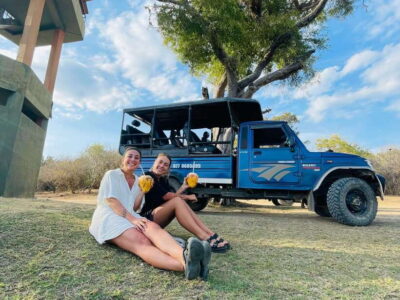
Kumana National Park : Private Half-Day Jeep Safari
Read our review →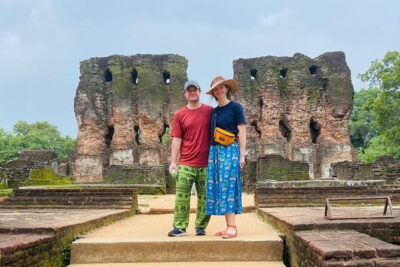
Polonnaruwa Ancient City Private Day Tour (Hidden Gems)
Read our review →
Pasikuda to Trincomalee: Whale & Dolphin Safari + Transport
Read our review →
Sail Lanka Charter – Whale Watching Cruise In Mirissa
Read our review →
Maduru Oya National Park Private Safari with Naturalist
Read our review →Browse the lists this tour appears in