
Review · HIKING & TREKKING
Trekking Dimbulagala Mountain
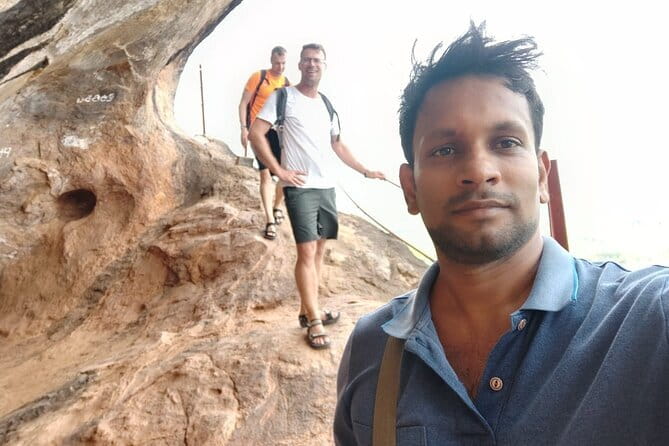
Ancient caves meet forest trails. This six-hour walk to Dimbulagala begins at Namal Pokuna Rajamahaviharaya, then climbs past monastery ruins, ponds, meditation caves, and wide mountain views. I like the mix of archaeology and walking. I also like that this is a private tour, so your group can keep its own pace. The main drawback is the physical effort: you need moderate fitness, and hot or wet weather could affect the day.
The price is $30 per person, which is fair for a private outing with pickup offered and a guide-led route through several historic areas. Still, check the meeting details carefully. The experience is identified with Batticaloa, but the stated starting point is in Polonnaruwa, about 15 kilometers from the Sacred City.
In This Review
- Five things to know before you go
- Starting near Polonnaruwa’s ancient monastery country
- The first 20 minutes lead to Namal Pokuna’s ruins
- Namal Pokuna Pond and the practical side of monastic life
- Blue Water Pond and the first meditation caves
- Walking through the forest to the upper mountain
- Reaching the top for ponds, caves, and views
- What the $30 price gets you
- Who will enjoy this Dimbulagala walk
- Booking, cancellation, and weather details
- Should you book Trekking Dimbulagala Mountain?
- FAQ
- Where does the Dimbulagala trek start?
- What time does the tour begin?
- How long does the experience last?
- Does the tour include pickup?
- Is this a private activity?
- What level of fitness is needed?
- Can I cancel for a full refund?
Five things to know before you go
- The walk begins at Namal Pokuna Rajamahaviharaya, not at the summit of Dimbulagala.
- Ancient remains appear after about 20 minutes, giving the hike an archaeological focus from the start.
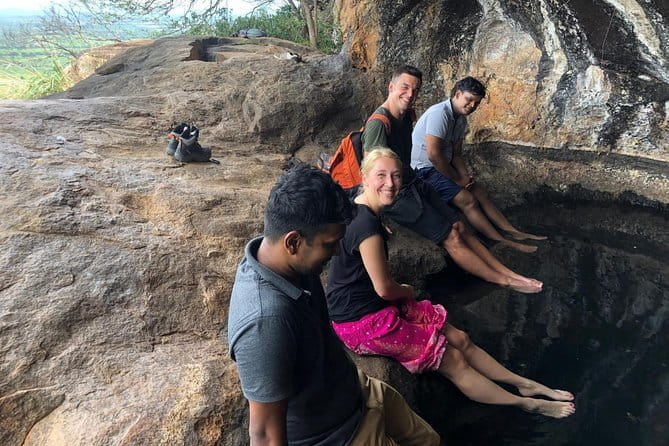
- The route includes ponds and natural meditation caves, not just a viewpoint at the top.
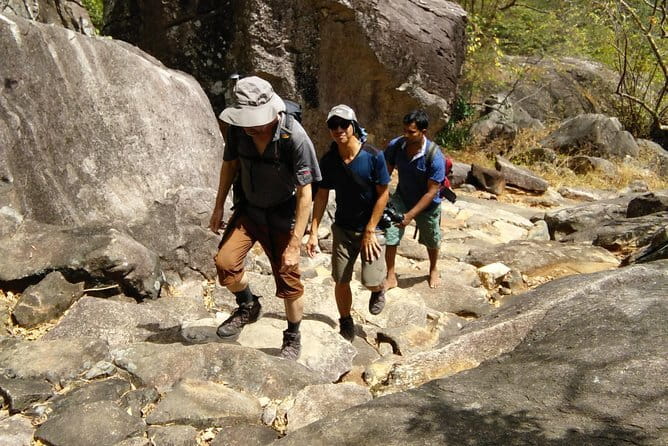
- The climb passes through forest, so this is a real trek rather than a short walk between monuments.
- The tour takes about six hours, begins at 9:00 am, and ends back at the meeting point.
- Free cancellation is available up to 24 hours before departure, subject to the stated weather and minimum-group conditions.
Starting near Polonnaruwa’s ancient monastery country
The day starts at Polonnaruwa Buddhi Mandapaya Junction, also called 1st Canal Junction, on Main Street in Polonnaruwa. The listed start time is 9:00 am, and the activity ends back at this same meeting point.
Pickup is offered, which can make the morning easier if you are staying nearby. Because the information gives both Batticaloa and Polonnaruwa as location references, I would confirm the exact pickup arrangement before paying. The practical point is simple: the walk itself begins at Namal Pokuna Rajamahaviharaya, east of Polonnaruwa and about 15 kilometers from the Sacred City.
That distance matters. You are not stepping out of the main ruins and straight onto the trail. Allow time for the transfer to the starting point, especially if you are arranging your own transport. Public transportation is available near the meeting area, but the supplied details do not specify the route or frequency.
This is a private activity, so only your own group takes part. That gives you a better chance to pause at the ruins, ask questions, or slow down on the uphill sections without being tied to a large group.
More Hiking Trips in East Coast:
- Sunrise or Sunset Hike Pidurangala Rock with Scenic Views
★ 4.6 · 125 reviews - Night Hike to see Elusive & Rare Loris in Sigiriya
★ 4.5 · 101 reviews - Sigiriya Hike & Minneriya Safari Private Full Day Tour
★ 5.0 · 56 reviews
The first 20 minutes lead to Namal Pokuna’s ruins
The opening walk takes about 20 minutes. It is not described as the hardest section, but it serves an important purpose: you move from the modern meeting area into forest and monastery country before reaching the first ancient remains.
Namal Pokuna Monastery Complex is associated with the 3rd century BC in the tour information. A separate description of the ancient monuments refers to dates as far back as 2500 BC. Those dates should be treated with care, since the supplied information gives two different time references. The safe takeaway is that you are seeing very old Buddhist-era remains, not recently built decorative ruins.
The complex includes several features:
- An ancient guard stone
- A moonstone
- A stupa
- A bodigara, or structure connected with a sacred Bodhi tree
- A poyage area
- A Dhammasaba Mandapa, used as an assembly or teaching space
This is a strong opening because the remains are spread beside the forest rather than presented as a polished museum display. You can get a sense of how a religious settlement occupied the ground, with paths, water, gathering areas, and places for meditation working together.
Look closely at the stone details. A guard stone and moonstone are not just decorative pieces. They help mark the entrance and religious character of the site. The stupa gives you the clearest visual link to Buddhist worship, while the assembly space points to the daily life of a working monastery.
Namal Pokuna Pond and the practical side of monastic life
Beside the monastery complex is Namal Pokuna Pond. According to the historical account given for the site, monks used its water for drinking.
That detail makes the pond more meaningful than a scenic stop. It shows the basic needs behind monastic life. A community of monks required dependable water, shaded spaces, places to gather, and quiet locations for religious practice. The pond connects the ruins to those daily routines.
I like this part of the route because it slows the experience down. You are not simply ticking off a stupa, a cave, and a viewpoint. The pond helps you picture how people used the site.
The tour information does not describe facilities at the pond, so do not count on food, toilets, or a refreshment stop there. Bring what you need for a six-hour outing. The available details also do not give a packing list, but water is a sensible choice for any moderate forest hike.
Blue Water Pond and the first meditation caves
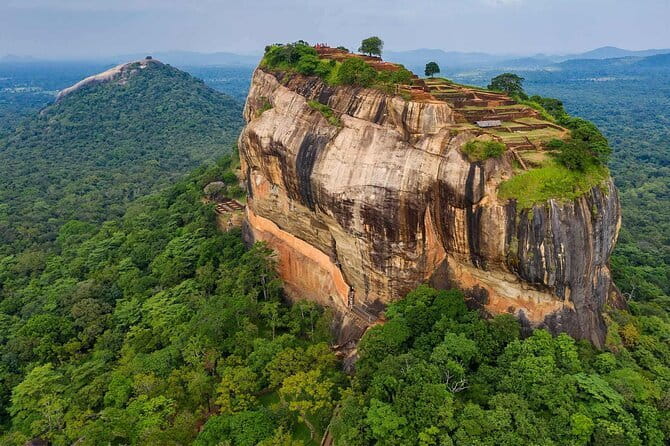
After Namal Pokuna, the route continues to the Blue Water Pond area and then to a meditation cave area. These stops shift the focus from formal monastery remains to the natural spaces used by Buddhist monks.
Dimbulagala is associated with a monastery complex that once had about 500 natural caves for meditating monks. You will not necessarily enter or inspect every cave, of course. The point is that the mountain was not only a place for a single temple structure. Its rock shelters supported a wider religious community.
The meditation caves are likely to be the most personal part of the walk. A stupa shows public worship. A cave suggests silence, retreat, and individual practice. That contrast gives the route its character.
The name Blue Water Pond adds a visual promise, but the supplied information does not explain the pond’s exact color, size, or condition on the day. Go expecting a natural water stop within the forest, not a developed attraction with formal viewing platforms.
This section also marks the move into more rugged walking. From the cave area, you continue through the forest toward the upper part of the mountain. The route is not described with exact distances, trail surfaces, or elevation gain, so anyone with knee, balance, or stamina concerns should ask the operator for current trail details before booking.
A few more options to weigh up in East Coast
- Pottuvil Lagoon Eco Tour : Mangrove Adventure in Arugam Bay
★ 4.8 · 67 reviews - Arugambay :Pottuvil Lagoon Mangrove Eco Boat Safari Tours
★ 4.9 · 48 reviews - Kumana National Park : Private Half-Day Jeep Safari
★ 4.0 · 20 reviews - Polonnaruwa Ancient City Private Day Tour (Hidden Gems)
★ 5.0 · 20 reviews
Walking through the forest to the upper mountain
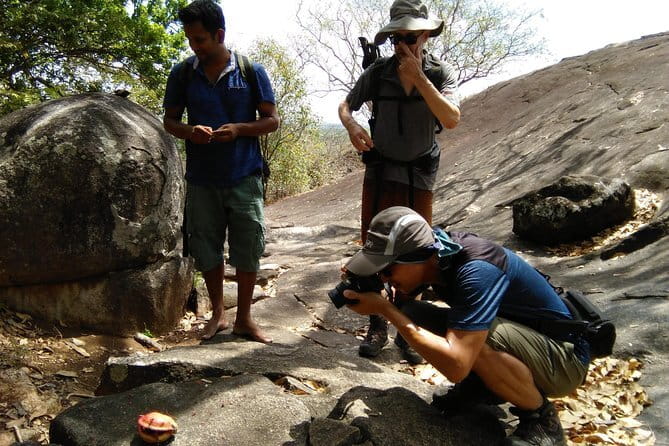
The forest section is where the outing becomes a proper trek. You move between archaeological points rather than following a simple road. That can make the day feel much more rewarding, but it also demands more from you physically.
The stated fitness requirement is moderate. Take that seriously. Six hours is a long time to be on your feet, especially when the route includes an ascent and uneven natural ground. The tour information does not promise an easy stroll.
The private format helps here. Your group can take short pauses and spend more time at a cave or pond if the guide agrees. You should still keep the schedule in mind, since the route must eventually return to the starting point.
Weather is another real consideration. The experience requires good weather, and poor conditions can lead to a new date or a full refund. This is sensible for a forest and mountain route, where rain can change the footing and visibility. Check the forecast before leaving, and use the operator’s weather decision rather than assuming the walk will run in all conditions.
The start time of 9:00 am is useful. It gives you a morning beginning before the day becomes too far advanced, while still allowing time to reach the archaeological sites and upper mountain. The exact return time is not stated, but the full activity lasts about six hours.
Reaching the top for ponds, caves, and views
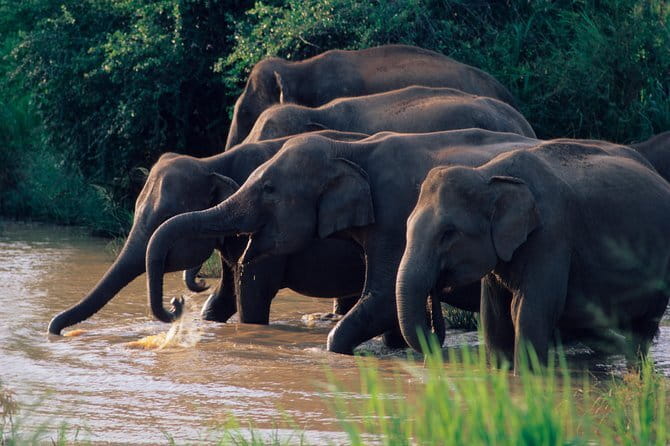
At the upper part of the mountain, the route opens to more ponds, additional meditation caves, and views across the surrounding area. This is the payoff for the forest walk and uphill effort.
The summit section is not only about taking a photograph. The extra caves and ponds show that religious activity extended across the mountain. The site’s importance comes from the relationship between the natural rock, water sources, and places set aside for spiritual practice.
The views also give you a useful sense of place. From above, you can better understand why a mountain retreat offered something different from a city monastery. Height, distance, and natural shelter created quieter conditions for meditation.
The information does not specify exactly how wide the views are or which landmarks you can see. Do not book this expecting a guaranteed panoramic overlook in the style of a built observation deck. Expect open mountain views as part of an archaeological hike.
Take your time here, but remember that the walk back is part of the day. The end point is the original meeting point, not a separate drop-off location.
What the $30 price gets you
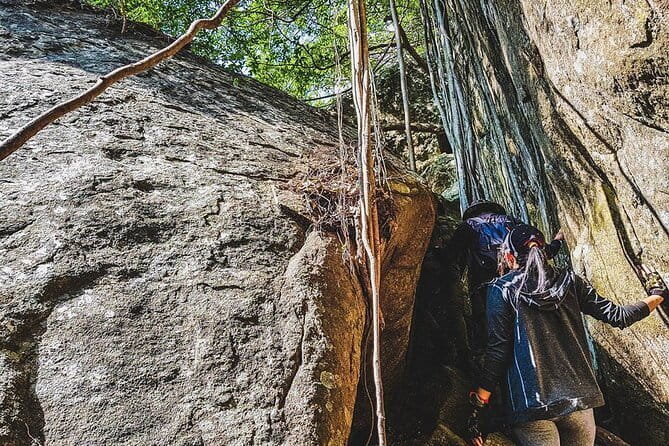
At $30 per person, this is a good-value experience if you want more than a standard visit to Polonnaruwa’s main ruins. You are paying for a private, guide-led outing that combines transport support, a forest trek, several archaeological areas, natural ponds, caves, and a mountain section.
The value is strongest for people who would otherwise struggle to link these sites together. Namal Pokuna, the pond areas, the meditation caves, and the upper mountain are not presented as one quick roadside stop. A guide can help you understand how they relate to one another.
The price is less compelling if you want only a short walk or a single viewpoint. Six hours is a sizeable part of your day, and the physical requirement is real. If your interest is purely in polished monuments with easy paths, the main Polonnaruwa sites may suit you better.
The booking pattern suggests that this experience is often reserved about 10 days ahead. That does not guarantee that every date sells out, but I would avoid leaving it until the last minute if your schedule is fixed.
One published assessment gave the experience top marks and praised the guiding, the ancient monuments, and the value for money. It also described the outing as a journey through ancient heritage and expressed interest in returning. The strongest praise, then, is for the guide’s role and the amount of history covered for the price.
Who will enjoy this Dimbulagala walk

I would recommend this tour to you if you like combining archaeology with outdoor activity. It suits an independent-minded couple, a family with older children who can manage a moderate trek, or a small private group that wants a slower day away from the main city ruins.
It is especially good for:
- People interested in Buddhist monastic sites
- Hikers who prefer historic trails to paved attractions
- Visitors staying around Polonnaruwa
- Small groups that value a private guide
- Anyone wanting caves and ponds as well as statues and stupas
I would be more cautious if you have limited mobility, dislike heat, or want a clearly measured trail with detailed facilities. The available information does not provide accessibility details, exact hiking distances, elevation gain, toilet locations, or food arrangements.
Wear practical walking clothes and shoes suited to forest ground. The supplied details do not state a dress code, but this is a Buddhist site, so modest clothing is a sensible choice. Carry water and leave room in your schedule for pauses.
Booking, cancellation, and weather details
Confirmation is sent within 48 hours of booking, subject to availability. The experience offers free cancellation if you cancel at least 24 hours before the local start time.
Changes or cancellations made less than 24 hours before departure are not accepted for a refund. If bad weather cancels the walk, you can choose another date or receive a full refund. The same choice applies if the minimum number of participants is not reached.
These rules are worth noting because the trek depends on conditions outside your control. Book early enough to secure a date, but keep the 24-hour deadline in mind if your Sri Lanka itinerary is still moving around.
Should you book Trekking Dimbulagala Mountain?
Book it if you want a private half-day that links ancient monastery remains with a genuine forest climb. The route has more variety than a simple mountain walk: you get Namal Pokuna’s stones and structures, a pond once used by monks, Blue Water Pond, natural meditation caves, more caves higher up, and mountain views.
Skip it if you need an easy, short, or highly structured sightseeing visit. The route takes about six hours, requires moderate fitness, and has limited published detail about terrain and facilities.
Before booking, confirm the pickup point and the transfer to Namal Pokuna Rajamahaviharaya, since the location information refers to both Batticaloa and Polonnaruwa. If that detail is clear and you are comfortable with the physical effort, $30 is a sensible price for a private guide-led look at one of the area’s more unusual Buddhist sites.
FAQ
Where does the Dimbulagala trek start?
The meeting point is Polonnaruwa Buddhi Mandapaya Junction, also called 1st Canal Junction, on Main Street in Polonnaruwa. The walking portion begins at Namal Pokuna Rajamahaviharaya.
What time does the tour begin?
The stated start time is 9:00 am.
How long does the experience last?
The trek lasts approximately six hours.
Does the tour include pickup?
Pickup is offered. Because the information gives a Polonnaruwa meeting point and a Namal Pokuna starting point, confirm the exact pickup arrangement before the tour.
Is this a private activity?
Yes. Only your own group participates.
What level of fitness is needed?
You should have a moderate level of physical fitness. The route includes walking through forest and reaching the upper part of the mountain.
Can I cancel for a full refund?
Yes, if you cancel at least 24 hours before the local start time. Poor weather or failure to reach the minimum number of participants may also lead to a different date or a full refund.
Just added in East Coast
- Wasgamuwa National Park Entrance Ticket with Private Safari★ 5.0 · 2 reviews
- Live among swimming elephants and indigenous tribes – Gal Oya National Park★ 5.0 · 1 review
- Maduru Oya National Park Private Safari with Naturalist★ 4.5 · 4 reviews
- Gal Oya National Park Safari★ 5.0 · 1 review
- Minneriya National Park Safari from Polonnaruwa★ 5.0 · 1 review
- Ella Day Tour with Tea Factory visit From Pasikudah★ 5.0 · 1 review
- Sail Lanka Charter – Whale Watching Cruise In Mirissa★ 3.8 · 4 reviews
- Sail Lanka Charter – 01 Night Cruise In Mirissa★ 4.4 · 6 reviews
Hiking & Trekking, compared.
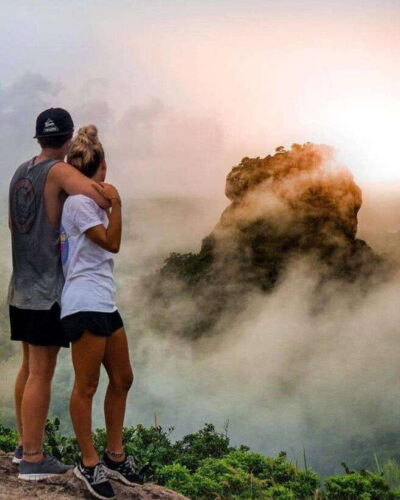
Sunrise or Sunset Hike Pidurangala Rock with Scenic Views
Read our review →
Night Hike to see Elusive & Rare Loris in Sigiriya
Read our review →
Sigiriya Hike & Minneriya Safari Private Full Day Tour
Read our review →
Sigiriya Lion Rock Hike & Minneriya National Park Safari
Read our review →
Tuk-Tuk Safari Liptons seat,Tea Fields Hike,TeaFactory Tour
Read our review →Night Hike to see Elusive & Rare Loris in Sigiriya
Read our review →Browse the lists this tour appears in