
Review · SINHARAJA RAINFOREST TOURS
Sri Lanka: 3-Day Nature Tour with Rainforest, Safari
Three days, four very different worlds. This Sri Lankan nature tour packs rainforest, safari country, and the southern coast into one fast-moving trip. I like the small group of six, which should make early starts and wildlife stops easier to manage, and I like the mix of land and sea experiences, from Sinharaja’s waterfalls to whale watching off Mirissa.
The main trade-off is pace. You leave early, cover long distances, and sleep in two different areas, so this suits you if you want variety more than a slow beach holiday. Lunch is not included, and the sea trip may be rough for anyone prone to seasickness.
In This Review
- Key points to know before booking
- What this three-day route really offers
- Day 1: Sinharaja’s forest trails and waterfalls
- The afternoon transfer to Udawalawe
- Day 2: Yala before breakfast, then on to Mirissa
- Day 3: Whale watching from Mirissa
- Galle Fort, Bentota, and the coastal return
- Meals, hotels, and what you still pay for
- How to prepare for the long days
- Who will get the most from this tour?
- Should you book the three-day nature tour?
- FAQ
- How long is the tour?
- What is the tour price?
- What language does the guide speak?
- How large is the group?
- Are hotel stays and meals included?
- Which national parks are included?
- When is the best time for blue whale sightings?
- What should I bring?
Key points to know before booking
- Sinharaja begins with a rainforest trek: Expect dense forest, endemic birds, rare plants, butterflies, langurs, leeches, and a waterfall stop.
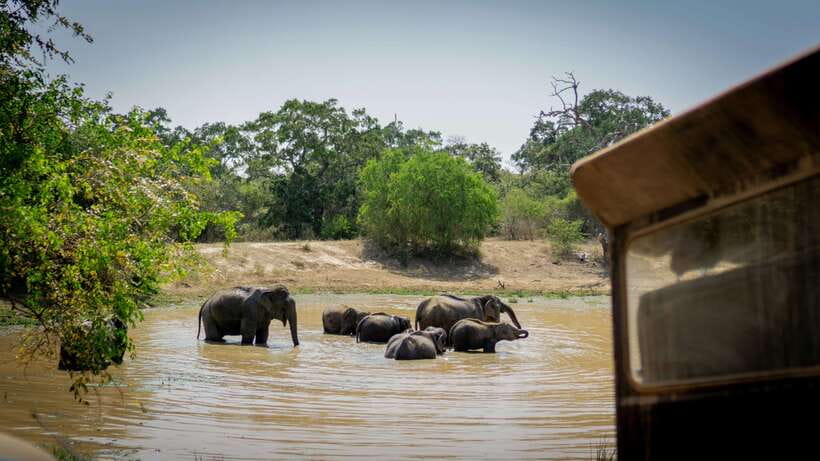
- Udawalawe is your best elephant bet: The afternoon jeep safari lasts about four hours and is included along with the park entrance fee.
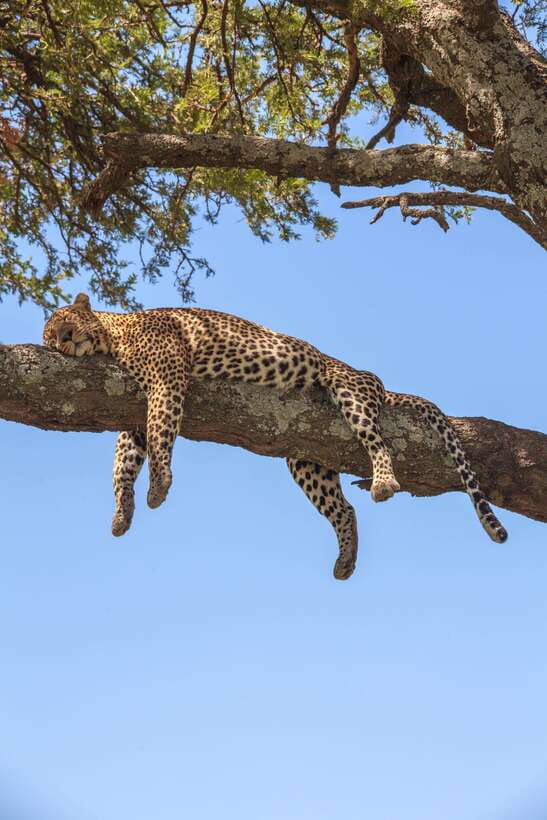
- Yala brings the leopard possibility: An early jeep safari may also produce elephants, crocodiles, deer, and many bird species.
- Guide flexibility matters: Guide Faway adjusted the route for Frank, using a less crowded park entrance that led to a calmer leopard sighting.
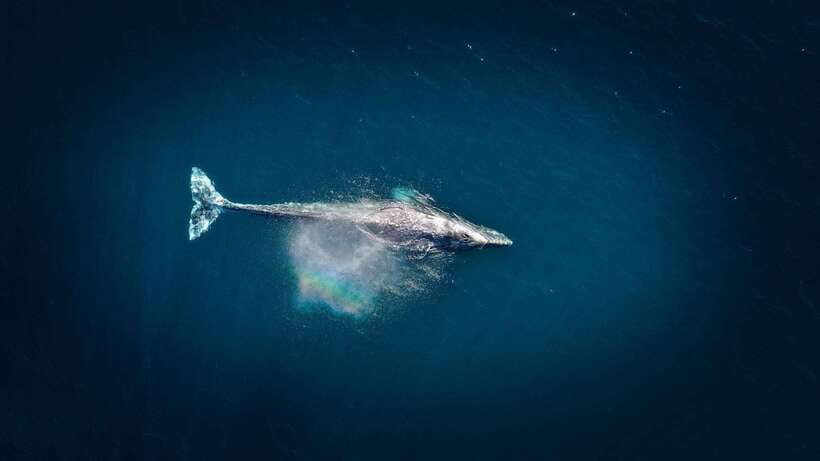
- Mirissa adds a marine focus: The early whale watching trip may bring blue whales, sperm whales, and dolphins, with January through April noted as the best period for blue whales.
- The final day keeps going: Galle Fort, a Bentota river safari, coastal stops, and a sea turtle conservation project fill the route back to Colombo.
What this three-day route really offers
At $584 per person, this is not a bargain-basement excursion. It is a packed, multi-stop nature trip with two nights in standard hotels, breakfasts and dinners, park fees, jeep hire, a rainforest guide, a whale-watching boat, and a river safari.
That price makes more sense if you want someone else to organize the transport and timing. On your own, you would need to arrange several long drives, three separate wildlife or nature outings, accommodation, park access, and boats. The value is strongest for a first visit when you want to see many sides of southern Sri Lanka without building the route yourself.
Still, this is a lot for three days. The schedule favors seeing more rather than resting. You should expect short nights, especially because the best safari and whale-watching hours come early. If you have only a brief window in Sri Lanka and want a strong sample of its natural attractions, the pace may feel worthwhile. If you want unhurried time at the beach, it will feel crowded.
The English-speaking guide and group limit of six are important advantages. A smaller vehicle group can make communication easier and may give your guide more room to respond to your interests. Frank’s experience with Faway is a useful example: he asked to visit a less crowded part of Yala, and the guide arranged a route using a more distant entrance. That took extra effort, but it resulted in fewer vehicles and a leopard sighting without the usual pressure.
You should not assume every route will be changed in the same way. But the example shows why it is worth telling your guide early what matters most to you, such as birds, elephants, leopards, plants, or photography.
More Sinharaja rainforest walks:
- Sinharaja Rainforest Trip
★ 5.0 · 7 reviews - Sinharaja Rainforest Tour
★ 5.0 · 54 reviews - Sinharaja Rainforest Private Half Day Tour with Licensed Guide
★ 5.0 · 39 reviews
Day 1: Sinharaja’s forest trails and waterfalls
The first morning starts with a drive from Colombo to Sinharaja Forest Reserve. The stated driving time is about two hours, followed by a guided walk in this UNESCO World Heritage Site and major biodiversity area.
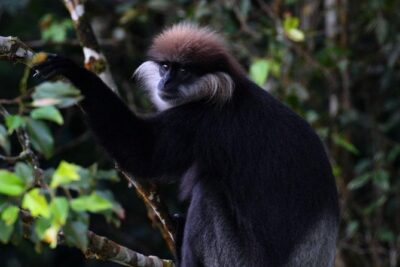
Sinharaja is the trip’s most intimate nature experience. You are not simply watching animals from a jeep. You are walking beneath the forest canopy, looking for small signs of life and learning about the plants around you. The tour calls attention to endemic birds such as the Sri Lanka blue magpie and red-faced malkoha, as well as rare orchids and medicinal plants.
That kind of outing rewards patience. Birds can be harder to spot than elephants, and the forest may feel more about sound, leaves, and movement than guaranteed sightings. Your guide matters here, since a trained eye can help you notice wildlife that you would otherwise walk past.
The forest also brings practical discomforts. Leeches are harmless but can be annoying, so leech socks are an important item, not a minor extra. Wear comfortable shoes, long practical clothing if possible, and use insect repellent. The provided information specifically asks you to avoid touching plants, feeding animals, smoking, and plastic bottles.
A waterfall stop gives the morning a welcome change of pace. You can cool off with a swim, but non-swimmers should not book this trip. Bring swimwear and a towel if you plan to enter the water, and keep your camera protected around wet areas.
The forest portion has a physical side that should not be underestimated. People with back problems and wheelchair users are advised against taking part. Even without a serious mobility issue, you should be comfortable walking on uneven, damp ground.
The afternoon transfer to Udawalawe
After Sinharaja, the route continues toward Udawalawe National Park. The afternoon jeep safari begins at about 2:00 pm and lasts around four hours, giving you a second nature experience on the same day.
Udawalawe is presented as the place to focus on wild elephants. That makes it a useful contrast with Sinharaja, where the rewards are smaller birds, plants, insects, and forest detail. In Udawalawe, you are looking across open country from a safari vehicle, hoping to see large animals moving through the park.
The entrance fee and jeep hire are included, which keeps the afternoon simple. You should still bring water, sun protection, and a camera. A hat and sunscreen matter more here than they do under heavy forest cover.
The schedule is demanding. You have a forest trek, a transfer, and a four-hour jeep outing on day one, then an early safari the next morning. The overnight stay is described as being in Yala, with two nights in standard hotels included across the tour. Exact hotel names are not provided, so you should treat the accommodation as practical rather than a major feature of the trip.
Day 2: Yala before breakfast, then on to Mirissa
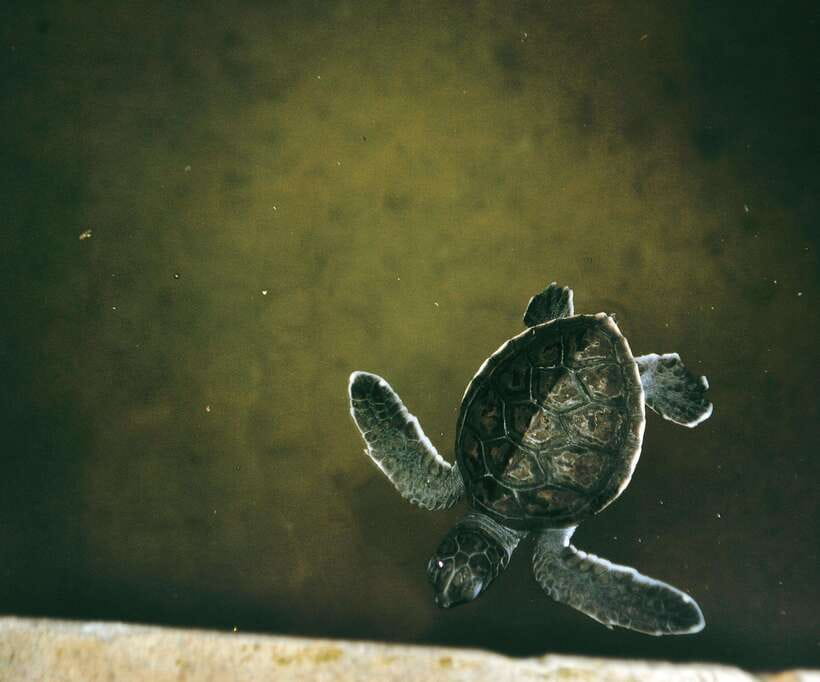
Yala National Park is the second major safari stop and the place where leopard sightings become the headline possibility. The morning jeep safari starts early, which is useful because wildlife activity is often better in cooler hours. The tour also notes elephants, crocodiles, deer, and more than 200 bird species.
Yala is not a guaranteed leopard show. That is worth saying plainly. You may see one, as Frank did, but wildlife remains unpredictable. The strongest part of the arrangement is the chance to tell the guide what kind of experience you want and, if practical, avoid the most crowded route.
Frank’s outing with Faway offers a particularly helpful lesson. He requested a quieter section of the park, and the driver used a more distant entrance. The extra driving effort paid off with fewer vehicles and a leopard sighting that felt less rushed. He also saw elephants, deer, and other animals. You cannot demand the same result, but you can ask about less crowded areas before setting out.
The early start also means you need to manage your expectations about sleep. This is a tour of early alarms, not lazy mornings. If you are photographing wildlife, bring a camera with enough battery power and storage, since the safari and whale trip both create long stretches when you may want to keep shooting.
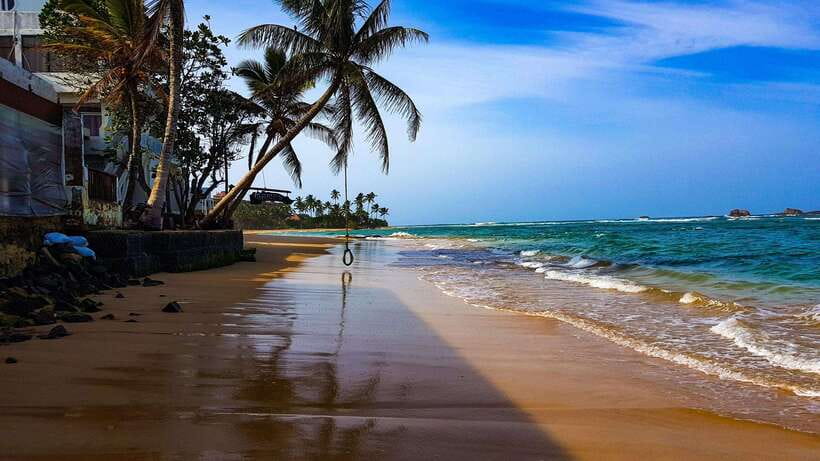
After Yala, you drive to Mirissa and check into the hotel. The afternoon is described as leisure time, which is welcome after two wildlife outings and several hours on the road. This is your best chance to slow down, walk near the beach, or simply rest before the next early start.
A few more options to weigh up in Hikkaduwa
- Hikkaduwa/Galle/Weligama/Mirissa/Tangalle: Yala Safari Tour
★ 4.8 · 263 reviews - Galle/Mirissa/Tangalle: Transfer to Ella & Yala Safari
★ 4.8 · 235 reviews - Hikkaduwa/Galle/Mirissa/Hiriketiya/Tangalle:Day Trip to ELLA
★ 4.8 · 171 reviews - The Most Recommended Round Tour in Sri Lanka
★ 5.0 · 116 reviews
Day 3: Whale watching from Mirissa
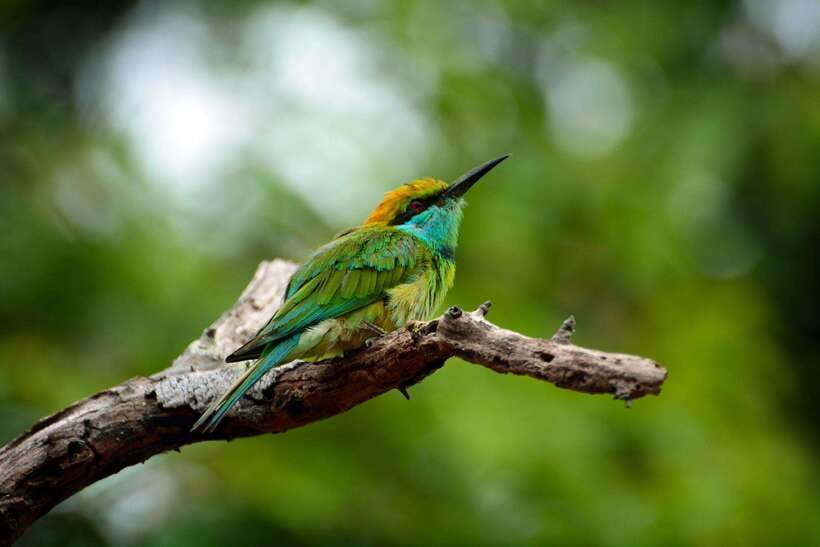
The third morning turns from forests and parks to the Indian Ocean. You board an early whale-watching boat from Mirissa, with blue whales, sperm whales, and dolphins listed as possible sightings.
Sri Lanka is identified as one of the best places to look for blue whales, and January through April is given as the best period for them. That seasonal detail matters. If whales are your main reason for booking, try to schedule this trip within that period, while remembering that no marine outing can promise a sighting.
The tour also includes an explanation of marine conservation efforts. That adds useful context to the boat ride, since you are not only scanning the water for a large animal. You are also learning about the pressures facing marine life and the work intended to protect it.
The sea is the least predictable part of the tour. People prone to seasickness should avoid booking, and non-swimmers are also listed as unsuitable. Bring water, sunscreen, a hat, and your camera, but protect electronic equipment from spray. The early departure can be tiring after the safaris, so a good night’s rest in Mirissa matters.
Galle Fort, Bentota, and the coastal return
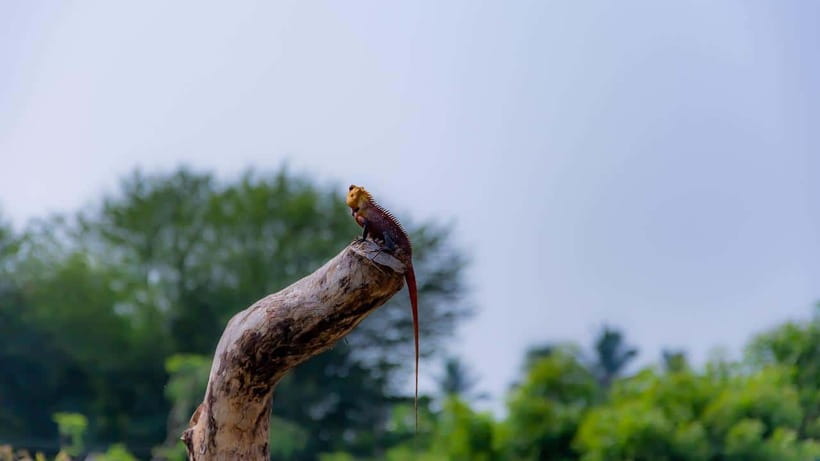
After whale watching, the route heads back toward Colombo through Galle, Hikkaduwa, and Bentota. This turns the final day into more than a simple transfer.
In Galle, you receive a guided tour of Galle Fort. It is a useful change after several nature-heavy activities, giving you a chance to walk through one of the south coast’s best-known historic areas. The stop is guided, but the amount of free time is not specified, so do not assume you will have a long independent visit.
Bentota brings another boat experience, this time on the river. The included boat safari adds mangrove and water scenery to the forest, park, ocean, and beach settings already covered. The tour also includes coastal exploration, golden beach time, and a visit to a sea turtle conservation project.
Hikkaduwa is included as an en-route coastal stop, though the exact timing and activities there are not stated. You should think of these locations as part of a scenic return journey rather than separate full excursions. The day has a lot in it, and the final arrival time in Colombo is not provided.
This last section is valuable because it prevents the tour from becoming a string of wildlife drives. You see the coast from several angles, including beach, river, and historic fort. The drawback is that each stop receives only part of a day, so you should not book this expecting a slow, detailed visit to every town.
Meals, hotels, and what you still pay for
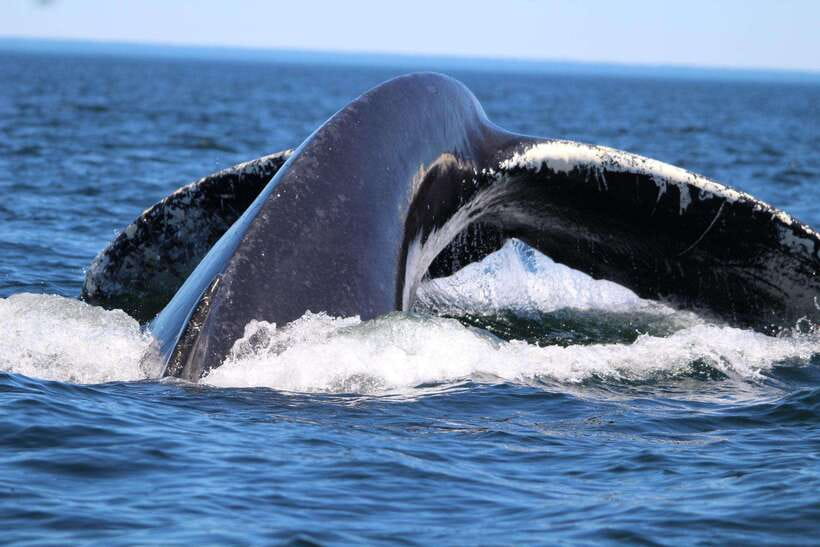
Two nights in standard hotels are included, along with two breakfasts and two dinners. Lunch is not included, and you should budget separately for meals, drinks, snacks, and personal purchases.
The inclusion list is broad. It covers hotel pickup and drop-off, the Sinharaja entrance and guide, the Udawalawe and Yala entrance fees, both safari jeep hires, the guided forest walk, the waterfall activity, the whale-watching boat, the Bentota boat safari, coastal activities, and the turtle conservation visit.
That package reduces the number of small costs you need to handle during a very busy trip. It also means the $584 price is easier to justify for someone who values convenience and coordinated transport. The price is less attractive if you mainly want beach time or if you already have a car, accommodation, and park arrangements in place.
Because hotel details are not supplied, I would contact the operator if room standards or location matter to you. The accommodation is described as standard, so keep your expectations practical.
How to prepare for the long days
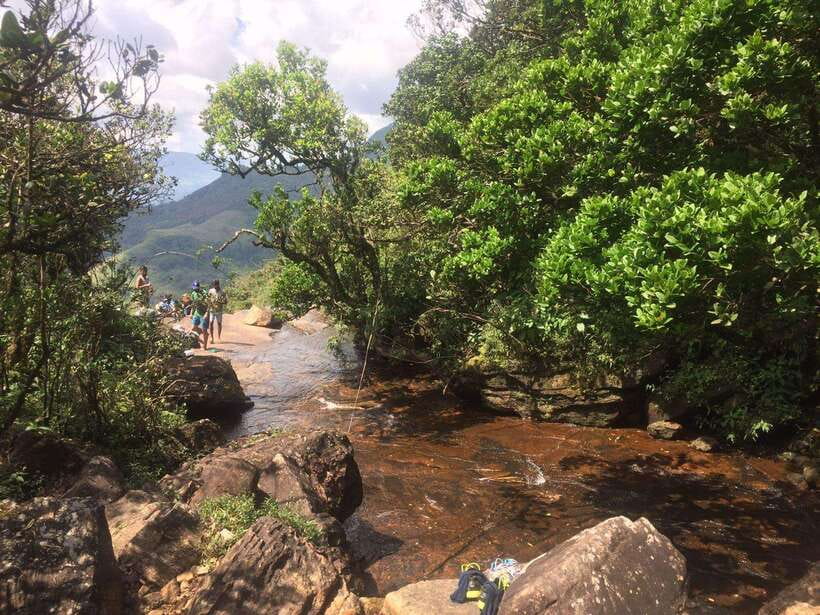
Pack light, but pack for several settings. Your useful basics are comfortable shoes, swimwear, a hat, sunscreen, water, insect repellent, and a camera.
Leech socks are the one item I would not skip for Sinharaja. They address a specific nuisance and can make the forest walk more comfortable. You should also avoid plastic bottles, since plastic is not allowed on the activity, and never feed animals or touch plants.
This is not a good choice if you have back problems, use a wheelchair, cannot swim, or often become seasick. The forest walk, safari vehicle movement, waterfall stop, and boat rides each create physical demands. The small group helps with personal attention, but it does not remove those demands.
The English-language format is straightforward, and the maximum group size is six. Free cancellation is available up to 24 hours before the start for a full refund, and you can reserve now and pay later. Those policies make the booking less risky if your wider Sri Lanka plans are still changing.
Who will get the most from this tour?
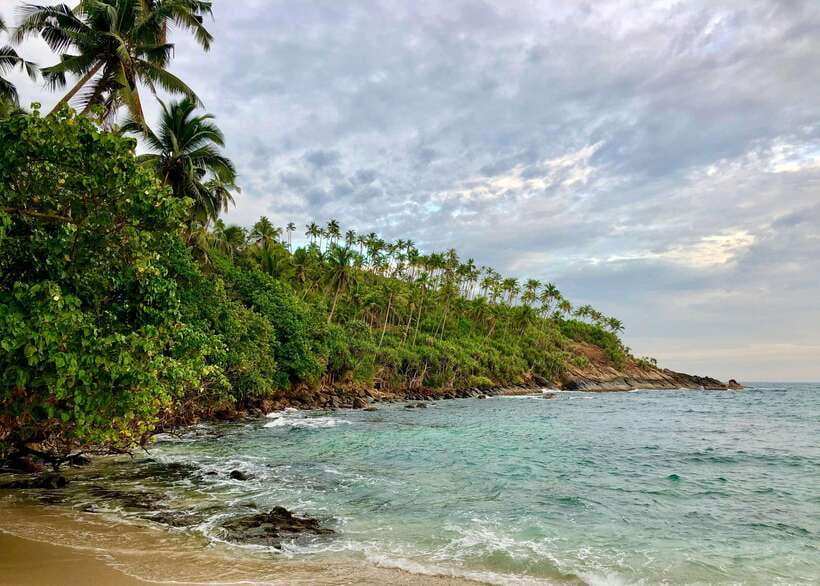
I would choose this trip if you want a concentrated introduction to Sri Lanka’s natural attractions. You get a forest walk, two national park safaris, a whale trip, a river safari, a beach, a fort, and a conservation visit in three days.
It is especially suited to you if leopards and elephants are high on your list, but you also want birds, plants, whales, and coastal scenery. The route has enough variety to keep a curious first-time visitor interested.
I would think twice if your priority is rest. The early departures are a defining part of the experience, not a one-off inconvenience. You also spend plenty of time moving between places, and the final day is still active after the whale trip.
The most praised part of the experience is the guide’s willingness to respond to individual requests. Faway’s decision to use a quieter Yala entrance required more work but helped create a calmer leopard sighting. That kind of flexibility can be worth a great deal on a wildlife trip, where crowds can change the feel of an encounter.
Should you book the three-day nature tour?
Book it if you want maximum variety in minimum time, accept early mornings, and value having transport, guides, park fees, boats, and hotels arranged for you. The combination of Sinharaja, Udawalawe, Yala, Mirissa, Galle, and Bentota gives you a broad taste of southern Sri Lanka for $584 per person.
Skip it if you want a relaxed coastal break, dislike long drives, or struggle with rough boat conditions. If you do book, bring leech socks, protect yourself from the sun and insects, and tell Faway or the tour team what matters most to you before the safari begins. That small conversation may shape the day in a useful way.
FAQ
How long is the tour?
The experience lasts three days and includes two nights in standard hotels.
What is the tour price?
The listed price is $584 per person.
What language does the guide speak?
The live tour guide operates in English.
How large is the group?
The tour is limited to six participants.
Are hotel stays and meals included?
Two nights in a standard hotel, two breakfasts, and two dinners are included. Lunch is not included.
Which national parks are included?
The route includes Udawalawe National Park and Yala National Park. It also includes entry to Sinharaja Forest Reserve.
When is the best time for blue whale sightings?
January through April is identified as the best period for seeing blue whales.
What should I bring?
Bring comfortable shoes, a hat, swimwear, a camera, sunscreen, water, insect repellent, and leech socks for Sinharaja.
Just added in Hikkaduwa
- Sri Lankan Cooking with Tricks★ 5.0 · 1 review
- Private Transfer and Whale Watching Tour from Hikkaduwa and Galle★ 5.0 · 1 review
- Udawalawa National Park Safari trip from Hikkaduwa/Galle/Weligama★ 4.5 · 7 reviews
- Surfing Lessons★ 4.5 · 7 reviews
- Airport Transfer by Hikkaduwa Taxi Service★ 5.0 · 5 reviews
- Sinharaja Rainforest Trip★ 5.0 · 7 reviews
- One Day Udawalawe Safari from Galle/Mirissa/Unawatuna/Hikkaduwa★ 5.0 · 10 reviews
- Hikkaduwa/ Galle/ Mirissa : With Udawalawe safari – Day trip★ 5.0 · 2 reviews
Sinharaja Rainforest Tours, compared.

Sinharaja Rainforest Private Half Day Tour with Licensed Guide
Read our review →
Sri Lanka Sinharaja Rain Forest Tour with Transport
Read our review →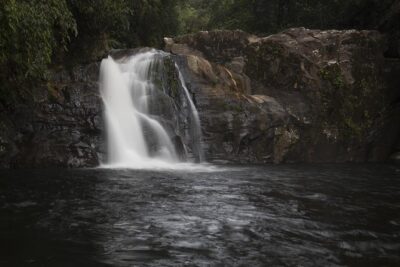
Sinharaja’ rainforest – Discovery Tour (half day)
Read our review →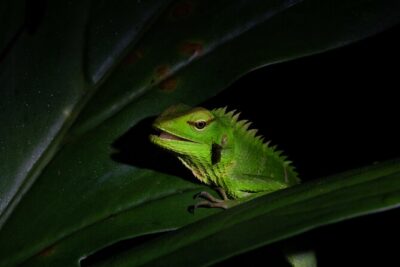
Sinharaja Rainforest Day Tour By Rainforest Expedition
Read our review →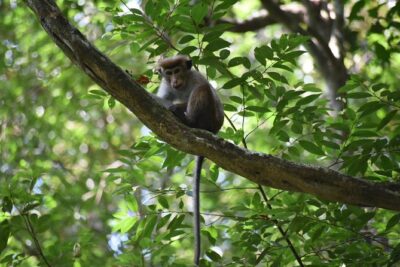
Browse the lists this tour appears in