
Review · KANDY TOURS
Sri Lanka: Ceylon Cinnamon Experience & Spice Garden Tour
Cinnamon tells Sri Lanka’s story. At Warala Watta Farm, you walk among spice plants, watch cinnamon bark become neat quills, and taste the results in a small working farm setting. I like the hands-on cinnamon making, where you can try shaping a cinnamon roll yourself. I also like the fresh spice and fruit tasting, which turns familiar ingredients into a lively lesson.
The main drawback is practical: you must arrange your own transport, and the garden is not suitable for wheelchair users or people with mobility impairments. The three-hour visit includes walking outdoors, so comfortable shoes, water, sunscreen, and insect repellent matter. The small group limit of 10 should make it easier to ask questions, and guides including Roha and Dilan are praised for their warm, welcoming approach.
In This Review
- Key points at a glance
- Arriving at Warala Watta Farm
- The spice garden walk, from cinnamon to cardamom
- The Ceylon cinnamon process, step by step
- Tasting fresh spices, fruit, and tea
- The sensory challenge and farm-to-table lesson
- Inside the spice processing factory
- Guides, group size, and the feel of the visit
- Is $20 good value?
- Who should book this experience?
- Should you book the Warala Watta spice tour?
- FAQ
- How long does the Ceylon Cinnamon Experience and Spice Garden Tour last?
- How much does the tour cost?
- Is transportation to Warala Watta Farm included?
- What language is the tour conducted in?
- What is included in the tour?
- Can I make cinnamon myself?
- Is the tour suitable for wheelchair users?
- What should I bring?
Key points at a glance
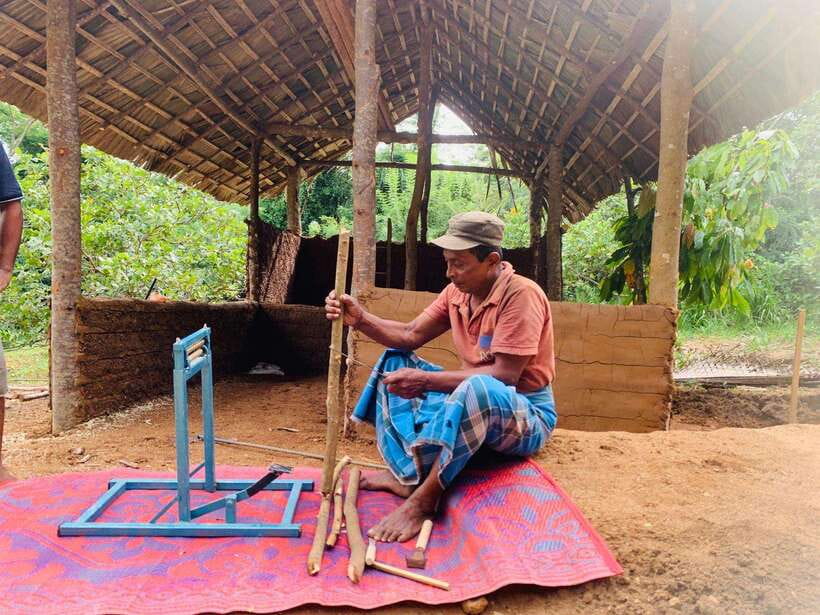
- Make a cinnamon quill yourself: See bark peeled, rolled, and prepared, then take part in the traditional process.
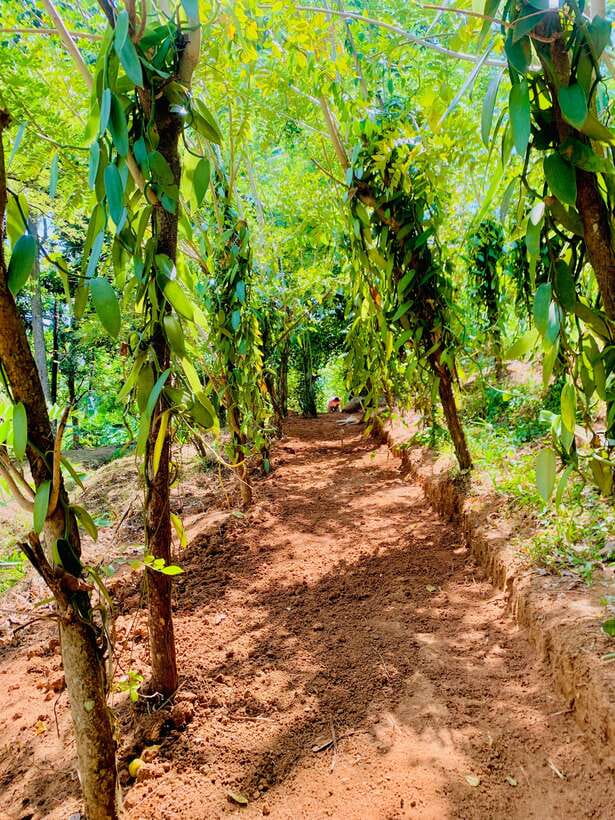
- Walk through a working spice garden: Learn about cinnamon, black pepper, cloves, cardamom, and other Sri Lankan plants where they grow.
- Taste spices in several ways: Sample fresh garden spices, tropical fruit with spice blends, and local tea.
- Visit the processing factory: Follow cinnamon and other spices from farm work to preparation and quality checks.
- Expect a personal visit: Groups are limited to 10, and solo visitors may receive especially close attention if numbers are low.
- Plan your transport carefully: Getting to and from Warala Watta is not included, so this works best as part of a day plan in Central Province.
Arriving at Warala Watta Farm
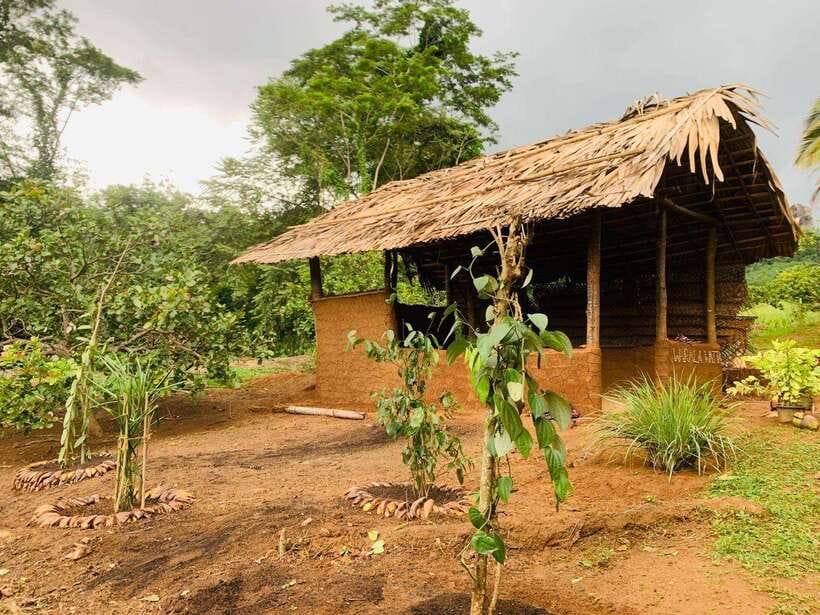
Warala Watta Farm Spice Garden and Organic Farm is not simply a display garden with labels beside plants. It is presented as a working farm and processing site, which gives the visit a useful sense of purpose. You are seeing plants connected to real cultivation, harvesting, preparation, and sale.
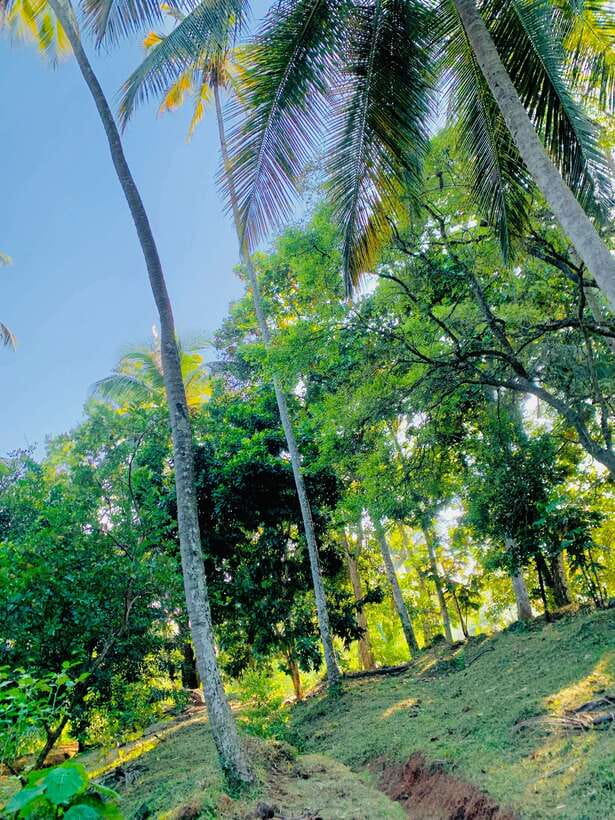
The setting is a peaceful plantation in Sri Lanka’s Central Province. Your three hours are split between outdoor walking, demonstrations, tasting, and the factory visit. That variety keeps the tour moving, though you should not treat it as a passive sightseeing stop. You will spend time on your feet and outdoors.
Because transportation is not included, you need to arrange a tuk-tuk, taxi, or other local ride independently. The activity information does not give a pickup service, so check the route before booking and allow enough time to arrive. If you are building a busy day around Kandy or another nearby base, confirm the travel time rather than assuming the garden is close by.
The garden asks you not to touch plants unless invited to do so. That rule protects the crops and keeps the visit respectful. Wear shoes that can handle uneven outdoor paths, and bring a hat, sunscreen, water, and insect repellent.
A few more options to weigh up in Kandy
- Kandy Private Guided City Tour by Tuk Tuk
★ 4.9 · 1,307 reviews - From Kandy: Sigiriya Rock & Dambulla Cave Temple Adventure
★ 4.9 · 785 reviews - Kandy Village Cooking Class
★ 5.0 · 536 reviews
The spice garden walk, from cinnamon to cardamom
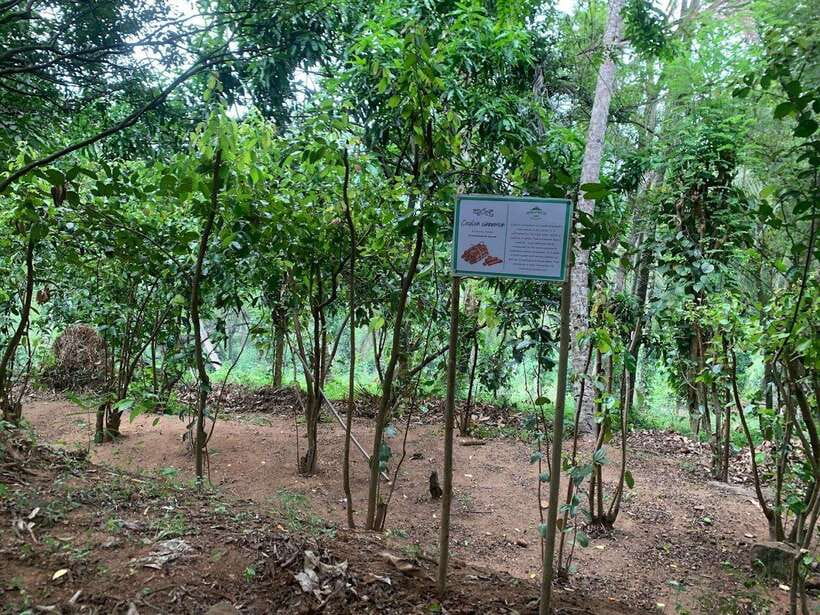
The guided walk introduces you to several spices associated with Sri Lankan cooking and trade. Cinnamon is the main subject, but the route also includes black pepper, cloves, cardamom, and other local spices.
A good guide makes this section more than a plant-spotting exercise. You learn how each spice is grown, what part of the plant is used, and how it fits into food or traditional medicinal practices. The value is in seeing the connection between an ordinary kitchen jar and a living plant.
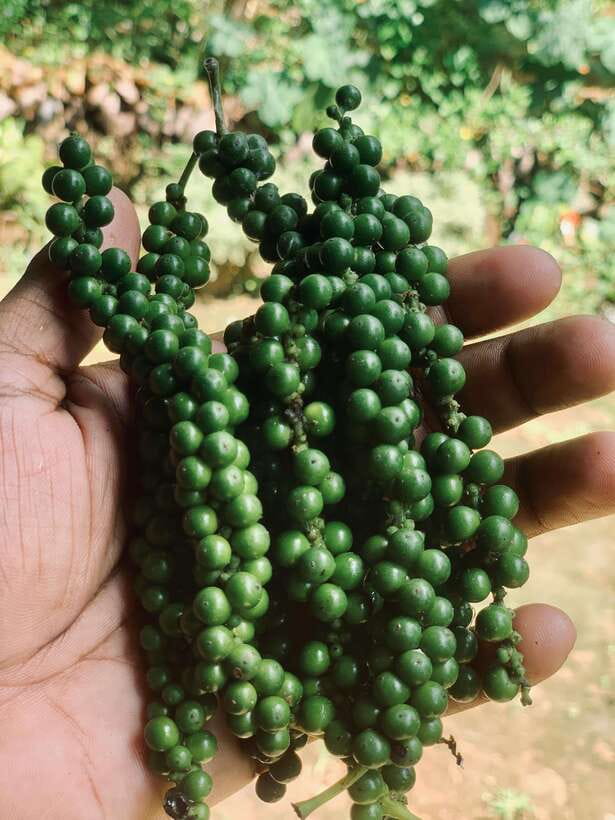
Black pepper is a useful example. At home, you may know it only as ground powder or small peppercorns. In a garden setting, you can begin to understand that the spice comes from a plant with its own growing needs and harvesting process. The same change in perspective applies to cloves, cardamom, and cinnamon.
The walk also brings out the difference between fresh and processed ingredients. Fresh leaves, bark, fruit, and seeds have smells and textures that disappear once they are dried, ground, or sealed in a packet. I would pay close attention to the guide’s descriptions here, since this is where the farm setting gives you something a shop cannot.
The walk is not ideal for everyone. People with mobility impairments may find the outdoor route difficult, and the experience is specifically listed as unsuitable for wheelchair users. Pregnant women are also advised not to book. The garden’s no-smoking rule applies throughout the premises.
The Ceylon cinnamon process, step by step
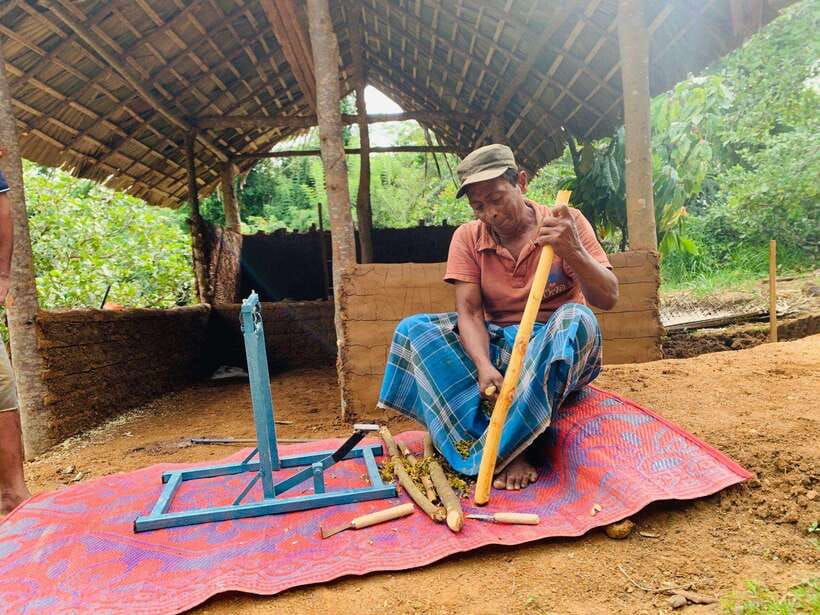
The cinnamon demonstration is the heart of the visit. You see how cinnamon is harvested and prepared, beginning with the removal of the outer bark. The inner bark is then worked into the familiar rolled quills.
This is a slow, skilled task. It helps explain why good cinnamon is not just a powder that appears in a packet. The guide shows the stages from peeling bark to processing the spice, and you can take part in making a cinnamon roll. That hands-on moment is the part most likely to stay with you after the tour.
You should expect a traditional demonstration rather than a polished cooking class. The point is to understand the work and handle the material yourself. If you have never seen cinnamon in its original form, the contrast between rough bark and finished quill is striking.
The experience also gives useful context for buying cinnamon later. You can see what the quills look like before they are packed, ground, or sold. That does not turn you into a spice expert in three hours, but it gives you a better eye for the product and a clearer reason to value careful processing.
Photography is allowed for personal use, so bring a camera if you enjoy recording practical details. Still, keep your attention on the demonstration. The best part is watching the hands and tools at close range, then trying the motion yourself.
Tasting fresh spices, fruit, and tea

The tasting session shifts the focus from production to flavor. You sample fresh garden spices and discuss how they are used, along with their stated health associations. You also taste tropical fruit with selected Sri Lankan spice combinations.
This is a smart part of the tour because it gives you an immediate way to compare ingredients. A spice can smell strong but taste mild, or seem familiar until it is paired with fruit. The fruit tasting shows how Sri Lankan seasoning can change a sweet, juicy ingredient without burying its natural flavor.
You may also sample local tea with spices. The information provided does not list every tea or fruit served on a particular day, so the exact selection can vary. Think of this as a seasonal tasting rather than a fixed restaurant menu.
The tasting is included in the $20 price, which improves the value considerably. You are not paying only for a garden walk. The price also covers the cinnamon activity, spice tasting, tropical fruit tasting, and factory visit.
One practical point: this is not a full meal. Meals are not included, so plan lunch or another substantial snack separately. If you have allergies or dietary restrictions, it would be sensible to explain them to the guide before tasting, although the activity information does not state how special diets are handled.
A different kind of day out entirely:
- Kandy to Ella Train Tickets – Reserved Seats
★ 4.5 · 523 reviews - From Kandy: Pinnawala Day Tour
★ 4.8 · 331 reviews - Kandy to Ambuluwawa & Kandy City Guided Tuk Tuk Day Tour
★ 4.8 · 270 reviews - Day tour to Sigiriya & Dambulla from Kandy
★ 5.0 · 252 reviews
The sensory challenge and farm-to-table lesson
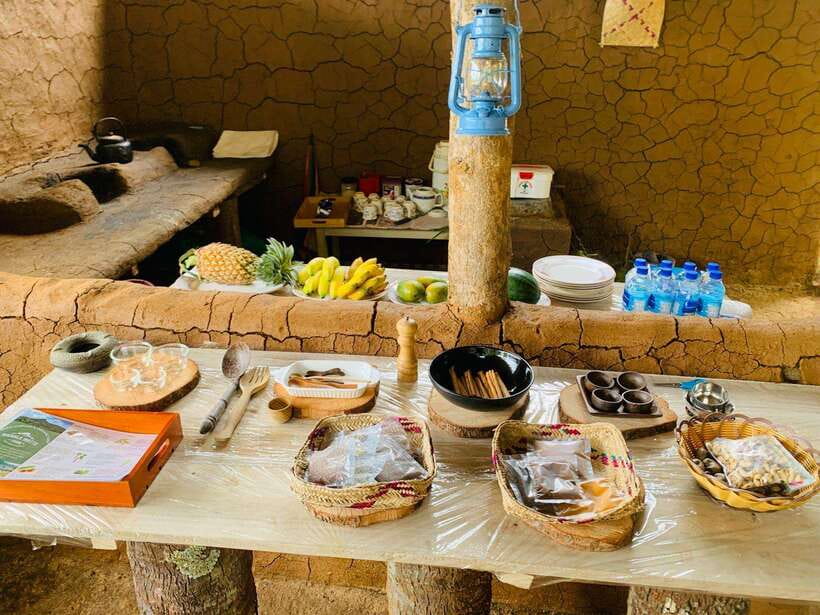
The garden also offers a sensory activity in which you identify spices through smell, taste, and touch. This adds a little play to what could otherwise be a fairly serious agricultural talk.
I like this format for families, couples, and curious first-time visitors because it asks you to use your senses rather than simply listen. It also makes clear how much information is lost when spices are reduced to anonymous powders. A whole spice has shape, scent, and texture before it reaches your kitchen.
The farm-to-table element links the garden to sustainable farming. You hear about organic methods, seasonal harvesting, and the path from freshly picked ingredient to food or drink. The supplied details do not promise that every plant will be harvested during every visit, so seasonal activities may not always be available.
That uncertainty is not a major flaw. In fact, it is more honest than pretending agriculture runs on a fixed show schedule. The garden is a farm, and farms change with the season. If harvesting is taking place during your visit, you may see a more active side of the work. If not, the guided explanation and processing stages still carry the tour.
Inside the spice processing factory
The factory visit gives the experience a useful second half. After seeing plants and traditional cinnamon work, you follow the processing journey and learn about quality assurance.
This stop helps answer a question that garden tours often leave hanging: what happens after harvest? The factory section shows that spice production involves more than growing a plant and putting it in a bag. Preparation, handling, and checking quality all affect what reaches the customer.
The factory is also where you can connect the cinnamon demonstration to the larger operation. The outdoor walk shows the source, the hands-on activity shows a traditional method, and the factory explains the later stages. Together, these parts form a clearer picture of Sri Lankan spice production.
Do not expect a large industrial attraction. The appeal is the chance to see a local farm and factory that has opened its working world to visitors. That makes the visit feel more direct than a purely commercial spice shop, though the exact machinery and scale are not specified.
A shop on the farm may sell cinnamon, cloves, black pepper, chili powder, and other spices. Prices have been described as fair, but shopping is optional and not part of the listed inclusions. If you buy something, pack it carefully and check any customs rules that apply when you return home.
Guides, group size, and the feel of the visit
The tour is conducted in English with a live guide. Groups are limited to 10 people, a useful size for a demonstration where you need to see bark being peeled and may want to try the process yourself.
The staff, including Roha and Dilan, receive especially warm praise for their welcome and care. That matters more here than it would on a simple lookout stop. A spice tour depends on explanation, questions, smells, and small details. A friendly guide can make the difference between looking at plants and understanding them.
Solo visitors may appreciate the small-group format most. One solo woman described feeling safe and well looked after during a private-feeling visit. That is encouraging, though group numbers will vary on the day.
The tour is listed as three hours, while one visit lasted about two and a half hours. Allow the full three hours in your schedule, especially if you plan to browse the shop or spend time taking photographs. Starting times depend on availability, so check before you build the rest of your day around it.
Is $20 good value?
At $20 per person, I consider this strong value if you want more than a quick stop at a spice shop. The price includes five substantial parts:
- Guided spice garden walk
- Ceylon cinnamon activity
- Farm-to-table spice tasting
- Tropical fruit tasting with Sri Lankan spices
- Spice processing factory visit
You are also getting a small-group English guide and a three-hour visit. The cost does not include transport or a meal, so the final expense will be higher once you add your ride and food.
Still, the mix is broad. You get nature, agriculture, food, craft, and production in one outing. The value is particularly good for anyone who enjoys knowing how local products are made rather than simply buying them after the fact.
I would not book this solely for dramatic scenery or a major historical site. The reward comes from close observation and participation. If you want a relaxed garden stroll with a few tastings, this fits. If you dislike outdoor walking, farm settings, or guided demonstrations, the price will not rescue the experience.
Who should book this experience?
I would recommend it to food lovers, home cooks, photographers, families with older children, and anyone curious about how spices move from plant to pantry. It is also a good choice for solo visitors who value a small group and a friendly guide.
The cinnamon activity gives the tour a clear focus, while the other spices and tastings keep it from feeling repetitive. You do not need specialist knowledge. In fact, the visit works best if your current understanding of cinnamon is simply that it comes in a jar.
I would think twice if you have limited mobility, are pregnant, or need wheelchair access. The experience is not suitable for those groups. You should also reconsider if you need a full meal, hotel transport, or a tightly timed half-day with no room for local driving.
For the best visit, wear walking shoes and light practical clothing. Bring water, a hat, sunscreen, insect repellent, and a camera. Smoking is not allowed, and you should avoid touching plants unless the guide gives permission.
Should you book the Warala Watta spice tour?
Book it if you want a friendly, practical look at Sri Lankan spice culture, especially if making a cinnamon quill sounds more appealing than simply hearing a lecture about cinnamon. The mix of garden, tasting, hands-on work, and factory viewing gives the $20 fee real substance.
Skip it if you need easy access, included transport, or a formal meal. Otherwise, this is a worthwhile three-hour addition to a Central Province itinerary. Arrange your ride first, leave space in your schedule, and come ready to smell, taste, walk, and work with one of Sri Lanka’s signature spices.
FAQ
How long does the Ceylon Cinnamon Experience and Spice Garden Tour last?
The tour is scheduled for three hours. One visit took about two and a half hours, so you should allow the full three hours when planning your day.
How much does the tour cost?
The listed price is $20 per person. Transportation to and from the garden and meals are not included.
Is transportation to Warala Watta Farm included?
No. You need to arrange your own transport to and from the spice garden.
What language is the tour conducted in?
The tour is conducted in English with a live guide.
What is included in the tour?
The price includes the guided spice garden walk, Ceylon cinnamon experience, farm-to-table spice tasting, tropical fruit tasting with Sri Lankan spices, and factory visit.
Can I make cinnamon myself?
Yes. You can see the traditional process from peeling bark to preparing cinnamon quills, and you can take part in making a cinnamon roll.
Is the tour suitable for wheelchair users?
No. The experience is listed as unsuitable for wheelchair users and people with mobility impairments.
What should I bring?
Bring comfortable walking shoes, a hat, sunscreen, water, a camera, and insect repellent. Smoking is not permitted in the garden.
Just added in Kandy
- Day Tour of Nuwara Eliya★ 5.0 · 3 reviews
- Full day Kandy City Tour by Tuk Tuk★ 5.0 · 1 review
- Day Tour Kandy to Sigiriya with Dambulla Cave Temple Excursion★ 5.0 · 3 reviews
- Day Tour for Outdoor and Adventure Lovers★ 4.5 · 4 reviews
- Culture Tour in Kandy★ 5.0 · 1 review
- Dambulla, Sigiriya and Pidurangala Tour from Kandy★ 5.0 · 9 reviews
- Ambuluwawa Tower and Kandy City Tuk Tuk Tour with Epic views★ 5.0 · 9 reviews
- Kandy to Nallathanniya (Climb Adams Peak)★ 5.0 · 1 review
Kandy Tours, compared.




Kandy to Sigiriya Day Tour and Dambulla cave temple with private vehicle
Read our review →
Browse the lists this tour appears in