Review · TOURS
Tea Fields & Factory Tour
Tea has a human side. This Hatton tour follows a leaf from tea field to teapot, combining a walk through the rows, a meeting with tea pluckers, and a factory visit. I like the chance to try plucking yourself, and I like that the process continues through weighing, drying, testing, and packing. The main consideration is the fixed 3:00 pm start, which may not fit every Central Sri Lanka itinerary.
The tour costs $20 per person and lasts about three hours. It is a small outing, limited to 10 people, so the explanations should feel more personal than a large coach visit. You should also allow some flexibility because the experience depends on good weather.
In This Review
- Key points
- Why Hatton is the right place for a tea tour
- Starting at 3:00 pm in Norwood
- Walking among the tea plants
- Learning how tea is picked
- Visiting the pluckers village and temple
- Watching tea reach the weighing station
- Inside the factory: withering and rolling
- Drying, shifting, testing, and packing
- Finishing with freshly brewed tea
- The guide makes the difference
- Is $20 good value?
- Who should book this Hatton experience?
- Weather, cancellation, and practical planning
- Should you book the Tea Fields and Factory Tour?
- FAQ
- Where does the Tea Fields and Factory Tour take place?
- What time does the tour start?
- How long does the experience last?
- How much does the tour cost?
- What will I see during the field visit?
- Does the tour include a village and temple visit?
- Which tea-making stages are covered at the factory?
- How large is the tour group?
- What happens if I need to cancel?
Key points
- Tea from leaf to teapot: Follow the full production chain, from plucking in the field to brewing in the cup.
- A hands-on field visit: Meet the pluckers, learn their method, and try picking tea leaves yourself.
- Factory stages made clear: See withering, rolling, drying, shifting, testing, and packing.
- Village and temple stop: The visit includes a nearby tea pluckers village and temple, adding local life beyond the plantation.
- Small group setting: The maximum group size is 10 people, useful for questions and closer guiding.
- Strong value at $20: Three hours of field, village, factory, and tea experiences is a fair price for a focused Hatton activity.
Why Hatton is the right place for a tea tour
Hatton sits in central Sri Lanka’s famous Ceylon tea region. The setting matters because this is not a general tea tasting arranged far from the source. You are taken into the area where tea is grown, picked, weighed, and processed.
That gives the outing a useful sense of order. You do not simply hear that tea is made from fresh leaves. You see the plants, meet the people who pick them, watch the factory stages, and finish with brewed tea. The connection between each step is the real reason to book.
The experience begins in Norwood, at the meeting point listed as RJR9+WC Norwood. It ends back there, which makes the plan fairly simple. Public transport is nearby, though the information provided does not specify a particular bus route, station, or transfer arrangement. I would confirm your exact arrival plan before setting out, especially if you are carrying luggage or traveling on a tight schedule.
Other trips worth a look in Sri Lanka:
- Colombo: Private Tuk-Tuk City Tour with All Entry Fees
★ 4.9 · 2,154 reviews - Kandy Private Guided City Tour by Tuk Tuk
★ 4.9 · 1,307 reviews - Whales and Dolphins Watching-Luxury Super Grade Cruiser(Hotel Pick up offered)
★ 5.0 · 1,268 reviews
Starting at 3:00 pm in Norwood
The tour starts at 3:00 pm and runs for roughly three hours. That afternoon timing shapes the experience. You will not be setting out at dawn, and you should plan to arrive with enough time to locate the meeting point in Norwood.
The start time may work well after a morning train or other sightseeing in the Hatton area, but the tour is not flexible about timing unless the operator agrees in advance. Since the activity ends at the same meeting point, you can plan your onward transport from Norwood rather than arranging a separate finish location.
A mobile ticket is accepted, which is convenient. Booking confirmation is sent within 48 hours, subject to availability, so it is sensible to reserve before building a tight same-day plan around the tour.
The group limit is 10 people. That is small enough for questions to be practical, particularly during the factory explanation. It also means the outing is likely to feel more focused than a large plantation stop, though the exact group size on your date is not guaranteed to be smaller than the stated maximum.
Walking among the tea plants
The first major part of the outing takes you into the tea fields. This is where the process becomes more than a factory lesson. You can see the plants growing in their working setting, rather than meeting tea only after it has been dried and packed.
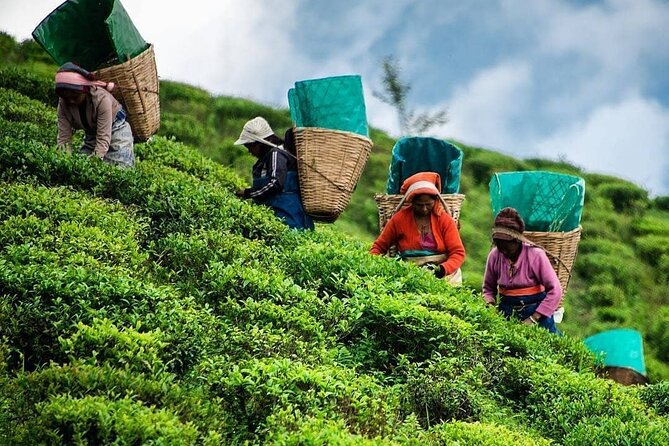
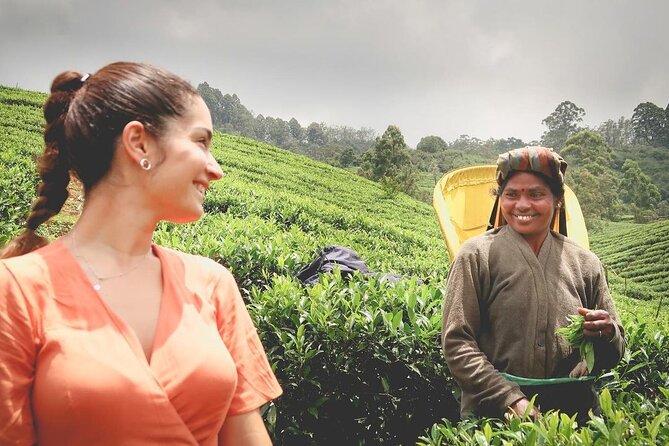
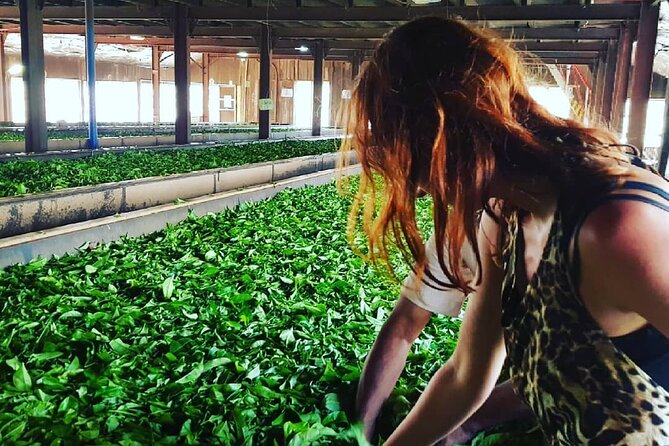
The walk is also a chance to understand how much of tea production begins by hand. You meet the pluckers and learn about their technique. The tour gives you the chance to try plucking yourself, a small activity that makes the work easier to appreciate.
Do not expect a staged performance. The appeal is the direct contact with an everyday part of tea production. The pluckers are part of the working process, and the guide explains what they do. The exact length of the field walk and the amount of time spent with individual pluckers are not specified, so the focus may vary with the day’s conditions.
Wear practical shoes and clothing suitable for walking outdoors. The activity requires good weather, and the field portion is less enjoyable in heavy rain. A light rain layer is a sensible precaution, but if conditions are poor enough for the operator to cancel, you will be offered another date or a full refund.
Learning how tea is picked
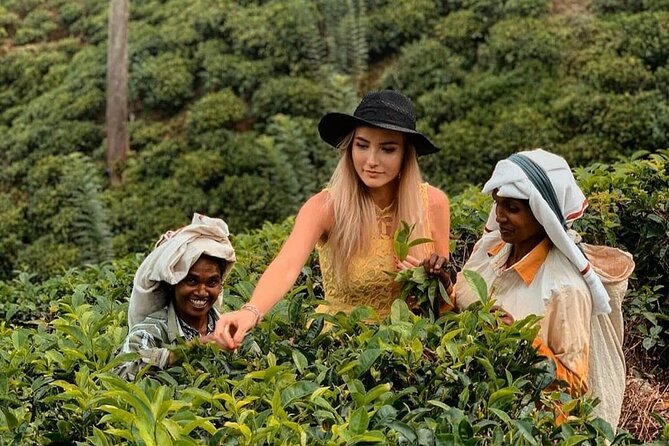
Trying your hand at plucking is one of the most useful touches in the program. It turns a familiar phrase, tea leaf, into something physical. You learn that the leaf does not simply arrive at the factory ready for a machine. It first has to be selected and gathered in the field.
The guide also explains the pluckers’ method. That matters because you are not just taking a quick photograph among the plants. You are shown how the work is done and given a chance to understand the skill behind it.
The experience does not state how much tea you will pick or whether you take any leaves with you. I would treat this as a short practical demonstration, not as a full work shift. Its value is in seeing the technique at close range and then recognizing the same leaves later in the production process.
A different kind of day out entirely:
- From Colombo: Sigiriya and Dambulla Day Trip with Safari
★ 4.7 · 842 reviews - Yala National Park Safari Tours: Morning/Evening/Full Day
★ 4.8 · 818 reviews - Ella: Traditional Sri Lankan Cooking Class
★ 4.9 · 788 reviews - From Kandy: Sigiriya Rock & Dambulla Cave Temple Adventure
★ 4.9 · 785 reviews
Visiting the pluckers village and temple
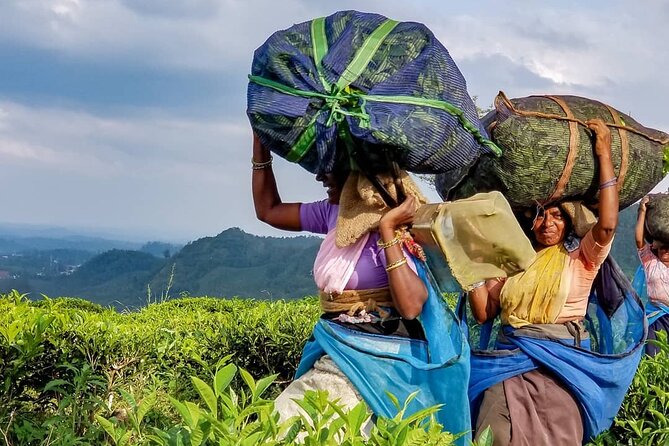
The program includes a visit to a tea pluckers village and temple. This broadens the outing beyond the plantation and factory. Tea is not only an agricultural product. It is also tied to the people and communities who make the work possible.
The village stop can give you a closer sense of local life, while the temple adds a place of religious and cultural importance. The supplied details do not identify the temple, explain its religious tradition, or state how long you stay there. You should therefore expect a brief local stop rather than a formal temple tour with a detailed architectural program.
Dress respectfully for the temple. Since exact clothing rules are not provided, modest clothing is the safest choice. Follow the guide’s instructions once you arrive, particularly about where to walk and what areas may be appropriate to enter.
This is also the part of the outing where the guide’s communication matters most. The strongest praise focuses on clear explanations, a warm welcome, and the way the guide connects the plantation, village, and factory. No guide name is provided, but the teaching style is repeatedly described as clear and informative.
Watching tea reach the weighing station
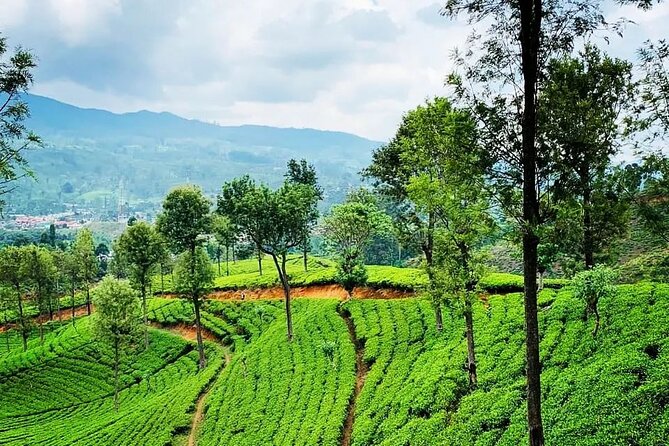
After plucking, the tea is taken to weighing stations. This is a short but important link in the chain. It shows that the leaves are handled and recorded before the factory begins its work.
For you, the weighing station helps explain the practical side of plantation production. The field is not separate from the factory. The picked leaves move through a system, and weighing is part of that control.
The available information does not give a specific weighing method, payment system, or scale type. I would not expect a detailed business lesson here. Instead, think of it as a useful stop that connects the handwork in the fields with the technical stages inside the factory.
Inside the factory: withering and rolling
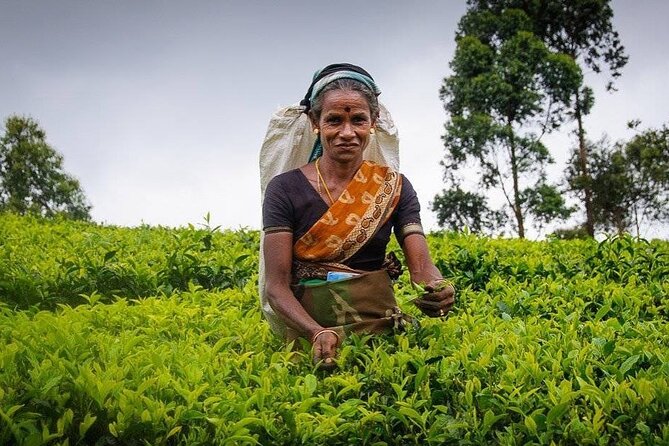
The factory visit is the heart of the educational side. You are shown the stages used to turn fresh leaves into tea, beginning with withering and rolling.
Withering is the early stage in which the picked leaves are prepared for further processing. Rolling follows, changing the leaves and helping move the production toward the finished tea. The tour names these stages, but it does not promise a particular factory brand, tea grade, or machinery display.
What makes the visit worthwhile is the sequence. Instead of hearing a list of tea terms with no context, you can follow the order in which the leaves are treated. The guide’s explanations are central here. Clear teaching makes a technical factory easier to understand, especially if you know little about tea production before arriving.
The factory may be active, but the supplied information does not promise that every machine will be running during your visit. Factory operations can vary, so keep your expectations focused on learning the process rather than seeing a full production show.
Drying, shifting, testing, and packing
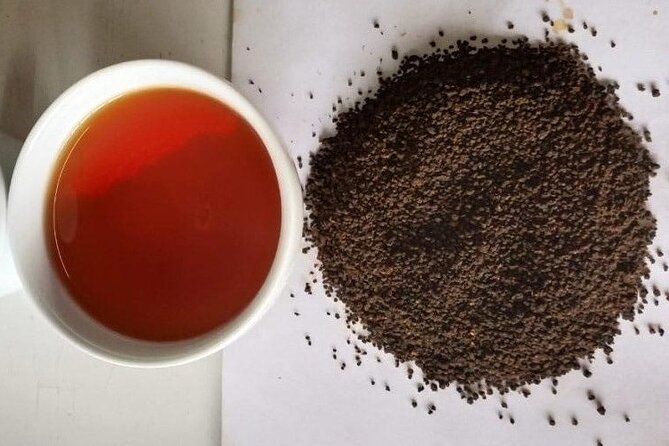
The later factory stages include drying, shifting, testing, and packing. Together, they explain how tea moves from processed leaf toward the product you buy and brew.
Drying is a key point because it prepares the tea for storage and use. Shifting helps sort the processed tea, while testing provides a quality check. Packing is the final visible step before the tea leaves the factory. The tour gives you the rare chance to see these stages as one connected system.
The supplied details do not specify whether you receive a packaged sample, visit a shop, or see particular grades of tea. Do not book this expecting a shopping stop unless the operator confirms one separately. The strength here is understanding production, not buying souvenirs.
The factory section receives the strongest praise. It is described as fascinating, clear, and easy to follow. That fits the structure of the visit: the field shows where the leaves begin, while the factory explains the work that changes them into drinkable tea.
Finishing with freshly brewed tea
The tour ends with freshly made and brewed tea. This is more than a pleasant final drink. It gives you a chance to connect the earlier stages with the finished result in your cup.
After seeing the fields, meeting the pluckers, and following the factory process, the tea tasting has a clear purpose. You can think back to the leaves you saw and the stages the guide explained. It is a simple ending, but it completes the tour’s central idea.
The information does not state which tea is served, how many cups are included, or whether milk, sugar, or snacks are available. If you have strong preferences or dietary concerns, ask the provider before booking. The experience promises brewed tea, not a full afternoon meal.
The guide makes the difference
The most important part of this tour is not any single machine or viewpoint. It is the guide’s ability to explain what you are seeing. The strongest comments praise clear, thorough teaching and a friendly welcome.
That praise is especially important because tea production includes unfamiliar terms. Withering, rolling, shifting, and testing can sound like a dry factory checklist. A good guide turns those words into a story you can follow from plant to cup.
The small group limit helps. With no more than 10 people, you should have a better chance to hear the explanation and ask questions. Still, the operator does not promise a particular guide or language beyond what is implied by the available information, so confirm any specific communication needs before booking.
Is $20 good value?
At $20 per person, this is a strong-value half-day style activity. For about three hours, you receive a field visit, contact with tea pluckers, a village and temple stop, a weighing-station visit, a factory tour, and brewed tea.
The price is especially fair if you want context rather than just scenery. A scenic tea-field walk alone can be pleasant, but it will not necessarily explain how the product reaches your cup. Here, the factory stages give the outing useful substance.
The value is lower for someone who wants a long plantation hike, extensive tea tasting, or a shopping session. None of those is promised. You are paying for a focused educational visit with several connected stops, not a full-day rural excursion.
Who should book this Hatton experience?
I would recommend it to anyone curious about how Sri Lankan tea is made. It suits first-time visitors to the tea region, people who enjoy seeing working processes, and anyone who prefers meeting local workers to simply taking photographs.
It should also suit families and small groups, since the plucking demonstration gives the visit a hands-on element. The activity states that most people can participate, though it does not provide detailed accessibility information about the fields, village, temple, or factory.
Tea drinkers will get the most from it, but you do not need specialist knowledge. The explanations begin with the basics and follow a clear order. If you already know a great deal about tea production, you may find the standard introduction less detailed than a specialist plantation course.
The fixed afternoon start is the main planning issue. Make sure your transport brings you to Norwood by 3:00 pm and that you have a plan for returning afterward. Since the activity ends at the meeting point, you will not be dropped at a different town or hotel.
Weather, cancellation, and practical planning
Good weather is required. If poor weather causes cancellation, you will be offered a different date or a full refund. This is fair for an experience that depends on walking through tea fields, though it means you should avoid booking it as the one immovable activity in a tightly packed schedule.
You can cancel for a full refund up to 24 hours before the start time. Cancellations or changes made less than 24 hours before 3:00 pm are not accepted for a refund. The cut-off uses local Sri Lankan time.
Bring a charged phone because the ticket is mobile. Wear sensible footwear for the field visit, and choose respectful clothing for the temple. Since the exact site conditions are not described, practical clothing is better than dress shoes or anything you would worry about getting dirty.
Should you book the Tea Fields and Factory Tour?
Book this tour if you want a clear, affordable explanation of Ceylon tea that links people, plants, machinery, and the final cup. The best features are the chance to try plucking, the visit to the pluckers village and temple, and the factory sequence from withering through packing.
Skip it if you need a morning departure, a long walk, detailed specialist tea tasting, or a guaranteed shopping stop. For most visitors staying in Hatton or passing through Norwood, though, $20 buys a useful three-hour look at the work behind one of Sri Lanka’s most familiar products.
FAQ
Where does the Tea Fields and Factory Tour take place?
The tour takes place in Norwood, in central Sri Lanka’s Hatton tea region. The listed meeting point is RJR9+WC Norwood.
What time does the tour start?
The tour starts at 3:00 pm local time.
How long does the experience last?
The activity lasts approximately three hours.
How much does the tour cost?
The listed price is $20 per person.
What will I see during the field visit?
You will walk among the tea plants, meet the pluckers, learn their technique, and try plucking tea yourself.
Does the tour include a village and temple visit?
Yes. The program includes a tea pluckers village and temple.
Which tea-making stages are covered at the factory?
The factory visit covers withering, rolling, drying, shifting, testing, and packing.
How large is the tour group?
The activity has a maximum of 10 people.
What happens if I need to cancel?
You can cancel at least 24 hours before the start time for a full refund. Cancellations made less than 24 hours before the start time are not refundable. If poor weather causes the operator to cancel, you will be offered another date or a full refund.
Just added in Sri Lanka
- Day Tour of Nuwara Eliya★ 5.0 · 3 reviews
- Full day Kandy City Tour by Tuk Tuk★ 5.0 · 1 review
- Day Tour Kandy to Sigiriya with Dambulla Cave Temple Excursion★ 5.0 · 3 reviews
- Day Tour for Outdoor and Adventure Lovers★ 4.5 · 4 reviews
- Culture Tour in Kandy★ 5.0 · 1 review
- Dambulla, Sigiriya and Pidurangala Tour from Kandy★ 5.0 · 9 reviews
- Ambuluwawa Tower and Kandy City Tuk Tuk Tour with Epic views★ 5.0 · 9 reviews
- Kandy to Nallathanniya (Climb Adams Peak)★ 5.0 · 1 review
Tours, compared.
Private Tuk-Tuk City Tour with All Entry Fees
Read our review →

Yala National Park Safari Tours: Morning/Evening/Full Day
Read our review →
Sri Lanka Personal Tour Driver in private vehicle
Read our review →
Colombo Tuk Tuk City Tour -Sightseeing Entry Fees & Food Included
Read our review →
Colombo Private Tuk-Tuk City Tour with All Entry Fees Included
Read our review →
Drop to Tangalle/Hiriketiya/Mirissa/Galle & Yala Tour
Read our review →