
Review · CYCLING TOURS
From Dambulla/ Sigiriya: Ancient City of Polonnaruwa by Bike
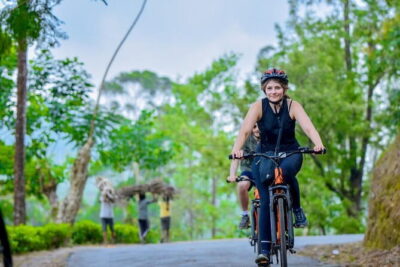
Ancient ruins feel better on two wheels. This private day trip combines a tuk-tuk-style transfer with a guided bicycle tour through Polonnaruwa, one of Sri Lanka’s most important historic sites. You ride between palaces, stupas, temples, and huge carved Buddhas instead of seeing the complex only through a vehicle window.
I like the relaxed pace and the chance to cover a large archaeological area without rushing from one monument to the next. I also like that hotel pickup, a cycling guide, private transport, water, refreshments, fuel, parking, and taxes are included. The main concern is the condition of the bicycles: one detailed account reported weak brakes, faulty gears, and a burst tyre, so I would inspect your bike carefully before setting off.
At $95 per person, this is not the cheapest way to visit Polonnaruwa, especially because the ancient-city entrance fee of about $30 per person is extra. Still, the private vehicle and guide can make the price worthwhile if you are staying in Dambulla, Sigiriya, Habarana, or Kandalama and want a focused half-day visit.
In This Review
- Key points to know before booking
- Why Polonnaruwa works so well by bike
- The 8:00 a.m. pickup from Dambulla, Sigiriya, Habarana, or Kandalama
- Starting the 3.5-hour ride through the ancient city
- The Royal Palace and the story of royal power
- Nissankamulla Palace and carved details
- Gal Viharaya and four remarkable Buddha images
- Thuparama, Lankathilaka, and Polonnaruwa’s sacred architecture
- Vatadage and Rankoth Vehera
- The Parakramabahu Statue and the final stretch
- Bicycle condition is the key practical concern
- What the $95 price really includes
- Who should book this Polonnaruwa outing?
- Should you book it?
- FAQ
- Where does the tour pick me up?
- Where will I be dropped off?
- How long does the experience last?
- How long do I cycle in Polonnaruwa?
- Is transportation included?
- Is a cycling guide included?
- Are bicycles included?
- Is the entrance ticket to Polonnaruwa included?
- What should I bring?
- Can I cancel the booking?
Key points to know before booking
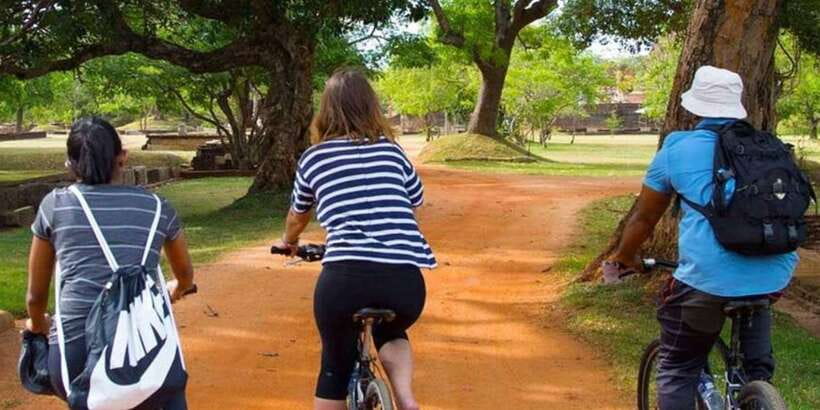
- Polonnaruwa is best seen by bicycle: The ancient city covers a wide area, and cycling lets you move between major sites with less backtracking.
- The schedule is tightly planned: Pickup is at about 8:00 a.m., the main visit begins around 10:00 a.m., and you return to your hotel near 1:00 p.m.
- The guide is a major strength: The tour includes an English-speaking cycling guide who explains the monuments as you move through the site.
- The bicycle quality needs checking: Test the brakes, gears, tyres, and seat before leaving the starting point.
- Entrance costs are extra: Budget about $30 per person in addition to the tour price.
- This is a private outing: Pickup and drop-off are available from hotels in Dambulla, Sigiriya, Habarana, and Kandalama.
Why Polonnaruwa works so well by bike
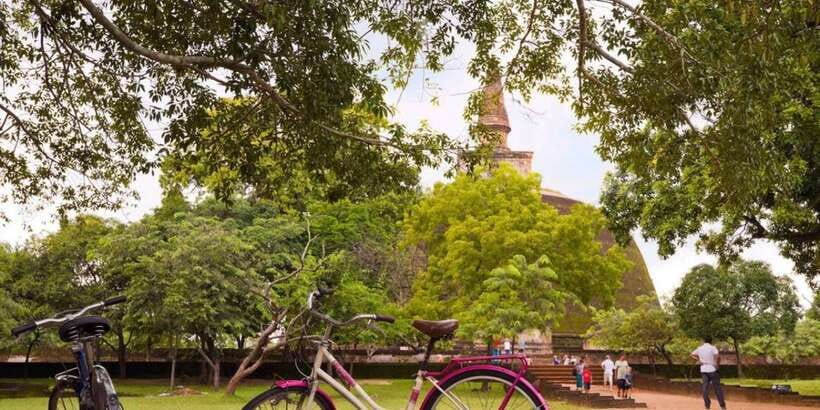
Polonnaruwa was a major Sri Lankan capital in the 12th century. Its ruins are spread across a broad area, with monumental buildings separated by roads, lawns, and tree-lined sections. On foot, the distances can become tiring. By bicycle, you can move from one important stop to the next while keeping the day active.
The bike also gives the visit a more direct feel. You are not simply stepping out of a car, taking a photograph, and getting back in. You ride through the historic zone, stop at the main buildings, and continue when the guide is ready. That rhythm suits Polonnaruwa.
The route is described as moderate rather than strenuous. One account found it neither long nor difficult, which is useful if you want an active outing without committing to a serious cycling day. Even so, the heat can matter, so carry your charged smartphone, use the supplied water if it is provided, and ask for a short pause when you need one.
More Sigiriya and Dambulla trips:
- From Colombo: Sigiriya and Dambulla Day Trip with Safari
★ 4.7 · 842 reviews - From Kandy: Sigiriya Rock & Dambulla Cave Temple Adventure
★ 4.9 · 785 reviews - Organic cooking class sigiriya (kumara & family)
★ 5.0 · 650 reviews
The 8:00 a.m. pickup from Dambulla, Sigiriya, Habarana, or Kandalama
The experience begins with pickup from your hotel at around 8:00 a.m. The available pickup areas are Dambulla, Sigiriya, Habarana, and Kandalama. You then travel toward Polonnaruwa in an air-conditioned private vehicle.
That private transfer is one of the better reasons to consider this package. You do not need to arrange a separate taxi, negotiate a return fare, or work out how to fit bicycles into your own transport. Fuel, driver charges, parking, and taxes are included, which keeps the basic cost clear.
The trip is planned to reach the ancient city around 10:00 a.m. That leaves roughly three and a half hours for the guided visit before the return journey begins. If your hotel is farther from Polonnaruwa within the pickup zone, the driving portion will take up a good share of the five-hour schedule, so this works best as a focused visit rather than a full-day exploration.
The vehicle is described as a luxury private vehicle with air conditioning. Refreshments and water are also included in the package. However, one particularly negative account reported that no water was offered during the transfer or cycling portion. I would bring your own bottle as backup and confirm the water arrangement at pickup.
Starting the 3.5-hour ride through the ancient city
Once you reach Polonnaruwa, the cycling portion lasts about three and a half hours. The schedule includes guided touring, walking, photography stops, free time, and a break. This mix matters because you cannot see every monument properly from the saddle.
You will likely ride between the main monuments, park near each one, and walk around the most important structures with the guide. That is the right way to handle a site filled with carvings and architectural details. A bicycle gets you between the stops, but your feet and eyes do the real work once you arrive.
The route includes the Royal Palace, Nissankamulla Palace, Gal Viharaya, Thuparama stupa, Lankathilaka, the Vatadage, Rankoth Vehera, and the Parakramabahu Statue. The exact order may vary, but these are the places that give the visit its shape.
Because the group is private, you should have more freedom to ask questions and spend a little longer at a favorite monument. You are not tied to a large coach group moving on a fixed whistle-stop schedule. The guide speaks English.
The Royal Palace and the story of royal power
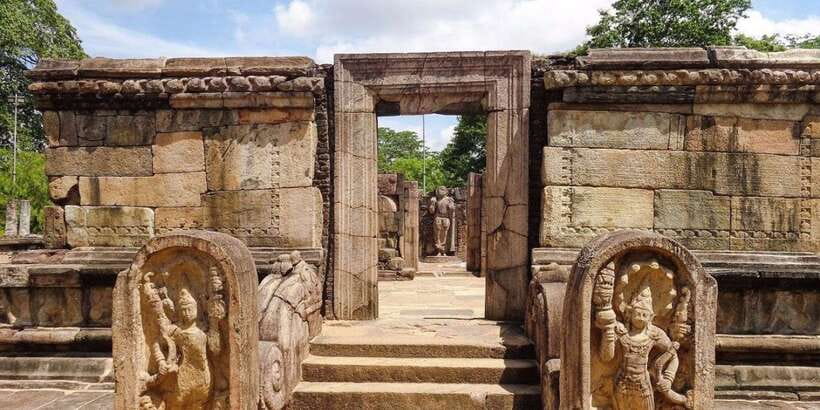
The Royal Palace is a strong first major stop because it gives you a sense of Polonnaruwa as a capital, not just a collection of religious ruins. The remaining walls and foundations suggest the scale of the royal complex and help place the temples in a wider political setting.
I find this kind of stop valuable because it gives context before the more ornate religious monuments. Without it, the site can feel like a string of impressive stones. With a guide explaining the purpose of the buildings, you can better understand how kings, court life, administration, and religion fitted together.
Do not expect a complete palace interior. What remains is archaeological rather than furnished or restored as a living royal residence. The appeal is in reading the surviving structure and imagining the larger complex that once occupied this part of the capital.
More bike tours in Sri Lanka:
- Half-Day Lagoon and Village Cycling Tour in Galle
★ 5.0 · 90 reviews - Anuradhapura Heritage Mountain bike / bicycle Tour
★ 5.0 · 34 reviews - Galle Fort and City Cycling Tour – Choice of E-Bike or Manual
★ 5.0 · 28 reviews - Ella, Sri Lanka Cycle Zone Bike Tour
★ 4.7 · 8 reviews
Nissankamulla Palace and carved details
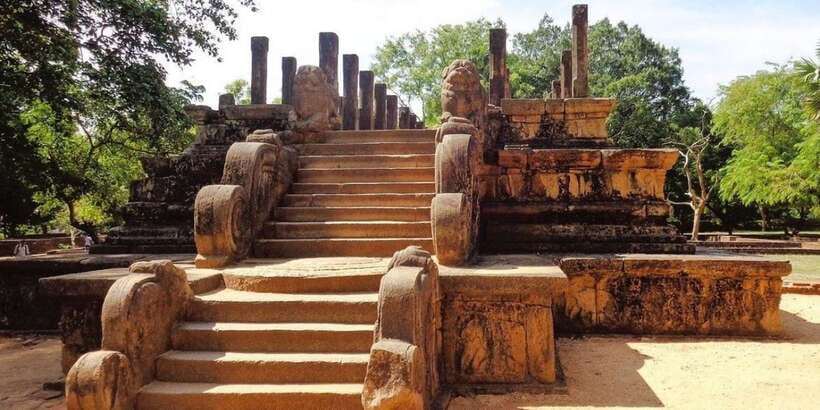
Nissankamulla Palace adds another royal layer to the tour. Its appeal comes less from one perfectly preserved building and more from the surviving architectural details, stonework, and connection to King Nissankamalla.
This is a good place to let the guide do more than name the site. Ask what the carvings represented, how the building was used, and what separates a palace complex from the nearby religious structures. A short explanation can turn broken walls into a clearer picture of the old city.
The site is also a reminder that Polonnaruwa was built on a large scale. You are moving between royal and religious buildings that once served a capital, not visiting one isolated temple.
Gal Viharaya and four remarkable Buddha images
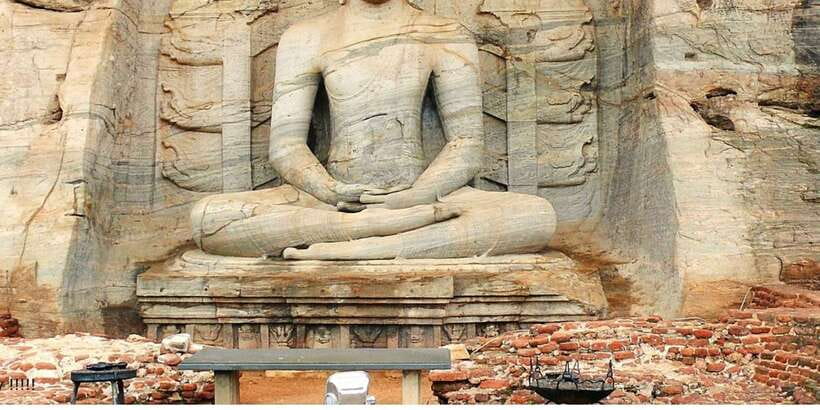
Gal Viharaya is likely to be the emotional high point of the visit. This rock-cut temple contains four Buddha statues carved from a single rock surface, each with a different pose and visual character.
The seated, standing, and reclining figures show the precision of the craftsmen who created them. The reclining Buddha is especially memorable for its length and calm expression, while the standing image has a more human and reflective quality. The site is not grand because of elaborate decoration. Its power comes from the direct relationship between stone, form, and stillness.
Your guide can help you read the statues rather than treating them as quick photo stops. Take time to notice the folds of the robes, the polished surfaces, and the way the figures fit the rock face.
This is also one of the places where respectful behavior matters most. Keep voices low, follow any site instructions, and remember that these are active religious images as well as historic sculptures.
Thuparama, Lankathilaka, and Polonnaruwa’s sacred architecture
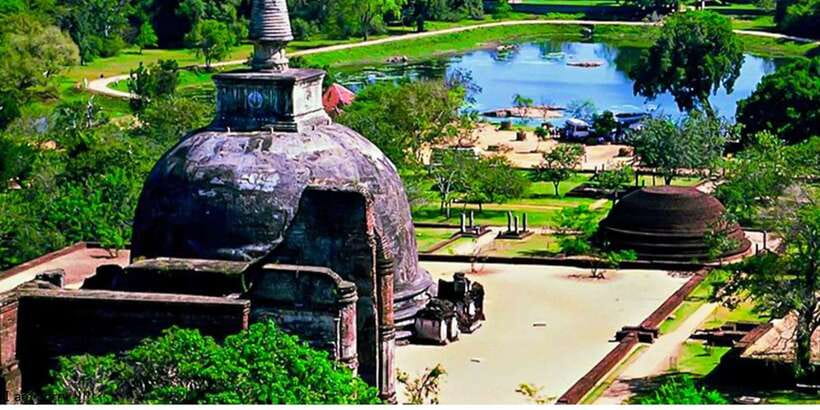
Thuparama stupa shows a different side of the ancient city. Its rounded form and religious purpose contrast with the palaces and rock-cut statues. The stupa belongs to the long Buddhist tradition of building sacred monuments around relics and worship.
Lankathilaka adds another architectural style to the route. Its design is described as distinctive, and it helps show how Polonnaruwa’s builders worked with tall, enclosed temple forms as well as open stupas and sculpted rock.
You may find the contrast between these buildings more rewarding than any single monument. One stop emphasizes royal scale, another the stupa form, another carved figures, and another the controlled geometry of a temple. The guide’s explanations are especially useful here because the differences are easier to understand when someone points them out.
Remember that temple visits may require appropriate clothing. The supplied information does not set out a detailed dress code, but you should be prepared to dress respectfully at Buddhist sites.
Vatadage and Rankoth Vehera
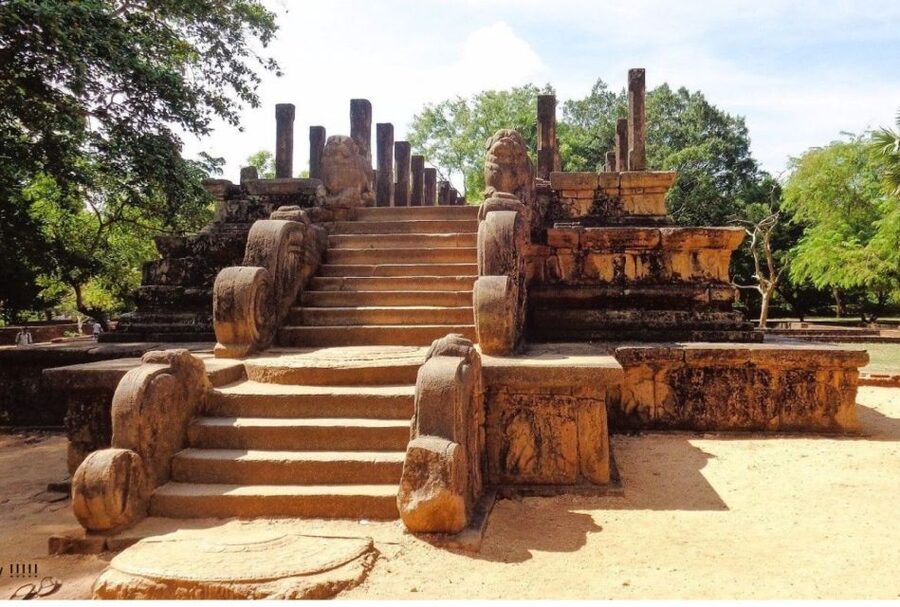
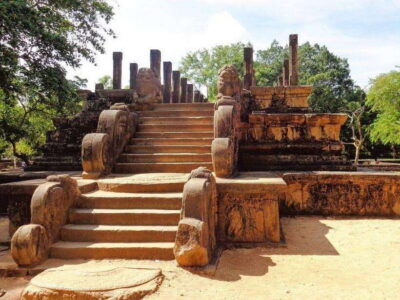
The Vatadage is one of the most visually appealing structures on the route. Its circular design, stone steps, guardstones, and carved details give it a more intimate feel than the large stupas. This is a place where you should slow down and look closely at the entrance carvings rather than simply circle the building.
Rankoth Vehera provides the grand scale. Its large stupa is one of the major monuments in the ancient city, and its size helps you understand the resources and labor once directed toward religious construction.
Together, these sites make a good pair. The Vatadage rewards close inspection, while Rankoth Vehera works through proportion and mass. Cycling between them gives the route a pleasant change of pace, although the condition of the bicycles can affect how enjoyable that movement is.
The Parakramabahu Statue and the final stretch
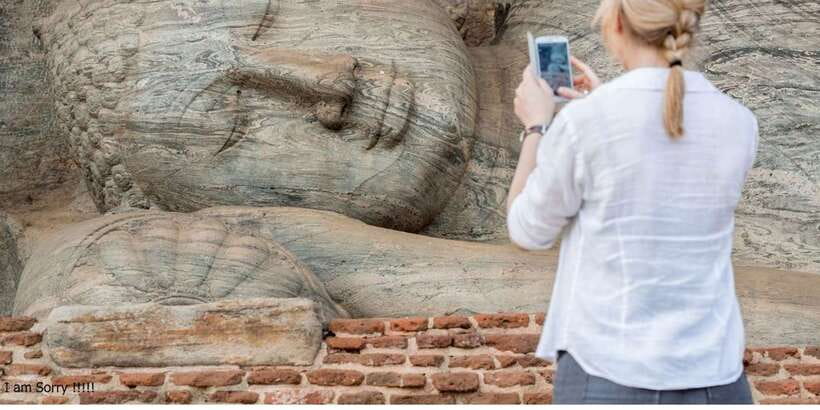
The Parakramabahu Statue is included near the end of the visit. The figure is linked with the greatness of the old kingdom and gives the tour a natural closing point after the temples, palaces, and stupas.
The statue is also useful as a reminder that Polonnaruwa is not only about buildings. The city reflects the rulers, religious life, engineering, and artistic skill that shaped medieval Sri Lanka. Your guide can connect the monument with the wider story of the kingdom.
After the final stops, you return to the vehicle and head back to your hotel. The planned return is around 1:00 p.m., leaving the rest of the day available for another activity or a quiet afternoon.
Bicycle condition is the key practical concern
The strongest criticism of this experience concerns the bikes, not the route or guide. One detailed account described poorly maintained bicycles, gears that did not work properly, weak brakes, and a tyre that burst on the return ride.
That is a serious issue. A difficult gear is annoying; a weak brake is a safety problem. Before you start, squeeze both brake levers, shift through the gears, inspect both tyres, and check that the seat is secure. If anything feels wrong, ask for another bicycle immediately.
The tour provider is Sign of Lanka (Pvt) Ltd. The package includes mountain bike charges, but the information does not promise a particular bike model or maintenance standard. I would treat the bicycle inspection as part of the normal preparation, not as an optional extra.
The cycling route itself has been described as not especially difficult or long. That is encouraging, but a manageable route does not compensate for defective equipment. Your comfort and safety depend on getting a sound bicycle.
What the $95 price really includes
The listed cost is $95 per person. On top of that, you should allow about $30 per person for entrance to Polonnaruwa Ancient City. That makes the real admission-inclusive cost about $125 per person before any personal spending.
That is a substantial price for a five-hour activity. The value comes from the private air-conditioned transport, hotel pickup and drop-off, cycling guide, bicycle, driver, fuel, parking, refreshments, water, and government taxes. If you are traveling without your own transport, these bundled services may save time and hassle.
The price is harder to justify if you already have a private car and only want a guide at the ruins. It is also less appealing if the bicycles are in poor condition. The guide has received clear praise for being helpful and informative, so the experience is strongest when the bicycle, transport, and guiding all work as promised.
A current rating of 4.1 from three reviews suggests a mixed but generally positive picture. I would not treat that number as a guarantee. Instead, use it alongside the practical warning about bike maintenance and water.
Who should book this Polonnaruwa outing?
I would recommend it to you if you are based in Dambulla, Sigiriya, Habarana, or Kandalama and want a private, prearranged visit without organizing transport. It suits people who enjoy seeing historic sites actively and who prefer a guide to explain what they are looking at.
It is also a good fit if you have only a half-day available. The schedule is efficient, and the route includes the most important named monuments. You get a clear introduction to Polonnaruwa without trying to cover the entire region.
I would be more cautious if you are very particular about bicycle quality, if you dislike cycling in warm weather, or if you expect a low-cost excursion. Ask about the condition of the bicycles before departure and bring extra drinking water.
Free cancellation up to 24 hours before the start gives you some flexibility, and you can reserve without paying immediately. You should bring a charged smartphone and your passport or ID card.
Should you book it?
Book this tour if private transport, an English-speaking guide, and bicycle access are worth paying for. The route is well chosen, the ancient city is genuinely impressive, and cycling makes the wide archaeological zone easier to enjoy.
Before confirming, I would specifically ask how recently the bikes were serviced and whether replacement bikes are available. If the provider can give you confidence on that point, this is a useful and enjoyable way to see Polonnaruwa from the Dambulla and Sigiriya area. If not, arrange transport separately and choose a cycling operator with a stronger equipment record.
FAQ
Where does the tour pick me up?
Pickup is available from hotels in Dambulla, Sigiriya, Habarana, and Kandalama.
Where will I be dropped off?
Drop-off is available in Habarana, Dambulla, Kandalama, and Sigiriya.
How long does the experience last?
The full experience lasts five hours. The planned schedule runs from about 8:00 a.m. until 1:00 p.m.
How long do I cycle in Polonnaruwa?
The guided visit through the ancient city lasts about three and a half hours and includes cycling, walking, free time, a break, and photo stops.
Is transportation included?
Yes. Hotel transportation is provided in an air-conditioned private vehicle, with fuel and driver charges included.
Is a cycling guide included?
Yes. An English-speaking cycling guide accompanies the private group during the tour.
Are bicycles included?
Yes. Mountain bike charges are included in the package.
Is the entrance ticket to Polonnaruwa included?
No. Entrance to the ancient city is not included and costs approximately $30 per person.
What should I bring?
Bring a charged smartphone and your passport or ID card. Bringing extra water is also sensible because water was not consistently provided on one reported outing.
Can I cancel the booking?
You can cancel up to 24 hours in advance for a full refund. The reserve-now, pay-later option allows you to book without paying immediately.
Just added in Sri Lanka
- Day Tour of Nuwara Eliya★ 5.0 · 3 reviews
- Full day Kandy City Tour by Tuk Tuk★ 5.0 · 1 review
- Day Tour Kandy to Sigiriya with Dambulla Cave Temple Excursion★ 5.0 · 3 reviews
- Day Tour for Outdoor and Adventure Lovers★ 4.5 · 4 reviews
- Ambuluwawa Tower and Kandy City Tuk Tuk Tour with Epic views★ 5.0 · 9 reviews
- Culture Tour in Kandy★ 5.0 · 1 review
- Dambulla, Sigiriya and Pidurangala Tour from Kandy★ 5.0 · 9 reviews
- Kandy to Nallathanniya (Climb Adams Peak)★ 5.0 · 1 review
Cycling Tours, compared.
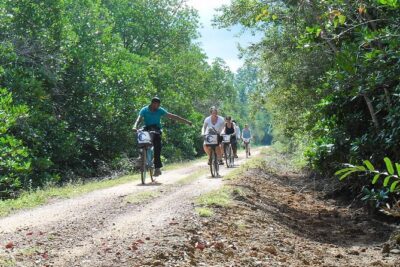
Half-Day Lagoon and Village Cycling Tour in Galle
Read our review →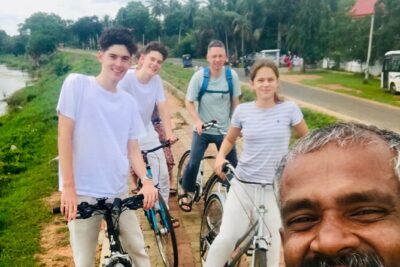
Anuradhapura Heritage Mountain bike / bicycle Tour
Read our review →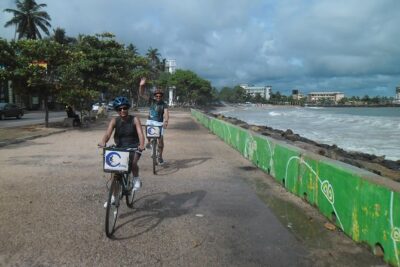
Galle Fort and City Cycling Tour – Choice of E-Bike or Manual
Read our review →

Browse the lists this tour appears in