
Review · COOKING CLASSES
Organic cooking class sigiriya (kumara & family)
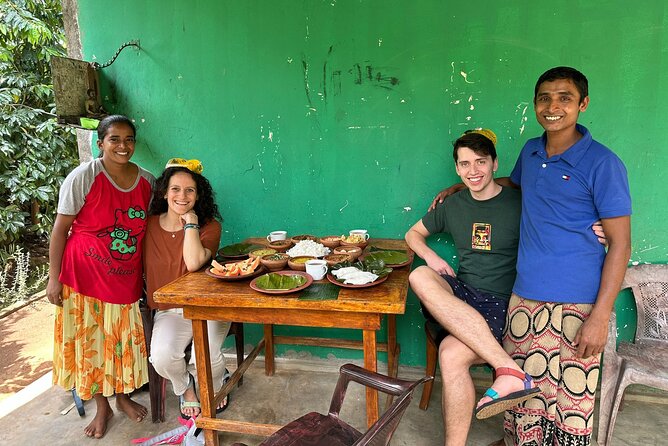
Sri Lanka tastes better when you help cook it. This private cooking workshop in Sigiriya takes you into Kumara and Thanuja’s family home, where garden vegetables, freshly prepared spices, and traditional methods shape a full evening meal. I like the garden tour, which connects each curry to a real plant, and the hands-on cooking, where you prepare several dishes rather than watch from the sidelines. The one thing to keep in mind is that the experience is rustic, and the published details about bottled water are not fully consistent.
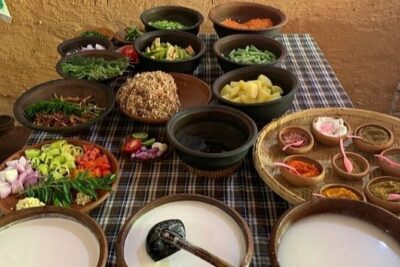
You’ll learn how a Sri Lankan table is arranged, how spices are prepared in the traditional way, and how simple ingredients become a generous spread of curries, sambal, string hoppers, and dessert. The family’s warmth is a major part of the evening. This is less a polished demonstration and more a home-based meal made together, which is exactly its appeal.
In This Review
- Key points at a glance
- Why this Sigiriya cooking class feels different
- A garden tour before the first knife is lifted
- Learning the spice work behind Sri Lankan curry
- Cooking over wood fires in a traditional home kitchen
- Setting the table, then eating what you made
- The family makes the class
- Is $28 a fair price?
- Location, timing, and booking advice
- Who should book this experience?
- Should you book Kumara’s organic cooking class?
- FAQ
- Where does the cooking class take place?
- How long does the experience last?
- What food will I prepare?
- Is the food organic?
- Is bottled water included?
- Can I cancel for a refund?
Key points at a glance
- Garden-to-table cooking: Walk through Kumara’s organic garden and learn about the vegetables, herbs, spices, and some plants used for Ayurvedic eating.
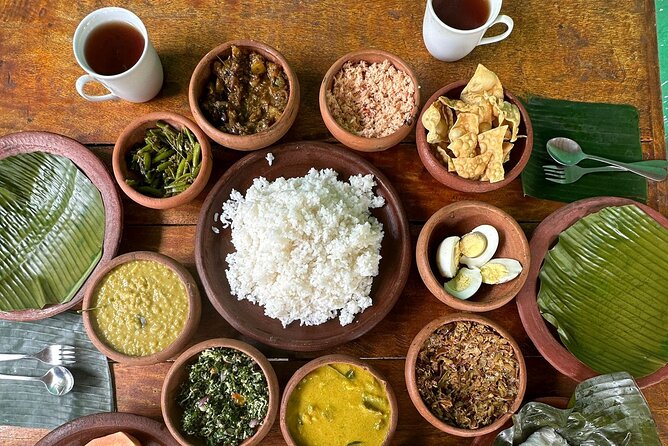
- Several dishes in one evening: Depending on the menu, you may help prepare dhal, aubergine, pumpkin, other vegetable curries, sambal, string hoppers, coconut roti, and dessert.
- Family-led instruction: Kumara, his wife Thanuja, and other family members guide the preparation in their home cooking area.
- Traditional methods: See spices ground and ingredients measured, chopped, and prepared for each dish, including cooking over a row of wood fires.
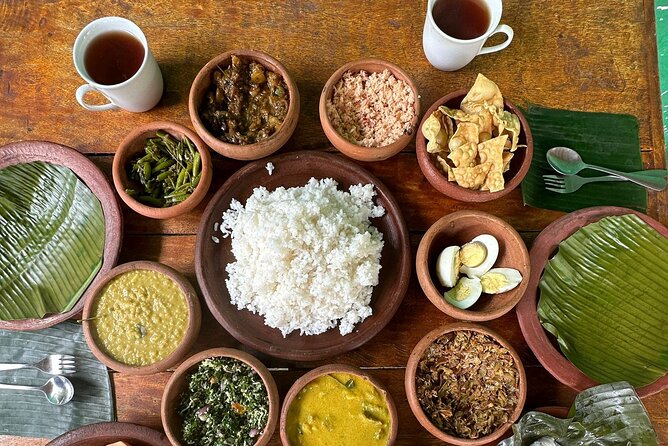
- A shared Sri Lankan dinner: After cooking, you sit down together and eat the meal, with the table arranged in a traditional style.
- Good value at $28: For about two and a half hours, the price covers instruction, ingredients, the meal, herbal tea, and bottled water according to the stated details.
Why this Sigiriya cooking class feels different
Many cooking classes are built around a counter, a printed recipe, and a short demonstration. This one begins before the cooking starts. You visit the family’s garden, see where much of the food comes from, and hear how plants and herbs are used in everyday cooking and home remedies.
That changes the way you understand the meal. A pumpkin curry is no longer just a bowl of curry. You have seen the garden, handled the ingredients, and watched the family turn them into dinner with basic tools and traditional methods. I like this connection because it gives the food a sense of place without turning the class into a formal cultural performance.
The setting also matters. The workshop takes place at 284 Kahatagahayaya, Kalapuraya, Sigiriya 21120, at the family’s home. It is not presented as a restaurant kitchen or a large culinary school. Expect a working family space, outdoor cooking, and an informal rhythm. That may feel less tidy or predictable than a commercial class, but it also makes the experience more personal.
The class is described as private, yet the available information also indicates that some sessions may include other people. One couple reported joining a group of about 10 and enjoying the shared cooking and conversation. If you want a strictly private lesson, confirm the group arrangement before booking.
More Cooking Classes in Sigiriya
- Sajee’s Place Cooking Class
★ 5.0 · 237 reviews - Cooking Class: Sajee’s Place Cooking Class sigiriya
★ 5.0 · 117 reviews - Organic Cooking Class sigiriya home Kitchen(Kumara & family)
★ 5.0 · 116 reviews
A garden tour before the first knife is lifted
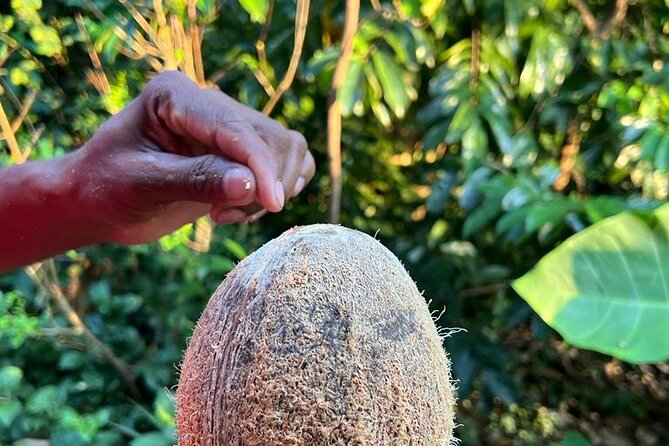
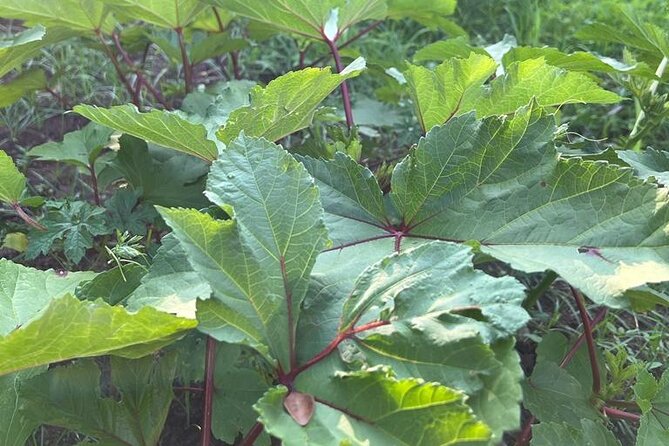
The first part of the experience is a walk through the organic garden. Kumara explains the plants used for the meal, along with herbs, fruits, vegetables, and spices grown on the property. You might also hear about Ayurvedic eating and the traditional health uses of particular plants.
This is one of the strongest parts of the workshop for anyone interested in food beyond recipes. Sri Lankan cooking uses spices for flavor, color, aroma, and, in traditional practice, perceived health benefits. Seeing the plants in the soil gives you a useful starting point for understanding that role.
You should not expect a botanical tour with formal labels or a long lecture. The information is shared as part of a family’s daily life. That is the point. Kumara’s garden is not a staged attraction, and the family’s work in growing food is part of the story you are hearing.
The garden also helps explain the organic claim. The family grows many of the vegetables and spices used in the class, making the meal genuinely farm-to-table in a small household sense. It would be too strong to assume every ingredient comes from the garden, but the cooking clearly depends heavily on homegrown produce.
Learning the spice work behind Sri Lankan curry
After the garden visit, you are introduced to the spices and other ingredients used in the meal. You learn how they are prepared in a traditional way, how much is needed for each recipe, and how the ingredients are cut or processed before cooking.
This is practical knowledge you can take home. Sri Lankan curries are not simply vegetables simmered in a sauce. The order of preparation, the spice balance, and the handling of coconut, chili, herbs, and other ingredients all affect the final taste.
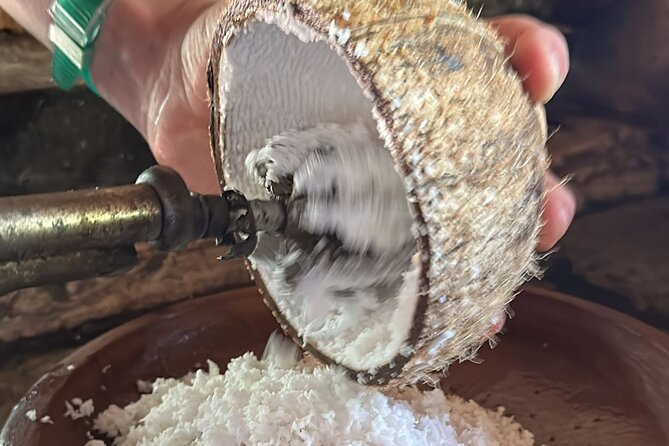
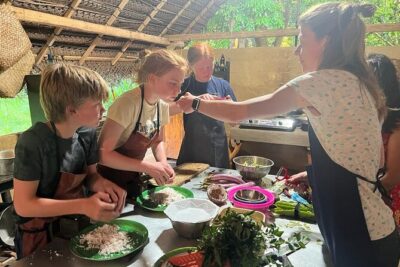
The class gives you a chance to do the work yourself. You may be assigned tasks such as chopping, mixing, grinding spices, or preparing accompaniments. The family then offers corrections and cooking tips as you go. That hands-on format works well for beginners because you can ask questions at the moment something feels unclear.
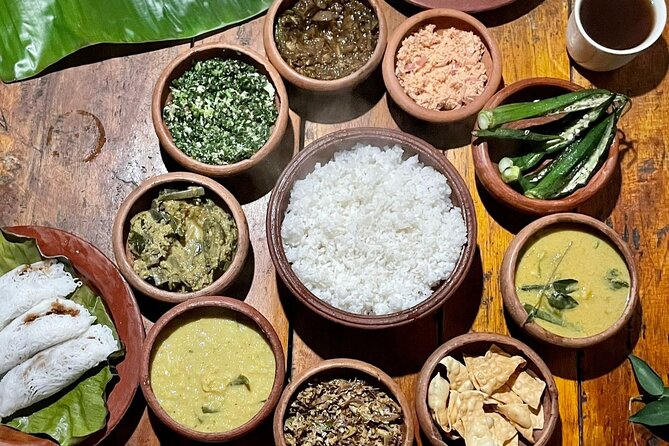
The number of dishes makes the session especially useful. Several menus described by participants included three curries such as dhal, aubergine, and pumpkin, along with sambal, string hoppers, and a sweet course. Other meals included coconut roti and sweet potato curry, while one large meal featured seven different curry dishes.
The exact menu may vary, so do not book expecting one fixed list. What you can reasonably expect is a plant-based Sri Lankan meal with multiple curries and accompaniments. If you have a favorite dish or a dietary concern, ask about the menu when arranging the class.
Cooking over wood fires in a traditional home kitchen
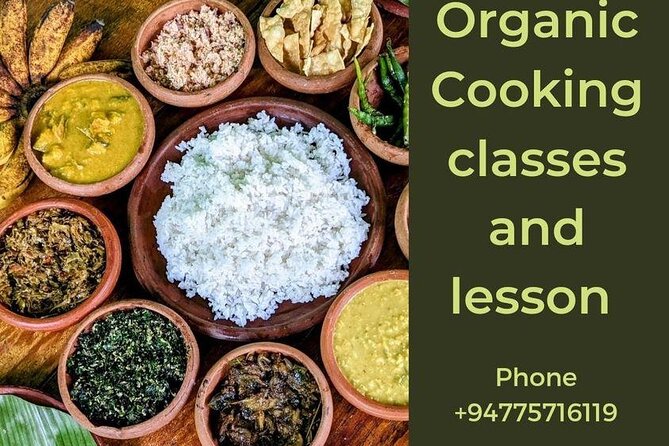
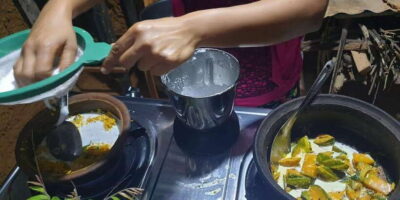
The cooking area is a key part of the experience. Instead of a modern demonstration kitchen, you may prepare the food in an outdoor or traditional home setting. One account describes several dishes cooking on a row of wood fires, using simple equipment and careful timing.
I find this valuable because it shows the real work behind Sri Lankan home cooking. You see how a family manages several pots, keeps dishes moving, and builds a meal from basic ingredients. It is not slick, and the pace may be less controlled than in a professional kitchen.
That rustic setting does bring a few practical considerations. Smoke, heat, and standing for part of the session may be part of the experience, though the supplied information does not give specific accessibility details. Wear clothes you do not mind cooking in, and be ready for a hands-on evening rather than a passive demonstration.
The family leads the process, so the class should suit you if you enjoy participation and conversation. If you want a quiet, highly structured lesson with individual workstations and exact timings, this may feel loose. If you want to learn how an everyday meal is actually made, the informality is a strength.
More Sigiriya and Dambulla trips:
- From Colombo: Sigiriya and Dambulla Day Trip with Safari
★ 4.7 · 842 reviews - From Kandy: Sigiriya Rock & Dambulla Cave Temple Adventure
★ 4.9 · 785 reviews - From Sigiriya: Minneriya National Park Private Jeep Safari
★ 4.9 · 415 reviews - From Sigiriya: Minneriya National Park Elephant Safari
★ 4.8 · 365 reviews
Setting the table, then eating what you made
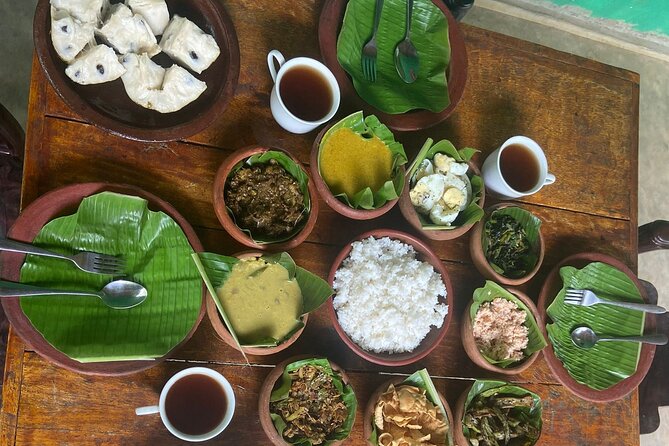
Cooking ends with more than a taste at the stove. The family shows you how a traditional Sri Lankan dinner table is arranged, then you sit down and enjoy the meal together.
This final stage gives the workshop a proper shape. You have gathered or seen the ingredients, prepared the food, cooked the dishes, and learned how the finished meal is presented. The meal becomes a shared event rather than a quick sample.
The food is often the evening’s highlight. The combinations described include vegetable curries, dhal, aubergine, pumpkin, sambal, string hoppers, and dessert. Sri Lankan cooking can put several flavors on the plate at once, from creamy and earthy to hot, sour, sweet, and aromatic.
You should also expect a largely plant-based meal. That is good news if you enjoy vegetarian or vegan food, but it is worth confirming the menu if you specifically want meat, fish, or a particular dish. The supplied information focuses on garden vegetables and plant-based recipes.
Herbal tea is included, and the tour details also state that bottled water is provided. One person specifically advised bringing extra bottled water after being offered tap water and hot tea instead. I would bring your own bottle, especially in Sigiriya’s warm climate. It is a small precaution and avoids confusion.
The family makes the class
Kumara is the main host, and Thanuja, his wife, helps lead the cooking. His sister and other family members may also take part. Their welcome is repeatedly described as warm, friendly, and attentive, and that family involvement is central to the experience.
Kumara also speaks English well enough to explain the garden, cooking steps, and recipes. The instruction appears conversational rather than formal. You can ask why a spice is used, how a plant is prepared, or how to repeat a dish at home.
A particularly nice touch described by one participant is receiving a flower crown before cooking. That detail may not happen at every session, but it captures the family’s effort to make the evening feel festive.
The atmosphere can be social. Some sessions are shared with other people, and group cooking can lead to plenty of laughter and conversation. If you are traveling as a couple, this can be a good way to meet others without signing up for a large sightseeing group.
The family also sends recipes after the class, according to several accounts. That matters because the best cooking class is one you can use later. Written recipes help you recreate the curries, sambal, or string hoppers after returning home, when the memory of Sri Lankan food is still fresh.
Is $28 a fair price?
At $28, this is a strong value if the meal includes several dishes and the class lasts close to two and a half hours. You are paying for more than dinner. The price covers the garden visit, ingredient explanations, instruction, hands-on preparation, the meal, herbal tea, and the family’s time.
The value is even better for anyone who wants cultural context along with food. A restaurant meal might cost less, but it would not show you the garden, spice preparation, kitchen work, or table customs. A formal cooking school might offer more polished facilities, but often at a higher price.
The main variable is the group size. The experience is described as private, but another account describes a group of around 10. A larger group may mean less individual attention, though it can make the meal more fun. Ask how many people are booked for your date if personal instruction is important to you.
The listing’s additional information contains an odd maximum traveler figure of zero, which is clearly not useful for planning. Treat the group size as something to confirm directly rather than relying on that field.
Location, timing, and booking advice
The meeting point is Organic Cooking Class Sigiriya, at 284 Kahatagahayaya, Kalapuraya, Sigiriya 21120. The activity ends back at the same meeting point.
The duration is approximately two hours and 30 minutes, although one account describes the entire experience as taking about three hours. Allow a little extra time if you have a later transfer, sunset plan, or dinner reservation. Cooking several dishes in a family kitchen rarely runs like a train timetable.
The provider is listed as Organic Cooking & Lesson, Traditional Sri Lanka Foods. Direct contact through WhatsApp is offered for more information and booking arrangements. Get the exact meeting instructions, start time, transport details, menu, group size, and water arrangements in writing before you go.
Some people arranged a tuk-tuk pickup and return through Kumara. That option is not clearly included for every booking, so ask rather than assume it is part of the $28 price.
Free cancellation is available if you cancel at least 24 hours before the start time. Changes or cancellations made later are not accepted for a refund, and poor weather can lead to a different date or a full refund.
Who should book this experience?
I would choose this class if you want a personal introduction to Sri Lankan food and do not mind a simple setting. It is especially well suited to:
- People who enjoy vegetarian or vegan cooking
- Couples and small groups seeking a social evening
- Visitors who want contact with a local family
- Beginners who prefer learning by doing
- Anyone curious about spices, herbs, and home gardening
- Cooks who want recipes they can use after the trip
It may be less suitable if you need a fully private class, a polished commercial kitchen, precise accessibility information, or a fixed menu. The available details do not spell out step-free access, seating arrangements, or exact food substitutions, so ask before booking if those matters affect your comfort.
I also would not choose this solely for a quick meal. The cooking, garden walk, explanations, and shared table are the point. If you rush through it, you miss what makes the class worthwhile.
Should you book Kumara’s organic cooking class?
Yes, if you want an authentic, family-run food experience in Sigiriya and are comfortable with a rustic setting. The strongest reasons to go are the garden-grown ingredients, the chance to prepare several dishes, and the warm instruction from Kumara and his family.
Before paying, confirm the group size, pickup arrangements, exact menu, and whether bottled water will be supplied. Bring your own water anyway. At $28, this is a good buy for an evening that gives you both a substantial meal and useful insight into how Sri Lankan food is grown, prepared, and shared.
FAQ
Where does the cooking class take place?
The meeting point is Organic Cooking Class Sigiriya, at 284 Kahatagahayaya, Kalapuraya, Sigiriya 21120, Sri Lanka. The activity ends at the same meeting point.
How long does the experience last?
The stated duration is approximately two hours and 30 minutes. One account says the full experience took about three hours, so allow some extra time.
What food will I prepare?
The menu can vary, but dishes described include dhal, aubergine curry, pumpkin curry, other vegetable curries, sambal, string hoppers, coconut roti, sweet potato curry, and dessert.
Is the food organic?
The family grows garden vegetables and spices used in the cooking. The experience is presented as an organic, garden-based cooking class.
Is bottled water included?
The tour details state that bottled water and herbal tea are included. One account advises bringing your own bottled water, so it is sensible to carry extra water.
Can I cancel for a refund?
You can cancel at least 24 hours before the start time for a full refund. Cancellations or changes made less than 24 hours before the experience are not accepted for a refund. If poor weather causes the activity to be canceled, you can receive a full refund or choose another date.
Just added in Sigiriya
- Day Tour Kandy to Sigiriya with Dambulla Cave Temple Excursion★ 5.0 · 3 reviews
- Dambulla, Sigiriya and Pidurangala Tour from Kandy★ 5.0 · 9 reviews
- 3 Days Tour to Sigiriya,Nuwaraeliya to Ella from Kandy★ 5.0 · 1 review
- A Full Day Sigiriya and Dambulla Private Tour★ 4.0 · 2 reviews
- 4 Days Tour to Sigiriya Nuwara Eliya Ella & Udawalawe From Kandy★ 5.0 · 1 review
- Sigiriya & Dambulla Day Tour from Kandy with free Guiding★ 5.0 · 1 review
- Sigiriya and Dambulla Day Tour from Kalutara All Inclusive★ 5.0 · 2 reviews
- Sigiriya Lion Rock & Dambulla Cave Temple (Full Package)★ 5.0 · 8 reviews
Cooking Classes, compared.
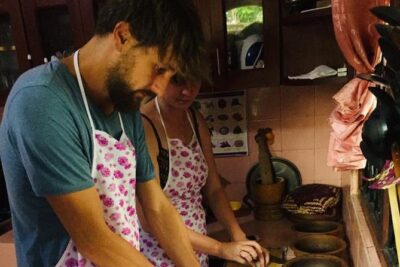
Sri Lankan Cooking Class with Neranji at Homestay
Read our review →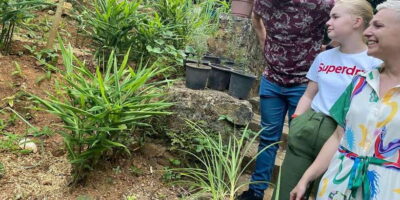
Browse the lists this tour appears in