
Review · ELLA TOURS
Ella Cook With Sadamali
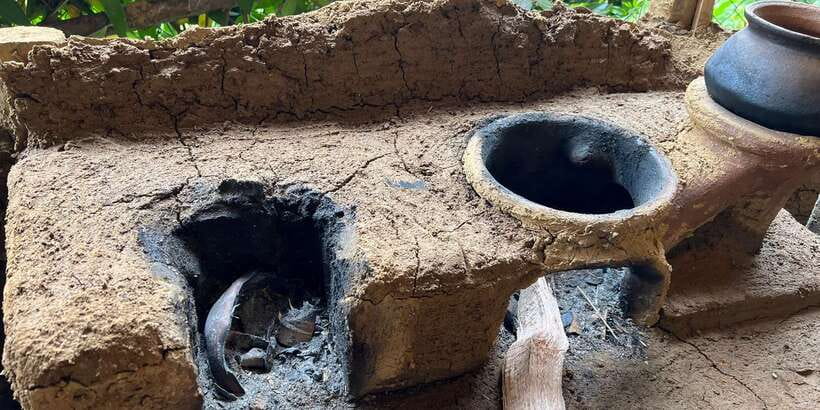
Curry tastes better over a wood fire. That is the appeal of Ella Cook With Sadamali, a small cooking class where you prepare a full Sri Lankan rice and curry meal in an outdoor kitchen. I especially like the use of clay pots and firewood, and I like that you can choose curries to suit a mild or spicy palate. The main thing to consider is the location outside central Ella, since transport is not included.
This is not a sit-back demonstration. You chop, stir, season, and cook, then sit down to eat what you made. Sadamali gets frequent praise for her warm teaching style, clear English, and patience, while the hill views from the cooking area add a memorable setting. If you have food allergies or need a highly customized menu, this class is not a good fit.
In This Review
- Key points at a glance
- Why this Ella cooking class feels different
- Finding the cooking space on Passara Road
- A warm welcome before the cooking begins
- Preparing rice, curries, and coconut sambol
- The outdoor kitchen and hill views
- Eating the meal you prepared
- What the recipes are worth after Sri Lanka
- Price, timing, and overall value
- Who should book this experience
- Useful things to bring and know
- Should you book Ella Cook With Sadamali?
- FAQ
- How long does Ella Cook With Sadamali last?
- How much does the cooking class cost?
- Where does the class meet?
- Is transportation included?
- What food is included?
- Can I take the recipes home?
- Who should not attend the class?
Key points at a glance
- Traditional cooking over firewood: Prepare food with clay pots, local tools, and methods that connect the meal to everyday Sri Lankan cooking.
- A full rice and curry lunch or dinner: The class includes steamed rice, several curries, and a crisp poppadum.
- Small groups of up to eight: The limited size gives Sadamali time to help with each dish and answer questions.
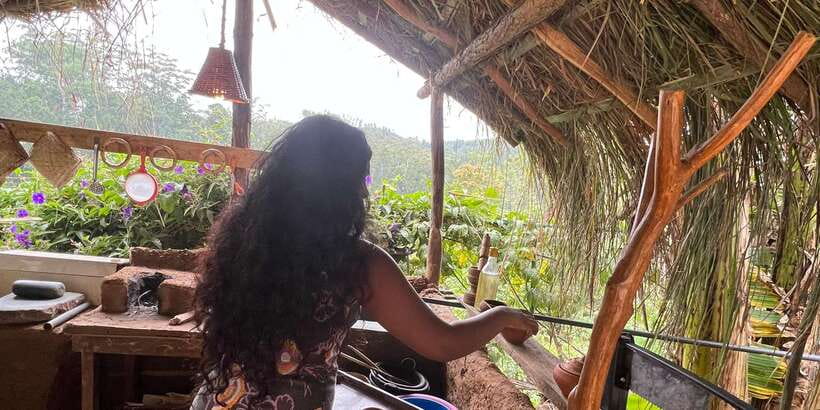
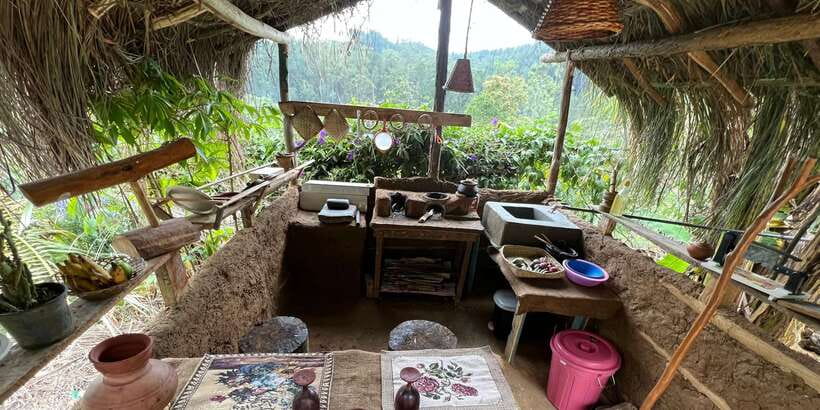
- A scenic outdoor kitchen: The cooking space looks across the hills and gives the class a relaxed, homely feel.
- Curries chosen around your taste: You can discuss spicy or milder dishes and select the curries you want to prepare.
- Recipes to take home: You leave with instructions for the dishes made during the class, not just a full stomach.
Why this Ella cooking class feels different
Ella has no shortage of cafés, viewpoints, and short walks. A cooking class gives you something different: a way to understand the food that appears on nearly every Sri Lankan table.
Rice and curry is not one fixed dish. It is a plate built from separate preparations, often with rice in the center and several vegetable, lentil, coconut, or meat curries around it. The point of this class is to show you how those parts come together, from seasoning the pot to judging when a curry is ready.
Sadamali teaches in a personal setting rather than a large commercial kitchen. The group limit is eight people, and that matters when you are working with unfamiliar utensils or trying to get the spice balance right. You can ask for a step to be shown again instead of trying to follow a demonstration from the back of a crowded room.
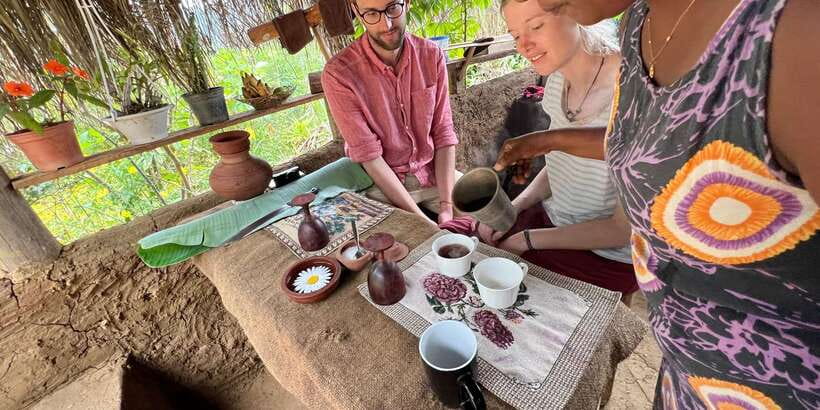
The cooking area is outdoors, with views toward Ella’s hills. That setting is one of the pleasures of the experience, though an outdoor class is naturally more exposed to weather and changing conditions than a restaurant kitchen. Bring comfortable clothes and a camera, as the setting and the finished dishes make good photo subjects.
A few more options to weigh up in Ella
- Ella: Traditional Sri Lankan Cooking Class
★ 4.9 · 788 reviews - Ella: Drop to Tangalle/Hiriketiya/Mirissa/Galle & Yala Tour
★ 4.9 · 518 reviews - Ella: Little Adam’s Peak, Nine Arches Bridge & Waterfalls
★ 4.9 · 402 reviews
Finding the cooking space on Passara Road
From Ella town, travel along Passara Road for about 1.5 kilometers. After you pass Flower Garden Hotel, continue for another 30 meters. Look on the left for the Ella Silloam board, where Sadamali can pick you up.
Transportation to and from the class is not included, so allow time to arrange your own way there. The directions are specific, but the final landmark is a sign rather than a major public attraction. If you are unsure, checking the route before leaving Ella is sensible.
The class is listed as wheelchair accessible. Still, the meeting directions and outdoor kitchen setup may be worth confirming directly if you use a wheelchair or have particular mobility needs. The activity is not suitable for visually impaired people, children under three, or babies under one.
A warm welcome before the cooking begins
The exact opening can vary, but the class has a friendly, home-based feel. Some participants have been welcomed with tea and biscuits before cooking starts, giving everyone a chance to settle in and meet Sadamali.
That small pause is useful. Sri Lankan cooking involves several ingredients, tools, and steps, and you will get more from the class if you are not rushing in from the road. It also helps create the social side of the experience, which is a major part of its appeal.
Sadamali’s approach is part lesson and part conversation. She explains not only what to do, but why certain methods are used. You may see both the older, traditional way of handling a dish and a more modern option that works better in a home kitchen abroad.
Her English is praised as clear, and the class is suitable for people who want instruction rather than a simple meal with a token demonstration. She has also been described as patient with participants who need extra help or have different levels of cooking skill.
Preparing rice, curries, and coconut sambol
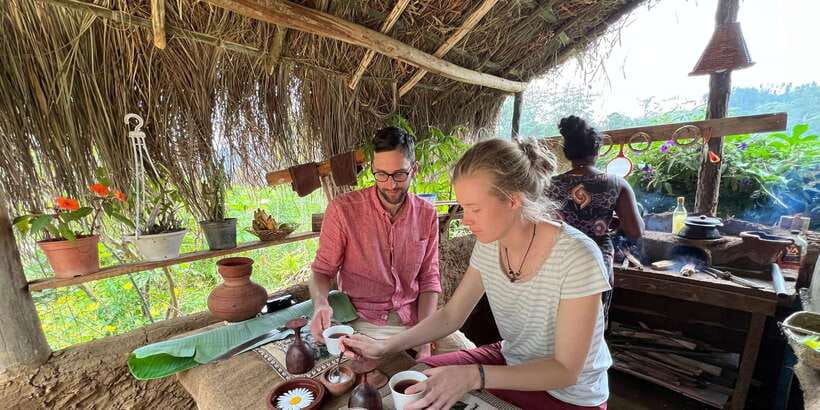
The meal centers on steamed rice and a selection of curries. The menu can be adapted to your preferences, so you can discuss how much heat you want before cooking begins. That is an important advantage because Sri Lankan food can range from gently spiced to seriously fiery.
Past class menus have included three curries, rice, a salad, coconut sambol, and poppadum. The precise combination can vary, but the goal is a complete spread rather than one isolated recipe. You get to see how several dishes with different textures and flavors work together on one plate.
Coconut sambol is especially interesting if you want a hands-on look at a common Sri Lankan accompaniment. One class included fresh coconut prepared in a traditional manner after a participant requested it. That kind of flexibility is part of the small-group benefit, although special dietary requests and customized menu items beyond the included offering are not guaranteed.
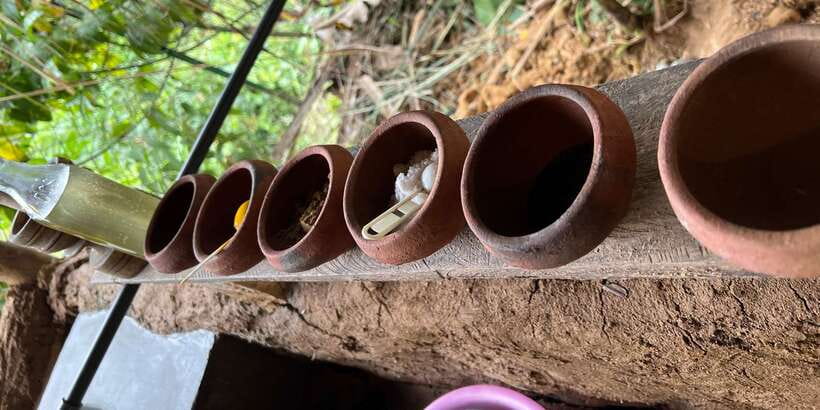
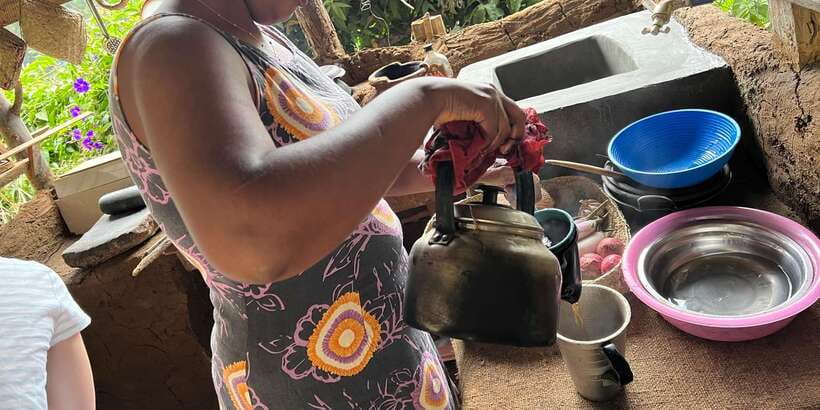
You will work with fresh ingredients and traditional utensils. Participants have used clay pots, wood fires, and other local tools, while Sadamali also explains modern equipment for cooking at home. This comparison makes the lesson more useful: you learn the original method without being told that you need a firewood kitchen to repeat it.
The important lesson is balance. Sri Lankan cooking is not simply a matter of adding as much chili as possible. Sadamali explains how spices build flavor, how sauces develop texture, and how the separate curries should complement one another. For a first-time cook, that guidance turns a pile of ingredients into a meal that feels manageable.
A different kind of day out entirely:
- ELLA: Drop to Tangalle/Hiriketiya/Mirissa/Galle & Yala Tour
★ 4.1 · 336 reviews - From Ella: Drop to Tangalle/Hiriketiya/Mirissa & Yala Safari
★ 4.8 · 296 reviews - Ella: Sri Lankan Cooking Class with Neranji at Homestay
★ 5.0 · 276 reviews - Ella : Cooking class with amazing Spice Garden Tour
★ 5.0 · 239 reviews
The outdoor kitchen and hill views
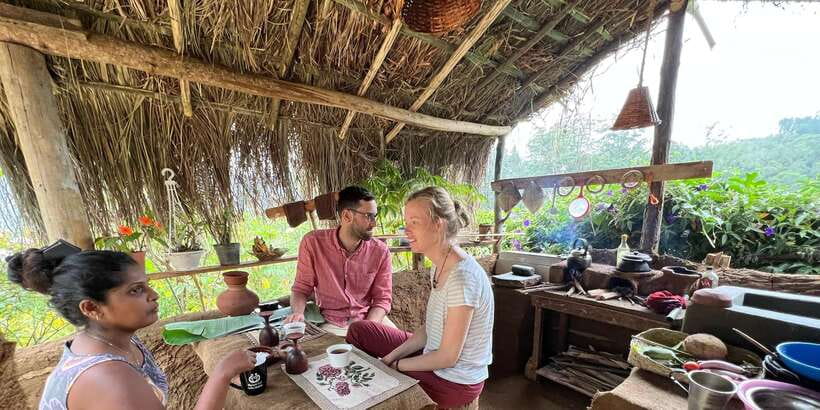
The setting adds a strong sense of place. You cook outside with Ella’s hills in view, rather than sitting inside a polished cooking school designed mainly for visitors. The outdoor kitchen has been described as lovely, intimate, and traditional.
I like that the scenery does not replace the activity. You are still busy preparing food, but you can look up from the cooking area and see the hills while the meal comes together. It gives the class a slower rhythm than a standard indoor lesson.
The family-home atmosphere also helps the class feel personal. You are not being moved through a large production line. Instead, the limited group allows conversation, shared jokes, and time to watch each dish as it cooks.
There are practical tradeoffs. Smoke, heat, and uneven outdoor conditions may not suit everyone, and the class is not the place for visitors with food allergies. The activity information specifically advises attention to food allergies and spicy levels, so discuss those issues before booking rather than assuming the menu can be changed on arrival.
Eating the meal you prepared
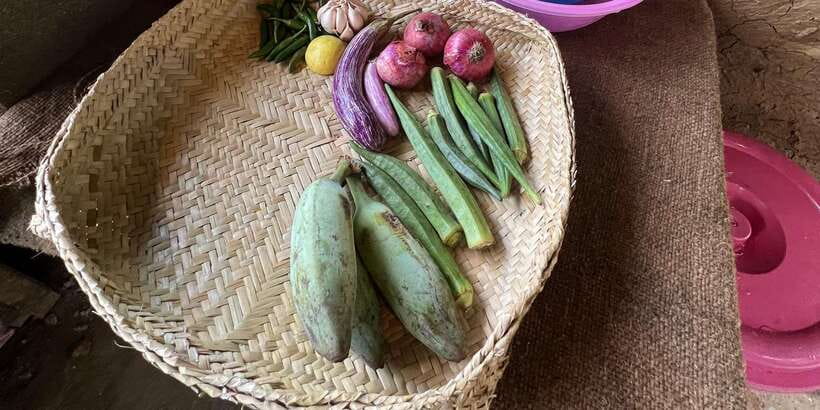
The best part comes when the food is ready and you sit down to eat. The included meal consists of steamed rice, traditional curries, and a crisp poppadum, with the selected dishes forming a colorful spread.
This shared meal gives the class a clear payoff. You are not tasting food prepared entirely by someone else. You can connect each curry to the chopping, stirring, spice choices, and cooking method you just practiced.
Portions have been described as generous, and some participants chose a later class so the finished food became dinner. The listed duration is 2.5 hours, but a class can run longer when conversation and the meal continue. Do not schedule a tight evening connection immediately afterward.
The food is the strongest practical test of a cooking class, and the response here is consistently positive. Dishes have been praised as delicious, diverse, and easy to recreate once the method is explained. That does not mean every dish will match your preferred level of heat, so speak up early about spice.
What the recipes are worth after Sri Lanka
A recipe sheet or photographed recipe is a small but valuable part of this experience. You can take home instructions for the dishes prepared, giving the class a life beyond the afternoon in Ella.
The most useful advice is to photograph each recipe clearly before you leave. One participant specifically took photos of the instructions, while another planned to recreate the dishes back in the United Kingdom. Measurements and ingredients can vary in Sri Lankan home cooking, so it is also worth writing down any substitutions Sadamali suggests for ingredients available in your own country.
The lesson is practical because it covers both traditional tools and modern cooking methods. You can appreciate the clay pot and wood fire in Ella, then adapt the process to a normal kitchen later. That balance makes the class more worthwhile than an activity built only around taking pictures.
Price, timing, and overall value
At $17 per person, this is inexpensive for a 2.5-hour hands-on activity that includes a complete meal and recipes. You are paying not only for lunch or dinner, but also for personal instruction, local context, ingredients, and the use of a traditional cooking setup.
The value is strongest if you want to learn. If you only want to eat Sri Lankan curry, Ella has cheaper and faster options. If you want a meal plus a skill you can carry home, the class offers much more for the money.
The small group improves that value. With a maximum of eight people, Sadamali can give individual attention and adapt the spice level or curry choices within the available menu. A private class may also be possible in some circumstances, but it should not be assumed, since group arrangements can depend on the booking.
The activity allows free cancellation up to 24 hours before the start time for a full refund, and you can reserve now and pay later. Those terms are helpful if your Ella plans depend on weather or train schedules, but they do not remove the need to arrange your own transport.
Who should book this experience
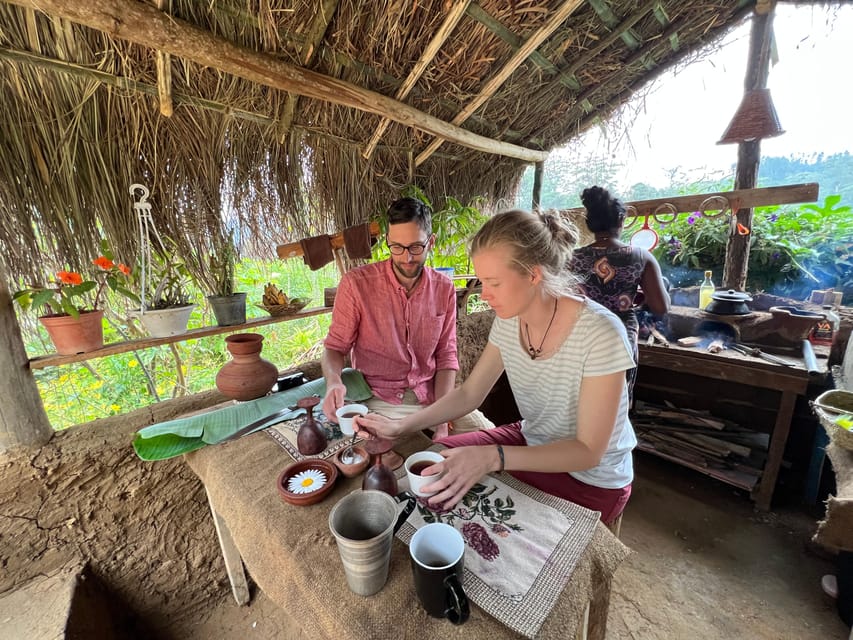
I would choose this class if you enjoy food, like meeting local hosts, and want an activity with real participation. It works particularly well for couples, friends, solo visitors, and small groups who prefer a relaxed lesson to a formal culinary school.
It is also a good choice if you are curious about the difference between restaurant curry and home-style Sri Lankan cooking. The use of clay pots, firewood, fresh coconut, and local utensils gives you details that a standard restaurant meal cannot provide.
Families with very young children should choose another activity because children under three and babies under one are not suitable for this class. People with food allergies should also avoid booking, as special dietary requests are not included.
You should think twice if you dislike outdoor cooking, have very little time, or need a guaranteed custom menu. The class is designed around participation, spice, and a shared meal, so it suits curious eaters better than highly restricted diners.
Useful things to bring and know
Wear comfortable clothes that allow you to work around a cooking area. A camera is worth bringing for the hill views, outdoor kitchen, ingredients, and finished meal.
Pets, smoking, alcohol, and drugs are not allowed. Food allergies and preferred spice level should be treated as important planning points, not minor notes.
The class is small, but not necessarily silent or formal. Expect conversation, hands-on work, and a meal at the end. You may spend extra time chatting if the group is enjoying itself, so keep your schedule flexible.
Should you book Ella Cook With Sadamali?
Yes, if you want an affordable, personal way to understand Sri Lankan food in Ella. The best reasons are the outdoor kitchen, the wood-fire and clay-pot methods, the hill views, and Sadamali’s patient teaching.
I would book it for the experience rather than simply for the food. You get to make several dishes, adjust the meal toward your preferred spice level, eat what you prepared, and take the recipes home.
Skip it if you have food allergies, need a fully customized menu, or prefer a quick indoor activity. For everyone else, $17 buys a generous slice of local life, with enough practical instruction to keep cooking Sri Lankan curry after your holiday ends.
FAQ
How long does Ella Cook With Sadamali last?
The cooking class lasts 2.5 hours. Some sessions may continue longer if the group spends extra time cooking, eating, and talking.
How much does the cooking class cost?
The price is $17 per person.
Where does the class meet?
From Ella town, follow Passara Road for about 1.5 kilometers. After passing Flower Garden Hotel, continue another 30 meters and look for the Ella Silloam board on the left.
Is transportation included?
No. Transportation to and from the cooking class location is not included.
What food is included?
The meal includes steamed rice, a selection of traditional Sri Lankan curries, and a crisp poppadum. The menu can be adjusted toward spicy or milder preferences within the available choices.
Can I take the recipes home?
Yes. Recipes for the dishes prepared during the class are included.
Who should not attend the class?
The class is not suitable for children under three, babies under one, visually impaired people, or people with food allergies. Pets, smoking, alcohol, and drugs are not allowed.
Just added in Ella
- Sri Lanka private tour package 10 Days. and luxury hotel★ 5.0 · 3 reviews
- Sri Lanka Private 10-Day Round Tour Car, Guide, Hotels, Food★ 4.8 · 10 reviews
- Sri Lanka, Kandy: Hill Country 3-Day Private Tour★ 5.0 · 1 review
- Cooking Experience from Ella★ 4.9 · 2 reviews
- Sri Lanka: 9-Day Private Round Tour With H/B Accommodation★ 5.0 · 1 review
- Sri Lanka: 2N3Day guided FULL TOUR with hotel accommodations★ 5.0 · 2 reviews
- Private Tour from Ella to Hiriketiya with Yala Safari★ 5.0 · 1 review
- Private cooking class – Personalized classic menu★ 5.0 · 5 reviews
Ella Tours, compared.

Drop to Tangalle/Hiriketiya/Mirissa/Galle & Yala Tour
Read our review →
Little Adam’s Peak, Nine Arches Bridge & Waterfalls
Read our review →Drop to Tangalle/Hiriketiya/Mirissa/Galle & Yala Tour
Read our review →
Drop to Tangalle/Hiriketiya/Mirissa & Yala Safari
Read our review →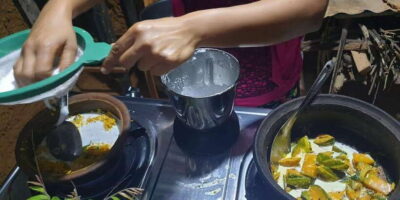
Sri Lankan Cooking Class with Neranji at Homestay
Read our review →

Yala Safari with Tangalle/Mirissa/Galle Drop-off
Read our review →Browse the lists this tour appears in