
Review · COOKING CLASSES
Ella : Cooking class with amazing Spice Garden Tour
Sri Lankan flavor starts in the garden. This four-hour experience combines a guided walk through Ella Nine Arch Spice Garden with a hands-on cooking class, giving you both the ingredients and the recipes behind a classic Sri Lankan meal. You explore more than 100 plants, then prepare curries, sambol, rice, banana chips, and papadam in a local kitchen.
I like the plant-by-plant garden tour, especially the chance to see cinnamon, vanilla, cocoa, nutmeg, clove, curry leaves, and garcinia growing rather than meeting them only as dried powders. I also like the generous meal and friendly teaching style, with cooks such as Nalini guiding the group through each step. The main consideration is that hands-on means shared preparation: one participant noted that there was more chopping, watching, stirring, and tasting than cooking every dish entirely alone.
In This Review
- Key points at a glance
- Why this Ella experience works so well
- Walking through the 2.5-acre spice garden
- Learning Sri Lankan cooking over a traditional fire
- The seven-curry meal you help prepare
- Eating from banana leaves
- What makes the garden-to-table format valuable
- Timing, transport, and practical details
- Who should book this class
- Should you book Ella Spice Garden Cooking Class?
- FAQ
- How long does the Ella spice garden and cooking class last?
- How much does the experience cost?
- How many people can join the class?
- What language is the class taught in?
- Is the class suitable for vegetarians and vegans?
- What food will I prepare?
- Is pickup available?
- What is included after the cooking lesson?
Key points at a glance
- A 2.5-acre family garden: More than 100 spice, fruit, herb, and medicinal plants grow across the property.
- A full Sri Lankan meal: You prepare rice, several curries, sambol, banana chips, and papadam, then eat together on banana leaves.
- Traditional fireplace cooking: The class takes place in a local kitchen using a traditional cooking fire.
- Small groups of up to eight: A group of four or five gives you plenty of room to ask questions and take part.
- Good for vegetarians and vegans: The chicken dish can be replaced, and vegetarian and vegan food is available when requested.
- Useful extras: You receive a PDF recipe book, can browse the spice showroom, and have access to Starlink WiFi.
Why this Ella experience works so well
Ella has no shortage of cooking classes, but this one adds a useful first chapter. Instead of beginning with bowls of prepared spices, you walk through the garden and see where many ingredients come from. That link between plant and plate gives the cooking lesson more meaning.
The experience is run by Ella Nine Arch Spice Garden, a family business. The atmosphere described by the teaching team is warm and informal, closer to cooking with relatives than attending a formal demonstration. Senaka, Sam, Upulu, and Nalini are among the hosts and instructors named by participants, with different people helping in the garden and kitchen.
At $32 per person, the price is fair for four hours. You are not paying only for a short cooking demonstration. The cost includes a one-hour garden tour, roughly three hours of cooking, refreshments, dessert, a large shared meal, recipes, and access to the spice showroom. Pickup can also be arranged from your accommodation for a reasonable additional price.
The one point to understand before booking is the format. You cook as a group, so you may not personally fry, simmer, or season every single dish. The strength is the shared rhythm: washing, chopping, grinding, stirring, tasting, and learning how the dishes fit together.
More Cooking Classes in Ella
- Ella: Traditional Sri Lankan Cooking Class
★ 4.9 · 788 reviews - Ella: Sri Lankan Cooking Class with Neranji at Homestay
★ 5.0 · 276 reviews - Ella Sri Lanka : Mom’s Kitchen Cooking class
★ 5.0 · 113 reviews
Walking through the 2.5-acre spice garden
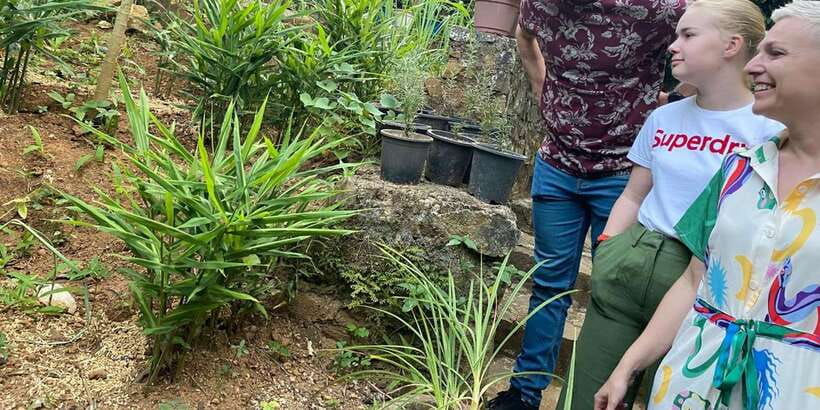
The garden is the first major part of the experience, and it is more than a small collection of potted herbs. It covers about 2.5 acres and contains more than 100 plants. The tour is guided for one hour, with explanations about how the plants grow and how people use them in food and traditional medicine.
You might see familiar kitchen ingredients in a new form. Cinnamon is not simply a stick in a jar, and nutmeg is not just a grated brown powder. Seeing these plants growing helps explain why Sri Lankan food has such a strong connection to its local surroundings.
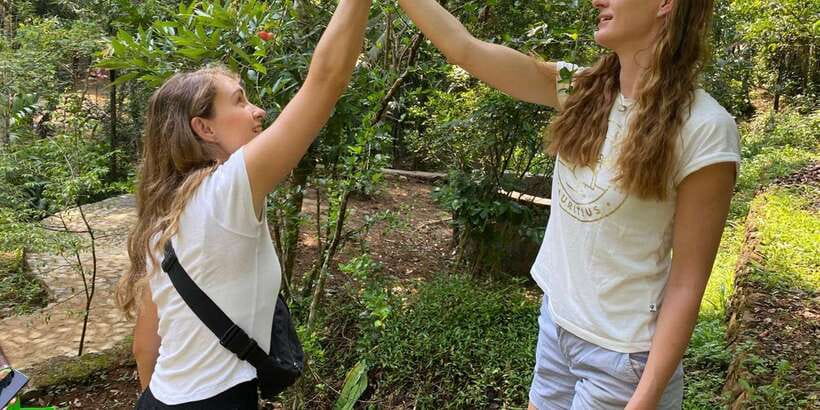
The tour includes garcinia, vanilla, cocoa, curry leaves, nutmeg, clove, cinnamon, and many other plants. Some participants also described tasting fresh fruit directly from the trees, along with smelling and touching parts of the plants. That sensory side makes the walk more memorable than a basic botanical talk.
The garden also includes fruit trees and other plants, with descriptions referring to avocados, cacao, vanilla, herbs, roots, and medicinal plants. The name spice garden may undersell the size and variety of the place. Give yourself time to look closely, since the most interesting details are often in the way a plant is processed or used.
The guide’s English is an important part of the experience. Senaka and Sam were praised for explaining the plants clearly, while Upulu was noted for his detailed knowledge of spices and their everyday uses. You can ask questions as you go, which is especially helpful if you cook at home and want to understand which ingredients can be substituted outside Sri Lanka.
There is a practical point here: the garden is outdoors. If your class overlaps with sunset, bring mosquito spray. Comfortable shoes are also sensible because the tour covers a large garden rather than a short paved path.
Learning Sri Lankan cooking over a traditional fire
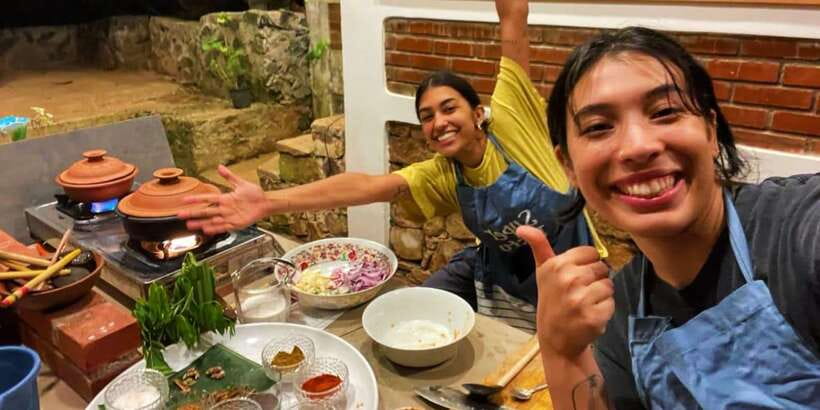
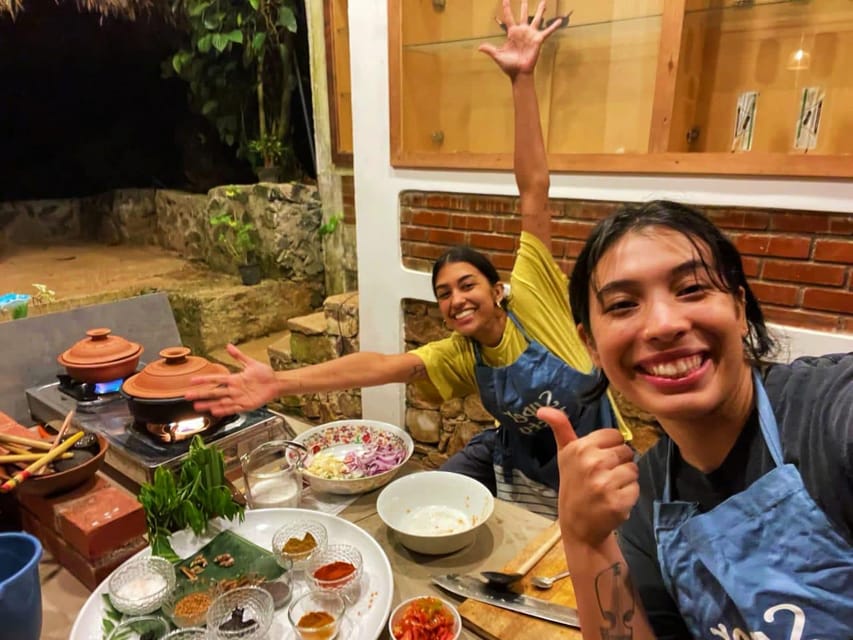
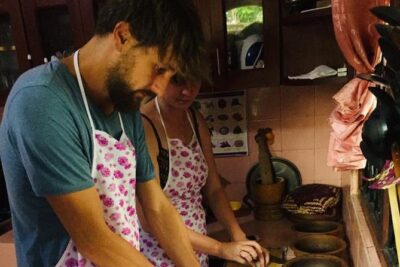
After the garden tour, you move to the kitchen for the main lesson. The setting uses a traditional fireplace, which gives the class a more local character than a modern cooking studio with electric burners and neatly arranged stations.
The cooking lasts about three hours. The instructors explain the ingredients, show each step, and then divide the preparation among the group. You may wash vegetables, chop ingredients, prepare coconut, stir a curry, taste for seasoning, and help with the finishing touches.
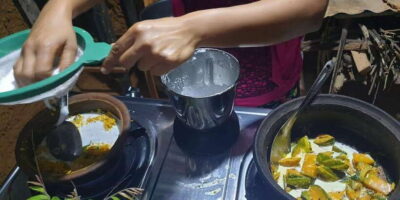
One of the most useful lessons is making fresh coconut milk by hand. Coconut milk is central to many Sri Lankan curries, and preparing it yourself shows the difference between a fresh household method and opening a packaged carton. You also make coconut sambol, another simple but important part of the meal.
The instructors keep the process approachable. You do not need advanced cooking skills, and the guidance is described as clear enough for beginners. At the same time, confident home cooks can learn small techniques, such as how spices are prepared, how flavors are balanced, and when coconut milk is added.
The class is not a race. Several accounts describe a relaxed pace, with time to ask questions and taste the food as it develops. That matters because Sri Lankan cooking is less about one complicated recipe and more about building several dishes that work together.
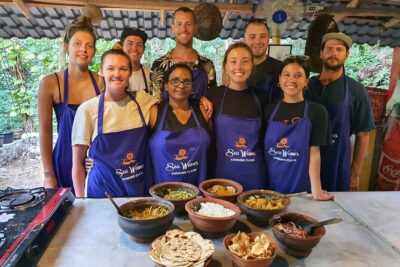
The group format also adds a social side. With a maximum of eight people, the room stays small enough for everyone to participate. A group of seven was described as comfortable, while smaller groups of four or five allowed especially easy conversation. You will share the work with people from different countries, then sit down together at the end.
The seven-curry meal you help prepare
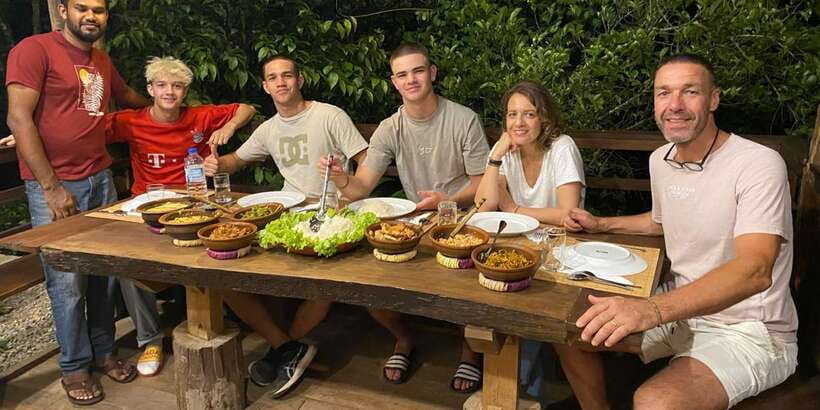
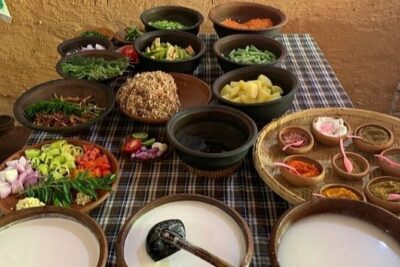
The exact mix can vary slightly, but the planned menu is broad. It includes:
- White rice
- Pumpkin or dhal curry
- Potato milk curry
- Mushroom curry
- Green bean curry
- Chicken curry
- Coconut sambol
- Crispy banana chips
- Papadam
- Dessert
The word seven curries does not mean you sit through seven identical bowls of sauce. The point is variety. You get different textures, colors, levels of heat, and uses for coconut and spices.
The potato milk curry offers a gentle, creamy counterpoint to stronger vegetable or chicken dishes. Pumpkin and dhal bring softness, while mushroom and green bean curries add firmer textures. Coconut sambol brings freshness and bite, and banana chips add crunch.
The banana chips received special praise for their crisp texture and pairing with sambol. Preparing coconut sambol and coconut milk directly from a coconut was also singled out as one of the most satisfying parts of the class. These are small tasks, but they show how much work goes into everyday Sri Lankan food.
Chicken is included in the standard menu, but vegetarian and vegan versions can be arranged if needed. One vegetarian participant had the chicken curry replaced with an omelette, while other dishes remained suitable for a meat-free meal. Tell the provider about your needs when booking so the class can be prepared properly.
Spice levels can also be adjusted. The food is seasoned in a Sri Lankan style, but the teaching team has adapted heat levels for different groups. Do not assume every dish will be mild. If you are sensitive to chili, say so early rather than waiting until the pot is already simmering.
A different kind of day out entirely:
- Ella: Drop to Tangalle/Hiriketiya/Mirissa/Galle & Yala Tour
★ 4.9 · 518 reviews - Ella: Little Adam’s Peak, Nine Arches Bridge & Waterfalls
★ 4.9 · 402 reviews - ELLA: Drop to Tangalle/Hiriketiya/Mirissa/Galle & Yala Tour
★ 4.1 · 336 reviews - From Ella: Drop to Tangalle/Hiriketiya/Mirissa & Yala Safari
★ 4.8 · 296 reviews
Eating from banana leaves
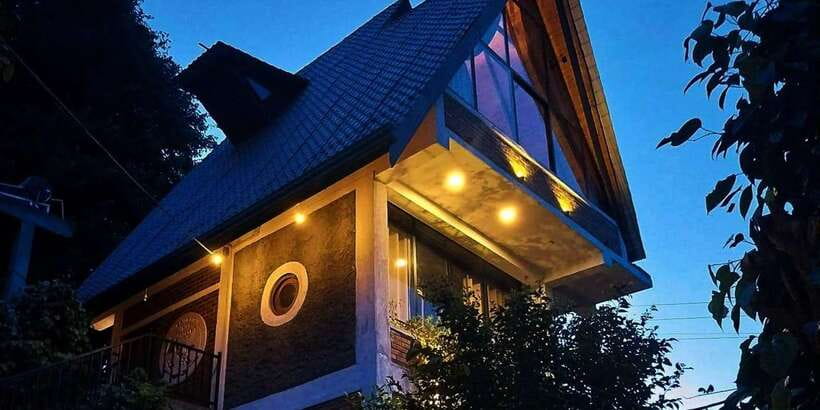
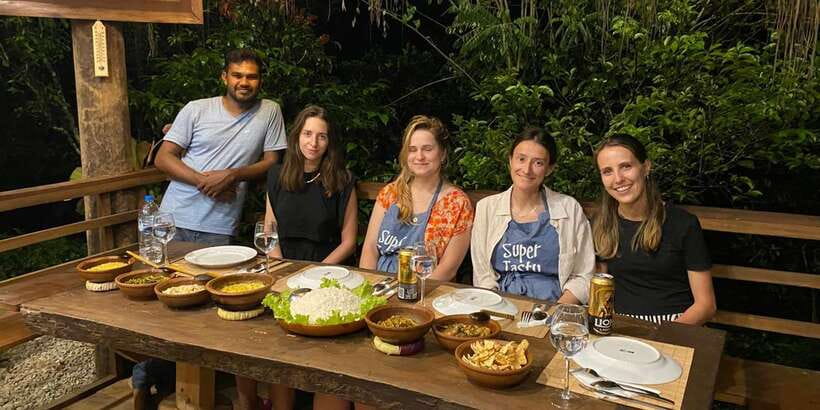
The reward comes after the cooking. The meal is served on banana leaves, and you eat the dishes you helped prepare. This presentation is not just attractive. It suits the communal nature of the meal, with rice surrounded by small portions of curries, sambol, papadam, and chips.
Portions are generous. Several participants described having more food than they could finish, so arrive hungry. The meal can easily become the largest one you eat that day, especially after four hours of walking, chopping, cooking, and tasting.
Eating together is part of the lesson. You can compare the curries, see how the flavors work side by side, and ask final questions about recipes and ingredients. It also turns the class into a social evening rather than a simple food demonstration.
Dessert is included, though the exact dessert is not specified in the available information. You also receive the recipes as a PDF, which is useful because memory alone will not preserve the quantities and order of preparation.
What makes the garden-to-table format valuable
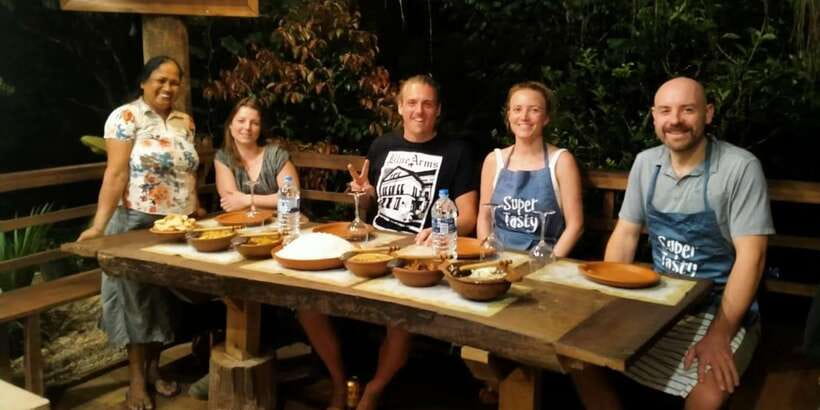
Many cooking classes give you recipes. This one gives you context first. When you see vanilla, cinnamon, curry leaves, cacao, and medicinal plants in the soil, the spices in the kitchen feel less like anonymous ingredients.
The garden also offers a window into the link between cooking and traditional plant use. The guide explains both culinary purposes and medicinal uses, so you learn that these plants are not grown only for export or tourist display. They are part of household food culture and local knowledge.
I also like that the experience is family-run. The cooking teachers are not simply reading a script. The warm approach described by participants suggests that the class grows from everyday cooking practices and family recipes. That helps explain why the meal feels substantial rather than designed only for presentation.
There is a small tradeoff. If you want a highly technical culinary lesson, with your own workstation and full control of every dish, this may feel too communal. If you want to understand Sri Lankan food, help prepare a wide meal, and eat well in a local setting, the format works much better.
Timing, transport, and practical details
The total duration is four hours, including one hour in the garden and about three hours in the kitchen. Starting times depend on availability, so check the schedule when you reserve.
Pickup can be arranged from anywhere for a reasonable price. This may be useful because the location is outside central Ella and the class can finish later in the day. One participant specifically appreciated having a comfortable transfer arranged after the evening session.
The instructor language is English. The maximum group size is eight, which is small enough for questions and shared participation without making the class feel private.
You can cancel up to 24 hours before the activity for a full refund. A reserve-now, pay-later option is also available, which helps if you are still arranging your time in Ella.
Free Starlink WiFi is provided, and there is a spice showroom on site. You can buy spices to take home, including vanilla, which can be difficult to find elsewhere. Treat this as an optional extra rather than the reason to book, but it is convenient if you want to recreate the meal later.
Who should book this class
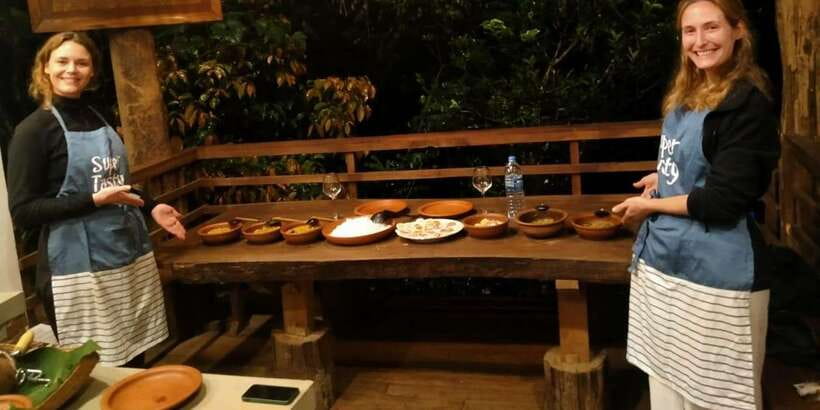
I would recommend it most strongly to people who enjoy food, plants, and meeting local families. It suits couples, solo visitors, small groups of friends, and families with older children who can take part in chopping and preparation.
It is also a good choice for vegetarians and vegans, provided you request the right menu in advance. Beginners should feel comfortable, since the instructions are designed to be easy to follow.
You may want a different type of class if you need strict one-to-one instruction, a fully private kitchen, or a highly formal culinary course. The dishes are prepared collectively, and the teaching style is friendly rather than professional-school formal.
Bring mosquito spray if your session runs toward sunset. Wear clothing and shoes that are comfortable for an outdoor garden walk and a working kitchen. Most of all, arrive hungry and leave room for the final banana-leaf meal.
Should you book Ella Spice Garden Cooking Class?
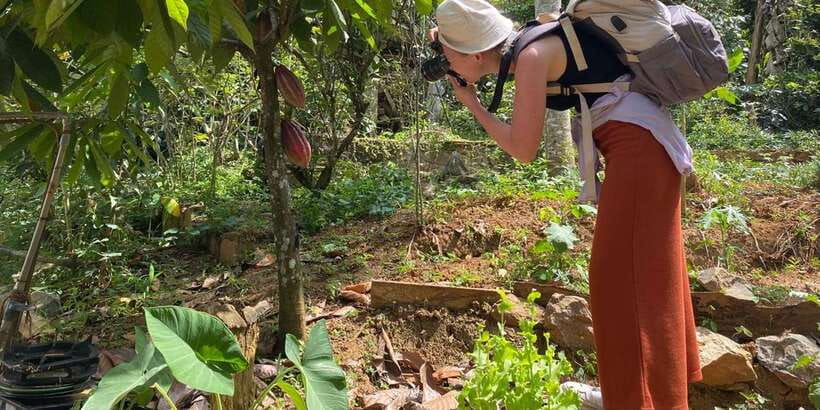
Yes, if you want more than a quick recipe lesson. The combination of a large working garden, traditional fireplace cooking, fresh coconut preparation, several curries, and a generous shared meal gives you a full afternoon or evening for $32.
I especially value the way the garden explains the food before you cook it. You see the plants, learn how they are used, prepare the dishes with guidance, and then taste the result. That clear connection makes the experience useful long after you leave Ella.
Book it if you enjoy group cooking and want a warm, social introduction to Sri Lankan food. Skip it only if you prefer a private, chef-led class where you personally make every dish from start to finish.
FAQ
How long does the Ella spice garden and cooking class last?
The experience lasts four hours. About one hour is used for the guided spice garden tour, followed by roughly three hours of cooking.
How much does the experience cost?
The listed price is $32 per person.
How many people can join the class?
The class is limited to eight participants, making it a small-group experience.
What language is the class taught in?
The garden tour and cooking class are conducted in English.
Is the class suitable for vegetarians and vegans?
Yes. Vegetarian and vegan dishes are available if needed. The chicken dish can also be replaced with another option, such as an omelette.
What food will I prepare?
The menu includes white rice, pumpkin or dhal curry, potato milk curry, mushroom curry, green bean curry, chicken curry, coconut sambol, crispy banana chips, papadam, and dessert. The exact combination may vary slightly.
Is pickup available?
Yes. Pickup can be arranged from anywhere for a reasonable price to the garden.
What is included after the cooking lesson?
You eat the meal you prepared, served on banana leaves. Refreshments, dessert, a PDF recipe book, access to the spice showroom, and free Starlink WiFi are included.
Just added in Ella
- Sri Lanka private tour package 10 Days. and luxury hotel★ 5.0 · 3 reviews
- Sri Lanka Private 10-Day Round Tour Car, Guide, Hotels, Food★ 4.8 · 10 reviews
- Sri Lanka, Kandy: Hill Country 3-Day Private Tour★ 5.0 · 1 review
- Cooking Experience from Ella★ 4.9 · 2 reviews
- Sri Lanka: 9-Day Private Round Tour With H/B Accommodation★ 5.0 · 1 review
- Sri Lanka: 2N3Day guided FULL TOUR with hotel accommodations★ 5.0 · 2 reviews
- Private Tour from Ella to Hiriketiya with Yala Safari★ 5.0 · 1 review
- Private cooking class – Personalized classic menu★ 5.0 · 5 reviews
Cooking Classes, compared.
Organic cooking class sigiriya (kumara & family)
Read our review →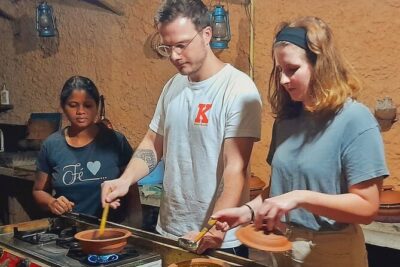
Sri Lankan Cooking Class with Neranji at Homestay
Read our review →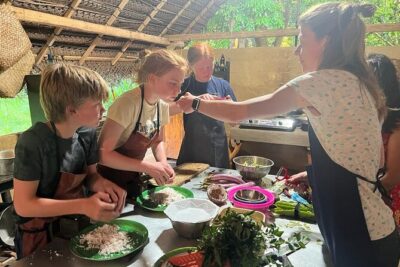
Browse the lists this tour appears in