
Review · COOKING CLASSES
Cooking Experience from Ella
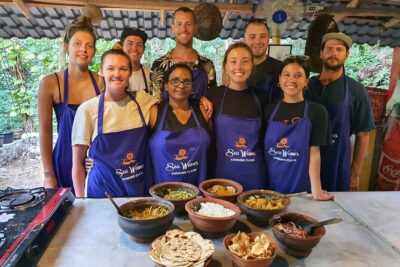
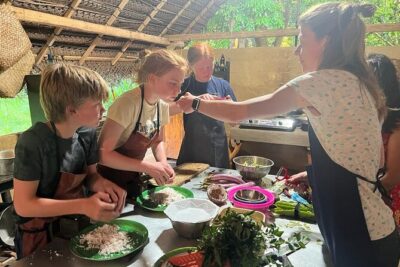
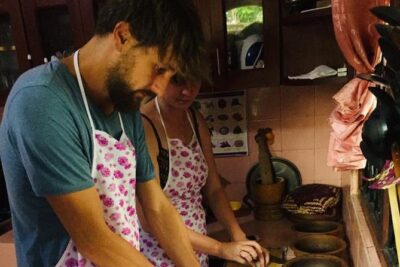
Sri Lankan spices tell a story. This private five-hour class from Ella puts you beside a chef and village cooks as you prepare classic dishes, rather than simply watching a polished kitchen demonstration. I like the private format, which gives you room to ask questions, and I like that you eat the food you help make. The main drawback is practical: hotel pickup and drop-off are not included.
You begin with a tour of the cooking area and equipment, then work through recipes using cinnamon, cardamom, cloves, dill, and curry leaves. The class is in English, but one recorded 4 out of 5 comment compares the experience with Laos and Cambodia and calls it less wild and challenging. That is useful context: this is a food lesson, not an adventure activity.
In This Review
- Key points to know before booking
- Why this Ella cooking class is worth your time
- Arriving and getting oriented in the cooking area
- Learning how Sri Lankan spices work together
- Preparing kiribath, Sri Lanka’s milk rice
- Making sour fish curry and crab curry
- Adding potato curry, achcharu, and kokis
- Sitting down to eat what you prepared
- What $60 per person buys you
- Who should book this private cooking experience
- Timing, language, and practical planning
- Should you book it?
- FAQ
- Where does the cooking experience take place?
- How long does the cooking class last?
- How much does the experience cost?
- Is the class private?
- What language is the instruction in?
- Who leads the cooking class?
- Which dishes might I prepare?
- Is hotel transportation included?
- Can I cancel for a refund?
Key points to know before booking
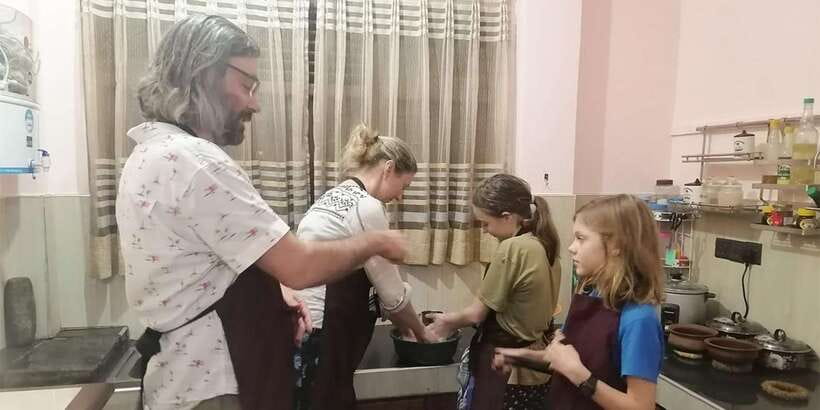
- Five hours of hands-on cooking: You do more than watch, with guidance from the chef and experienced village cooks.
- A private group: Your cooking pace and questions are not shared with a large class.
- Several classic dishes: The menu can include kiribath, sour fish curry, potato curry, crab curry, achcharu, and kokis.
- Spice skills are central: You learn how to balance strong ingredients so they support a dish rather than overpower it.
- A full meal at the end: You sit down to enjoy the dishes you helped prepare.
- Plan your own transport: The $60 price does not include hotel pickup or drop-off.
Why this Ella cooking class is worth your time
Sri Lankan food can look simple on the plate, but its flavor comes from careful balance. Cinnamon, cardamom, cloves, dill, and curry leaves each bring a different note. The trick is not tossing in every spice you have. It is knowing how much to use and when to add it.
That makes this class more useful than a cooking show where you only take photographs. You get to see the equipment, follow the methods, and try the work yourself. I especially like the focus on controlling spice. A dish can be hot, fragrant, sour, sweet, or creamy without becoming a confused pile of flavors.
You also get local guidance from the chef and experienced village cooks. The supplied information does not provide their names, so you should not expect a named celebrity chef. The appeal is the chance to learn practical home-style methods from people who work with these ingredients regularly.
The private setup matters. You can ask why one spice goes in before another, how a curry changes as it cooks, or what gives a dish its sour edge. In a large group, you might be standing at the back and copying motions. Here, the design is more personal.
More Cooking Classes in Ella
- Ella: Traditional Sri Lankan Cooking Class
★ 4.9 · 788 reviews - Ella: Sri Lankan Cooking Class with Neranji at Homestay
★ 5.0 · 276 reviews - Ella : Cooking class with amazing Spice Garden Tour
★ 5.0 · 239 reviews
Arriving and getting oriented in the cooking area
The class starts when the chef greets you and shows you around the cooking area. You also receive an introduction to the equipment you will use. This opening may sound basic, but it helps you understand the working space before the food preparation begins.
I would pay close attention during this part. The equipment can tell you a lot about how the dishes are made, and the chef can explain the order of work before several pans and ingredients compete for your attention. Since the class lasts five hours, the pace should leave room for explanation as well as cooking.
The location is in Sri Lanka’s Eastern Province, with the experience offered from Ella. Hotel transport is not included, so you need to arrange your own way to the cooking venue. The exact meeting point and start time should be checked when you select a date, since the class has several possible starting times depending on availability.
Learning how Sri Lankan spices work together
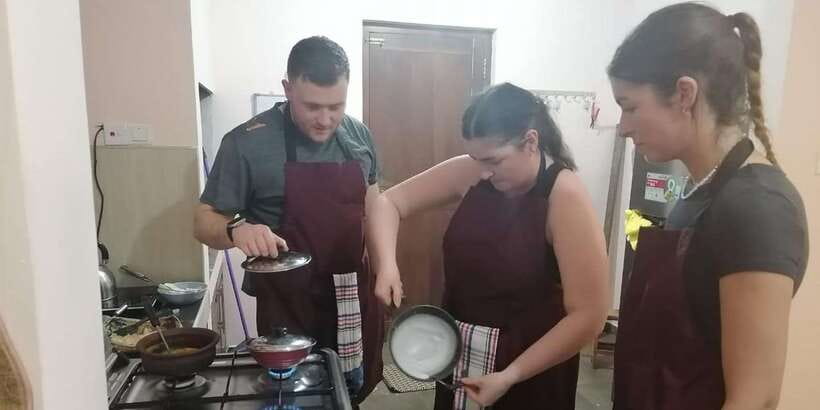
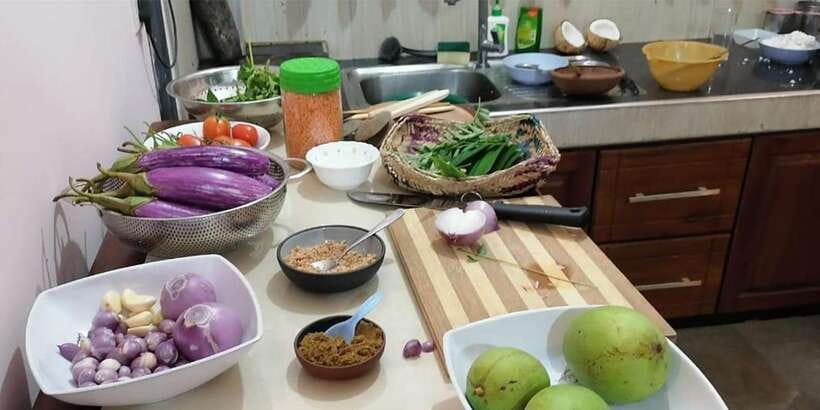
The heart of the class is spice control. Sri Lankan cuisine is known for strong seasoning, but strong does not mean careless. Cinnamon can add warmth, cardamom perfume, cloves depth, and curry leaves a distinctive savory scent. Dill brings a different herbal note, while other ingredients help create the balance of the finished dish.
You learn methods for using these flavors without letting one ingredient take over. That is a skill you can carry home. A recipe is useful, but knowing how to judge balance is even better when you do not have exactly the same brand of spice or the same cooking equipment in your own kitchen.
The English-language instruction should make the lesson accessible to visitors who do not speak Sinhala. The class is described as a cookery demonstration with hands-on learning, so expect a mix of watching, listening, preparing, and tasting. The precise amount of work you do with each dish is not specified, but the experience is designed for you to try the recipes under guidance.
Preparing kiribath, Sri Lanka’s milk rice
One possible dish is kiribath, or milk rice. It is a simple-sounding preparation with an important place in Sri Lankan cooking. The class gives you a chance to learn the method rather than meet it only as a finished dish.
Kiribath is also a good lesson in texture. Rice cooked with milk needs attention to consistency, and small changes in cooking can affect the result. Watch the chef’s timing and ask how the finished texture should feel. This is the sort of detail that often gets left out of a printed recipe.
Because the dishes are prepared as part of one meal, you also see how a mild rice dish fits beside sharper curries and pickled flavors. That is part of understanding the meal as a whole, not just learning isolated recipes.
A different kind of day out entirely:
- Ella: Drop to Tangalle/Hiriketiya/Mirissa/Galle & Yala Tour
★ 4.9 · 518 reviews - Ella: Little Adam’s Peak, Nine Arches Bridge & Waterfalls
★ 4.9 · 402 reviews - ELLA: Drop to Tangalle/Hiriketiya/Mirissa/Galle & Yala Tour
★ 4.1 · 336 reviews - From Ella: Drop to Tangalle/Hiriketiya/Mirissa & Yala Safari
★ 4.8 · 296 reviews
Making sour fish curry and crab curry
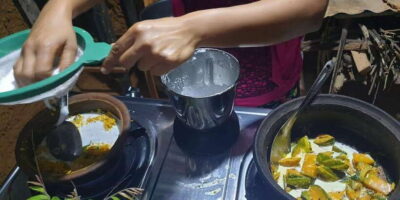
Maalu ambul thiyal, or sour fish curry, brings a more pronounced flavor to the table. Its sour character gives you another lesson in balance. The goal is not simply to make something sour, but to combine that sharpness with spice and the other elements of the dish.
The information provided does not specify the type of fish or the exact cooking equipment used, so I would treat the class as an introduction to the method rather than a promise of one fixed recipe. Recipes can change with local ingredients, and the chef’s demonstration should help you understand the process even if your home version differs.
Crab curry offers a different kind of challenge. Crab requires attention to the shellfish itself and to the sauce around it. Since it is included among the possible dishes, you may get to see how a rich curry is built and how the seasoning works with seafood. If you have dietary restrictions, ask about the menu before booking, since the cooking selection includes fish and crab.
The two seafood dishes also make the class feel broader than a single curry lesson. You get a chance to compare sour, spicy, and savory profiles within the same cooking session.
Adding potato curry, achcharu, and kokis
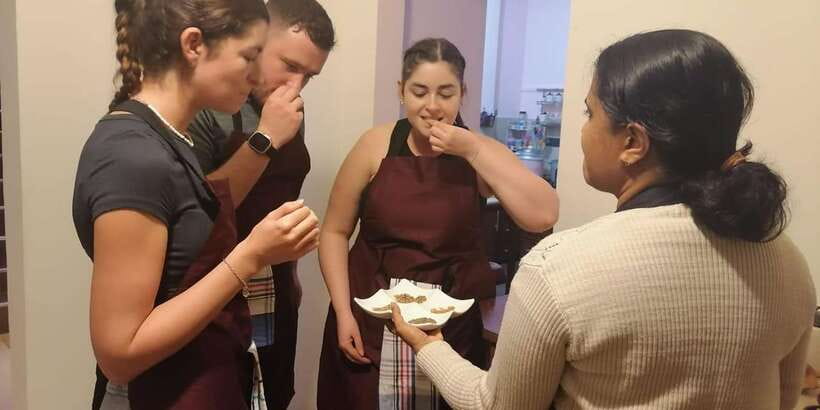
Potato curry gives the meal a familiar anchor. Potatoes absorb seasoning well, making them a useful ingredient for learning how spices move through a sauce. You can focus on the flavor base without needing to manage a delicate ingredient.
Achcharu adds contrast. It is a Sri Lankan pickle preparation, and its sharp, bright character can cut through richer food. This is where the class helps you understand why a meal includes several different textures and flavor levels. A plate is not meant to taste the same from one side to the other.
Kokis provides another change of pace. It is a Sri Lankan preparation with a distinct shape and crisp texture. The supplied details do not explain the exact technique or equipment used for making it, so I would listen closely to the chef’s instructions and watch the demonstration before trying it yourself.
Together, these dishes give the lesson a useful range: rice, curry, seafood, vegetables, pickle, and a crisp item. You are not learning only one sauce and calling it a day.
Sitting down to eat what you prepared

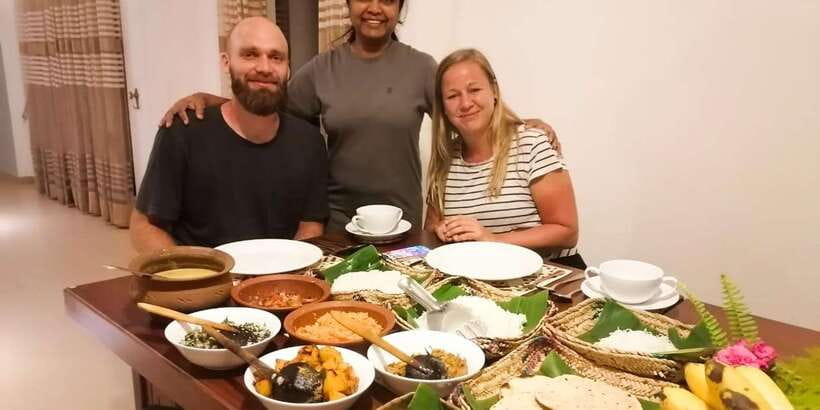
At the end of the class, you enjoy the dishes you made. This final meal is more than a reward, although it certainly serves that purpose. It lets you judge the seasoning, texture, and balance while the cooking steps are still fresh in your mind.
I like this part because it turns the lesson into a complete experience. You can think back to the moment a spice was added or a curry was adjusted, then taste the result on your plate. If something seems too hot, too sour, or too mild, you can ask about it while the chef is still nearby.
The meal also helps you decide which recipes you will actually cook at home. Kiribath may be easier to repeat than crab curry, while achcharu or potato curry may be more practical for a regular kitchen. You leave with a better sense of what suits your own cooking habits.
What $60 per person buys you
At $60 per person, the value depends on what you want from the experience. If you are looking only for lunch, this is not the cheapest way to eat. The price includes five hours of instruction, a private class, a cookery demonstration, hands-on practice, guidance from the chef and village cooks, and the meal you prepare.
That makes the price easier to justify for people who value participation. You are paying for time, attention, recipes, technique, and a meal rather than just a plate of food. The private format is especially useful if you want to ask many questions or move at your own pace.
Still, remember the exclusions. Personal expenses are not included, and you arrange your own hotel transport. Those costs can affect the final budget, particularly if the cooking venue is not close to where you are staying in Ella.
The class is best value for food-minded visitors who want to understand Sri Lankan cooking. It is less suited to anyone seeking a low-cost meal, a short activity, or a dramatic challenge. One available comment describes the experience as less wild and difficult than activities in Laos and Cambodia. That comparison reinforces the point: choose it for food and contact with local cooking practice, not for adrenaline.
Who should book this private cooking experience
I would recommend it to couples, families, and small private groups who enjoy learning by doing. It also suits anyone who has eaten Sri Lankan food and wants to understand the spices behind it. The English instruction makes it practical for international visitors.
It may be a good choice if you have a five-hour block in your Ella plans and want an activity with a clear beginning, middle, and end. You tour the space, learn the techniques, prepare several dishes, and eat together.
I would think twice if you dislike seafood, since the food selection can include sour fish curry and crab curry. I would also check the details before booking if you need a specific vegetarian or allergy-friendly menu, because no special menu is stated in the available information.
The private group format can make the price worthwhile for people who prefer personal attention. If you are traveling alone, $60 is still a substantial spend, but the value improves if you care about taking home useful cooking skills rather than simply filling an afternoon.
Timing, language, and practical planning
The activity lasts five hours, so do not place it next to another tightly scheduled excursion. Cooking takes time, and the final meal is part of the experience. Check the available starting times when you choose your date.
Instruction is in English. The chef leads the class with experienced village cooks, and the class is intended as a private group rather than a shared public session.
Cancellation is flexible up to 24 hours before the activity for a full refund. You can also reserve now and pay later, which helps if your Sri Lanka plans are still changing. These policies are useful, but the more important planning point is transport: hotel pickup and drop-off are not included.
Should you book it?
Book this class if you want a patient, food-focused look at Sri Lankan cooking, especially the use of spices and the balance between rice, curry, seafood, pickle, and crisp dishes. The five-hour length, private setting, English instruction, and meal at the end give the experience real substance.
Skip it if you want a fast demonstration, a cheap lunch, or a physically demanding activity. At $60 per person, it earns its price through personal instruction and hands-on work. For a curious cook spending time in Ella, that is a fair trade.
FAQ
Where does the cooking experience take place?
The experience is located in Sri Lanka’s Eastern Province and is offered from Ella.
How long does the cooking class last?
The class lasts five hours.
How much does the experience cost?
The listed price is $60 per person.
Is the class private?
Yes. The experience is offered for a private group.
What language is the instruction in?
The instructor and cooking instruction are in English.
Who leads the cooking class?
The chef leads the class with experienced village cooks.
Which dishes might I prepare?
The dishes can include kiribath, sour fish curry called maalu ambul thiyal, potato curry, crab curry, achcharu, kokis, and more.
Is hotel transportation included?
No. Hotel pickup and drop-off are not included.
Can I cancel for a refund?
Yes. You can cancel up to 24 hours in advance for a full refund.
Just added in Ella
- Sri Lanka private tour package 10 Days. and luxury hotel★ 5.0 · 3 reviews
- Sri Lanka Private 10-Day Round Tour Car, Guide, Hotels, Food★ 4.8 · 10 reviews
- Sri Lanka, Kandy: Hill Country 3-Day Private Tour★ 5.0 · 1 review
- Sri Lanka: 9-Day Private Round Tour With H/B Accommodation★ 5.0 · 1 review
- Sri Lanka: 2N3Day guided FULL TOUR with hotel accommodations★ 5.0 · 2 reviews
- Private Tour from Ella to Hiriketiya with Yala Safari★ 5.0 · 1 review
- Private cooking class – Personalized classic menu★ 5.0 · 5 reviews
- Mirissa: Udawalawe & YALA Safaris + lunch, Drop off: Ella★ 5.0 · 2 reviews
Cooking Classes, compared.
Organic cooking class sigiriya (kumara & family)
Read our review →
Sri Lankan Cooking Class with Neranji at Homestay
Read our review →
Browse the lists this tour appears in