
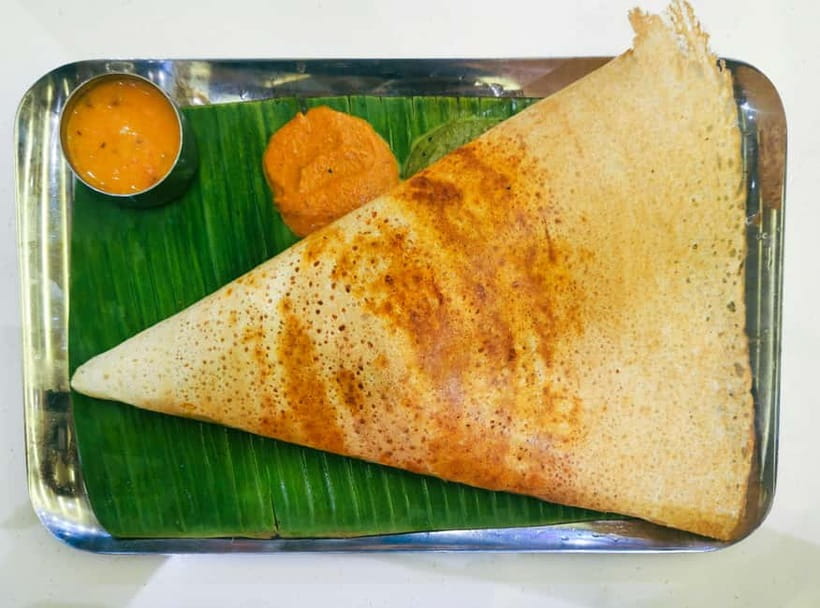
Review · WALKING TOURS
Kandy: Authentic Food Walk with a Local
Kandy tastes better on foot. This 3.5-hour food walk pairs five local tasting stops with stories about Sri Lankan cooking, the spice trade, the Maritime Silk Road, and Portuguese, Dutch, and British influence. I like the way it gives you both a meal and a useful introduction to Kandy, rather than sending you from one anonymous restaurant to another. I also like the private-group format, which should make it easier to ask questions and adjust the pace.
The main consideration is simple: come very hungry. Five stops can add up quickly, especially when kottu, dosas, hoppers, sambols, tea, and desserts are all part of the plan. You will also walk a few hundred meters between stops, with no more than 3 kilometers of walking in total. That is manageable for most people, but this is not a sit-down dinner in one place.
Keith, the English-speaking guide, receives especially strong praise for his warmth, food knowledge, humor, and practical help. He has even offered accommodation drop-offs after the tour and suggestions for the rest of a stay, though you should treat that as a kindness rather than a listed part of the service. At $26 per person, the tour offers a good way to get your bearings through food, provided you are comfortable walking and eating a fairly full meal in stages.
In This Review
- Key points to know before booking
- Meeting Keith at Kandy City Centre
- Why a food walk works well in Kandy
- Stop one: Getting started with local flavors
- Stop two: Kottu and the sound of the grill
- Stop three: Hoppers and crisp-edged batter
- Stop four: Dosas, sambols, and South Indian connections
- Stop five: Ceylon tea and a sweet finish
- Keith’s role makes the difference
- Price, pace, and what you actually receive
- Walking details and practical comfort
- Who will enjoy this Kandy food tour?
- Should you book the Kandy food walk?
- FAQ
- Where does the Kandy food walk start?
- Where does the tour finish?
- How long does the food tour last?
- How many food stops are included?
- Are vegetarian options available?
- How much walking is involved?
Key points to know before booking
- Five tasting stops cover several sides of Sri Lankan food, from sizzling kottu and crisp hoppers to dosas, sambols, Ceylon tea, and traditional sweets.
- Keith is a major part of the experience, bringing humor, local perspective, and clear explanations about food and modern life in Sri Lanka.
- The history has a useful purpose, showing how spices, sea trade, and colonial contact helped shape today’s Sri Lankan flavors.
- Vegetarian choices are available at every stop, making this a practical option for vegetarians rather than a tour built around one token meat-free dish.
- The route is walkable but not wheelchair-friendly, with up to 3 kilometers on foot between food stops.
- The private-group setup suits curious eaters, especially if you want time to ask about ingredients, customs, and what to order later in your trip.
Meeting Keith at Kandy City Centre
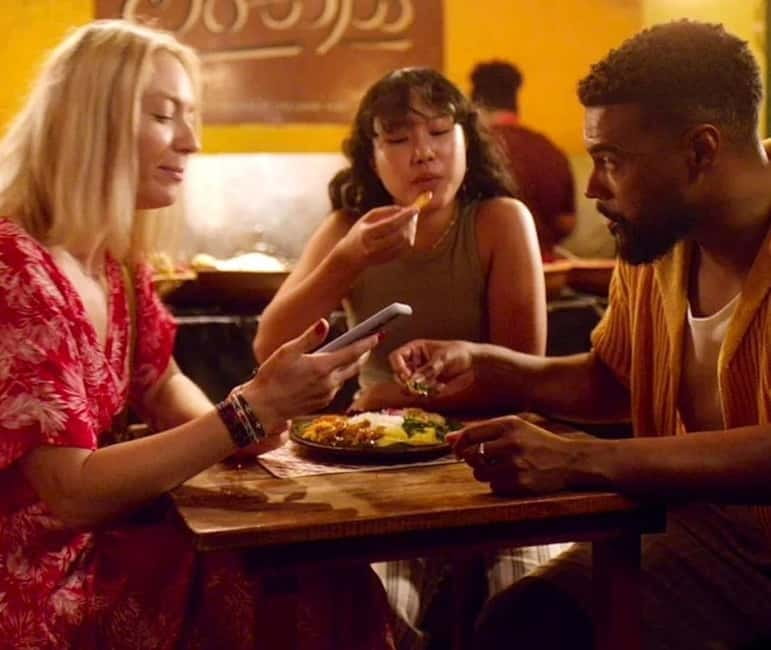
The tour begins at Burger King on level 4 of Kandy City Centre, usually called KCC. That gives you a clear, easy-to-find meeting point, but remember that the tour itself is not about eating at the mall. The food walk starts from there and returns to the same spot.
I would arrive a little early. Kandy City Centre can be a useful landmark, and meeting inside the mall is more comfortable than searching for a guide on a crowded street. Once you meet Keith, the private format should make the opening feel more personal than a large group tour. You can explain your food preferences, ask about spice, and make sure vegetarian needs are understood before the tasting begins.
The activity is conducted in English. If you want more than a list of dishes, that matters. The food names can be unfamiliar, and some dishes combine heat, sourness, sweetness, coconut, and spices in ways that may not be obvious from appearance alone.
More Food Tours in Kandy:
- The 10 Tastings of Kandy With Locals: Private Street Food Tour
★ 4.5 · 85 reviews - Colombo Tuk Tuk City Tour -Sightseeing Entry Fees & Food Included
★ 5.0 · 678 reviews - Colombo Local Food Tour by Tuk Tuk – All Inclusive
★ 4.9 · 261 reviews
Why a food walk works well in Kandy
Kandy is not just a place where you stop for meals between major sights. Food gives you a way to understand the island’s connections with South India, Southeast Asia, Europe, and the wider Indian Ocean. The tour explains how the ancient spice trade and Sri Lanka’s position along the Maritime Silk Road helped bring ingredients, cooking methods, and outside influences into local kitchens.
That context makes each tasting more useful. A dosa is not simply a pancake, and a hopper is not simply a bowl-shaped snack. The point is to understand how Sri Lankan cooking has developed through movement and exchange while retaining its own strong identity.
I especially like that the tour includes both familiar and less familiar categories of food. Kottu offers the sound and spectacle of chopped flatbread cooked on a hot surface. Hoppers show how coconut and fermented batter can create a crisp edge with a soft center. Sambols bring heat and sharp flavor, while tea and sweets slow the pace at the end.
The colonial section also helps explain why Sri Lankan food can feel so layered. Portuguese, Dutch, and British contact affected the island in different ways, and the tour connects those influences to the food you are tasting. It is not a history lecture attached to a meal. It is a way to see why the menu has so many overlapping flavors.
Stop one: Getting started with local flavors
The exact order of the five stops is not specified, and the food and drink included can vary by selected tour option. That is worth knowing before you arrive. You should expect a broad tasting rather than a fixed restaurant menu with every dish guaranteed in one precise sequence.
The first stop should help you settle into the rhythm of the evening or afternoon. You will be tasting rather than rushing through a full plate, then walking to the next place. This format is useful if you are new to Sri Lankan food because you can ask Keith what you are eating and how it fits into daily life.
At this stage, I would resist filling up on one favorite item. Kottu, dosas, and hoppers can all be substantial, and the later dessert and tea stops are part of the appeal. If you have a low tolerance for spice, say so early. The tour includes spicy sambols, and advance notice gives your guide a better chance to help you manage the heat.
Stop two: Kottu and the sound of the grill
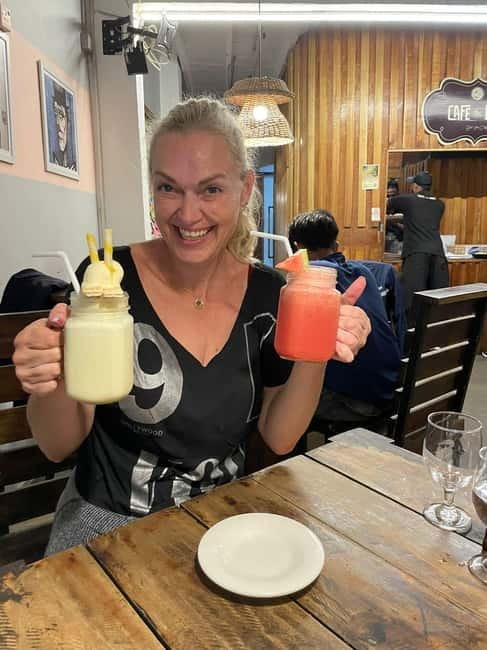
Kottu is one of the tour’s most appealing introductions to Sri Lankan street food. Chopped flatbread is cooked with other ingredients on a hot griddle, traditionally accompanied by the rhythmic clatter of metal blades. Even when you are focused on eating, the preparation gives the dish character.
The value here is not only the flavor. Kottu shows you how a simple base can become a filling meal through chopping, seasoning, and combination. It also gives Keith something concrete to explain: how the dish is prepared, how local preferences affect it, and how you might recognize it later when ordering on your own.
Because kottu is filling, portion size matters. The tour description promises tastings, not necessarily full restaurant servings, but five stops still make this a serious food outing. If you have dinner plans afterward, keep them light. This is best treated as your main meal.
A different kind of day out entirely:
- Kandy Private Guided City Tour by Tuk Tuk
★ 4.9 · 1,307 reviews - From Kandy: Sigiriya Rock & Dambulla Cave Temple Adventure
★ 4.9 · 785 reviews - Kandy Village Cooking Class
★ 5.0 · 536 reviews - Kandy to Ella Train Tickets – Reserved Seats
★ 4.5 · 523 reviews
Stop three: Hoppers and crisp-edged batter
Hoppers are another useful lesson in Sri Lankan cooking. Their bowl-like shape and crisp edges make them easy to spot, while the soft middle offers a different texture from kottu or a dosa. The dish shows how a basic batter can become something distinctive through cooking technique.
You may also encounter different versions or accompaniments, but the supplied details do not guarantee a particular hopper style. That is one reason to listen to the guide rather than arrive with a rigid checklist. The pleasure is in tasting the local favorite and learning how it fits among other everyday foods.
Hoppers can also be a good test of how much spice you prefer. The hopper itself may not be the hottest item, but sambols and other accompaniments can change the experience quickly. Ask Keith to explain what goes with each tasting before you add anything.
Stop four: Dosas, sambols, and South Indian connections
Dosas show the South Indian side of Sri Lankan food culture. They bring another texture and cooking style to the tour, helping you compare a thin, crisp batter-based dish with the softer center of a hopper. That comparison is more informative than tasting either dish in isolation.
Sambols add the sharpest contrast. They can bring chili, acidity, coconut, and seasoning in small amounts, so you do not need a large serving to understand their effect. I would taste them carefully at first. You can always add more, but you cannot remove a mouthful of chili once it has arrived.
This stop is also where the tour’s historical thread becomes especially useful. Sri Lanka’s location close to India and its place on old sea routes helped create a food culture shaped by contact without becoming a copy of another country’s cuisine. Keith’s explanations give the dishes a setting and help you notice those connections.
Vegetarians have a clear advantage here. Vegetarian options are available at every stop, so you can take part in the main food experience rather than waiting for a substitute while others eat. The information does not specify vegan choices, allergies, or exact ingredients, so you should ask directly about those needs before booking or at the start.
Stop five: Ceylon tea and a sweet finish
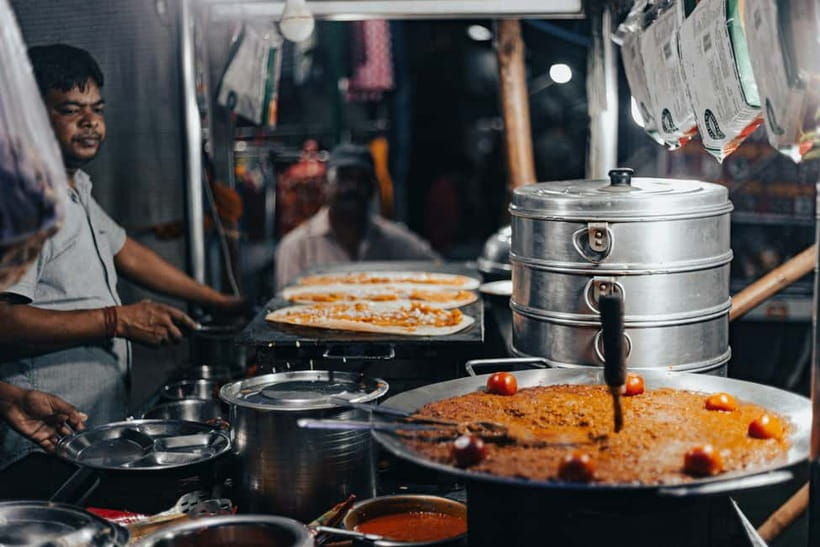
Ceylon tea gives the tour a calmer final note. It also connects the meal to one of Sri Lanka’s best-known exports and to the island’s British colonial period. Tea is not just a drink to wash down dinner here. It helps complete the story of how outside trade and colonial rule affected what people grew, served, and consumed.
Traditional Sri Lankan desserts finish the five-stop route. The exact sweets are not named, so you should expect variety rather than one promised specialty. That is a small limitation if you have a particular dessert in mind, but it also leaves room for discovery.
By this point, you may be full enough to wish some items came earlier. One Japanese visitor enjoyed the range but noted that there were dishes left untasted because the meal became so filling. That is useful advice: pace yourself, share where appropriate, and do not assume that every tasting will be tiny.
Keith’s role makes the difference
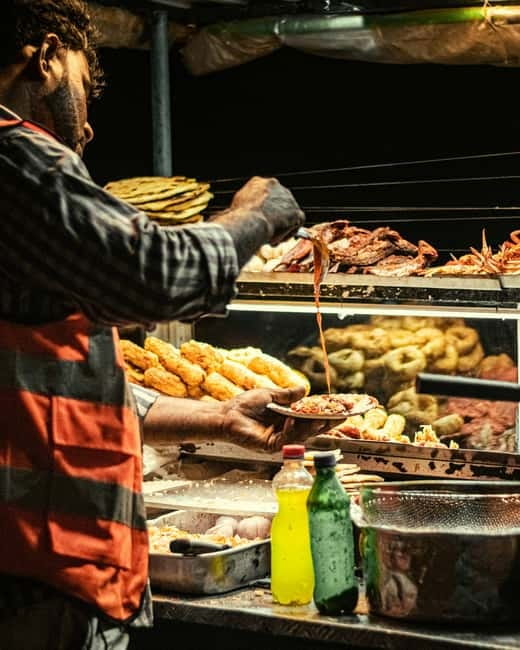
Food tours succeed or fail on the guide, and Keith appears to be central to this one. His strengths are not limited to naming dishes. He explains Sri Lankan food in a way that connects cooking with history, Kandy, and present-day life.
I would also value the conversational side of the tour. The strongest praise focuses on the feeling of sharing a meal with a friend, not simply following a guide from one address to the next. That warmth matters in a private group, where the experience can feel relaxed and personal.
Keith has also been praised for sharing ideas about what to do during the rest of a stay. He has sometimes helped with a return to accommodation after the tour. Again, do not book on the assumption that transport is included. The stated meeting and return point is Burger King at KCC, and any extra help should be viewed as a bonus.
The guide’s enthusiasm seems to be one of the most consistent strengths. Several people specifically describe his energy, humor, and passion for Sri Lankan cuisine. For you, that means the historical material is less likely to feel dry, and the food should be easier to approach if some dishes are unfamiliar.
Price, pace, and what you actually receive
At $26 per person, the price is strong for a private 3.5-hour food experience that includes five food stops and tastings. Meals and drinks are included, although the exact selection varies by the tour option you choose. You are paying for food, guiding, local interpretation, and the convenience of a planned route.
The value improves if this is your first day or two in Kandy. You get an overview of dishes you may want to seek out later, plus a practical sense of local food customs. Lisa, an experienced food-tour participant, found it useful as a preview of Sri Lankan cooking for the rest of a longer trip. That is exactly the right way to judge this activity: not just as dinner, but as a food orientation.
The private-group format can also justify the price. You are not simply joining a large crowd at fixed tables. You have more room to ask questions and explain preferences, and the guide can keep the experience social rather than mechanical.
Still, the value depends on your appetite. If you are a light eater, the five-stop structure may be too much. If you want a formal cooking class, recipes, or a market visit, this tour does not promise those things. It is built around tasting and conversation while walking through Kandy.
Walking details and practical comfort
The total walking distance will not exceed 3 kilometers, with a few hundred meters between food stops. That is not a strenuous hike, but you should wear comfortable shoes and avoid arriving after a long day if your feet are already tired.
The activity is not suitable for wheelchair users. The supplied details do not give further information about stairs, pavement, toilets, or exact restaurant access, so anyone with mobility concerns should ask the provider before reserving.
Plan your day around the tour. Since it lasts 3.5 hours and includes several tastings, you probably do not need a full meal beforehand. A small snack earlier may be sensible if you are prone to low energy, but arriving hungry is the better plan.
Free cancellation is available up to 24 hours in advance for a full refund, and you can reserve now and pay later. Those policies are useful if your Kandy schedule depends on trains, weather, or other plans, but the food itself is the reason to book.
Who will enjoy this Kandy food tour?
I would recommend it most strongly to:
- First-time visitors who want an easy introduction to Sri Lankan food
- Food-focused people who enjoy tasting several dishes in one outing
- Couples, families, or friends who prefer a private group
- Vegetarians looking for choices at every stop
- People who like cultural background with their meals
- Anyone arriving in Kandy who wants practical food suggestions for later
It is less suitable if you dislike spicy food, cannot walk up to 3 kilometers, or prefer a single long restaurant meal. It may also disappoint you if you need a guaranteed list of exact dishes, since the included meals and drinks vary by selected option.
The tour has received a perfect five-star score from 12 verified bookings, with especially strong praise for Keith, the food, the historical explanations, and the friendly atmosphere. The small number of ratings means I would not treat that score as scientific proof, but the praise is consistent enough to make the guide a clear selling point.
Should you book the Kandy food walk?
Book it if you want to understand Kandy through food rather than simply photograph its sights. For $26, you get five tastings, an English-speaking local guide, a private group, vegetarian options, and a useful introduction to the forces that shaped Sri Lankan cooking.
I would book it early in your Kandy stay, when the food advice can help you choose meals afterward. Come hungry, wear comfortable shoes, tell Keith about dietary needs, and pace yourself so the final tea and dessert still have a fair chance.
Skip it if you need wheelchair access, cannot manage several tastings, or want a cooking lesson instead. For most curious eaters, though, this looks like a friendly, well-priced way to meet Kandy through its food and leave with more confidence about what to order next.
FAQ
Where does the Kandy food walk start?
Meet at Burger King on level 4 of the Kandy City Centre, or KCC, Mall.
Where does the tour finish?
The experience returns to Burger King at Kandy City Centre.
How long does the food tour last?
The tour lasts 3.5 hours.
How many food stops are included?
The tour includes five food stops with tastings of local dishes. Meals and drinks included can vary according to the selected tour option.
Are vegetarian options available?
Yes. Vegetarian options are available at every food stop.
How much walking is involved?
You will walk a few hundred meters between stops, with a total distance of no more than 3 kilometers. The activity is not suitable for wheelchair users.
More Walking Tours in Kandy
- Galle Fort Walking tour
★ 4.9 · 285 reviews - Galle Fort Walking Tour with a Resident
★ 5.0 · 88 reviews - Colombo Walking Tour with Ajeet De Soyza
★ 5.0 · 43 reviews - Sigiriya: Rock Fortress Private Guided Walking Tour
★ 4.8 · 34 reviews
Just added in Kandy
- Day Tour of Nuwara Eliya★ 5.0 · 3 reviews
- Full day Kandy City Tour by Tuk Tuk★ 5.0 · 1 review
- Day Tour Kandy to Sigiriya with Dambulla Cave Temple Excursion★ 5.0 · 3 reviews
- Day Tour for Outdoor and Adventure Lovers★ 4.5 · 4 reviews
- Culture Tour in Kandy★ 5.0 · 1 review
- Dambulla, Sigiriya and Pidurangala Tour from Kandy★ 5.0 · 9 reviews
- Ambuluwawa Tower and Kandy City Tuk Tuk Tour with Epic views★ 5.0 · 9 reviews
- Kandy to Nallathanniya (Climb Adams Peak)★ 5.0 · 1 review
Walking Tours, compared.
Galle Fort Heritage Walk by a Certified Heritage Interpreter
Read our review →
Browse the lists this tour appears in