
Review · WORKSHOPS
Kandy: Interactive Batik Workshop
Make art, then take Sri Lanka home. This 3.5-hour batik workshop gives you a hands-on look at one of Sri Lanka’s traditional crafts, with patient instruction from an English-speaking family team. I like the chance to create a personal souvenir rather than buy a finished product, and I like the small group size, limited to 10 people. The one drawback is the studio’s location, which can be tricky to find and may require help from the hosts or nearby residents.
At 218/6 Thalapiyannawa Road in Ampitiya, you work with fabric, hot wax, tools, and dyes under the guidance of Anuja and her family. I especially like that beginners can use a stencil or template, while more confident artists can draw their own design. You should also bring clothes you do not mind marking, since wax and dye can splash.
The workshop has a warm, personal feel rather than the pace of a large commercial class. You receive herbal tea, all materials, and your finished batik piece, while lunch and transport are not included in the stated price. In practice, the family is often generous with tea, sandwiches, breakfast, or home-cooked food, but you should treat that as hospitality rather than a guaranteed part of the booking.
In This Review
- Key points to know before booking
- Arriving at the Ampitiya family studio
- Meeting Anuja and learning the craft
- Choosing fabric and planning your design
- Working with wax and traditional tools
- Applying dyes and building the pattern
- Finishing with wax burning and dewaxing
- Tea, food, and the family welcome
- What the $28 price delivers
- Who will enjoy this workshop most
- Booking, timing, and practical advice
- Should you book the Kandy batik workshop?
- FAQ
- Where is the batik workshop held?
- How long does the batik workshop last?
- How much does the workshop cost?
- What is included in the price?
- Is transportation included?
- Is lunch included?
- What should I wear?
- Is the workshop taught in English?
- How many people can join the class?
- Who should not take part?
- Can I cancel my booking?
Key points to know before booking
- You make the batik yourself: The session covers drawing, waxing, dyeing, and removing the wax, so your souvenir carries your own design.
- Traditional tools are part of the lesson: You may use a funnel, tjanting, and Henry tool, along with stamps, brushes, and other waxing methods.
- Anuja and her family teach in English: The instruction is described as patient and step by step, with Manugi often helping with conversation and explanations.
- The group is small: A maximum of 10 participants gives you room to ask questions and receive help with tricky wax work.
- Finding the house can take effort: Google Maps and local tuk-tuk drivers may not always locate the address accurately, so contact the hosts if needed.
- The price is $28 per person: With materials, equipment, tea, instruction, and a handmade piece included, it offers good value for a creative half-day in Kandy.
Arriving at the Ampitiya family studio
The workshop takes place at 218/6 Thalapiyannawa Road, Ampitiya, in Kandy’s Central Province. This is not presented as a large downtown art center. It has the feel of a family home and working studio, which is part of the appeal.
You should allow extra time to arrive. Several people have found the exact location difficult to locate using Google Maps, and some tuk-tuk drivers have struggled with the map position. Nearby residents can point you in the right direction, and the family has helped arrange tuk-tuks after the session. Contacting the hosts ahead of time is the sensible move, especially if you are not familiar with Ampitiya.
The setting offers a useful break from Kandy’s busy streets. The workshop itself is calm and personal, with the family taking time to welcome you before the practical work begins. Some sessions begin with tea, sandwiches, or another light refreshment. The listed inclusion is herbal tea, so do not rely on a full breakfast or lunch unless you have arranged it separately.
A few more options to weigh up in Kandy
- Kandy Private Guided City Tour by Tuk Tuk
★ 4.9 · 1,307 reviews - From Kandy: Sigiriya Rock & Dambulla Cave Temple Adventure
★ 4.9 · 785 reviews - Kandy Village Cooking Class
★ 5.0 · 536 reviews
Meeting Anuja and learning the craft
The first stage is an introduction to batik and the tools used to make it. Anuja teaches the basic process, while Manugi, her daughter, is often involved and speaks excellent English. Some sessions have also included Anuja’s son, Manuth.
This family teaching style is one of the strongest reasons to choose the class. You are not simply shown a finished fabric and sent to copy it. You receive explanations, demonstrations, and help as you work. If your lines are uneven or your wax does not land exactly where intended, the teaching is encouraging rather than judgmental.
The class suits people who consider themselves creative, but it also works well if you are not artistic. You can follow a template, adapt a suggested design, write your name in Sinhalese, or create something from scratch. The ability to choose your level of freedom makes the workshop friendlier than a class that expects you to arrive with a clear artistic plan.
Choosing fabric and planning your design
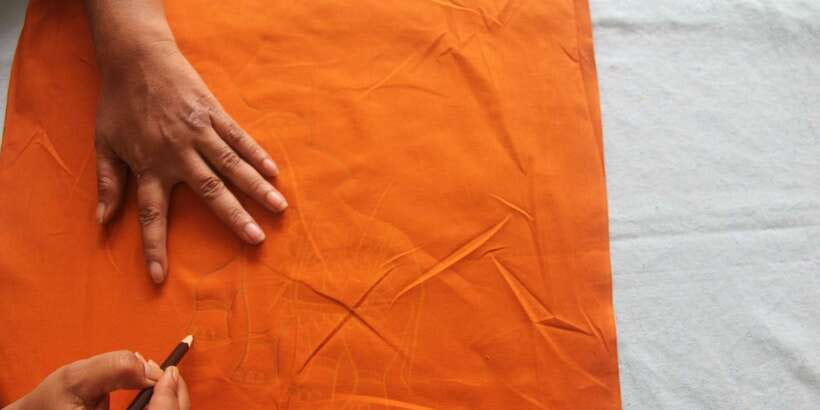
You begin by selecting fabric and deciding how you want the finished piece to look. The information provided describes the result as your own batik cloth, while finished projects have included decorative pieces, bags, and a laptop cover. The exact format may depend on the class and the material you choose, so it is worth asking what you will take home when you book.
This planning stage matters because batik is not simply painting on a blank surface. Wax creates barriers that control where dye can reach the cloth. Your design needs to work with that process, and the teacher can help you adjust it before you commit to the fabric.
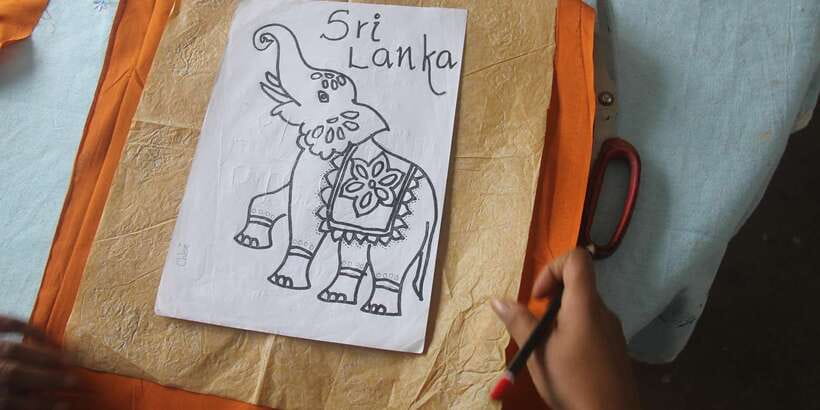
A template is useful here. It gives you a steady outline and lets you focus on learning the technique. If you prefer a personal souvenir, you can alter the design or add writing. Creating your name in Sinhalese is a memorable option because it connects the object to your time in Sri Lanka without requiring advanced drawing skills.
Working with wax and traditional tools
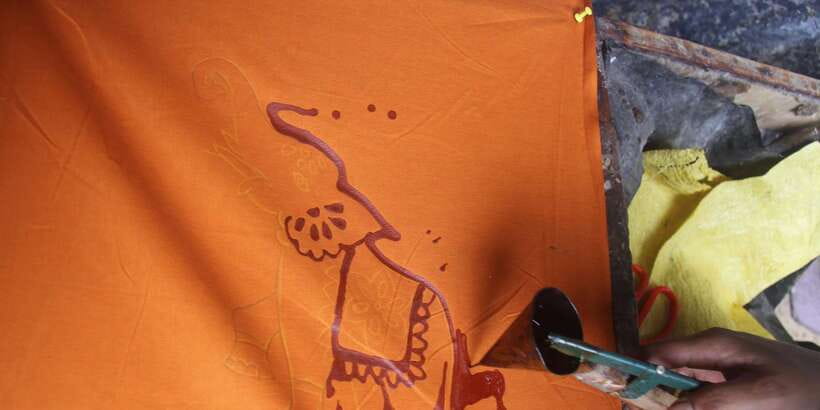
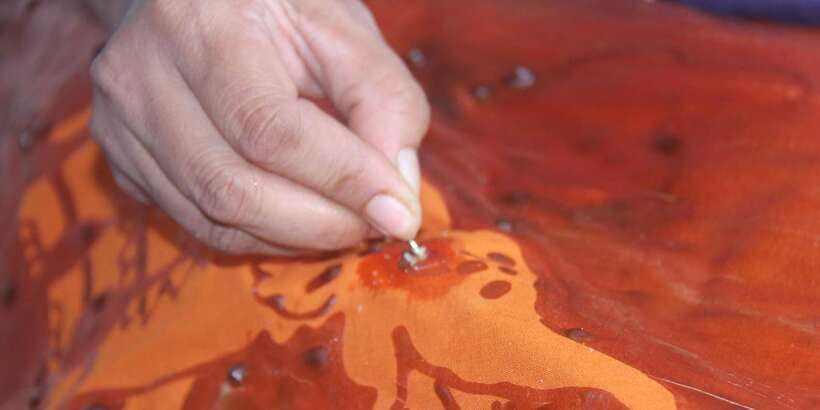
The waxing stage is where the craft becomes more demanding. You learn about wax mixtures and how different tools control the flow and shape of the wax. The workshop includes a funnel, a tjanting, and a Henry tool, giving you a chance to handle equipment that you are unlikely to encounter in an ordinary art class.
The tjanting is used for controlled lines, while other tools help with broader marks and patterns. You may also try wax spraying, stamping, cracking, brush work, and other wax designs. Each technique produces a different surface effect, so this is more than filling in an outline with a brush.
The wax can be difficult to control at first. That is not a flaw in the class. It is part of understanding why handmade batik takes skill. The hosts help correct mistakes and guide your hand, but you still do the work yourself. The result may not look factory-perfect, and that is precisely what gives it character.
You should wear comfortable clothes that you do not mind getting marked. A change of clothes is a practical precaution because paint or dye may land on what you are wearing. Pregnant women and people with back problems should not book this activity, according to the stated restrictions.
A different kind of day out entirely:
- Kandy to Ella Train Tickets – Reserved Seats
★ 4.5 · 523 reviews - From Kandy: Pinnawala Day Tour
★ 4.8 · 331 reviews - Kandy to Ambuluwawa & Kandy City Guided Tuk Tuk Day Tour
★ 4.8 · 270 reviews - Day tour to Sigiriya & Dambulla from Kandy
★ 5.0 · 252 reviews
Applying dyes and building the pattern
Once the wax is in place, the class moves to color. You learn about dye mixtures, applications, and the way different dyes behave on fabric. The session introduces napthol dyes, vat dyes, and reactive dyes, along with techniques for applying them.
This part helps explain why the wax work matters. The waxed areas resist the dye, leaving lines and shapes in the original color while the uncovered fabric takes on the new shade. Depending on the design, the process can involve several layers of wax and color.
You are guided through the steps rather than expected to know the chemistry in advance. That makes the class approachable, but it also means the pace can vary. A simple design may move quickly, while a more detailed piece demands patience. The 3.5-hour duration gives enough time for instruction and practical work, but it is not a quick craft demonstration.
I like the way this turns a souvenir into a record of your own decisions. The design, colors, imperfect lines, and small corrections all belong to your session. You leave with something more personal than a shop purchase, even if your artistic ability is limited.
Finishing with wax burning and dewaxing
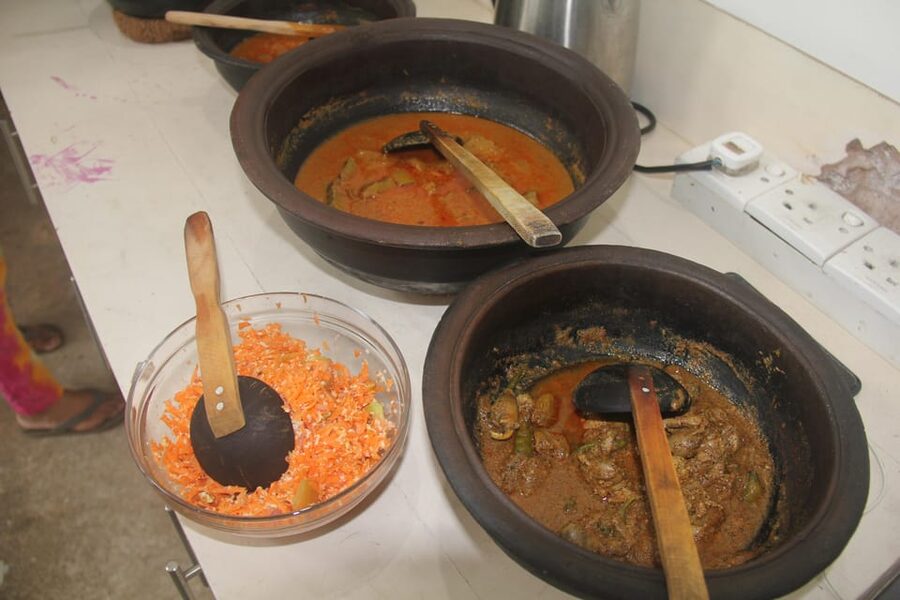
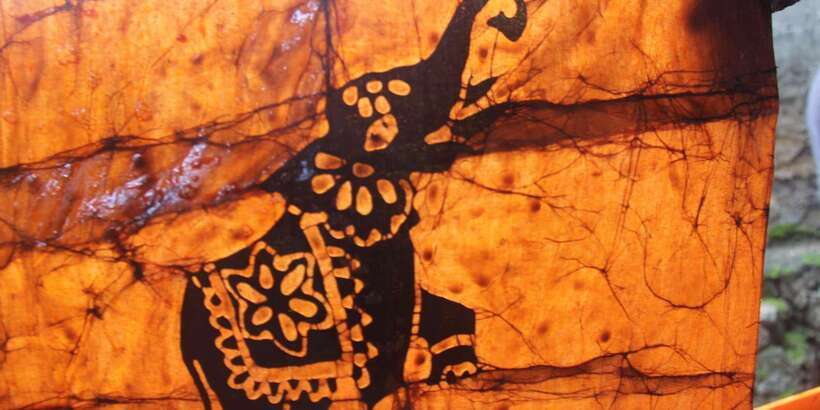
The final part covers wax burning and wax boiling, also called dewaxing. This removes the wax from the fabric and reveals the completed design. It is the moment when the work begins to look like a finished batik rather than a piece of cloth covered in temporary barriers.
The hosts also explain how to handle the batik after you leave. One person received care instructions so the fabric would remain in good condition, which is useful if you plan to wash or store it during a longer trip. Ask for clear aftercare advice before departing, particularly if your finished item is a bag, cover, or another usable object.
You may not walk away with a flawless professional textile. You should expect a handmade souvenir shaped by your own decisions and by the help of the teacher. That is the right way to judge the result. The class is about learning the process, not producing a perfect piece in one morning.
Tea, food, and the family welcome
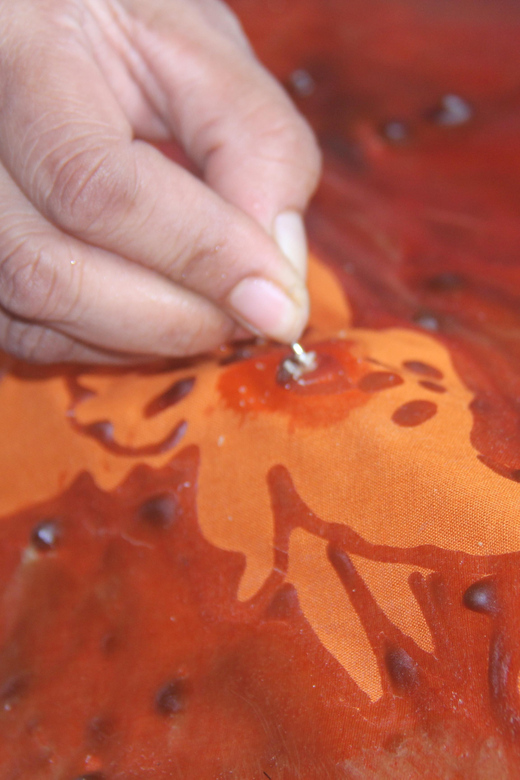
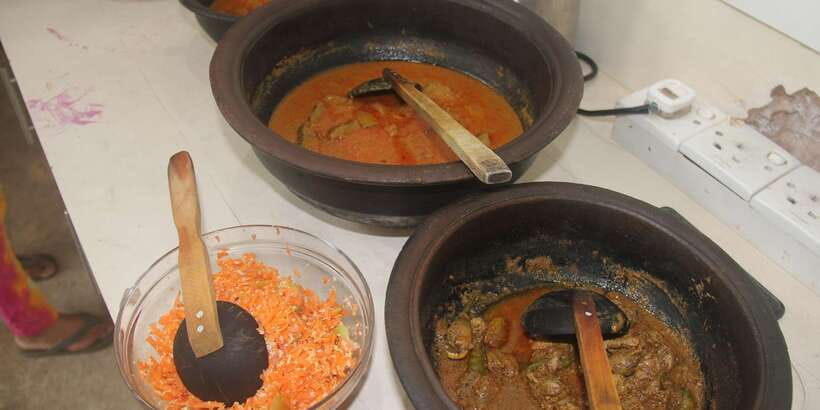
Herbal tea is included, and it fits the relaxed pace of the workshop. The family has also offered sandwiches, breakfast, Sri Lankan desserts, and home-cooked lunch during some visits. Several people were especially pleased by meals prepared by Anuja, including traditional dishes served in the family home.
Lunch is officially not included, so plan accordingly. If food is important to you, ask the hosts in advance rather than assuming it comes with the $28 booking. The generous meals described during sessions are best understood as an extra expression of hospitality.
That hospitality is a meaningful part of the experience, but you should also remember that this is a craft class first. The family may offer conversation about Sri Lanka, tea, or food, yet the main activity remains the batik process. If you want a formal cooking class or a full cultural tour, this is not the right product.
What the $28 price delivers
At $28 per person, the workshop is good value for a 3.5-hour activity. Your fee covers the hands-on instruction, fabric, wax, dyes, tools, equipment, and herbal tea. It also gives you a finished piece to carry home.
The value is strongest if you compare it with a standard sightseeing stop. A temple or museum visit can show you Sri Lankan culture, but this class asks you to participate in a living craft. You spend time with a local family, learn the logic behind the work, and leave with an object you helped create.
The price does not cover transportation or lunch. You should add the cost of getting to Ampitiya and returning to Kandy. Since the location can be hard to find, arranging transport with the hosts may be worth more than choosing the first tuk-tuk driver who claims to know the address.
A small group capped at 10 also improves the value. You have a better chance of receiving help with wax lines, dye application, and design choices than you would in a crowded class. For families, couples, and small groups of friends, the personal attention makes the fee reasonable.
Who will enjoy this workshop most
I would choose this activity if you want a slower morning away from Kandy’s traffic and sightseeing routine. It is especially well suited to people who like making things, collecting meaningful souvenirs, or meeting local people in a home setting.
It also works for families with older children and teenagers. One teenage participant considered it a trip highlight, and the format lets each person choose a simple template or a more ambitious design. Parents should still consider the use of hot wax and dyes when deciding if younger children are ready.
You do not need formal art skills. The teachers are patient, and the option of using a stencil removes much of the pressure. If you want complete independence, you may find the guidance more involved than expected, but that support is useful when you are learning unfamiliar tools.
This is less suitable if you dislike careful hand work or want a fast activity with a guaranteed polished result. It is also not suitable for pregnant women or people with back problems. Comfortable clothing is essential, and a spare outfit is sensible.
Booking, timing, and practical advice
The duration is 3.5 hours, with starting times based on availability. Check the time before booking and leave enough room for the journey to Ampitiya. An early start may be possible, and the family has sometimes provided tea or sandwiches on arrival.
The instructor language is English. The small group format, limited to 10 participants, makes it easier to ask about wax, dyes, tools, and design choices as you go.
You can cancel up to 24 hours before the activity for a full refund. The reserve-now, pay-later option also helps if your Sri Lanka plans are still shifting. Transportation is not included, so treat the studio address as a meeting point rather than a pickup service.
Bring comfortable clothes, a change of clothes if possible, and a way to protect your finished piece during the rest of your trip. If you are using a tuk-tuk, show the driver the full address and stay in touch with the hosts if the route becomes unclear.
Should you book the Kandy batik workshop?
I would book this workshop if you want a personal, creative experience with a real connection to Sri Lankan craft. The best parts are the patient family teaching, the chance to use traditional tools, and the satisfaction of carrying home a piece you designed and made yourself.
The main cautions are simple: finding the studio may take extra effort, lunch is not guaranteed, and wax and dye can make a mess. Those points are easy to manage with advance contact, suitable clothing, and a small snack if needed.
For $28, you receive far more than a short demonstration. You get time, materials, instruction, tea, and a handmade reminder of Kandy. If your ideal souvenir is something with your own fingerprints on it, this is one of the better choices for a half-day in the city.
FAQ
Where is the batik workshop held?
The studio is at 218/6 Thalapiyannawa Road, Ampitiya, in Kandy’s Central Province.
How long does the batik workshop last?
The activity lasts 3.5 hours. Starting times depend on availability.
How much does the workshop cost?
The listed price is $28 per person.
What is included in the price?
The price includes hands-on batik instruction, fabric, wax, dyes, all required tools and equipment, and herbal tea.
Is transportation included?
No. Transportation to and from the workshop is not included.
Is lunch included?
No. Lunch is not included in the stated package. The family may offer food or light refreshments during some sessions, but you should not assume a meal is guaranteed.
What should I wear?
Wear comfortable clothes. Bringing a change of clothes is useful because paint or dye may get on your outfit.
Is the workshop taught in English?
Yes. The instructor language is English.
How many people can join the class?
The workshop is a small-group activity with a maximum of 10 participants.
Who should not take part?
The activity is not suitable for pregnant women or people with back problems.
Can I cancel my booking?
Yes. You can cancel up to 24 hours in advance for a full refund. A reserve-now, pay-later option is also available.
Just added in Kandy
- Day Tour of Nuwara Eliya★ 5.0 · 3 reviews
- Full day Kandy City Tour by Tuk Tuk★ 5.0 · 1 review
- Day Tour Kandy to Sigiriya with Dambulla Cave Temple Excursion★ 5.0 · 3 reviews
- Day Tour for Outdoor and Adventure Lovers★ 4.5 · 4 reviews
- Culture Tour in Kandy★ 5.0 · 1 review
- Dambulla, Sigiriya and Pidurangala Tour from Kandy★ 5.0 · 9 reviews
- Ambuluwawa Tower and Kandy City Tuk Tuk Tour with Epic views★ 5.0 · 9 reviews
- Kandy to Nallathanniya (Climb Adams Peak)★ 5.0 · 1 review
Workshops, compared.
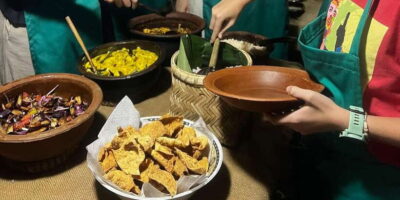
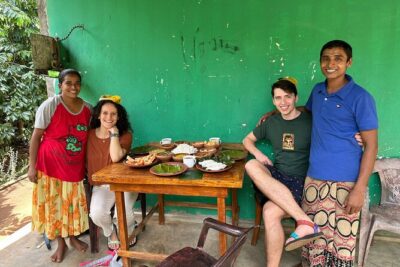
Organic cooking class sigiriya (kumara & family)
Read our review →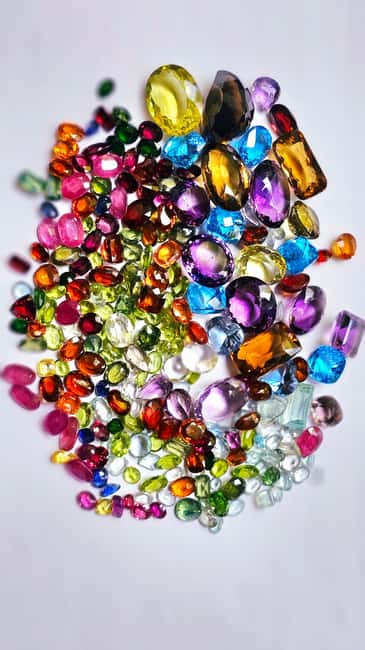
Traditional Gems & Jewellery Workshop with Transfers
Read our review →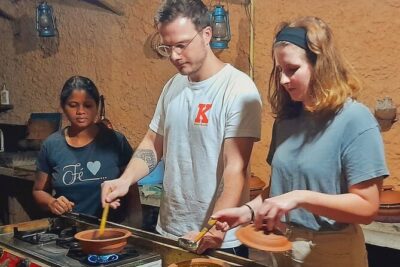
Sri Lankan Cooking Class with Neranji at Homestay
Read our review →
Browse the lists this tour appears in