
Review · WORKSHOPS
Ahangama: Traditional Jewellery Making Workshop
Make something you can wear home. This private jewellery workshop in Kotapola gives you hands-on time with a Sri Lankan artisan, rather than a quick look around a shop. I especially like the chance to work the silver yourself, including melting, flattening, shaping, and filing, and I like that the finished piece becomes a personal souvenir instead of another mass-produced trinket. The main drawback is the location: the artisan’s home can be confusing to reach, so you need to use WhatsApp directions and allow extra time.
You also get a welcome drink, all the basic tools and materials, English guidance, and a complimentary silver ring to take home. Artisan Tharindu receives especially warm praise for explaining each stage patiently and letting you do much of the work. Keep in mind that gemstones are not included, and this is not a good fit for children under 12 or anyone with back problems.
In This Review
- Key points at a glance
- Meeting a Sri Lankan artisan in Kotapola
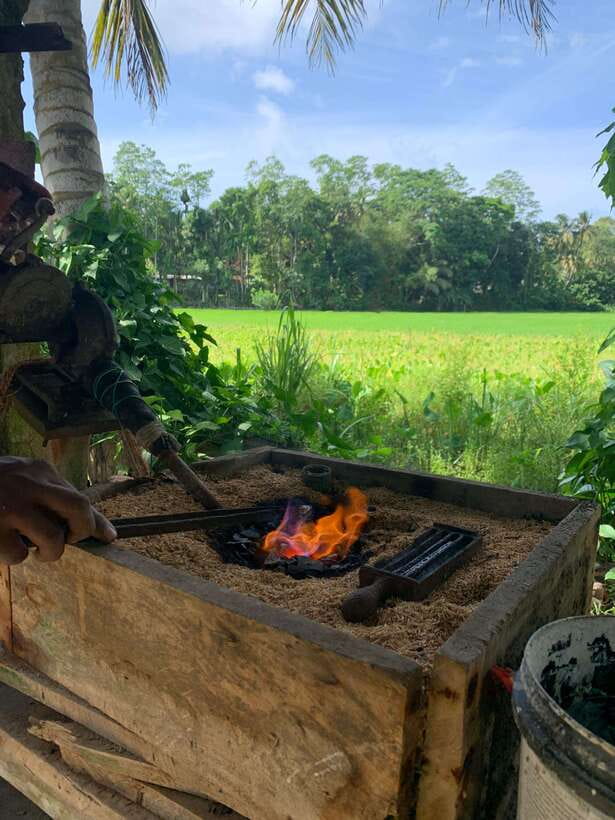
- What happens during the jewellery-making process
- Why the hands-on approach works
- Traditional jewellery and local meaning
- The silver ring and the gemstone question
- How private groups change the experience
- Price, timing, and what you need to arrange
- Who will enjoy this workshop most
- Practical tips for a smoother visit
- Should you book the Kotapola jewellery workshop?
- FAQ
- Where does the jewellery workshop take place?
- How much does the workshop cost?
- What is included in the price?
- Are gemstones included?
- Do I need previous jewellery-making experience?
- Is the workshop conducted in English?
- Can children or wheelchair users take part?
Key points at a glance
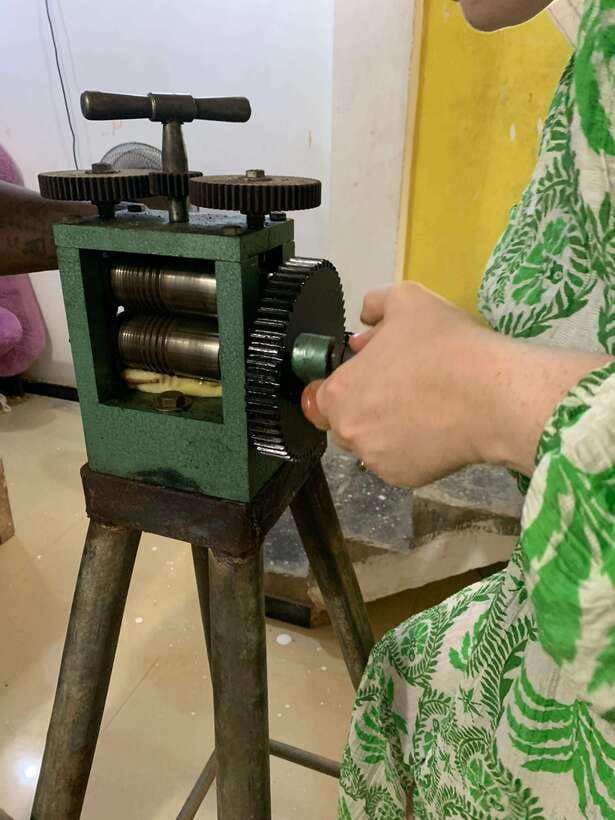
- Work with real jewellery tools: You may help melt, flatten, bend, shape, and file the silver rather than simply watching a demonstration.
- A private visit at an artisan’s home: The setting is personal and local, though finding the house may take some care.
- Tharindu guides the process: He demonstrates each step, then gives you a chance to try it yourself.
- A silver ring comes home with you: The complimentary ring is a useful keepsake and the clearest part of the workshop’s value.
- Gemstones cost extra: Materials and tools are included, but stones are not, so ask about the final price if you want one set into the ring.
- Plan for a full-day booking window: The activity is listed as valid for one day, with starting times checked when you book.
Meeting a Sri Lankan artisan in Kotapola
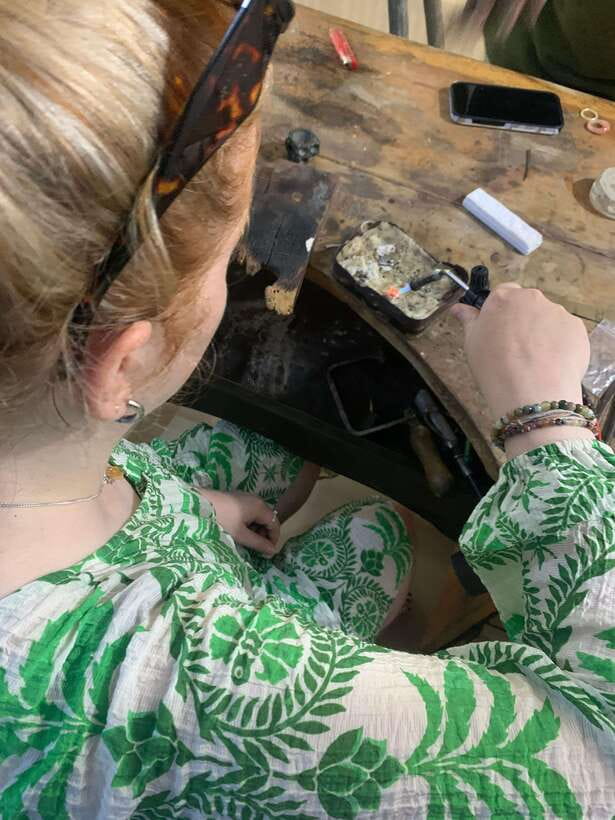
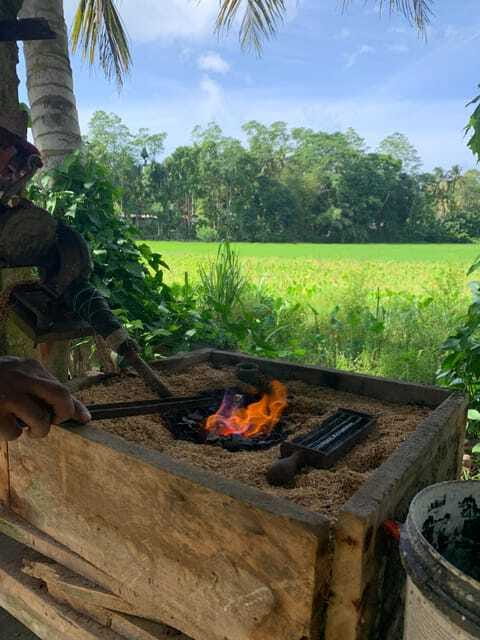
This is not a polished jewellery showroom with a sales pitch attached. The workshop takes place at the artisan’s home in Kotapola, where you meet the maker and work with the same basic craft process used to shape a ring.
That home setting matters. You get a closer look at the tools, the workbench, and the practical side of jewellery making. It also makes the experience feel more like a visit to a local craftsperson than a standard sightseeing stop.
The meeting point is not a large public venue. After you contact the provider through WhatsApp, you receive directions for you and your driver. I would not leave this until the last minute. One person found the route confusing, though local people helped point the way. Save the directions, keep your phone charged, and arrive 15 minutes early.
The location also means you need to arrange your own transport. A ride to and from the workshop is not included in the $71 price. If you are staying in Ahangama or nearby, ask your driver to confirm the address before setting out. This simple step can prevent the one avoidable nuisance attached to an otherwise well-rated activity.
A few more options to weigh up in Galle
- Whales and Dolphins Watching-Luxury Super Grade Cruiser(Hotel Pick up offered)
★ 5.0 · 1,268 reviews - Galle: Traditional Gems & Jewellery Workshop with Transfers
★ 4.9 · 539 reviews - Sea waves sri lankan cooking class
★ 5.0 · 467 reviews
What happens during the jewellery-making process
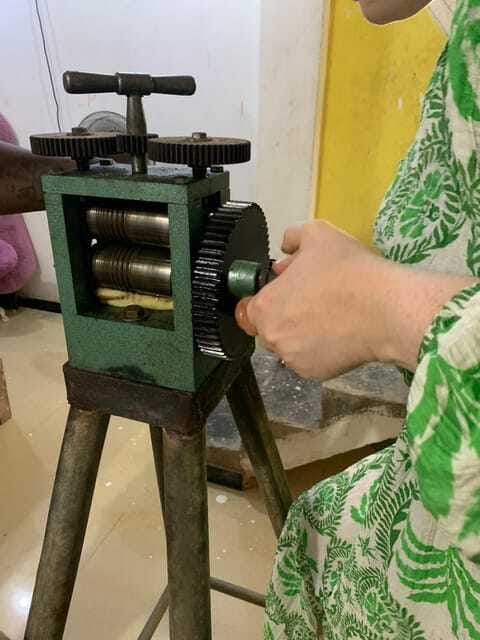
The workshop is built around doing, not just listening. You begin with an introduction to the craft and the place of traditional jewellery in Sri Lankan culture. The artisan explains how designs and materials connect to local traditions, then introduces the tools and the basic stages of making a ring.
The exact design may depend on the piece you choose to make, but the practical work can include:
- Melting the silver
- Flattening the metal
- Changing its shape
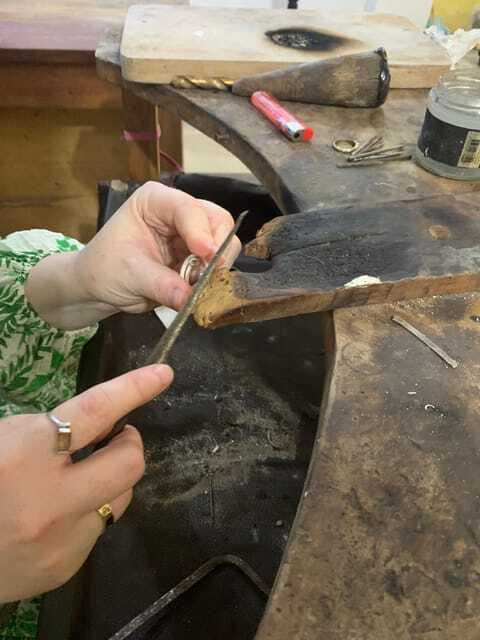
- Filing and smoothing the ring
- Selecting a design or stone
- Finishing the piece for you to take home
The most appealing part is the balance between instruction and control. Tharindu demonstrates each step before handing the work to you. You are not expected to know how to handle jewellery tools, and no previous experience is required.
At the same time, this is not a do-anything-you-like studio. Metalwork requires care, and the artisan remains involved throughout. That is a benefit, not a flaw. You get the satisfaction of shaping the piece yourself while an experienced maker helps keep the work on track.
A useful distinction is that you help create the ring, but the artisan may complete some specialist work. One participant explained that the master set the stone and delivered the finished ring to the hotel the next day. That suggests the final stage can depend on the design and whether a gemstone is added. Ask about the completion time if you plan to leave Kotapola soon after the workshop.
Why the hands-on approach works
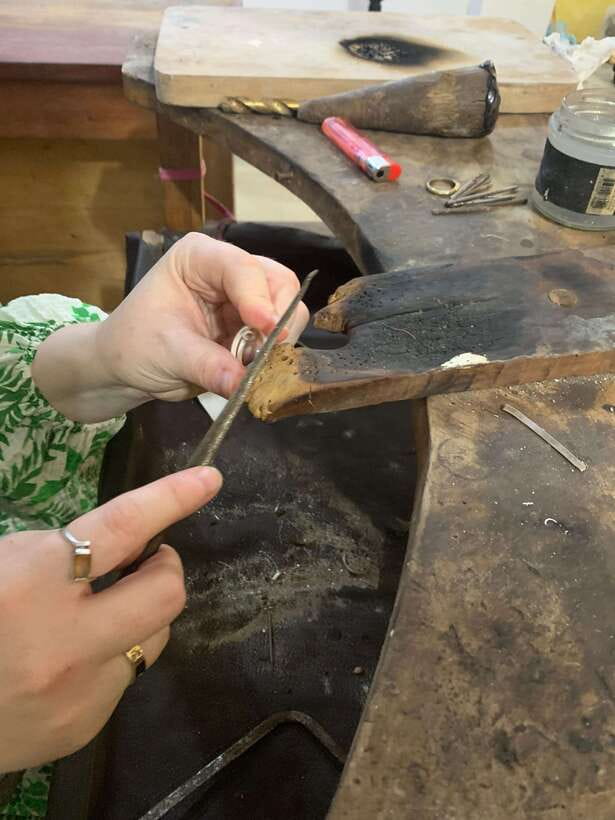
Many craft activities give you a small task, then quietly finish the important parts behind the scenes. This one appears to give you more involvement. The strongest praise focuses on being able to work through several stages personally, with help when needed.
That makes the $71 price easier to understand. You are paying for private instruction, tools, materials, time with an artisan, and a handmade silver ring. It is not the cheapest way to buy a ring in Sri Lanka, but buying a finished item would not give you the same connection to the making process.
I like that the experience lets you see how much effort sits behind a simple piece of jewellery. Melting and flattening silver, then changing its form and filing the edges, turns a finished ring into something you understand. It also gives you a story to tell when someone asks where you bought it.
The process may be messy or slower than shopping. That is part of the point. If you want to choose a ring from a display case and leave in ten minutes, this is the wrong activity. If you like working with your hands and do not mind taking your time, the practical element is the main reward.
Traditional jewellery and local meaning
The workshop includes an introduction to the history and significance of traditional jewellery in Sri Lankan culture. This gives the craft a useful setting. You are not only learning how silver is shaped, but also why jewellery matters as part of local life and design.
The information provided does not promise a museum-style lecture or a long formal presentation. Expect the cultural explanation to support the practical session rather than replace it. That suits the format. You can ask questions as the work unfolds, then connect what you hear to the ring in front of you.
The artisan’s role is important here. A local maker can explain the process in a direct, practical way. Tharindu’s English guidance makes the workshop accessible to international visitors, and his patient style is one of the clearest strengths of the experience.
Still, you should keep your expectations in proportion. This is a one-day craft activity, not a full survey of Sri Lankan jewellery traditions. You will come away with useful context and a piece you helped make, but not an academic course in the subject.
A different kind of day out entirely:
- Galle Fort Walking tour
★ 4.9 · 285 reviews - Snorkeling with Turtles in Mirissa
★ 5.0 · 268 reviews - Hikkaduwa/Galle/Weligama/Mirissa/Tangalle: Yala Safari Tour
★ 4.8 · 263 reviews - Whale Watching Mirissa with ( WWC )
★ 5.0 · 252 reviews
The silver ring and the gemstone question
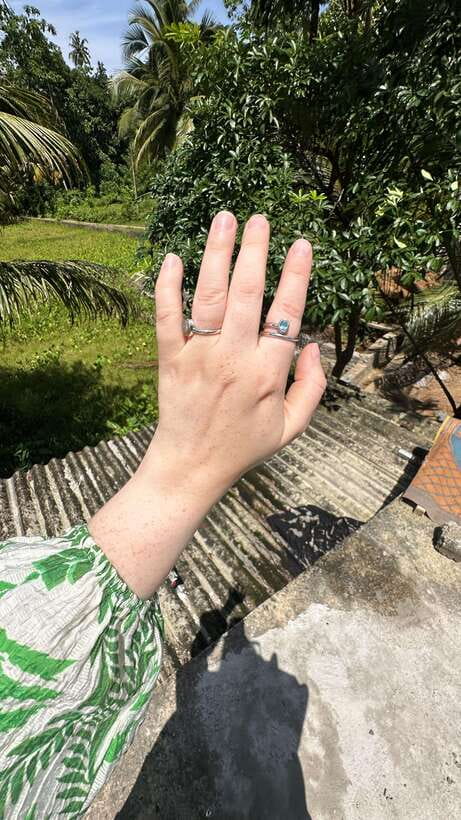
The complimentary silver ring is the headline inclusion. You take home your own handmade jewellery, which gives the workshop a clear physical result. It is also a good souvenir because its value comes from the time and work attached to it, not just from its appearance.
Gemstones are different. They are specifically excluded from the price. If you want a stone in the ring, you should ask what choices are available and what they cost before committing to a design.
The supplied information indicates that the artisan may set the stone himself, with one finished ring delivered to a hotel the following day. That can be convenient, but it means your final piece may not be ready at the exact moment you leave the workbench.
I would plan around that possibility. If you are moving on the next morning, tell the artisan before you begin. If you have a few days in the area, a later hotel delivery may be simple. The key point is to separate the included silver ring from any optional gemstone or extra finishing work.
How private groups change the experience
This is a private-group activity, so you are not sharing the workbench with a large mixed crowd. That should make it easier to ask questions and receive direct help with each stage.
A private format is especially useful for beginners. You can pause when a tool feels unfamiliar, ask for another demonstration, or spend more time on the shape and finish. You do not need to keep up with a room full of other people.
It may also suit couples, friends, or families with older children, provided everyone meets the age requirement. Children under 12 are not accepted. The work involves tools and careful handling, so younger children would probably find the pace and concentration difficult even if they were allowed.
The setting is not designed for every physical need. The activity is marked as wheelchair accessible in one section, but the same information also says it is not suitable for wheelchair users. That is a clear inconsistency. If you use a wheelchair, contact the provider before booking and ask about the entrance, seating, workbench, and restroom access. Do not rely on the general accessibility label alone.
People with back problems should also think carefully before booking. The session may involve sitting, standing, or leaning over a work surface, and the activity is specifically listed as unsuitable for people with back problems.
Price, timing, and what you need to arrange
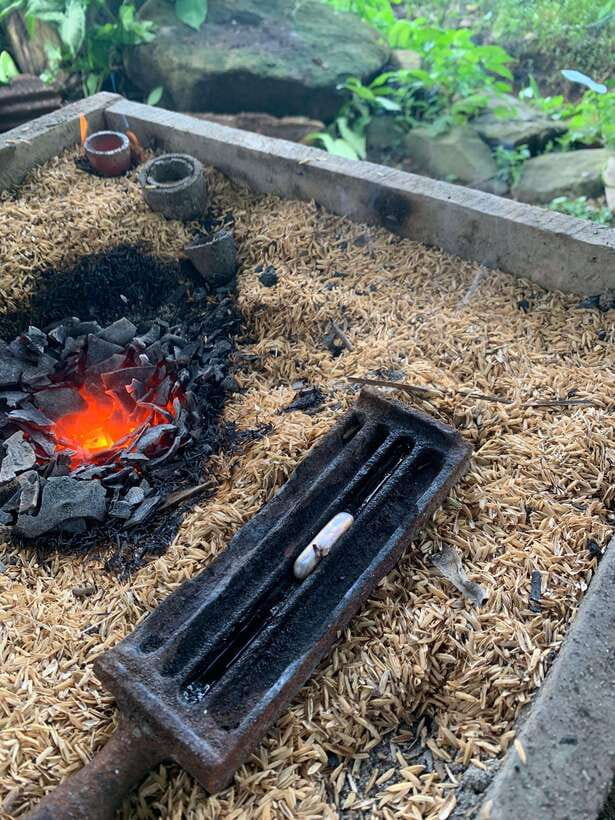
The cost is $71 per person. Included are the welcome drink, tools, materials, English instruction, and your handmade jewellery. Transportation, meals, and gemstones are extra.
For a private craft session with an artisan, the price can be fair, especially if you value an activity over a simple purchase. The silver ring helps, but the real value is the time spent learning and making it. If you are not interested in jewellery, the price will feel high because the workshop is focused on one craft from start to finish.
The duration is listed as one day, with starting times subject to availability. That wording does not give you a precise number of workshop hours, so check the available start time when booking and ask how long you should allow. Do not plan a tight connection or a major excursion immediately afterward.
There is no meal included. Bring whatever you need for the day, especially if the workshop timing takes up a large part of your schedule. Smoking is not allowed.
The activity offers free cancellation up to 24 hours before the start time, and you can reserve now and pay later. Those terms are useful if your Sri Lanka plans are still shifting, but they do not remove the need to arrange transport and confirm the meeting point.
Who will enjoy this workshop most
I would recommend this experience to you if you:
- Like making things with your hands
- Prefer a local home setting to a large commercial attraction
- Want a souvenir with a personal story
- Enjoy patient instruction and a slower pace
- Have an interest in metalwork, design, or traditional crafts
- Are happy to pay extra for a gemstone if you want one
It is less suitable if you want a quick activity, dislike detailed manual work, or need a fully specified schedule. It is also not suitable for children under 12, people with back problems, or wheelchair users unless the provider confirms that the physical setup works for you.
The experience should also appeal to anyone who has bought jewellery in Sri Lanka and wondered how it is made. You get to see the transformation from raw silver to shaped ring, with enough guidance to make the process approachable.
Practical tips for a smoother visit
Contact the provider through WhatsApp before you set out. Confirm the address, the meeting time, and the best instructions for your driver. The artisan’s home is the meeting point, and the route may not be obvious.
Arrive 15 minutes early. This gives you time to settle in, find the correct house, and begin without rushing.
Wear clothes you can work comfortably in. The information does not specify a dress code, but jewellery making is a hands-on activity, so practical clothing makes sense.
Ask early about gemstones. Since they are not included, you should know your options and any additional cost before the ring takes shape.
If you need the ring completed by a certain date, mention it at the start. The artisan may need extra time for stone setting or finishing, and one ring was delivered to a hotel the following day.
Finally, bring patience. Your ring may not look perfect after the first step. That is normal. The artisan’s help is part of the experience, and the finished piece is meant to show your involvement, not pretend that you became a master jeweller in one afternoon.
Should you book the Kotapola jewellery workshop?
I would book this if you want a personal Sri Lankan craft experience and like the idea of taking home something you helped make. The strongest part is the hands-on process, supported by Tharindu’s patient demonstrations and clear English instruction. The private setting and complimentary silver ring add solid value at $71.
I would hesitate if your schedule is tight, you dislike arranging your own transport, or you want a guaranteed gemstone included. The unclear route and possible delay in finishing a stone-set ring are practical issues, not reasons to reject the workshop.
For most craft-minded visitors staying near Ahangama, this is a worthwhile choice. Confirm the route, ask about gemstone costs, allow enough time, and you should come away with more than a souvenir. You will understand how much work goes into the small piece of silver on your hand.
FAQ
Where does the jewellery workshop take place?
The workshop takes place at the artisan’s home in Kotapola. After you contact the provider through WhatsApp, directions are given to you and your driver.
How much does the workshop cost?
The price is $71 per person.
What is included in the price?
The price includes a welcome drink, all required jewellery-making tools and materials, guidance from a local artisan, and handmade jewellery to take home, including a complimentary silver ring.
Are gemstones included?
No. Gemstones are not included in the price. Ask the artisan about available stones and any extra cost before choosing your design.
Do I need previous jewellery-making experience?
No. The workshop is suitable for beginners, and the artisan demonstrates the techniques before you try them.
Is the workshop conducted in English?
Yes. English instruction is provided.
Can children or wheelchair users take part?
Children under 12 are not suitable for the activity. The information also says the experience is not suitable for wheelchair users, despite a separate accessibility note, so wheelchair users should confirm the physical arrangements with the provider before booking.
Just added in Galle
- Sri Lankan Cooking with Tricks★ 5.0 · 1 review
- Private Transfer and Whale Watching Tour from Hikkaduwa and Galle★ 5.0 · 1 review
- Udawalawa National Park Safari trip from Hikkaduwa/Galle/Weligama★ 4.5 · 7 reviews
- Surfing Lessons★ 4.5 · 7 reviews
- Airport Transfer by Hikkaduwa Taxi Service★ 5.0 · 5 reviews
- Sinharaja Rainforest Trip★ 5.0 · 7 reviews
- One Day Udawalawe Safari from Galle/Mirissa/Unawatuna/Hikkaduwa★ 5.0 · 10 reviews
- Hikkaduwa/ Galle/ Mirissa : With Udawalawe safari – Day trip★ 5.0 · 2 reviews
Workshops, compared.
Organic cooking class sigiriya (kumara & family)
Read our review →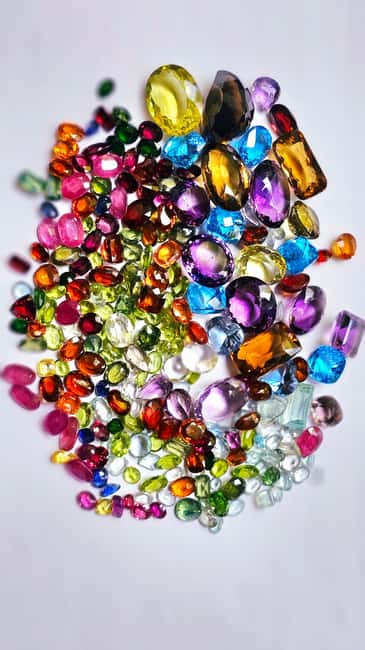
Traditional Gems & Jewellery Workshop with Transfers
Read our review →
Sri Lankan Cooking Class with Neranji at Homestay
Read our review →
Browse the lists this tour appears in