
Review · COOKING CLASSES
Arugam Bay Cooking Class : Sri Lankan Tradition
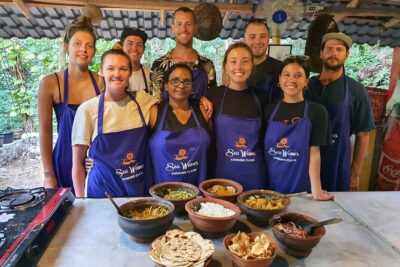
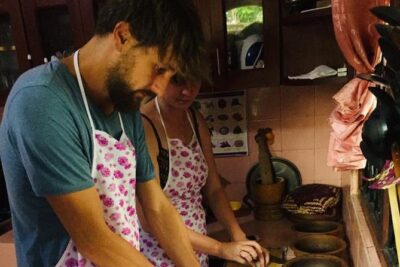
Sri Lankan lunch begins with a lesson. This Arugam Bay cooking class takes you to Panama village, where a local family introduces you to traditional dishes, home cooking, and the everyday meaning of food. I like the family setting and the chance to work with fresh local ingredients. I also like that hotel pickup, transport, a guide, and lunch are included in the $30 price.
There is one point to keep in mind: the class may be less hands-on than the name suggests. One participant expected more cooking and found more watching and eating than anticipated, so this suits you best if you want a friendly cultural visit with cooking rather than a full culinary workshop. Guide Rishi has been praised for being helpful, and the meal itself received high marks for flavor.
In This Review
- Key points at a glance
- Why this Arugam Bay cooking class is worth your time
- From Arugam Bay to Panama village
- A warm welcome with an Aayubowan drink
- Learning the building blocks of Sri Lankan food
- What the local family adds
- Sitting down to eat what you prepared
- How much value do you get for $30?
- Who should book this experience?
- Practical details before you book
- Should you book the Arugam Bay cooking class?
- FAQ
- Where does the cooking class take place?
- How long does the experience last?
- How much does the class cost?
- Is hotel pickup included?
- What food will I learn to prepare?
- Is lunch included?
- What languages are available?
- Who provides the cooking class?
- Can I cancel for a full refund?
Key points at a glance
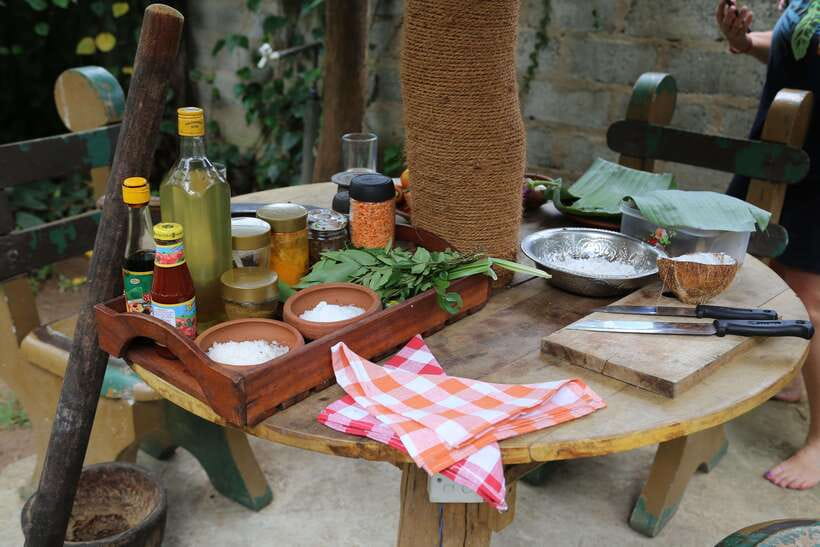
- Panama village setting: Leave the main Arugam Bay strip behind for a local family home and a closer look at village life.
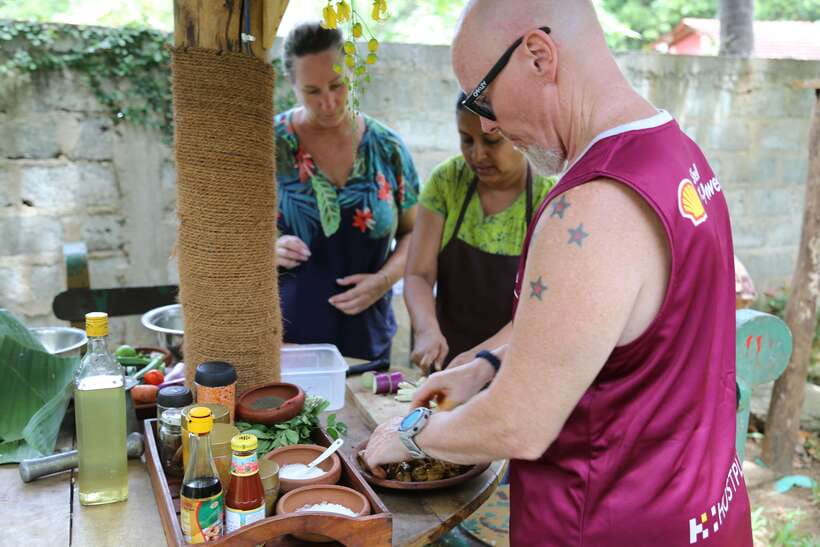
- Sri Lankan home cooking: Learn traditional methods for curries, sambals, rice, and desserts.
- A short 1.5-hour format: The class fits neatly into a morning or afternoon without taking over your day.
- Meal included: You eat the food prepared during the lesson, including a Sri Lankan lunch.
- Transport included: Hotel pickup, dropoff, and full transport make this easy to arrange.
- English and Italian guidance: The instructor service is offered in both languages.
Why this Arugam Bay cooking class is worth your time
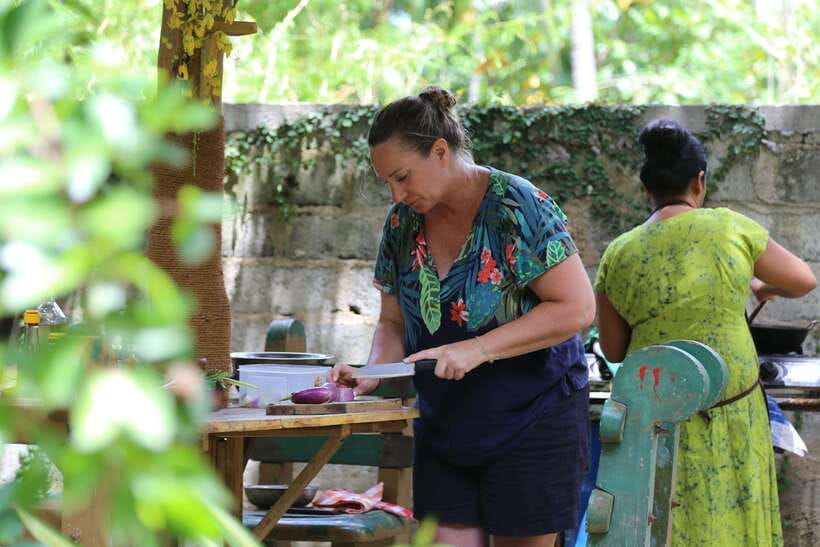
Arugam Bay is best known for its surf culture, beaches, and relaxed pace. This class adds another side of the area: the food eaten in a Sri Lankan home and the customs tied to preparing it.
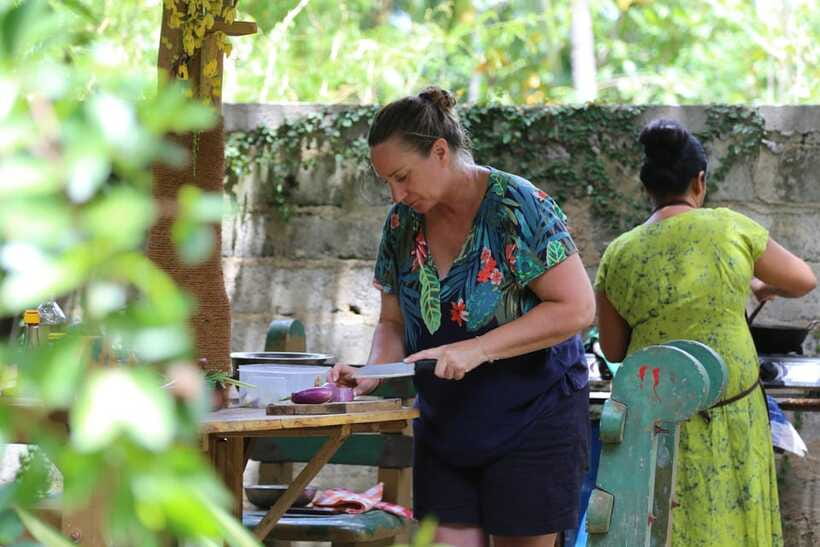
You are not simply shown a plate of curry at a restaurant. You travel to Panama village and meet a local family in their own setting. That change of scene matters. Food becomes a way to understand daily life, hospitality, and the care that goes into a shared meal.
I like the scale of the experience. At 1.5 hours, it is short enough for visitors with packed schedules, but long enough to include a welcome, cooking instruction, and lunch. You do not need to give up a full day at the beach or sacrifice an entire evening.
The class also gives you a useful introduction to Sri Lankan flavor. You learn about aromatic spices, coconut oil, rice, sambals, curries, and sweet dishes. Even if you do not reproduce every recipe at home, you leave with a better sense of how Sri Lankan meals are built.
The main caution is simple: do not assume that every minute will involve chopping, stirring, or frying. The available feedback includes one clear warning that the experience felt more like watching and eating than fully hands-on cooking. If your main goal is technical instruction, ask for clarification before booking. If your goal is a warm local encounter followed by a good meal, the format should suit you well.
More Cooking Classes in Sri Lanka:
- Ella: Traditional Sri Lankan Cooking Class
★ 4.9 · 788 reviews - Organic cooking class sigiriya (kumara & family)
★ 5.0 · 650 reviews - Kandy Village Cooking Class
★ 5.0 · 536 reviews
From Arugam Bay to Panama village
Hotel pickup and dropoff are included, along with full transport. That is a useful part of the package in an area where arranging a short local outing can otherwise take extra time and negotiation.
The destination is Panama village, described as a charming village setting where a local family welcomes you into its home. The class therefore has a clear sense of place. You are not attending an anonymous lesson in a commercial kitchen with the same setup you might find in any city.
The transport also makes the $30 price easier to judge. You are paying for more than a lesson and food. The fee includes the journey, an instructor, a welcome drink, and the meal you prepare. For a short cultural outing, that is a fair package, particularly if you value convenience.
Exact pickup times depend on availability, so you should check the schedule for your chosen date. The experience lasts 1.5 hours, not counting any transport time.
A warm welcome with an Aayubowan drink
The visit begins with an Aayubowan welcome drink. Aayubowan is a traditional Sri Lankan greeting that expresses a wish for long life, so this small gesture fits the tone of a family-hosted visit.
It also gives you a natural moment to settle in before the cooking starts. You can meet the family, get comfortable in the home, and begin to understand that the class is built around hospitality as much as food.
The family element is one of the most appealing parts of the outing. You have a chance to speak with your hosts and learn how meals fit into ordinary life. The information provided does not promise a formal lecture on Sri Lankan customs, so expect conversation and practical explanation rather than a museum-style presentation.
That informality is a strength for many people. Food culture often makes more sense when you see how it is prepared and shared, rather than hearing a long list of facts. Still, the amount of conversation may depend on the family, the guide, and the language used during your session.
Learning the building blocks of Sri Lankan food
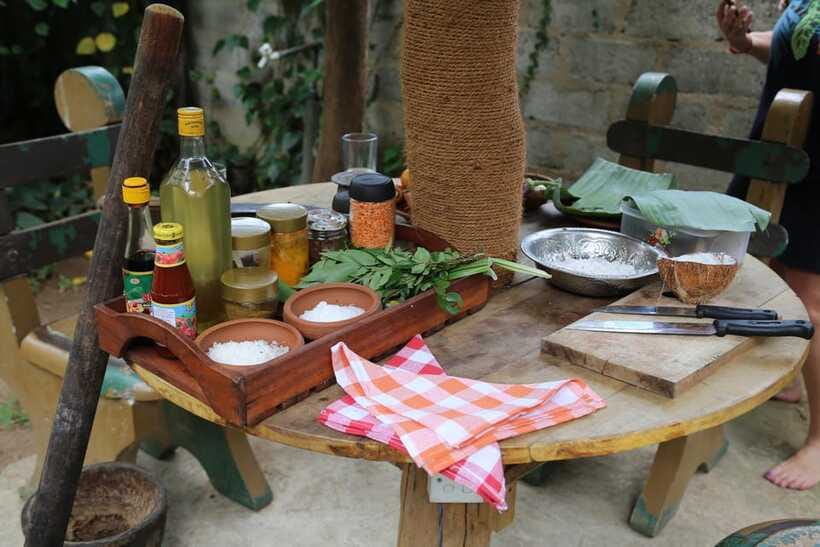
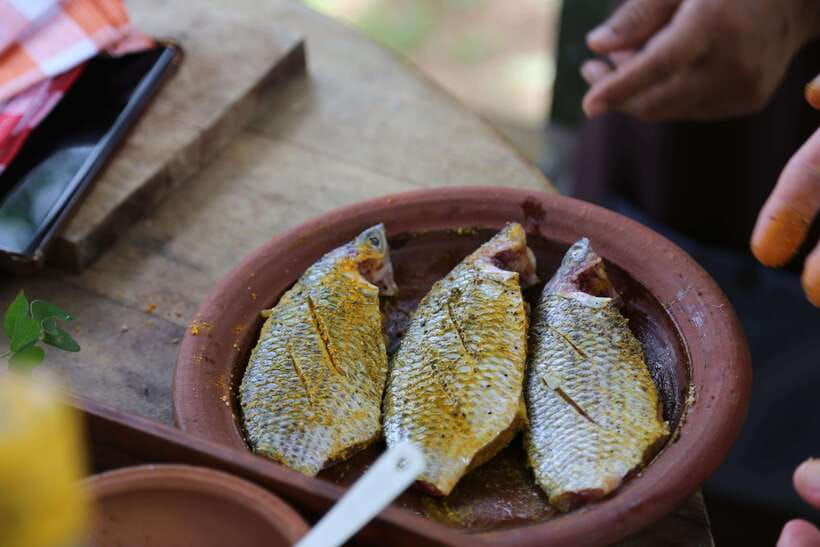
The cooking lesson focuses on traditional Sri Lankan dishes. The listed food categories include aromatic curries, flavorful sambals, fragrant rice, and Sri Lankan desserts.
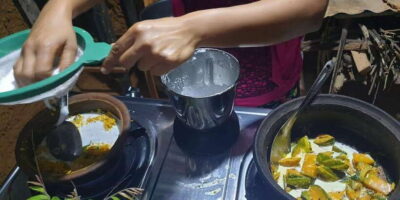
You are also introduced to techniques that give the food its character. These include tempering spices in coconut oil, blending strong and contrasting flavors, and balancing ingredients so that the finished meal does not rely on one taste alone.
The class is useful even if you are not an experienced cook. Sri Lankan food can look complex when several dishes arrive at once, but the lesson helps show how those parts work together. Rice provides the base, curries bring spice and richness, sambals add freshness or heat, and dessert finishes the meal.
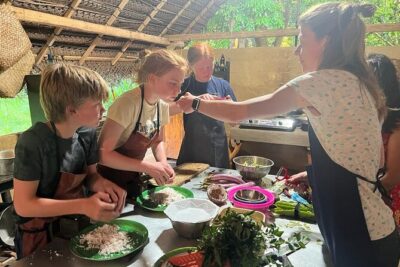
The words hands-on cooking class deserve a little care here. The intended format is practical, but one participant wanted more direct cooking and felt the session included more observation than expected. You might be invited to help with selected tasks rather than prepare every dish from start to finish.
That distinction is important. A food-focused cultural experience can be enjoyable without being a detailed recipe course. If you want to return home able to recreate a precise curry, contact the provider before booking and ask how much active cooking is normally offered.
A different kind of day out entirely:
- Colombo: Private Tuk-Tuk City Tour with All Entry Fees
★ 4.9 · 2,154 reviews - Kandy Private Guided City Tour by Tuk Tuk
★ 4.9 · 1,307 reviews - Whales and Dolphins Watching-Luxury Super Grade Cruiser(Hotel Pick up offered)
★ 5.0 · 1,268 reviews - From Colombo: Sigiriya and Dambulla Day Trip with Safari
★ 4.7 · 842 reviews
What the local family adds
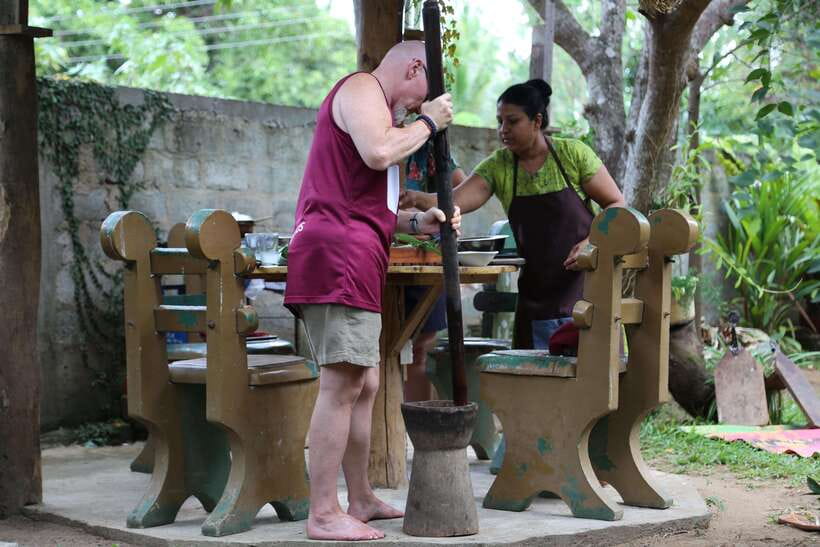
The family is not just a backdrop for the meal. Their presence gives the experience its human center.
You can learn about the role of food in daily life, how traditional dishes are prepared, and why certain ingredients and methods matter. The supplied information does not specify the family’s names or provide a detailed home layout, so I would not expect a staged village tour. The emphasis is on being welcomed, cooking, and sharing food.
This is also where the class differs from eating lunch at a restaurant in Arugam Bay. A restaurant can be a good place to sample Sri Lankan food, but it does not always explain the work behind it. Here, you see the connection between ingredients, cooking methods, and the final plate.
The atmosphere sounds especially promising for people who enjoy direct contact with local hosts. The family has been described as nice, and guide Rishi has been praised for his help. Those details suggest that the tone is friendly rather than formal.
Keep your expectations sensible. A short class cannot provide a full portrait of village life or Sri Lankan food traditions. It offers a small, personal window into them, and that is enough to make the outing worthwhile.
Sitting down to eat what you prepared
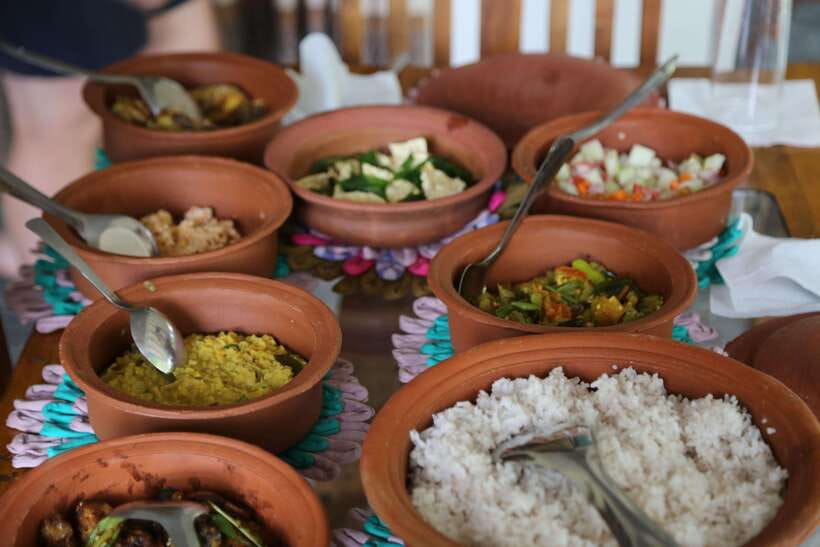
The final part is the meal. After the cooking, you sit down and enjoy a Sri Lankan lunch made during the class.
This is more than a reward for finishing the lesson. Eating together lets you taste how the separate ingredients work as a complete meal. You can compare the aroma of tempered spices with the finished curry, see how sambal changes each bite, and understand why rice is such an important part of the plate.
The food has received particularly strong praise. One participant described the meal as tasting great, while another found the overall outing enjoyable but wanted more active cooking. That gives you a useful picture: the meal is likely to be one of the safest reasons to book, while the level of participation is the main variable.
Do not expect a long restaurant meal. The entire activity lasts 1.5 hours, and that time covers the welcome, instruction, preparation, and eating. The lunch is part of a compact experience rather than a leisurely half-day feast.
If you enjoy trying local food but feel unsure about unfamiliar spices, this setting may feel more approachable than ordering alone from a menu. You can ask about what you are eating and see how it was made.
How much value do you get for $30?
At $30 per person, the class offers a reasonable bundle. The price includes hotel pickup and dropoff, full transport, a tour instructor, the 1.5-hour cooking lesson, the Aayubowan welcome drink, and lunch.
The strongest value comes from combining several small experiences in one booking. You get transport to Panama, time with a local family, a food lesson, and a meal. Arranging each part separately would likely be less convenient, even though the supplied information does not give separate prices for those services.
The duration keeps the cost from feeling excessive. A 1.5-hour session is not a full culinary day, but it is also not just a quick demonstration. For many visitors, the class makes sense as a compact activity between other plans.
Value depends on what you want. If you are primarily paying for a detailed, practical cooking course, the possibility of limited hands-on work may make $30 feel less attractive. If you are paying for a local meal and a guided introduction to Sri Lankan food, the package is stronger.
I would view this as a cultural food outing first and a technical cooking course second. That description matches the combination of family hospitality, village setting, food preparation, and shared lunch.
Who should book this experience?
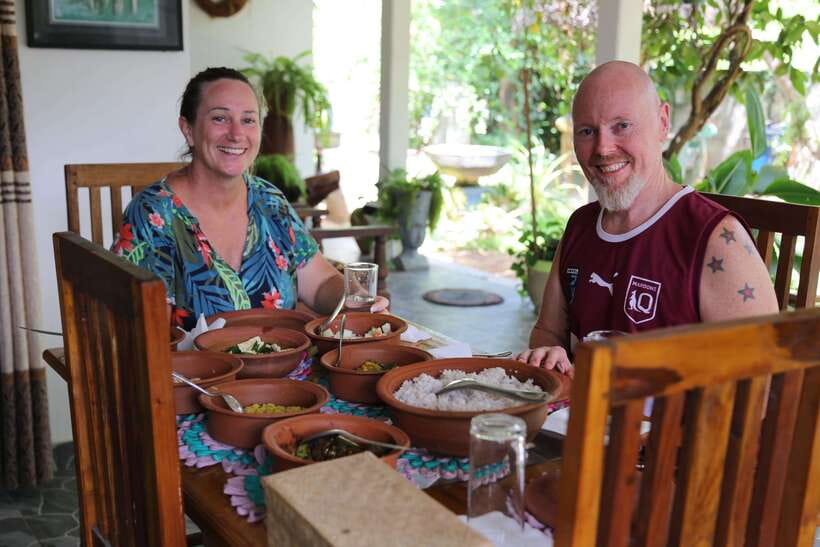
This class is a good fit for food lovers who want more context than a restaurant meal provides. You do not need to be a skilled cook. Curiosity and an appetite matter more than knife skills.
It also suits visitors looking for things to do in Arugam Bay beyond the beach. The Panama village setting gives you a change of pace and a chance to connect with local traditions.
Families, couples, and small groups may appreciate the informal format, though the supplied details do not state the maximum group size or offer a specific child policy. If those points matter to you, confirm them before paying.
The class is less suitable for someone who wants a rigorous cooking curriculum. You may not spend the whole session actively preparing every dish. Ask about the practical portion in advance if that is the deciding factor.
Language should be manageable for English and Italian speakers, since those are the listed instructor languages. No other language is confirmed in the available information.
Practical details before you book
The experience takes place in Panama village in Sri Lanka’s Eastern Province, with pickup and dropoff from your hotel included. Check that your accommodation falls within the pickup area when you reserve.
The listed duration is 1.5 hours. Starting times are subject to availability, so check the date and time before finalizing your plans.
Cancellation is flexible. You can cancel up to 24 hours in advance for a full refund. You can also reserve now and pay later, which helps if your Arugam Bay schedule is still shifting.
The provider is Arugambay Agenda. The instructor service is available in English and Italian, and guide Rishi is specifically associated with helpful guidance during the experience.
Because the class takes place in a family home, dress for comfort and local respect. The supplied details do not set a dress code, so you should follow normal considerate behavior for visiting someone’s home.
Should you book the Arugam Bay cooking class?
Book it if you want a short, friendly introduction to Sri Lankan food that includes transport, a local family, instruction, and lunch. The best parts are the Panama village setting, the welcoming hosts, the flavorful meal, and the chance to see how curries, sambals, rice, and desserts come together.
Think twice if you want a serious cooking course with constant hands-on work. The 4.4 rating from two bookings reflects a good experience overall, but it also highlights the one real caution: the balance may lean toward demonstration and eating.
My practical advice is to book this as a Sri Lankan food and culture experience, not as a chef-training session. At $30, that is a fair deal, especially with transport and hotel pickup included. Ask how much you will personally cook before reserving, then bring an appetite and enjoy the family meal.
FAQ
Where does the cooking class take place?
The class takes place in Panama village, near Arugam Bay, in Sri Lanka’s Eastern Province.
How long does the experience last?
The cooking class lasts 1.5 hours. Check availability for the starting times offered on your date.
How much does the class cost?
The listed price is $30 per person.
Is hotel pickup included?
Yes. Hotel pickup and dropoff are included, along with full transport.
What food will I learn to prepare?
The lesson covers traditional Sri Lankan dishes such as curries, sambals, rice, and desserts. It also introduces methods such as tempering spices in coconut oil.
Is lunch included?
Yes. After preparing the dishes, you sit down and enjoy a Sri Lankan lunch.
What languages are available?
The instructor service is available in English and Italian.
Who provides the cooking class?
The experience provider is Arugambay Agenda.
Can I cancel for a full refund?
Yes. You can cancel up to 24 hours in advance for a full refund. Reserve now and pay later is also available.
Just added in Sri Lanka
- Day Tour of Nuwara Eliya★ 5.0 · 3 reviews
- Day Tour Kandy to Sigiriya with Dambulla Cave Temple Excursion★ 5.0 · 3 reviews
- Day Tour for Outdoor and Adventure Lovers★ 4.5 · 4 reviews
- Full day Kandy City Tour by Tuk Tuk★ 5.0 · 1 review
- Culture Tour in Kandy★ 5.0 · 1 review
- Dambulla, Sigiriya and Pidurangala Tour from Kandy★ 5.0 · 9 reviews
- Ambuluwawa Tower and Kandy City Tuk Tuk Tour with Epic views★ 5.0 · 9 reviews
- Kandy to Nallathanniya (Climb Adams Peak)★ 5.0 · 1 review
Cooking Classes, compared.
Organic cooking class sigiriya (kumara & family)
Read our review →
Sri Lankan Cooking Class with Neranji at Homestay
Read our review →
Browse the lists this tour appears in