
Review · COOKING CLASSES
Colombo Cooking Class
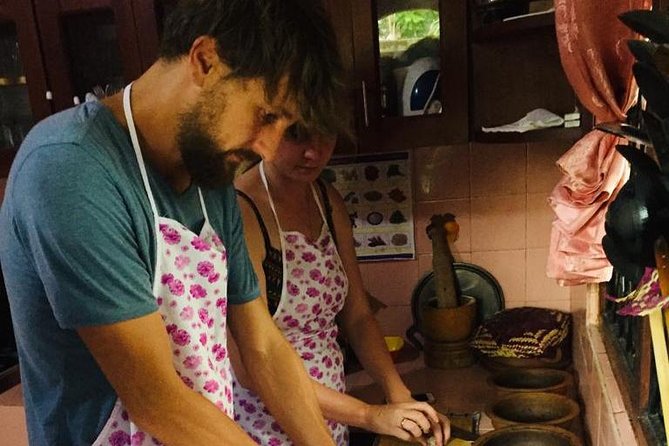
Sri Lankan food tells a story. This private Colombo cooking class takes you into the everyday food culture of Sri Lanka, where a local cook guides you through at least 10 dishes before you sit down to eat what you made. I like the hands-on format, and I like that the class focuses on home cooking rather than restaurant-style demonstrations. The main point to consider is the location in Angoda, outside central Colombo, so you need to allow time to reach the meeting point.
The class is private, lasts about three hours, and runs for lunch or dinner. I also appreciate the flexibility around timing, since the lunch session normally begins at 10 a.m. and dinner at 4 p.m., with adjustments possible based on availability. The experience costs $60 per person, which is fair if you value a full meal, personal instruction, ingredients, and a cultural exchange rather than just a quick cooking lesson.
In This Review
- Key Things to Know Before Booking
- What Makes This Colombo Class Different
- Arriving in Angoda for the Cooking Lesson
- Learning Egg Hoppers, Curries, and More
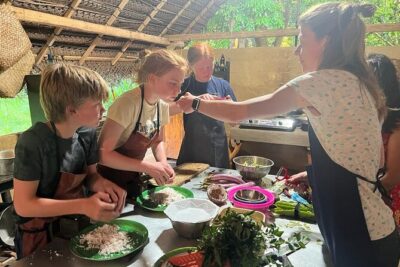
- The Hands-On Format and Teaching Style
- Sitting Down to Eat What You Made
- Food, Family, and Sri Lankan Daily Life
- Is $60 Per Person Good Value?
- Who Should Book This Class?
- Final Verdict: Book It for Personal Instruction
- FAQ
- Where does the Colombo cooking class meet?
- Where does the activity end?
- How long does the cooking class last?
- What time do the lunch and dinner sessions begin?
- How many dishes will I prepare?
- Can I cancel for a refund?
Key Things to Know Before Booking
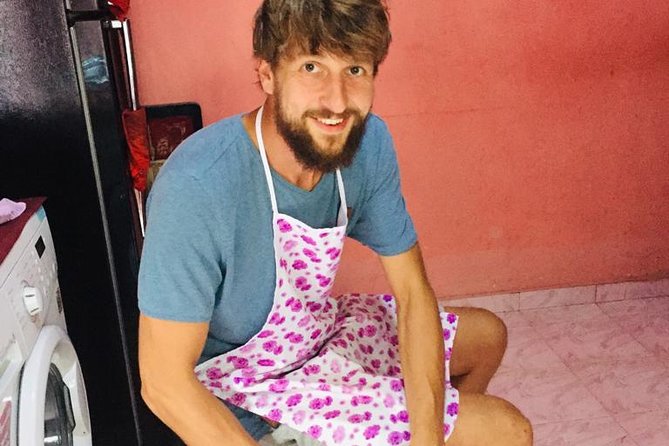
- You prepare at least 10 dishes, including Sri Lankan curries, egg hoppers, and traditional desserts.
- The class takes place in a local home setting, giving the lesson a personal connection to daily Sri Lankan life.
- Piumi is praised as both a skilled cook and a patient teacher, especially for explaining vegetarian cooking.
- You eat the meal you prepare, turning the class into both a lesson and a substantial lunch or dinner.
- The experience is private, so only your own group participates.
- The meeting point is No 275/1, B231, Angoda 10600, and the activity ends at the same place.
What Makes This Colombo Class Different
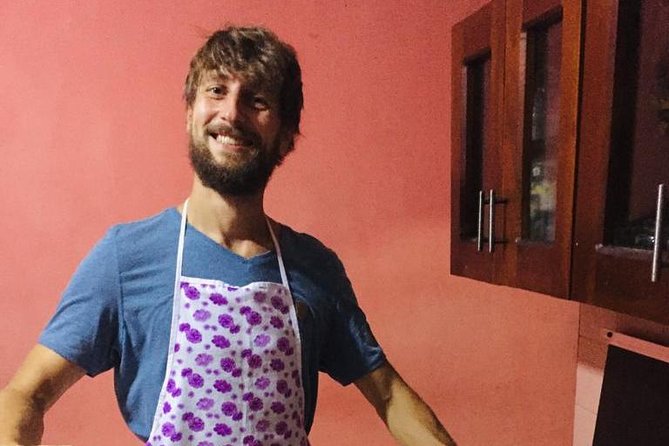
A cooking class can mean many things. Sometimes you watch a chef prepare two dishes, take a few notes, and leave with a recipe card. This class promises something more involved: you prepare a broad Sri Lankan meal with guidance from a local home cook, then eat it together.
That difference matters. Sri Lankan cooking often depends on small choices that are hard to learn from a printed recipe. The amount of spice, the order in which ingredients go into a curry, and the way each dish is balanced all make a difference. A hands-on class gives you a chance to ask about those choices as you work.
I especially like the focus on food eaten at home. You are not simply learning a polished dish designed for tourists. You are being introduced to local cooking traditions through the person teaching you, along with the place food holds in family life.
The class has earned a 5 out of 5 rating from 151 ratings, with 100 percent recommending it. That is a strong record, and the praise focuses on the personal teaching, the food, and the sense of local connection rather than only on the meal at the end.
More Cooking Classes in Colombo
- Market Tour and Hands-On Cooking Class Colombo
★ 5.0 · 140 reviews - Cooking Class Sri Lanka with Locals
★ 5.0 · 101 reviews - Colombo Cooking Experiance with Explore Market
★ 4.7 · 33 reviews
Arriving in Angoda for the Cooking Lesson
The class meets at Colombo Cooking Class, at No 275/1, B231, Angoda 10600, Sri Lanka. This is an important detail when planning your day. The meeting point is in Angoda, not described as a central Colombo hotel or a major sightseeing stop, so check your route and allow enough time to get there.
The activity ends back at the meeting point. That makes the plan simple once you arrive, but you should not assume the class includes transportation from your hotel. The provided details list a location and meeting point, but they do not state that hotel pickup or drop-off is included.
The setting is part of the appeal. The class is presented as a local home cooking session, and one highly praised version took place in a Sri Lankan family home. That can feel very different from cooking in a commercial studio. You get a closer look at how food and hospitality connect in ordinary life.
The tradeoff is that a home setting may feel less polished than a purpose-built cooking school. If you want a slick kitchen, formal chef uniforms, or a tightly staged demonstration, this may not be the right fit. If you want personal instruction and a look at food culture as it is practiced at home, the setting is a plus.
Learning Egg Hoppers, Curries, and More
The class includes at least 10 different dishes, which gives you a broad introduction to Sri Lankan cooking. Egg hoppers and curries are specifically included, along with traditional desserts.
Egg hoppers are a particularly good choice for a class because they are closely tied to Sri Lankan food culture and are not something most people regularly prepare at home. You get the chance to learn how a familiar local dish is made rather than simply ordering it at a restaurant.
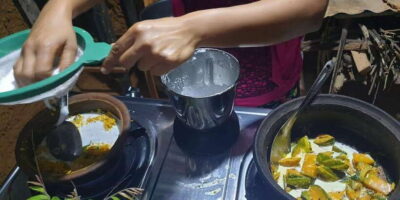
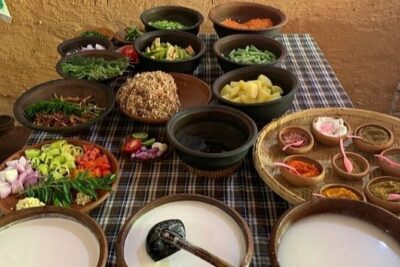
The curries make the meal feel complete. Sri Lankan cooking is not just about one main dish. A table often includes several preparations with different textures and flavors, and this class lets you see how those dishes work together.
The exact menu can vary. The information provided does not name every dish or promise one fixed list beyond the examples given, so you should ask about the day’s menu if you have a particular preference. That is especially useful if you are vegetarian, have allergies, or need to avoid certain ingredients.
One vegetarian participant received instruction on preparing and cooking 10 different vegetarian curries. That detail is useful because it suggests the class can adapt to a meat-free diet, but you should still communicate your needs when booking. The menu should never be left to chance if food restrictions matter to you.
The Hands-On Format and Teaching Style
This is described as a hands-on cooking lesson, not a demonstration where you only watch. You should expect to take part in food preparation and cooking with guidance from the host.
That format is the strongest reason to book. You are more likely to remember how to prepare a dish if you handled the ingredients and followed the process yourself. You can also ask questions at the moment they arise, which is useful when learning unfamiliar techniques.
Piumi receives particular praise as an excellent cook and teacher. Her teaching is also described as helpful for a vegetarian menu, with clear guidance through 10 separate curries. If Piumi is the person leading your session, her role appears to be more than simply setting out ingredients. She helps connect the cooking steps with Sri Lankan life and food customs.
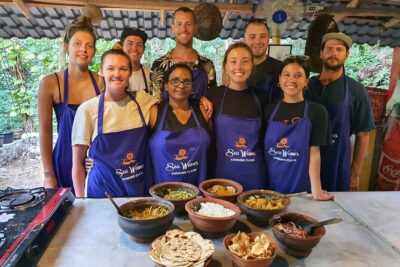
The class is private, so only your group participates. That gives you more room to ask questions and move at your own pace than you might get in a large public class. It also makes the activity a better choice for families, couples, or small groups with different levels of cooking confidence.
There is one practical limitation. The class lasts around three hours while covering 10 dishes and dessert, so the pace may be active. You are getting a wide sample of Sri Lankan food rather than a slow, highly technical study of one recipe. I see that as good value for most people, but serious cooks who want detailed instruction on every individual dish may find the schedule broad rather than exhaustive.
A different kind of day out entirely:
- Colombo: Private Tuk-Tuk City Tour with All Entry Fees
★ 4.9 · 2,154 reviews - Sri Lanka Personal Tour Driver in private vehicle
★ 5.0 · 747 reviews - Colombo Tuk Tuk City Tour -Sightseeing Entry Fees & Food Included
★ 5.0 · 678 reviews - Udawalawe National Park: Elephant Safari with Expert Guide
★ 4.9 · 641 reviews
Sitting Down to Eat What You Made
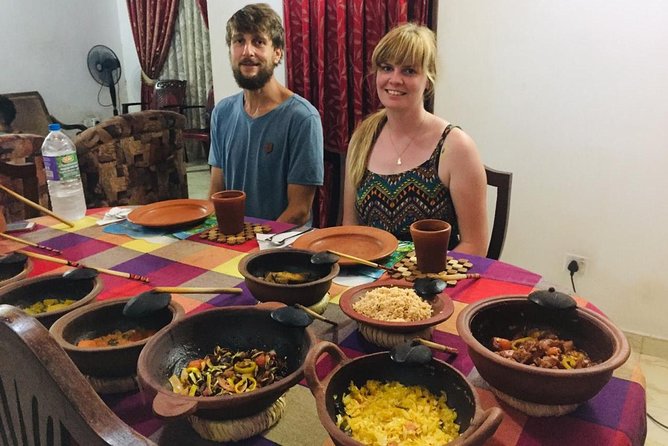
The meal at the end is not an optional extra. After preparing the dishes, you sit down and eat your creations. That gives the class a satisfying finish and lets you taste how the separate preparations work as a meal.
The food is clearly one of the experience’s strongest points. The vegetarian class produced a delicious lunch, and another session included fish curry and a wide spread of dishes. Traditional desserts are also part of the menu, which adds a sweet finish and rounds out the lesson.
I like this approach because the meal becomes a practical test. You can taste the balance of spice, compare the curries, and ask about anything that turned out differently from what you expected. Eating together also keeps the class from feeling like a standard tourist activity with a meal bolted on at the end.
Do not book this expecting a restaurant meal prepared entirely for you. The pleasure comes from eating food that your group helped prepare. That means the final meal reflects the work of the class, which is part of the charm.
The quantity and exact dishes are not specified, but making at least 10 dishes suggests a generous spread. You should still tell the host about allergies or dietary needs before arriving, especially since the cooking includes multiple dishes and may involve fish, meat, or other ingredients unless a vegetarian menu is arranged.
Food, Family, and Sri Lankan Daily Life
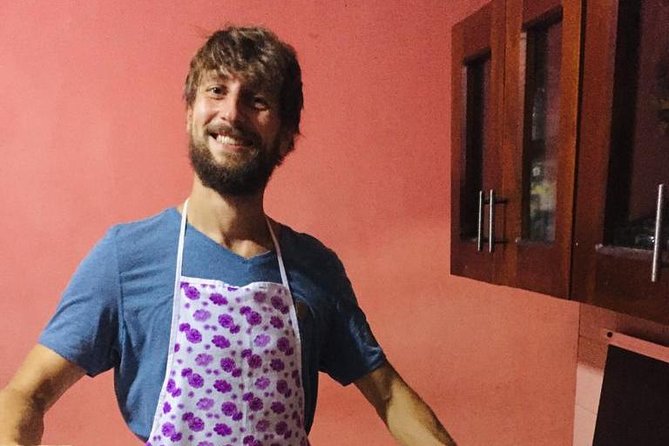
The cultural value here goes beyond recipes. Food and cooking play an important role in daily Sri Lankan life, and the class offers a chance to learn about that connection directly from a local family.
I would choose this class if you want more than a list of ingredients. You get the chance to ask how dishes fit into home meals, how a local cook thinks about preparation, and why several dishes are served together. Those details are difficult to pick up from a restaurant menu.
The home setting also changes the mood. A commercial lesson often keeps culture at arm’s length. Cooking in a family environment can make the exchange feel more personal, although the level of contact may depend on who hosts your particular session.
This is also a good way to spend part of a Colombo visit if you have already seen the main sights and want an activity connected to ordinary life. It does not replace sightseeing, but it gives you a different view of the city and the country through food.
The experience suits curious eaters, home cooks, families, couples, and anyone who enjoys learning by doing. It is also a strong pick for vegetarians, provided you confirm the menu in advance. People who dislike spice or are uncomfortable with unfamiliar foods should ask questions before booking rather than assume the class will be adjusted automatically.
Is $60 Per Person Good Value?
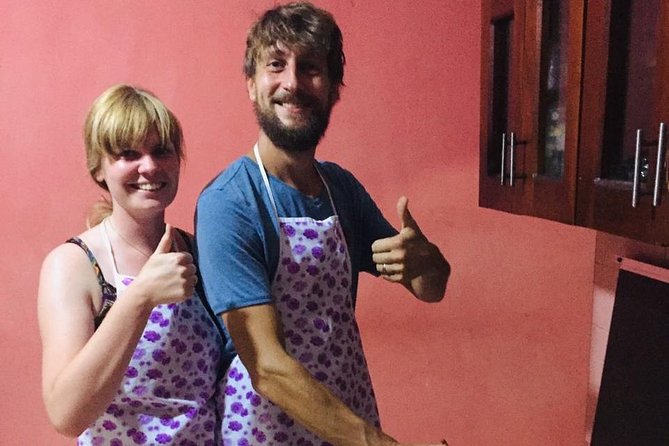
At $60 per person, this is not the cheapest meal you will find in Colombo. You are paying for a private three-hour lesson, ingredients, instruction, at least 10 dishes, dessert, and the meal itself.
I think the price is reasonable if you make full use of the private format. Ask questions, take notes, pay attention to preparation methods, and ask about dishes you want to recreate at home. The value comes from the teaching and cultural exchange as much as from the food.
The cost is less attractive if you only want to eat Sri Lankan food. Colombo offers many less expensive ways to enjoy a meal, and this class takes time that could otherwise be spent sightseeing. The right comparison is not a restaurant lunch. It is a private food lesson that includes lunch or dinner.
Ingredients are included, so you do not need to shop before arriving. A mobile ticket is provided, and booking confirmation is received at the time of booking. The class is available every day for lunch and dinner, although the start time can change according to the availability of both you and the host.
You can cancel for a full refund if you do so at least 24 hours before the local start time. Changes made less than 24 hours in advance are not accepted, so keep that deadline in mind when arranging your Colombo schedule.
Who Should Book This Class?
I would recommend this class to you if you want an active food experience with direct contact with a local cook. It is especially suitable if you like trying several dishes in one sitting and want to understand how Sri Lankan home meals are put together.
It is a smart choice for:
- Home cooks who want techniques they can use after the trip
- Vegetarians who confirm their menu in advance
- Couples or families who prefer a private activity
- Food-focused visitors who want a meal with cultural context
- People with a free lunch or dinner period in Colombo
You might want to choose another activity if you prefer a short demonstration, a central meeting point, or a fixed menu with every dish listed in advance. The Angoda location and three-hour duration require planning, and the number of dishes means the session may feel busy.
The class is also not described as a sightseeing tour. You are going for cooking, conversation, and food, not city landmarks. That narrow focus is a benefit if it matches your interests.
Final Verdict: Book It for Personal Instruction
I recommend booking the Colombo Cooking Class if you want to learn Sri Lankan food through active participation rather than simply eat it. The combination of a private setting, at least 10 dishes, traditional desserts, and a shared meal gives you a lot to do in three hours.
The strongest reasons to book are the personal teaching, the home-style setting, and the chance to request a vegetarian menu. Piumi’s reputation as a cook and teacher adds confidence, though you should confirm who will lead your specific session if that matters to you.
Before booking, check the route to Angoda, share dietary needs, and ask about the menu if you want particular dishes. If you are comfortable with those details, the $60 price offers solid value for a full cooking lesson and meal with a local cultural angle.
FAQ
Where does the Colombo cooking class meet?
The class meets at Colombo Cooking Class, No 275/1, B231, Angoda 10600, Sri Lanka.
Where does the activity end?
The activity ends back at the same meeting point in Angoda.
How long does the cooking class last?
The class lasts approximately three hours.
What time do the lunch and dinner sessions begin?
Lunch normally begins at 10 a.m., and dinner normally begins at 4 p.m. The time can change based on availability between you and the host.
How many dishes will I prepare?
You will prepare at least 10 different Sri Lankan dishes, including traditional desserts. Egg hoppers and curries are among the examples provided.
Can I cancel for a refund?
Yes. You can cancel at least 24 hours before the local start time for a full refund. Cancellations or changes made less than 24 hours before the start time are not accepted.
Just added in Colombo
- Yala National Park (Day Tour)★ 5.0 · 5 reviews
- Water Amusement and Karting★ 5.0 · 1 review
- Wake Boarding in Bentota★ 5.0 · 1 review
- Udawalawe Jeep Safari from Bentota Aluthgama Berawula Area★ 5.0 · 1 review
- Half Day Udawalawe Safari from Kalutara (Entrance + Lunch)★ 5.0 · 9 reviews
- Madu River Sunrise Mangrove Kayaking★ 5.0 · 5 reviews
- Udawalawa National Park Day Tour★ 4.5 · 5 reviews
- Sigiriya and Dambulla Day Tour from Kalutara All Inclusive★ 5.0 · 2 reviews
Cooking Classes, compared.
Organic cooking class sigiriya (kumara & family)
Read our review →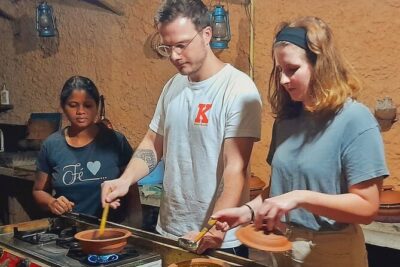
Sri Lankan Cooking Class with Neranji at Homestay
Read our review →
Browse the lists this tour appears in