
Review · COOKING CLASSES
Cooking with Arun & Tamil Family
Good food opens doors fast. Cooking with Arun offers more than a recipe lesson in Sri Lanka’s Central Province: you enter a Tamil family kitchen, help prepare a flexible menu, and eat together afterward. The three-hour experience costs $37 per person and is limited to 10 people.
I especially like the family setting and the freedom to shape the menu around vegetarian, vegan, meat-based, or milder tastes. The welcome drink, afternoon tea, authentic sweets, music, and recipe book also give the class a generous feel. The main consideration is simple: this is a home-style cooking activity, not a polished restaurant school, so anyone seeking a formal chef-led course may find it relaxed and informal.
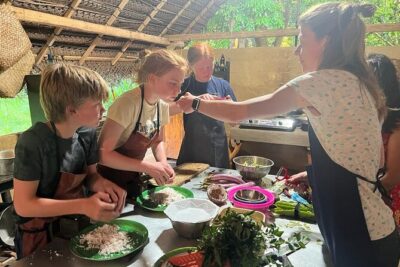
The warm welcome is central to the experience. Arun, his mother, and an assistant guide you through the cooking, with humor and patience. Families with young children may appreciate the kind treatment given to a two-year-old in one visit, while solo participants and couples can expect a small group rather than a private class.
In This Review
- Key points at a glance
- Arriving in a Central Province family kitchen
- Cooking Sri Lankan food in Tamil style
- What the three-hour schedule feels like
- The welcome
- The preparation
- The cooking
- The meal
- Afternoon tea and sweets
- Why the family welcome matters
- Music, Snowy, and the rooftop chill-out area
- What the $37 price includes
- Who will enjoy this most
- Practical details before you reserve
- The praise is consistent for good reason
- Should you book Cooking with Arun?
- FAQ
- Where does Cooking with Arun take place?
- How long does the cooking experience last?
- How much does it cost?
- What language is the lesson taught in?
- How many people can join the class?
- Is the menu suitable for vegetarians and vegans?
- Can the food be adjusted for spice preferences?
- Can dietary restrictions or allergies be accommodated?
- What is included besides the cooking lesson?
- Can I cancel or pay later?
Key points at a glance
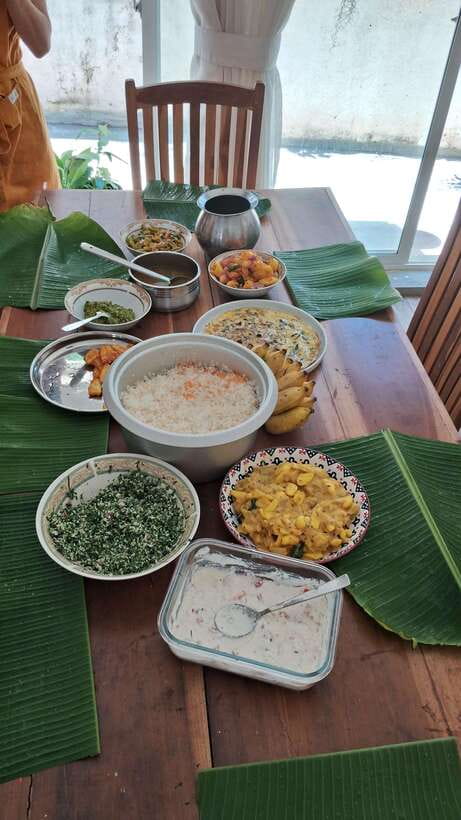
- Tamil family cooking: Arun and his mother share Sri Lankan food and family traditions inside their own cozy kitchen.
- A menu adjusted to you: Choose from spicy, mild, vegetarian, vegan, or meat-based options, and mention allergies or dietary needs in advance.
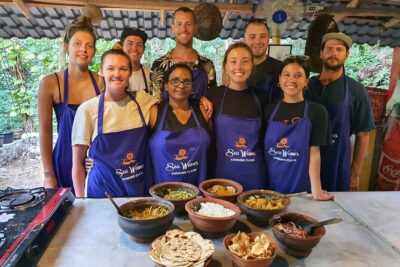
- Small group size: With no more than 10 participants, you should have room to ask questions and take part.
- Music is part of the mood: Guitars and a ukulele are available, so the kitchen can include songs and casual playing as you cook.
- More than the main meal: Your $37 includes a welcome drink, cooking lesson, dine-in meal, afternoon tea, and authentic sweets.
- Recipes to take home: A complimentary PDF recipe book helps you repeat the dishes after your Sri Lanka trip.
Arriving in a Central Province family kitchen
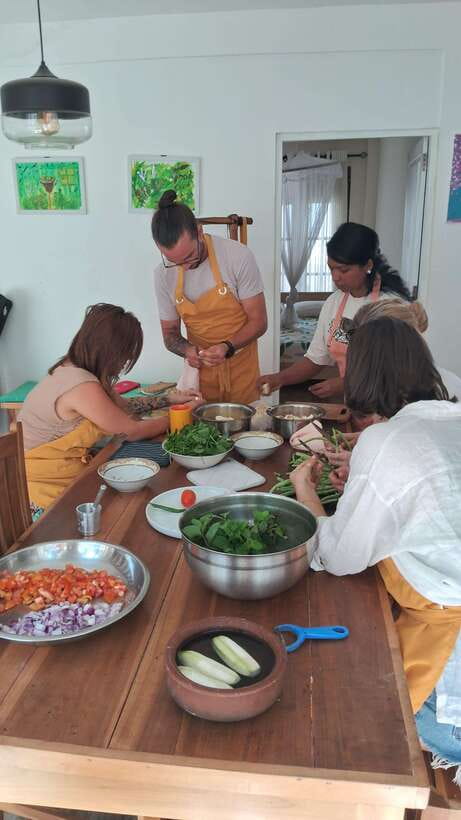
The experience begins with a welcome drink and an invitation into Arun’s kitchen. That first step matters. You are not being seated in a demonstration room to watch someone else cook. The purpose is to make you part of the meal from the start.
Arun presents the class as suitable for all skill levels. If you cook often, you can focus on technique, seasoning, and the Tamil approach to familiar ingredients. If you rarely cook, you get step-by-step help without needing to arrive with confidence.
The setting is intentionally cozy and personal. You can expect the sights, sounds, and smells of a working kitchen rather than the quiet order of a professional school. That can mean a little less structure, but it also lets the food and conversation feel more natural.
English is the teaching language. The group limit of 10 is useful here, since cooking lessons can become frustrating when too many people gather around one work surface. A small group should give you better access to Arun, his mother, and the assistant when you need help.
More Cooking Classes in Kandy
- Kandy Village Cooking Class
★ 5.0 · 536 reviews - Private Traditional Sri Lankan Cooking Class in Kandy with Hotel Transfers
★ 5.0 · 115 reviews - Cooking With Village Family
★ 5.0 · 104 reviews
Cooking Sri Lankan food in Tamil style
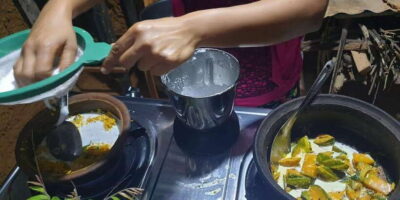
The heart of the session is a hands-on lesson in Sri Lankan dishes prepared in Tamil style. The menu is not fixed in a narrow way. It can include spicy curries, mild and flavorful dishes, vegetarian food, vegan choices, and meat-based plates, depending on the group’s preferences.
This flexibility is one of the strongest reasons to book. Sri Lankan food is often associated with heat, but you do not have to treat spice as a test of courage. Ask for milder flavors if that suits you, or request stronger seasoning if you want a more forceful meal.
You should share dietary restrictions and food allergies before cooking begins. The hosts say they are happy to accommodate them, but clear communication remains important in any home kitchen.
Arun’s mother brings the family experience behind the food. That is valuable because a cooking lesson is not only about copying a list of ingredients. You get a sense of how food is prepared within a Tamil household and how a meal can bring people together around one table.
The precise dishes are customized, so you should not book expecting a guaranteed menu of named curries. Instead, think of the class as a chance to learn a selection of Sri Lankan preparations shaped around the group. If there is a particular ingredient or style you want to learn, asking ahead is sensible.
What the three-hour schedule feels like
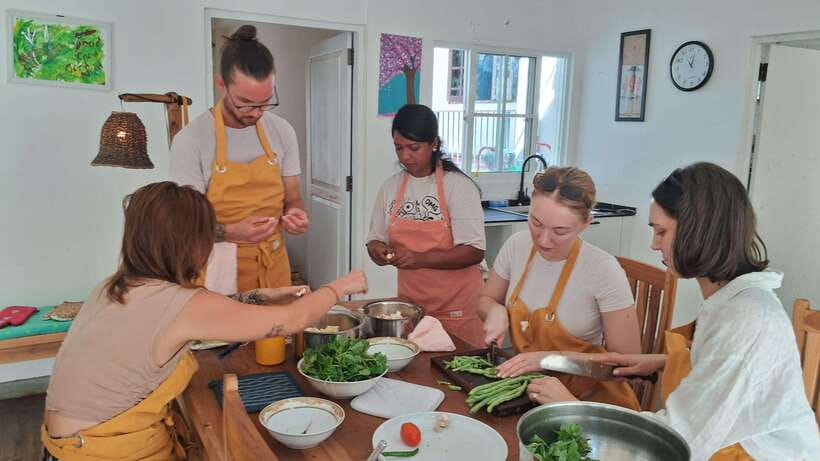
The three hours are split between welcome, preparation, cooking, eating, and time together. The exact pace may vary with the menu and the size of the group, but the experience has a clear rhythm.
The welcome
You begin with a drink and an introduction to the family kitchen. Arun sets a friendly tone, while his mother brings the cooking knowledge and family touch. This is also the right moment to explain food allergies, dietary choices, and your preferred spice level.
A different kind of day out entirely:
- Kandy Private Guided City Tour by Tuk Tuk
★ 4.9 · 1,307 reviews - From Kandy: Sigiriya Rock & Dambulla Cave Temple Adventure
★ 4.9 · 785 reviews - Kandy to Ella Train Tickets – Reserved Seats
★ 4.5 · 523 reviews - From Kandy: Pinnawala Day Tour
★ 4.8 · 331 reviews
The preparation
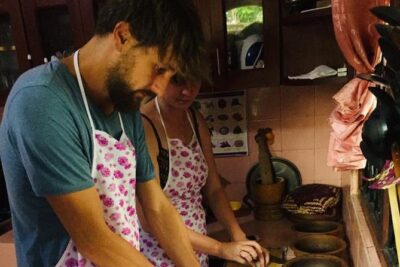
You help get the meal ready rather than simply watching. Arun’s aim is to make each stage manageable for beginners, so you can ask questions as you work. Experienced home cooks may enjoy comparing methods and learning how Tamil-style dishes are handled.
The cooking
The kitchen becomes the social center of the activity. Good music is part of the plan, and guitars and a ukulele are available for anyone who wants to play. You can also bring favorite tunes to connect to the kitchen setup.
That musical element may appeal to people who enjoy a lively, informal evening. It could be less attractive if you want a quiet, highly technical lesson. The experience clearly values company and fun as much as precise instruction.
Snowy, the family pet, is also part of the household welcome. If you like animals, Snowy adds another warm detail. If you have allergies or are uncomfortable around pets, keep that home setting in mind when deciding.
The meal
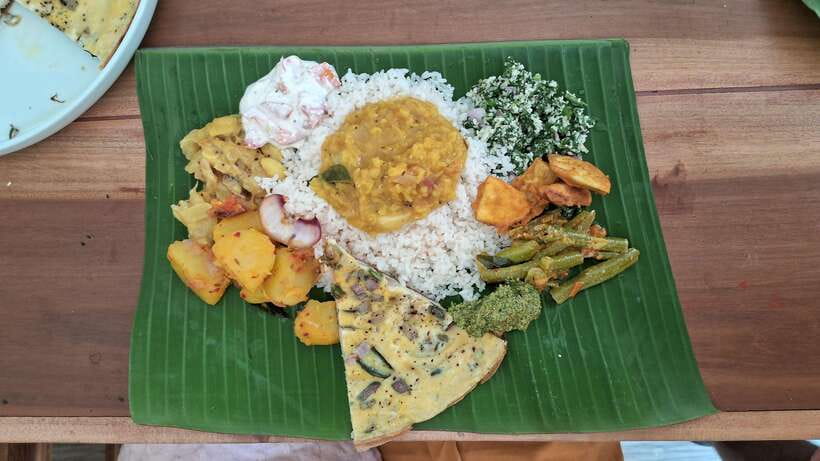
Once the food is ready, you sit down and eat what you helped prepare. The meal is not an afterthought. Dining together is part of the cultural exchange, and it gives you time to talk with Arun and his family beyond the cooking steps.
You may be able to take extra food home if more was prepared than the group can eat. Another option is to donate surplus food to disadvantaged people. That small choice gives the meal a practical purpose beyond your own plate.
Afternoon tea and sweets
The included afternoon tea adds a second food moment to the class. You also receive authentic Sri Lankan sweets, giving you a taste of something beyond the savory dishes prepared during the lesson.
For anyone interested in the full range of Sri Lankan food, this is a useful detail. A curry lesson alone can leave you with only one side of the cuisine. Tea and sweets round out the experience.
Why the family welcome matters
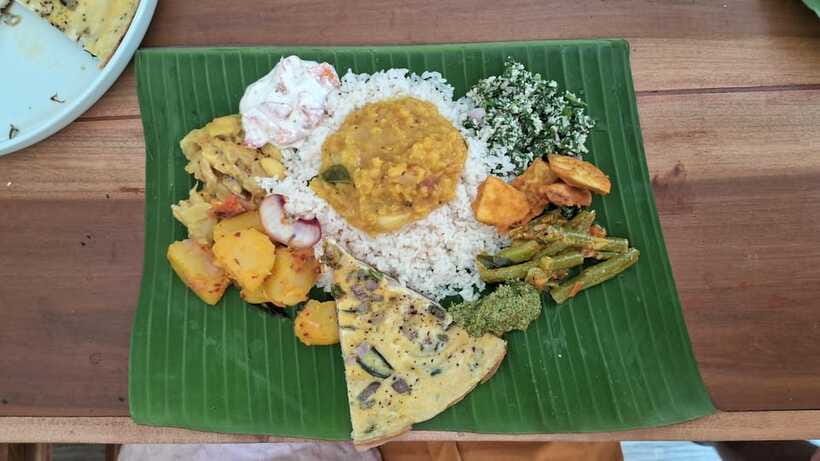
The strongest feature here is not a single dish. It is the sense of being received into a family space.
Arun, his mother, and the assistant are praised for their kindness and effort. The tone is warm, humorous, and generous. One family with a two-year-old found the hosts especially gentle with their child, which suggests the activity can work well for parents who want a food experience without a stiff or formal atmosphere.
You should also expect conversation and shared time. The class is designed around cooking together, then eating together, rather than rushing you out after the final instruction.
That warmth has a tradeoff. A family kitchen cannot promise the same controlled conditions, polished timing, or standardized dishes as a professional culinary institute. If you want exact knife skills, detailed measurements, or a certificate, this may not be the right match. If you want human contact and a relaxed meal, it is much more appealing.
Music, Snowy, and the rooftop chill-out area
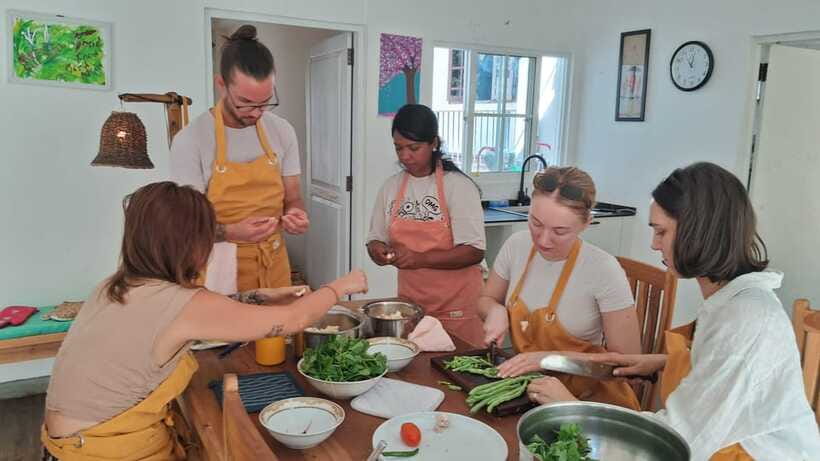
The music option gives the class an unusual character. You can play your own tunes, strum a guitar, or try the ukulele while food is being prepared. You do not need to be a musician. Even a little background music can make the meal feel less like a lesson and more like an evening with friends.
Snowy, the family pet, adds to the home atmosphere. This is a small detail, but it helps explain why the activity feels personal rather than commercial.
After cooking, you can also use the rooftop chill-out area. The setting offers views, though the information does not specify exactly what you will see or how long you can stay. Treat it as a pleasant place to relax with your meal rather than a separate sightseeing stop.
The rooftop is best understood as a bonus. The food and family exchange remain the main event, so do not book this primarily for a major viewpoint.
What the $37 price includes
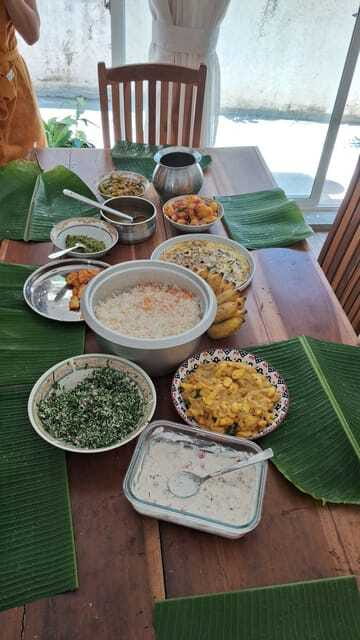
At $37 per person, the value is strong if you want more than a meal. You receive a welcome drink, the cooking lesson, the food you prepare, dine-in time, afternoon tea with authentic sweets, and a complimentary PDF recipe book.
You may also take home extra food if there is more than the group can eat, or choose to donate it to disadvantaged people. That adds practical value and reduces waste.
The recipe book is especially useful. A cooking class can fade into a pleasant memory once you leave Sri Lanka. A PDF gives you a way to try the dishes again at home and share the experience with friends or family.
The price is less compelling if you only want to eat. You can find cheaper meals in Sri Lanka, but that would not include the instruction, family setting, music, tea, sweets, and recipes. The fair comparison is with a cooking class plus a hosted meal, not with a restaurant lunch.
Who will enjoy this most
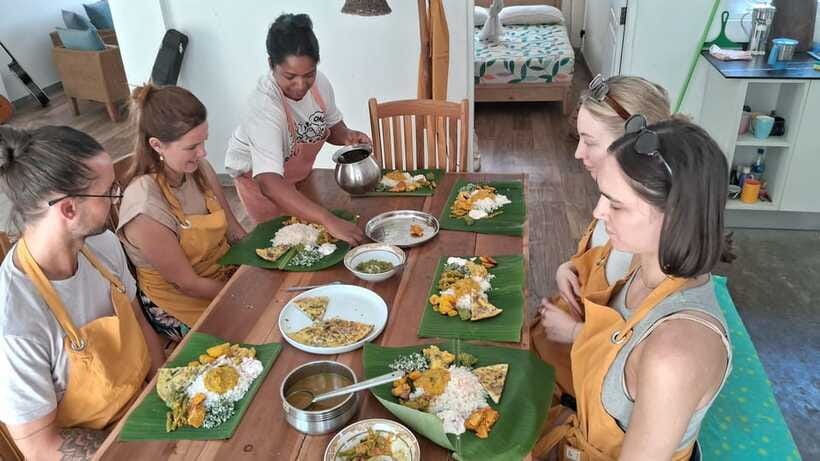
I would recommend Cooking with Arun to several kinds of people:
- First-time cooks: The step-by-step approach and welcoming family should make the lesson approachable.
- Food-focused visitors: You can learn about Sri Lankan Tamil cooking while tasting the results.
- Vegetarians and vegans: The menu can be adjusted to suit these diets.
- Families: The relaxed setting and reported kindness toward a young child are encouraging.
- Solo visitors: A group of no more than 10 gives you a natural way to meet people.
- Couples and friends: Music, shared preparation, tea, and the rooftop area make this more social than a standard class.
- Home cooks: The recipe book lets you continue practicing after you return home.
You may want to skip it if you dislike group activities, do not enjoy home settings, or want a tightly timed professional course. You should also be comfortable with a pet in the household and with a cooking session that places social connection beside technique.
Practical details before you reserve
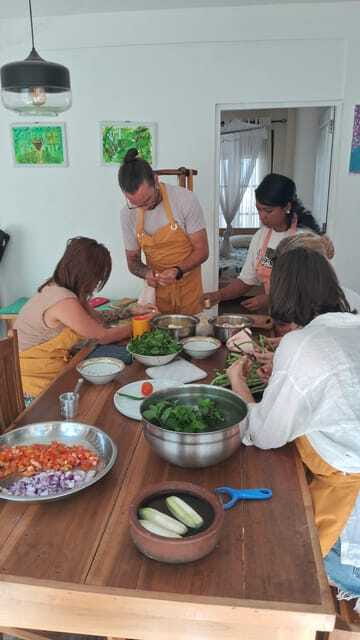
The activity lasts three hours, and starting times vary, so check availability for the day you want. The instructor speaks English, which makes the lesson accessible to English-speaking participants.
The group is limited to 10 people. That is small enough for personal guidance, though the exact amount of hands-on time can depend on the menu and how many people attend.
You can cancel up to 24 hours in advance for a full refund. You can also reserve now and pay later, which helps if your Sri Lanka plans are still taking shape.
Tell the hosts about allergies and dietary restrictions before the session. Also explain your preferred spice level, since the menu can be customized from spicy to mild.
The praise is consistent for good reason
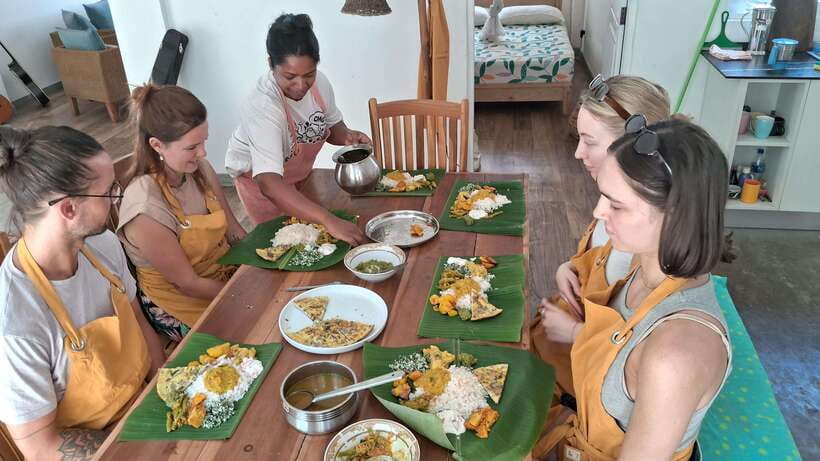
The strongest pattern is the combination of hospitality and food. The hosts are described as welcoming from the first moment, generous with their time, and willing to make the session special.
The cooking itself receives equal praise. The food is repeatedly described as delicious, and the lesson gives you the chance to prepare it rather than merely taste it. Humor is another common thread, which matters when you are learning in an unfamiliar kitchen.
The activity also seems to work across ages and nationalities. English-speaking participants from several countries have enjoyed it, and the warm approach made the experience comfortable for a young child as well as adults.
That consistency does not mean every person will love every detail. If you need a formal class with a fixed menu and professional equipment, the relaxed family format may feel too loose. But for most people seeking food, culture, and a welcoming evening, the strengths are clear.
Should you book Cooking with Arun?
Book it if you want to cook in a real family setting, eat what you make, and leave with recipes you can use at home. The $37 fee covers a generous three-hour package, and the small group, flexible menu, tea, sweets, music, and family welcome make it more than a basic cooking demonstration.
I would be especially keen to recommend it to food lovers, families, vegetarians, vegans, and anyone who values personal contact over polished presentation. Skip it only if you prefer a formal chef school or a quiet, highly technical lesson.
For a relaxed taste of Sri Lankan Tamil home cooking in the Central Province, this is an easy activity to add to your plans.
FAQ
Where does Cooking with Arun take place?
The experience takes place in Sri Lanka’s Central Province, inside Arun’s family kitchen.
How long does the cooking experience last?
The activity lasts three hours.
How much does it cost?
The price is $37 per person.
What language is the lesson taught in?
The instructor teaches in English.
How many people can join the class?
It is a small-group experience limited to 10 participants.
Is the menu suitable for vegetarians and vegans?
Yes. The menu can include vegetarian and vegan dishes, as well as meat-based options.
Can the food be adjusted for spice preferences?
Yes. The menu includes spicy and mild options, and dishes can be customized according to preference.
Can dietary restrictions or allergies be accommodated?
Yes. You should inform the hosts about dietary restrictions or food allergies so they can make suitable arrangements.
What is included besides the cooking lesson?
The experience includes a welcome drink, dine-in meal, afternoon tea with authentic sweets, and a complimentary PDF recipe book.
Can I cancel or pay later?
You can cancel up to 24 hours in advance for a full refund. You can also reserve your place and pay later.
Just added in Kandy
- Day Tour of Nuwara Eliya★ 5.0 · 3 reviews
- Full day Kandy City Tour by Tuk Tuk★ 5.0 · 1 review
- Day Tour Kandy to Sigiriya with Dambulla Cave Temple Excursion★ 5.0 · 3 reviews
- Day Tour for Outdoor and Adventure Lovers★ 4.5 · 4 reviews
- Ambuluwawa Tower and Kandy City Tuk Tuk Tour with Epic views★ 5.0 · 9 reviews
- Culture Tour in Kandy★ 5.0 · 1 review
- Dambulla, Sigiriya and Pidurangala Tour from Kandy★ 5.0 · 9 reviews
- Kandy to Nallathanniya (Climb Adams Peak)★ 5.0 · 1 review
Cooking Classes, compared.
Organic cooking class sigiriya (kumara & family)
Read our review →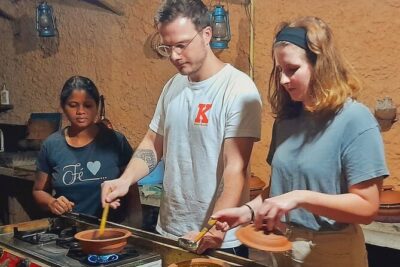
Sri Lankan Cooking Class with Neranji at Homestay
Read our review →
Browse the lists this tour appears in