
Review · COOKING CLASSES
Private Traditional Sri Lankan Cooking Class in Kandy
Sri Lankan food rewards curious cooks. This three-hour class in Kandy combines hands-on recipes with a meal you prepare yourself, including lentils, jackfruit curry, chutney, and vegetable dishes. I like the limited group size of four, which gives you room to ask questions, and I like that the food is made from start to finish rather than simply demonstrated. One point to check before booking: the experience description names Chitra as the instructor, while recent booking information identifies Ranees and his wife as the hosts, so confirm who will lead your session.
The class also earns points for flexibility. Vegan, vegetarian, and gluten-free meals can be arranged, and hotel pickup and return are included. The main drawback is that the exact starting time and menu may vary, so you should share your dietary needs in advance and confirm the day’s plan.
In This Review
- Key points to know before booking
- Why this Kandy cooking class works
- Hotel pickup makes the morning easier
- The market stop adds a useful first lesson
- Cooking jackfruit curry, lentils, and more
- The value is in making every dish yourself
- Sit down for the meal you helped create
- Recipes turn a three-hour class into a lasting souvenir
- Dietary choices are handled with real purpose
- Is $40 a fair price?
- Who will enjoy this experience most
- Practical tips for a better class
- Should you book this Kandy cooking class?
- FAQ
- How long does the Sri Lankan cooking class last?
- How much does the experience cost?
- How many people can join the class?
- Is hotel pickup included?
- What type of transport is used for pickup?
- Is lunch included?
- Are vegan and vegetarian meals available?
- Can people with gluten-free diets join?
- Is the class taught in English?
- Can I cancel the booking for a refund?
Key points to know before booking
- A four-person maximum keeps the class personal: You should receive plenty of guidance instead of watching from the back of a crowded room.
- Market shopping may be part of the morning: Some bookings include a trip to choose produce before cooking begins.
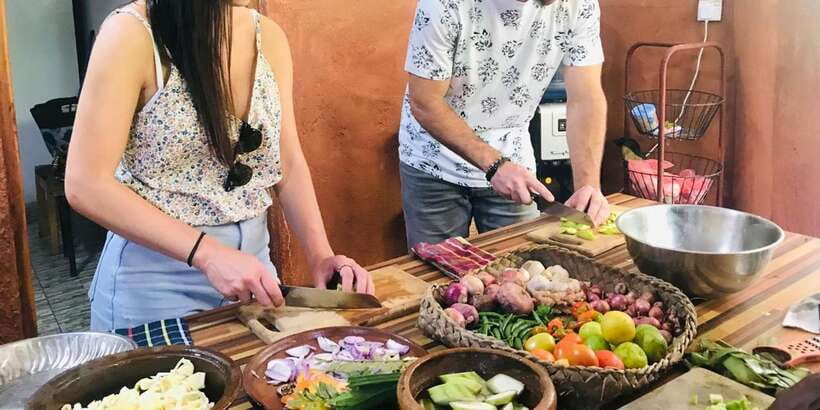
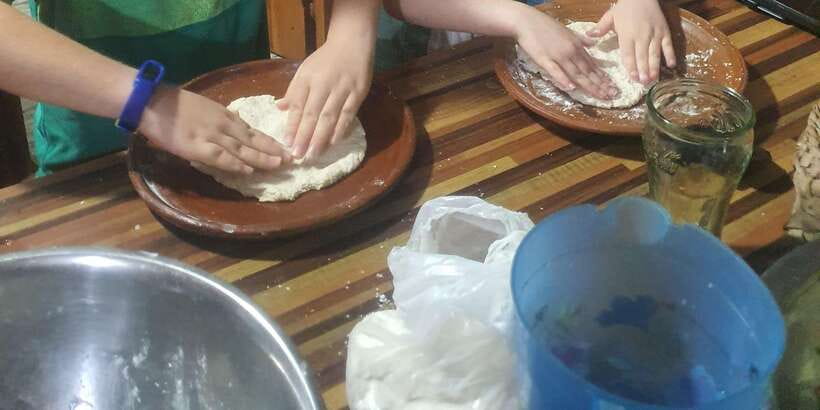
- You cook every dish from start to finish: The class is not built around pre-prepared food.
- Jackfruit curry is a likely highlight: It can be prepared as a vegan dish and offers a useful introduction to Sri Lankan ingredients.
- A full meal follows the cooking: You sit down with the hosts and eat what you have made.
- Recipes are provided afterward: This gives you a practical way to recreate the dishes at home.
Why this Kandy cooking class works
I see this experience as more than a meal with a recipe attached. It gives you a close look at how Sri Lankan food is put together, one curry and side dish at a time.
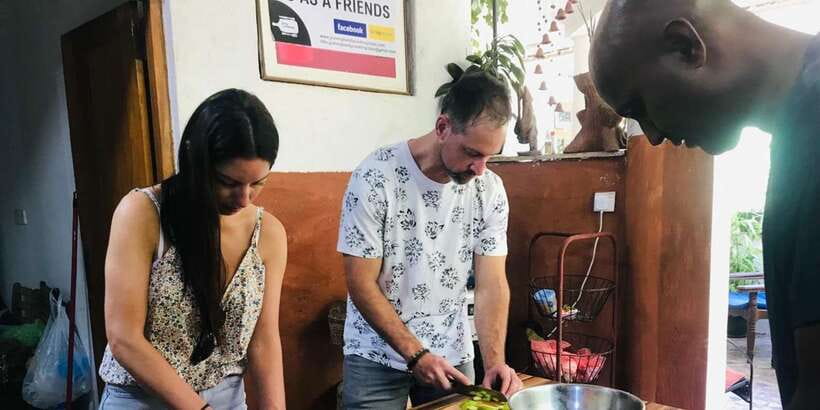
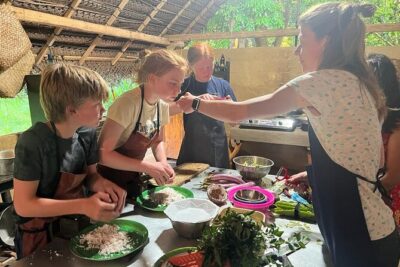
The format is small, with no more than four participants. That matters in a cooking class. You can ask how much spice to use, watch a technique again, and get help when a dish needs adjusting. Beginners should feel comfortable, while experienced home cooks can focus on methods they may not have used before.
The class is led in English. The main description names Chitra, an experienced Sri Lankan cooking instructor. Recent booking details also identify Ranees and his wife as the people who host the class. They are described as cooks with restaurant and catering experience. Since the names differ between the supplied details, I would confirm the instructor when you book.
The strongest reason to choose this class is the balance between instruction and eating. You do not simply watch someone prepare lunch. You help create the meal, then sit down and taste the results with the people who taught you.
More Cooking Classes in Kandy
- Kandy Village Cooking Class
★ 5.0 · 536 reviews - Private Traditional Sri Lankan Cooking Class in Kandy with Hotel Transfers
★ 5.0 · 115 reviews - Cooking With Village Family
★ 5.0 · 104 reviews
Hotel pickup makes the morning easier
Pickup is included from your hotel concierge desk, followed by a return to your hotel after the class. Transport is by tuk-tuk or van, depending on the number of people.
That is useful in Kandy, where hotels can sit on roads that are less convenient to reach on foot. A tuk-tuk ride also adds a small local touch to the outing, though you should not assume that every booking will use one. The vehicle depends on group size.
One booking included pickup from a hotel outside central Kandy, so the service may work even if you are not staying right in the center. Still, it is sensible to provide your exact hotel details and ask where to meet the driver. The stated meeting point is the concierge desk.
The class lasts three hours. That usually gives you enough time for preparation, cooking, and the final meal without taking over your entire day. You should check the available starting times when booking, especially if you plan to visit Kandy’s other sights afterward.
The market stop adds a useful first lesson
Some sessions begin with a visit to a local market to choose the produce used in the class. This is one of the most useful parts of the experience because it connects the finished curry with the ingredients that make it possible.
You may encounter vegetables and fruits that are unfamiliar, including jackfruit and other produce used in Sri Lankan home cooking. One participant learned about new vegetables, their health benefits, and the best ways to prepare them. That kind of information is hard to pick up from a restaurant menu.
The market portion is not described as guaranteed for every departure, so ask about it if this is important to you. The supplied details indicate that at least some classes include it. If your session does visit the market, think of it as a practical introduction rather than a formal sightseeing stop.
The most valuable lesson is likely selection. Cooking well often starts with choosing the right ingredient, not with an elaborate technique. Seeing the produce before it reaches the cooking table helps you understand that.
Cooking jackfruit curry, lentils, and more
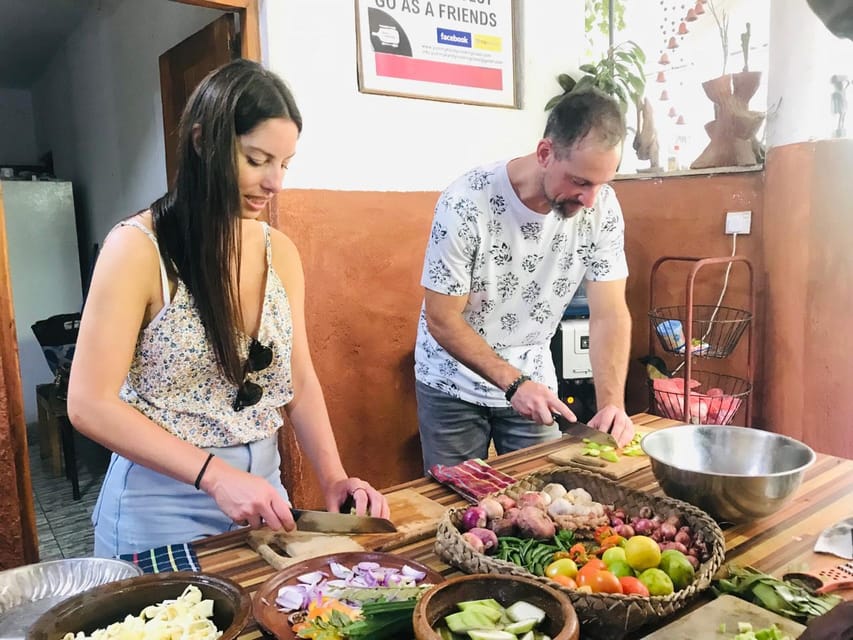
The menu includes lentils and jackfruit curry, with additional vegetable dishes and chutney. One meal also included chicken curry, mango chutney, and several vegetable preparations.
This gives you a good sense of Sri Lankan cooking because the meal is not just one large curry. Rice and several small dishes are often enjoyed together, with different textures and levels of spice on the same plate. Preparing several recipes lets you see how the parts work together.
Jackfruit curry is a particularly good choice for a class. The fruit has a firm, meaty texture when cooked, making it a useful ingredient for a vegan main course. It also shows you that Sri Lankan cooking is not limited to the familiar chicken or fish curry found on many restaurant menus.
Lentils offer a different lesson. They are simple, affordable, and filling, yet the final flavor depends on seasoning and cooking technique. Learning a lentil dish gives you something you can realistically prepare at home, even if your local shop does not stock every Sri Lankan ingredient.
The exact menu can depend on your dietary preference and the products available. If you want chicken, a fully vegan meal, or gluten-free dishes, state that before the class. The activity specifically offers vegan, vegetarian, and gluten-free options.
A different kind of day out entirely:
- Kandy Private Guided City Tour by Tuk Tuk
★ 4.9 · 1,307 reviews - From Kandy: Sigiriya Rock & Dambulla Cave Temple Adventure
★ 4.9 · 785 reviews - Kandy to Ella Train Tickets – Reserved Seats
★ 4.5 · 523 reviews - From Kandy: Pinnawala Day Tour
★ 4.8 · 331 reviews
The value is in making every dish yourself
A major strength is the reported lack of pre-prepared food. You can work through each dish from the beginning rather than arriving after the difficult steps are finished.
That distinction matters. You learn how ingredients are handled, how spice mixtures are built, and how cooking methods affect the result. You also see the time involved, which helps explain why a home-cooked Sri Lankan meal can contain several different dishes.
The class is intended to suit different skill levels. If you cook only basic meals, personalized instruction can keep the process manageable. If you already cook regularly, ask about spice balance, substitutions, and the reason for each step.
I would not expect a formal culinary-school lesson. This is a friendly, small-group home-style experience focused on food you can eat and repeat. Its value comes from direct practice, not from a long lecture or a certificate.
The supplied information does not provide a detailed list of equipment or every cooking technique. It does confirm that all necessary kitchen equipment is included. You should therefore expect the basic tools needed for the session, without assuming that you will receive instruction in advanced professional methods.
Sit down for the meal you helped create
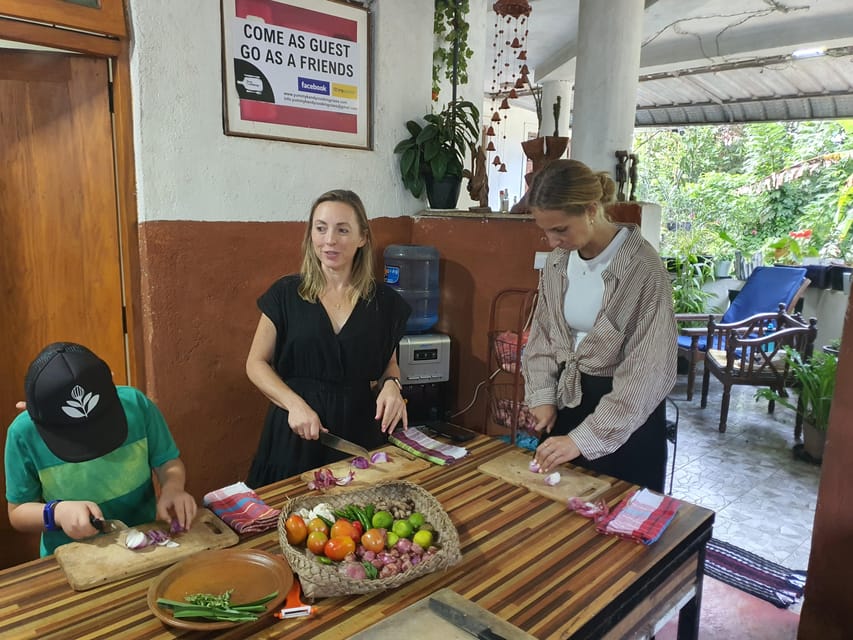
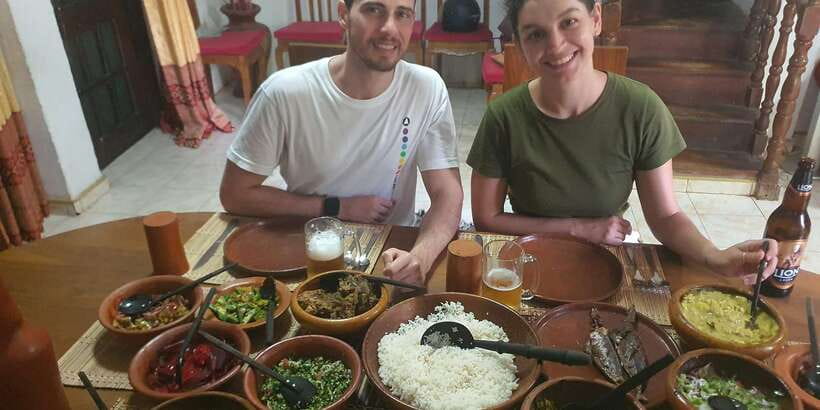
After the cooking, you eat the dishes together with the hosts and the other participants. Coffee or tea, bottled water, and lunch are included.
This shared meal is not just a convenient ending. It lets you compare the dishes, notice how the flavors work together, and ask final questions while the food is in front of you. It also gives the class a social side that a private kitchen demonstration would lack.
Portions appear generous. One booking included more food than the participants could finish. That is good news if you are hungry, though you should not expect a light tasting menu.
The setting is described as beautiful, but no specific venue details are supplied. I would treat the setting as a pleasant extra rather than the main reason to book. The real draw is cooking with local hosts and eating the result.
The experience aims to reflect Sri Lankan hospitality. You are not being rushed through a restaurant kitchen. Instead, you share a table after working together, which makes the meal feel connected to the cooking.
Recipes turn a three-hour class into a lasting souvenir
You receive the recipes and instructions for the dishes prepared during the class. This may be the most practical inclusion of all.
Food souvenirs are easy to lose. A recipe file gives you a way to bring the experience home, provided you can find suitable ingredients. The instructions can also help you adjust the spice level or replace ingredients that are unavailable in your area.
If you cook at home, take notes during the class even though recipes are supplied afterward. Write down the names of unfamiliar vegetables, the order in which spices are added, and any advice about texture. Those small reminders may be more useful than photographs.
Ask whether the recipes reflect the exact dishes you prepared. The available information says you receive the recipes for the cooked dishes, so you should have a useful record of the session.
Dietary choices are handled with real purpose
The class specifically offers vegan, vegetarian, and gluten-free meal options. This is more useful than simply placing a small salad on the side of a standard menu.
A vegan session can include jackfruit curry, lentils, vegetables, and chutney. One booking arranged a fully vegan meal in advance and received the same complete cooking experience as everyone else. That suggests the dietary choice affects the main menu rather than limiting you to one substitute dish.
You should tell the provider about your needs before the class, ideally when booking or at least the day before. The experience says meals are prepared according to dietary preferences, but it does not provide a separate allergen policy. If you have a serious allergy, explain it clearly and ask how ingredients will be handled.
Gluten-free diners should also confirm the menu in advance. The option is available, but exact dishes and ingredients are not listed.
Is $40 a fair price?
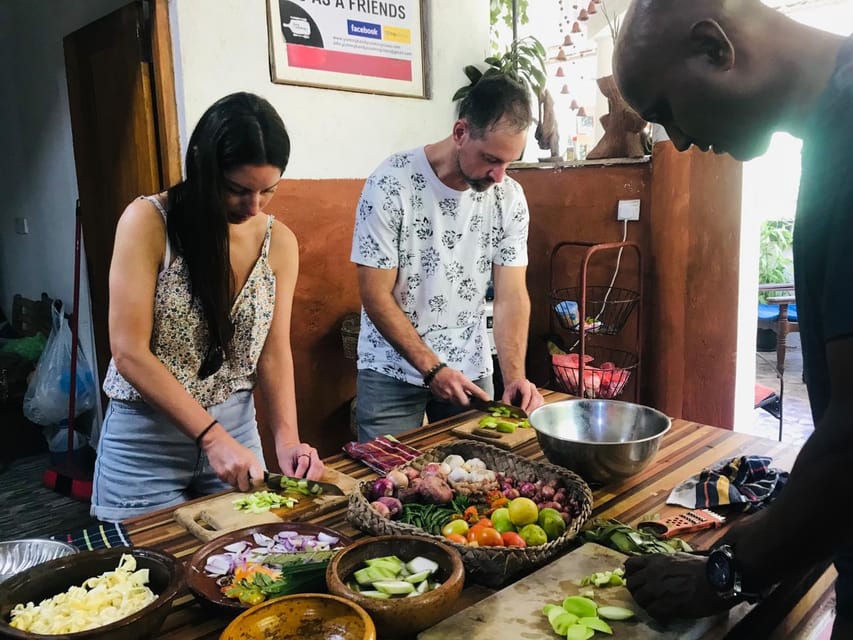
At $40 per person, the class offers solid value if you want more than a standard restaurant lunch. The price includes three hours of instruction, transport to and from your hotel, kitchen equipment, bottled water, coffee or tea, lunch, and dietary adjustments.
You are also paying for a very small group. With a maximum of four people, the cost buys access to the instructor rather than just a seat at a crowded demonstration. The recipes add value after you leave.
The market visit, when included, makes the price more appealing because it adds another part to the morning. However, it is not clearly promised for every session, so do not book solely on the assumption that it will happen.
Compared with ordering several Sri Lankan dishes in a restaurant, the class costs more. But a restaurant meal will not teach you how to prepare jackfruit curry, provide recipes, or arrange hotel pickup. If you want only lunch, choose the restaurant. If you want skills and a memorable local meeting, $40 is reasonable.
Who will enjoy this experience most
I would recommend this class to people who want an active food experience in Kandy, especially:
- First-time visitors who want an introduction to Sri Lankan home cooking
- Couples or small groups who prefer personal instruction
- Vegetarians, vegans, and gluten-free diners who want a full meal
- Home cooks interested in curries, chutneys, lentils, and unfamiliar vegetables
- People who appreciate receiving recipes they can use later
- Anyone staying outside central Kandy who values hotel pickup
It may be less suitable if you dislike group activities, do not want to cook during your holiday, or prefer a short tasting with no practical instruction. Three hours is a meaningful block of time, and the class is built around participation.
Babies under one year old are not considered suitable for the activity. The experience is wheelchair accessible, but you should still confirm the transport arrangement and venue details before booking if you need specific access support.
Practical tips for a better class
Tell the provider your diet before arriving. This is especially important for vegan, vegetarian, and gluten-free meals.
Wear clothing suitable for cooking, and avoid bringing a schedule that leaves no time for the final meal. The class includes lunch, and the food may be substantial.
If you hope to visit a market, ask if that part is included on your date. It appears in some sessions but is not presented as a fixed part of every booking.
Confirm the instructor’s name when you reserve. The experience description refers to Chitra, while recent host details refer to Ranees and his wife. This is a small point, but clear information makes pickup and arrival easier.
Plan to save the recipe instructions. You will likely want to make at least one dish again, particularly the jackfruit curry or mango chutney.
Free cancellation is available up to 24 hours before the experience for a full refund. You can also reserve now and pay later, which helps if your Kandy schedule is still changing.
Should you book this Kandy cooking class?
Yes, if you want to learn by doing. The small group, full meal, local hosts, dietary flexibility, hotel transport, and take-home recipes make this a strong choice for food-focused visitors.
I especially like that the dishes are prepared from start to finish and that the menu can include several different curries, vegetables, lentils, and chutney. The only points I would clarify are the instructor’s identity, the exact starting time, and whether a market visit is included on your date.
Book it if you want a generous lunch with a story behind it. Skip it if you are looking only for a quick bite or a polished restaurant setting. For most curious cooks, this is a practical and personal way to understand Sri Lankan food while you are in Kandy.
FAQ
How long does the Sri Lankan cooking class last?
The class lasts three hours, including the cooking session and the meal afterward.
How much does the experience cost?
The price is $40 per person.
How many people can join the class?
The class is limited to four participants.
Is hotel pickup included?
Yes. Pickup takes place at your hotel concierge desk, and you are returned to your hotel afterward.
What type of transport is used for pickup?
Transport is by tuk-tuk or van, depending on the number of participants.
Is lunch included?
Yes. You eat the meal prepared during the class, and lunch is included in the price.
Are vegan and vegetarian meals available?
Yes. Vegan and vegetarian meal options are available, and you should provide your preference in advance.
Can people with gluten-free diets join?
Yes. Gluten-free meals are available according to the stated dietary options. Confirm your requirements before the class.
Is the class taught in English?
Yes. English is the stated language of the instructor and experience.
Can I cancel the booking for a refund?
Yes. You can cancel up to 24 hours in advance for a full refund. Reserve now and pay later is also available.
Just added in Kandy
- Day Tour of Nuwara Eliya★ 5.0 · 3 reviews
- Full day Kandy City Tour by Tuk Tuk★ 5.0 · 1 review
- Day Tour Kandy to Sigiriya with Dambulla Cave Temple Excursion★ 5.0 · 3 reviews
- Day Tour for Outdoor and Adventure Lovers★ 4.5 · 4 reviews
- Culture Tour in Kandy★ 5.0 · 1 review
- Dambulla, Sigiriya and Pidurangala Tour from Kandy★ 5.0 · 9 reviews
- Ambuluwawa Tower and Kandy City Tuk Tuk Tour with Epic views★ 5.0 · 9 reviews
- Kandy to Nallathanniya (Climb Adams Peak)★ 5.0 · 1 review
Cooking Classes, compared.
Organic cooking class sigiriya (kumara & family)
Read our review →
Sri Lankan Cooking Class with Neranji at Homestay
Read our review →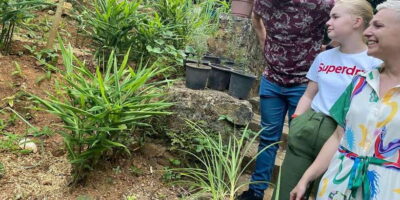
Browse the lists this tour appears in