
Review · COOKING CLASSES
Sri Lanka: Cooking Class
Come hungry and ready to get involved. This three-hour class in Kotapola offers a friendly way to learn Sri Lankan cooking inside a local setting, rather than simply ordering another plate of rice and curry. I like the hands-on format, and I like that the class connects food with daily life, spices, trade, and local customs. The price is $50 per person, which is fair if you value personal instruction and hotel transport.
The main caution is the spice level. Even after asking for less heat, one recent participant found the food too hot to eat, so you should repeat your spice preference clearly before cooking starts. Also, the accessibility information is contradictory: the activity is marked wheelchair accessible in one place but says it is not suitable for wheelchair users or people with mobility impairments elsewhere.
In This Review
- Key points at a glance
- Arriving in Kotapola by tuk tuk
- The first lesson: why Sri Lankan food tastes different
- Working with rice, coconut, vegetables, and meat
- Spices, heat, and the importance of asking twice
- Meeting the hosts over the meal
- Is $50 per person good value?
- Timing, comfort, and what to wear
- Accessibility needs require a direct check
- What the ratings tell me
- Who should book this Kotapola cooking class?
- Should you book it?
- FAQ
- Where does the cooking class take place?
- How long does the activity last?
- How much does the cooking class cost?
- Is hotel pickup included?
- What language is the class conducted in?
- Can I request dietary preferences?
- Is the class suitable for wheelchair users?
Key points at a glance
- Seven to eight dishes in one short class: Recent sessions produced a surprisingly broad meal in roughly one and a half to three hours.
- Rnishani receives especially warm praise: She is described as kind, clear, careful, and good at adapting the menu to dietary needs.
- Tuk tuk pickup is included: Pickup from a nearby hotel or villa is arranged about 30 minutes before the class.
- Rice and coconut are central: The class explains why these everyday ingredients matter so much in Sri Lankan cooking.
- Spices are part of the lesson, not just seasoning: You learn how herbs and spices shape the character of each dish.
- Ask for mild food twice: Sri Lankan cooking can be properly hot, and the requested heat level may need extra attention.
Arriving in Kotapola by tuk tuk
Your experience begins with pickup from your hotel or villa in the Kotapola area. The provider says a tuk tuk collects you around 30 minutes before the activity, giving you a short, local ride rather than a standard tour vehicle transfer.
I like this small detail. A tuk tuk is practical in Sri Lanka, and the ride helps set the tone before the cooking begins. It also makes the $50 cost more useful for anyone staying nearby, since you do not need to arrange separate transport in both directions.
The pickup area is limited to hotels and villas around Kotapola, so check your exact accommodation before booking. The provided details do not specify the maximum group size or the precise cooking location. That matters if you want a quiet, private lesson rather than a shared class.
The experience lasts three hours, though one recent session prepared seven dishes in about an hour and a half. That suggests the pace can vary with the group, the menu, and how much time is spent eating and talking. You should allow the full three hours rather than planning another tight appointment immediately afterward.
More Cooking Classes in Mirissa:
- Mirissa: Cooking Class with Beer and Meal
★ 3.3 · 4 reviews - Ella: Traditional Sri Lankan Cooking Class
★ 4.9 · 788 reviews - Organic cooking class sigiriya (kumara & family)
★ 5.0 · 650 reviews
The first lesson: why Sri Lankan food tastes different
The class begins with more than a list of recipes. You learn how Sri Lankan cuisine developed through local traditions and centuries of contact with traders crossing the oceanic silk road.
That background helps explain the food on your plate. Sri Lankan cooking brings together rice, coconut, seafood, vegetables, fruit, herbs, and spices in combinations that can taste familiar and surprising at the same time. The cuisine also reflects the country’s ethnic communities and its contact with outside cultures.
I particularly like this context because it keeps the lesson from becoming a simple cooking demonstration. You learn why certain ingredients appear again and again, not just what to do with them. Rice is a major part of daily meals, while coconut is widely used because the plant is found throughout the country.
Seafood also has an important place in the cuisine. Depending on the menu, you might encounter fresh fish or preserved fish, along with vegetable and meat dishes. The exact recipes are not fixed in the information provided, so you should not book expecting a particular curry or dish unless the host confirms it.
Working with rice, coconut, vegetables, and meat
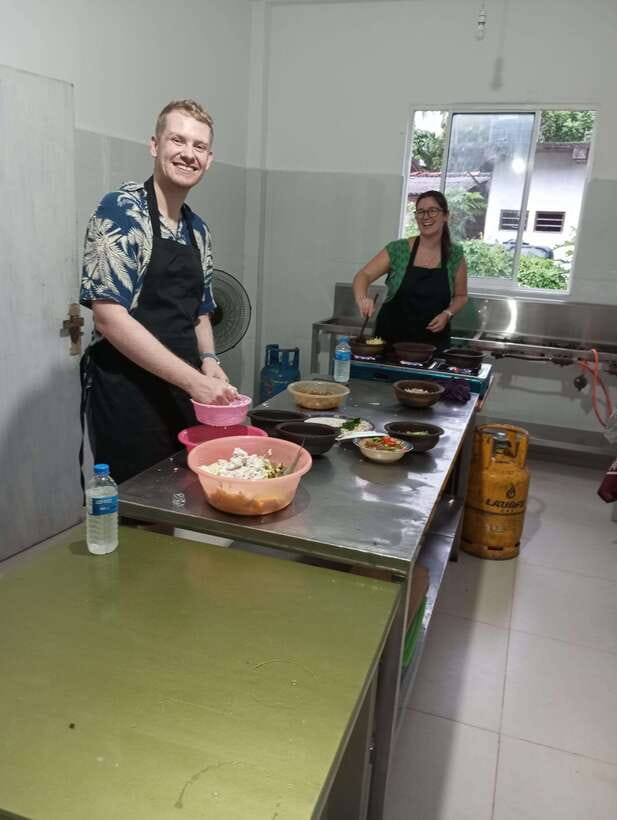
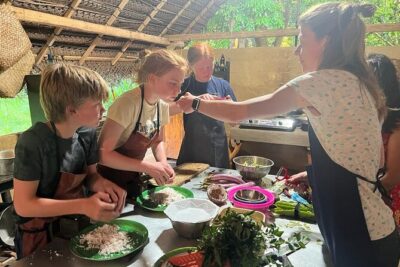
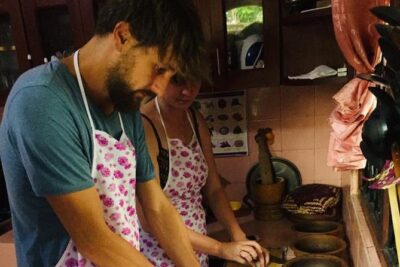
The strongest part of the activity is its practical format. You do not simply watch a cook prepare lunch while standing at a safe distance. You take part in making the food and receive instructions as the dishes come together.
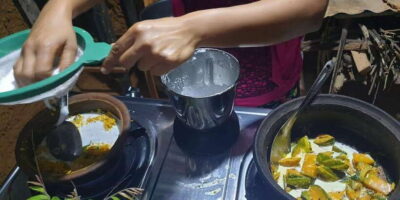
One session prepared eight different dishes. Another produced seven dishes in about an hour and a half. That is a lot of food for one class, and it gives you a broad taste of how Sri Lankan meals are built.
The menu can include different kinds of vegetables and meat. The host also asks about your diet and preferences before the activity, allowing the kitchen to prepare for your needs. That advance conversation is useful, especially if you avoid certain foods or need changes to the menu.
Still, you should treat this as a local cooking session, not a formal culinary school with a carefully timed syllabus. The details do not state that recipe cards, ingredient lists, or takeaway portions are included. If you want to recreate the dishes at home, ask if written recipes are available.
The class is also suitable for people who do not cook often. Instructions are described as clear, and the host takes care to explain what you are doing. You will get more from the session if you are willing to chop, mix, season, and ask questions instead of waiting for someone else to do the work.
Spices, heat, and the importance of asking twice
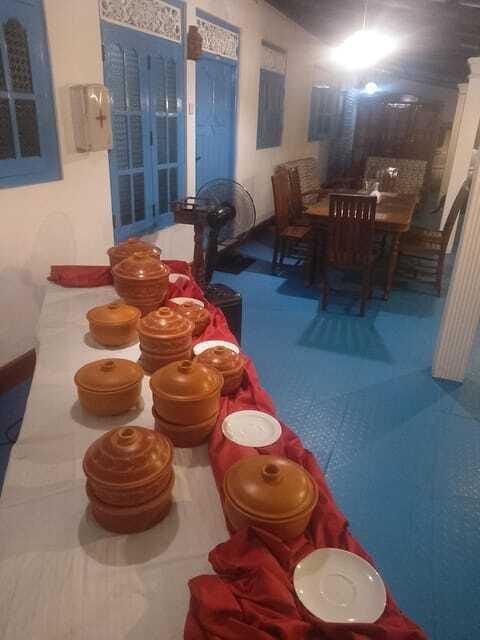
Spices are one of the main reasons to choose this activity. Sri Lankan food is not simply hot for the sake of being hot. Herbs and spices bring aroma, color, warmth, and depth to dishes, and the class explains their role in the wider cuisine.
That said, heat is the biggest practical concern. One participant specifically requested less spicy food but found the dishes far too hot, while another person in the group struggled to eat them. This is not a minor issue if you have a low tolerance for chili.
Tell the host about your preference before the class and repeat it when the menu is discussed. You can also ask which dishes will contain the most chili. The supplied information does not promise that every recipe can be made mild, so a request for less spicy food may not guarantee a completely gentle meal.
If you enjoy spicy food, this may be a benefit rather than a problem. If you do not, be direct and specific. Ask for mild versions, not simply less spicy, and confirm that the same adjustment will apply to every dish.
The instructions also ask you not to arrive after drinking alcohol. That is a sensible safety rule for a hands-on kitchen session involving knives, heat, and several people working together.
A few more options to weigh up in Mirissa
- From Mirissa / Galle / Tangalle to Yala Safari & Drop- Ella
★ 4.6 · 124 reviews - Mirissa: Snorkeling Experience with Turtles
★ 4.5 · 123 reviews - YALA SAFARI TOUR from TANGALLE/HIRIKETIYA/MIRISSA/GALLE
★ 4.8 · 121 reviews - From Mirissa/Galle/Hikkaduwa: Udawalawa National Park Safari
★ 4.7 · 106 reviews
Meeting the hosts over the meal
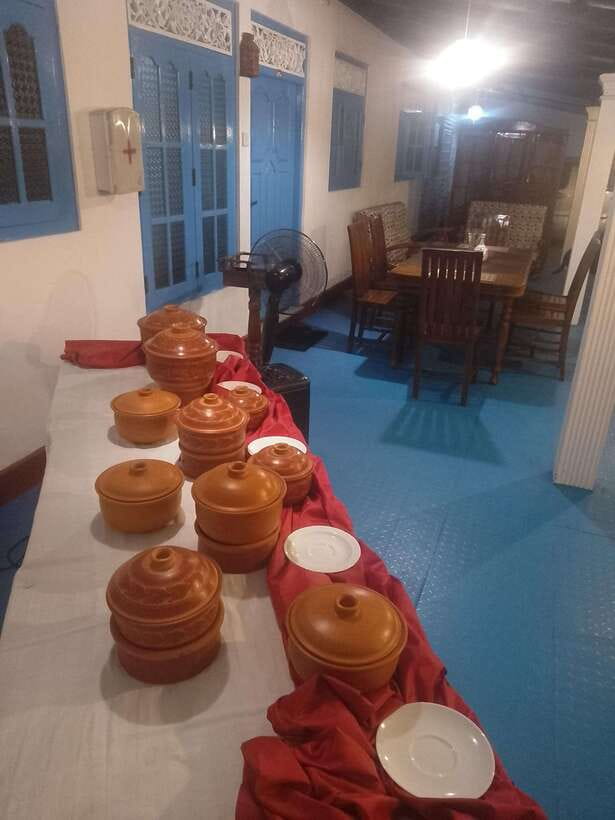
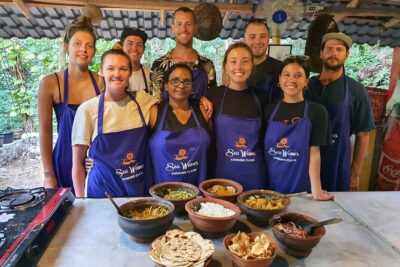
The social side of the class is just as important as the recipes. You get time to know your hosts and hear about everyday life in Sri Lanka while the food is being prepared.
This is where the experience has more character than a standard restaurant meal. You are not only tasting a finished dish. You are learning how the food fits into home life, local habits, and family cooking.
The host Rnishani receives especially strong praise for being welcoming, patient, and clear. She is also described as careful about safety and willing to prepare the kitchen around dietary preferences. If she is leading your session, you can expect a warm teaching style rather than a rushed demonstration.
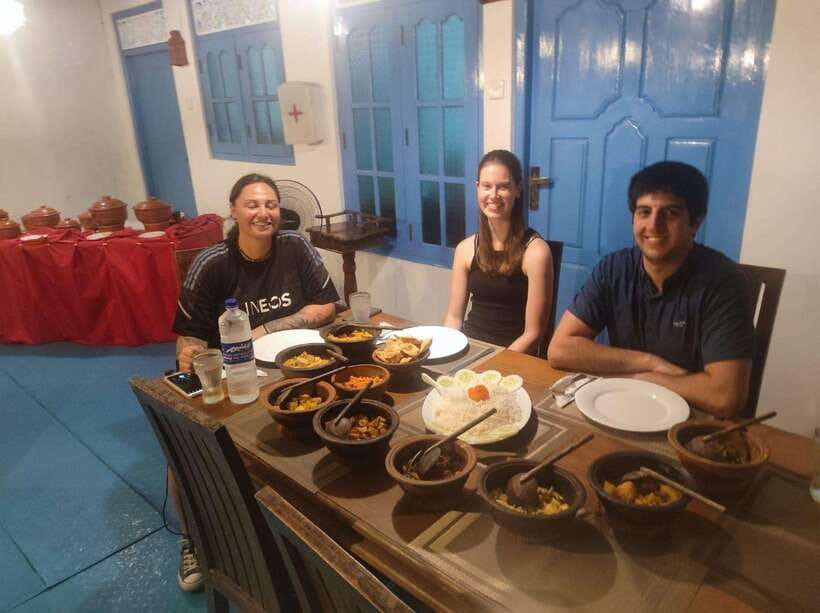
After the cooking, you sit down with the hosts and taste what you have made. The available details list meals and beverages as not included, but the activity description and participant experiences indicate that the prepared food is eaten as part of the session. I would confirm exactly what is included before paying, especially if you expect drinks or a full meal.
The dining portion gives you a chance to compare the dishes and understand how they work together. Sri Lankan food is often about the balance between rice, vegetables, meat or seafood, coconut, and spice. Eating everything at once helps you see why one dish may be fiery, another creamy, and another sharp or fragrant.
Is $50 per person good value?
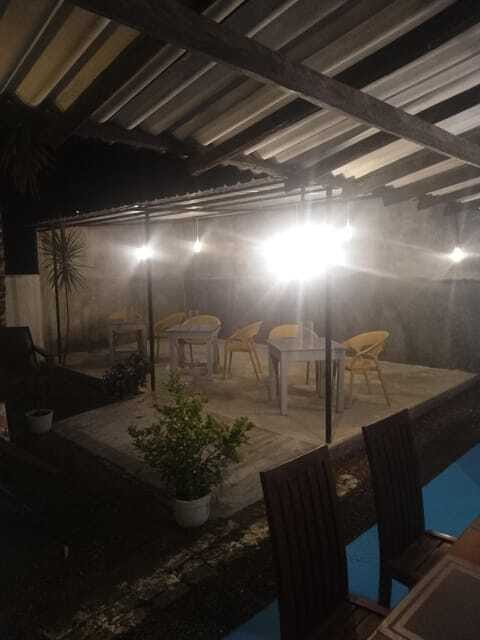
At $50 per person, this is not the cheapest way to eat in Sri Lanka. You can find inexpensive local meals for far less. The value here comes from the instruction, the local connection, the food preparation, and the included pickup and return.
For three hours of activity, the price is reasonable if you want more than a meal. You receive an English-speaking guide, bottled water, hotel pickup and drop-off, and access to the cooking session. The provider also lists entrance fees to all sites, although no separate sightseeing sites are described, so I would not assign much value to that item.
The price works best for:
- Couples who want a shared activity away from the usual sightseeing route
- Families and small groups interested in food
- People who want to understand Sri Lankan cuisine before ordering local dishes
- Home cooks who enjoy learning by doing
- Visitors staying near Kotapola who appreciate included tuk tuk transport
It may be weaker value for someone who wants only a quick lunch, a highly polished professional kitchen, or a guaranteed mild menu. It is also less suitable if you have very limited mobility or need a fully confirmed accessible facility.
Timing, comfort, and what to wear
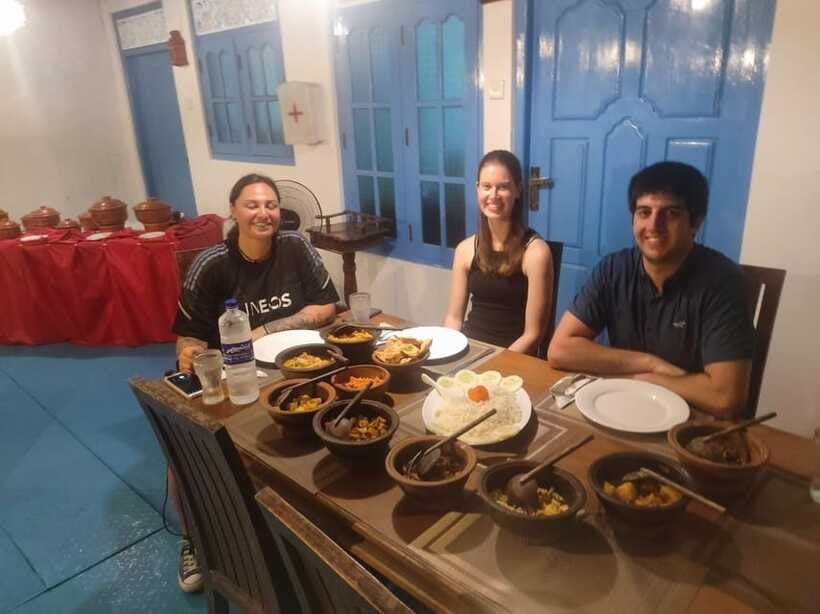
The official duration is three hours, and starting times depend on availability. Check the available slot carefully, especially if you have a train, transfer, or other tour later in the day.
Wear simple, comfortable clothing that allows you to move around and work in a kitchen. The activity instructions specifically recommend simple clothing to make cooking easier. You should also expect contact with food, spices, and kitchen surfaces, so avoid wearing anything you need to keep spotless.
Bottled water is included. Meals and beverages are listed separately as not included, so confirm whether drinks beyond the provided water cost extra. The class is conducted in English, and the guide is described as a professional English-speaking guide.
The activity offers free cancellation up to 24 hours before the start time, with a full refund. You can also reserve now and pay later. Those terms help if your Sri Lanka itinerary is still changing, though you should always check the final booking conditions at checkout.
Accessibility needs require a direct check
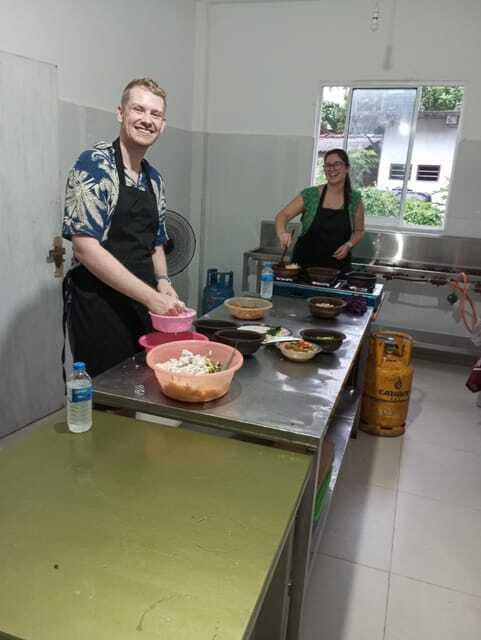
The information gives two different accessibility signals. One section says the activity is wheelchair accessible, while another says it is not suitable for people with mobility impairments or wheelchair users.
That conflict should not be ignored. The details do not explain the floor plan, cooking surfaces, toilet access, tuk tuk arrangements, or the amount of standing required. If you use a wheelchair, walk with difficulty, or need a seated cooking setup, contact Tourlankaholidays before booking and ask for a clear answer.
The tuk tuk transfer may also be difficult for some people, since the vehicle and boarding conditions are not described. Do not rely on the general accessibility label alone.
What the ratings tell me
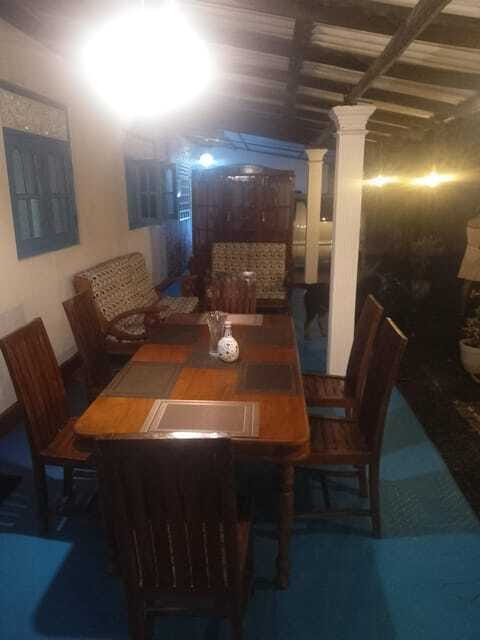
The overall rating is 4.4 out of 5 from six reviews, with several top scores. The most consistent praise is for the friendly host, clear instructions, enjoyable cooking, and very good food.
A particularly useful detail is the range of dishes prepared. Seven or eight dishes in one session gives you a full introduction rather than a single recipe lesson. The tuk tuk pickup also worked well for at least one booking, which supports the practical value of the included transport.
The one clear weakness is spice control. The food was praised as delicious, but one class became difficult because the mild request was not followed closely enough. I would treat that as a real warning, not a minor complaint.
The small number of ratings means you should avoid reading too much into the exact score. Still, the pattern is clear: the personal welcome and hands-on cooking are the main strengths, while the menu’s heat and unclear accessibility are the main points to check.
Who should book this Kotapola cooking class?
I would recommend it to you if food is one of the ways you understand a place. The class links ingredients with Sri Lanka’s trade routes, ethnic traditions, daily routines, and home cooking. That makes it more meaningful than simply sampling a curry at a restaurant.
It is also a good choice if you want a social activity with a local host. You have time to cook, talk, and eat together, and the format suits people who like an active afternoon rather than a passive tour.
Families can enjoy the variety, though the information does not state a minimum age. Ask the provider if you are booking for young children. People with strict dietary requirements should contact the host in advance, even though preferences are requested before the activity.
You may want to skip it if you dislike spicy food and do not want to negotiate the menu, or if you require confirmed wheelchair access. It is also not ideal for anyone who wants a recipe-focused workshop with written materials, a fixed menu, or professional restaurant techniques.
Should you book it?
Book this class if you want a friendly, hands-on introduction to Sri Lankan home cooking and you are staying near Kotapola. The best reasons are the chance to prepare seven or eight dishes, learn how rice, coconut, seafood, and spices fit together, and share the finished food with local hosts.
Before booking, send two questions: Can the menu be made genuinely mild, and is the cooking space suitable for your mobility needs? If the answer to both is satisfactory, $50 is a fair price for three hours of instruction, food, conversation, bottled water, and tuk tuk transport.
FAQ
Where does the cooking class take place?
The cooking class takes place in Kotapola, Sri Lanka.
How long does the activity last?
The stated duration is three hours. Starting times depend on availability.
How much does the cooking class cost?
The price is $50 per person.
Is hotel pickup included?
Yes. Pickup and drop-off are included for hotels or villas in the area around Kotapola. Pickup is arranged by tuk tuk approximately 30 minutes before the activity.
What language is the class conducted in?
The live guide and professional guide service are provided in English.
Can I request dietary preferences?
Yes. The host asks about your diet and preferences before the activity so the kitchen can prepare accordingly. You should also discuss your preferred spice level in advance.
Is the class suitable for wheelchair users?
The information is inconsistent. One section marks the activity as wheelchair accessible, while another says it is not suitable for wheelchair users or people with mobility impairments. Contact Tourlankaholidays for confirmation before booking.
Just added in Mirissa
- Tangalle/Hiriketiya: Yala National Park Safari★ 4.6 · 6 reviews
- Tangalle/Hiriketiya: Udawalawa Safari & Elephant Orphanage★ 4.8 · 11 reviews
- Tangalle: Safari Day Trip to Yala & Udawalawe w/ Picnic★ 4.3 · 16 reviews
- Snorkeling Trip from Polhena Beach, Matara, Sri Lanka★ 3.8 · 11 reviews
- Scuba Diving in Mirissa★ 5.0 · 4 reviews
- Night Snorkeling in Mirissa★ 4.3 · 2 reviews
- Mirissa: Whale Watching, Snorkeling, and Coconut Hill Tour★ 5.0 · 2 reviews
- Mirissa: Sunset Catamaran Sailing Boat Tour with Dinner★ 4.5 · 2 reviews
Cooking Classes, compared.
Organic cooking class sigiriya (kumara & family)
Read our review →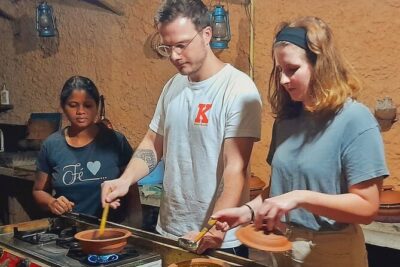
Sri Lankan Cooking Class with Neranji at Homestay
Read our review →
Browse the lists this tour appears in