
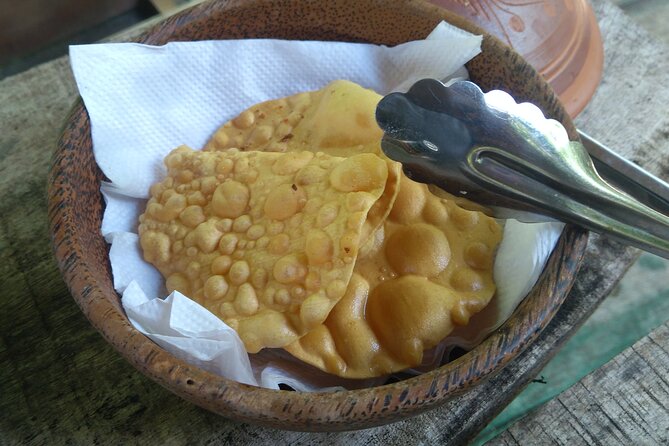
Review · COOKING CLASSES
Sri Lankan Cooking Class in Bentota
Sri Lankan food starts with spice balance. This five-hour class in Kotapola gives you your own cooking station, traditional clay pots, and a practical way to learn dishes such as dhal, chicken curry, and coconut sambol. I especially like the hands-on format and the chance to eat the meal you prepare. The main thing to consider is transport, since hotel pickup and drop-off are not included.
You will work in English with a Sri Lankan chef and a private group, rather than simply watching a quick kitchen show. I also like the focus on spice combinations and traditional tools. Lakshani has been praised for making the class both clear and enjoyable, but five hours is a serious block of time, so this suits food-focused visitors more than anyone trying to squeeze in a short activity.
In This Review
- Key points to know before booking
- A five-hour introduction to Sri Lankan cooking
- Starting with the spices and curry traditions
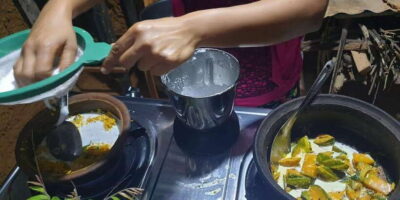
- Cooking dhal in a traditional clay pot
- Making coconut sambol with a bright, fresh flavor
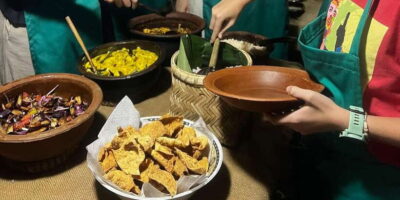
- Preparing chicken curry and additional local dishes
- Learning from Lakshani and the hosting couple
- The meal at the end is part of the lesson
- What the traditional equipment adds
- Who will get the most from this class
- Is $60 per person good value?
- Booking details that matter
- Should you book this Bentota cooking class?
- FAQ
- Where does the Sri Lankan cooking class take place?
- How long does the class last?
- How much does the experience cost?
- What dishes will I learn to cook?
- Is the class private?
- Is the instruction in English?
- Is hotel pickup and drop-off included?
- What is included in the price?
Key points to know before booking
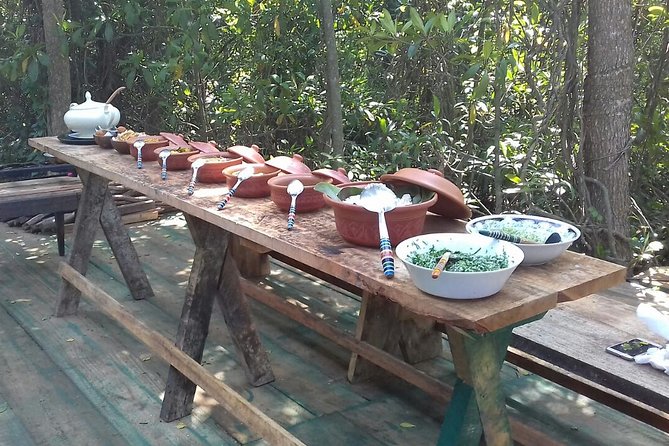
- Cook several classic dishes: Prepare dhal, coconut sambol, chicken curry, and additional Sri Lankan dishes from scratch.
- Use traditional cookware: Clay pots and coconut spoons add a genuine local touch to the cooking process.
- Work at your own station: You receive your own cooking space and ingredients, so you take an active role throughout.
- Eat what you make: The class ends with a shared meal built from your own cooking.
- Private, English-language format: The experience is designed for a private group and led in English.
- Allow five hours: Hotel transfers, extra food, and additional drinks cost extra or are not included.
A five-hour introduction to Sri Lankan cooking
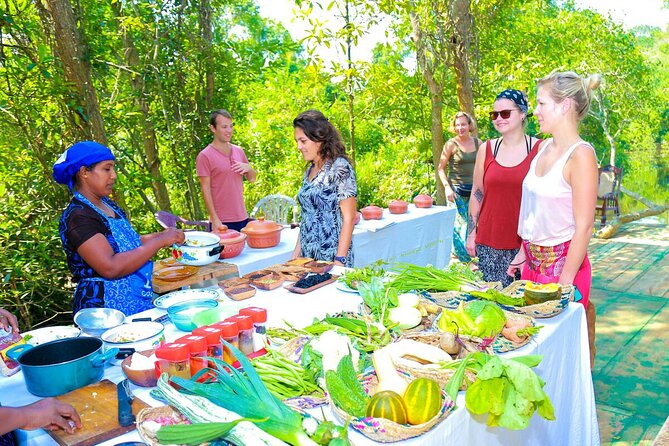
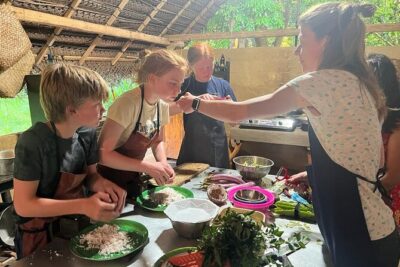
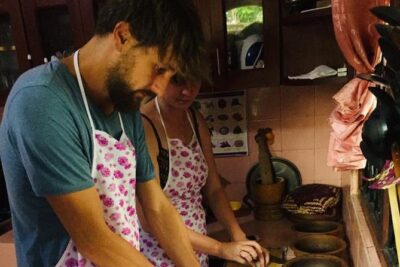
This is not a quick demonstration where you sit back, take a few photos, and leave with a recipe card. You are expected to participate. The class gives you time to handle ingredients, learn how spices work together, cook at your own station, and sit down to eat the results.
The meeting point is Anyone Can Cook, Sri Lankan Spices Cooking Class, in Kotapola. The experience is marketed for Bentota, but the stated location is Kotapola, so check the exact address before you set out. Since hotel pickup and drop-off are excluded, you will need to arrange your own way there.
The price is $60 per person. That is not a bargain-basement cooking lesson, but the five-hour length and private format make the price easier to understand. You are paying for instruction, your own station, ingredients, cooking time, mineral water, and a full meal at the end. If you enjoy food and want more than a one-hour tasting, the value is stronger.
More Cooking Classes in Bentota:
- cooking lesson
★ 5.0 · 7 reviews - Sri Lankan Cooking Class in Bentota
★ 5.0 · 1 review - Kosgoda: Traditional Sri Lankan Cooking Class.
★ 5.0 · 1 review
Starting with the spices and curry traditions
The opening part of the class introduces you to Sri Lankan curries and the methods used to prepare them. This matters because Sri Lankan cooking is not simply a matter of adding a spoonful of curry powder to a pot. The flavor comes from how ingredients and spices are combined, and when they are added.
You are introduced to the main ingredients and spices, along with their origins and uses in Sri Lankan cooking. The important lesson here is balance. A curry may need heat, sweetness, salt, acidity, creaminess, or fragrance, and the class shows you how those elements work together.
This is one of the most useful parts for a home cook. You are not only memorizing a dish. You are learning a way to think about flavor. That makes it easier to adapt the recipes later if you cannot find every Sri Lankan ingredient at home.
The instruction is in English, and the class is suitable for beginners as well as experienced cooks. You should not feel pressure to arrive with special skills. The format is built around guidance from the chef, with cooking tips offered as you work.
Cooking dhal in a traditional clay pot
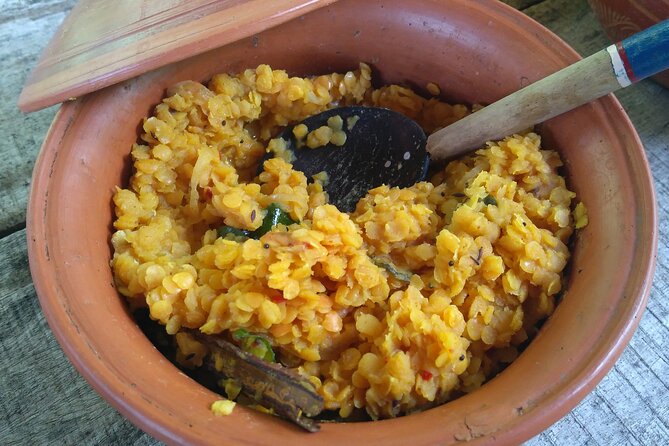
Dhal, or Sri Lankan lentil curry, is one of the core dishes on the menu. It is familiar enough to be approachable, yet it can teach you a great deal about texture and seasoning.
You will learn how the lentils are prepared and how the flavor develops through the addition of spices and other ingredients. The exact recipe and sequence are not specified, so you should expect instruction rather than a fixed promise about every step. The point is to understand how a simple staple becomes a satisfying part of a Sri Lankan meal.
The use of clay pots gives this session a stronger sense of place. Traditional cookware is not just decoration here. It helps connect the food with methods passed down through generations, and it makes the cooking feel different from using a modern pan in a hotel kitchen.
You should also expect to use coconut spoons. That small detail adds to the experience without turning it into a staged performance. You are handling the tools while preparing food you will later eat.
Making coconut sambol with a bright, fresh flavor
Coconut sambol brings a different character to the meal. Compared with a cooked curry, it offers a fresh and lively contrast, and it helps show how Sri Lankan meals depend on several textures and tastes on one plate.
The class includes the preparation of coconut sambol, with the chef explaining how the ingredients work together. The supplied details do not specify every ingredient or the level of heat, so you can ask about those points during the session, especially if you have a low tolerance for chili.
This is also a useful dish to learn because it can change the feel of a meal without requiring a long cooking time. You will see how a small side dish can balance heavier curries and add another layer to the plate.
The cooking stations are important here. You are not watching the chef make the sambol from across the room. You have your own ingredients and workspace, which means you can pay attention to the texture and seasoning as you prepare it.
A few more options to weigh up in Bentota
- Bentota River Safari with Mangrove and Wildlife Encounter
★ 4.9 · 182 reviews - 2h Bentota River Safari: Crocodiles, Monkeys, Mangrove & more
★ 5.0 · 128 reviews - Ayurveda Day Package
★ 5.0 · 106 reviews - Two Hour Package
★ 5.0 · 93 reviews
Preparing chicken curry and additional local dishes
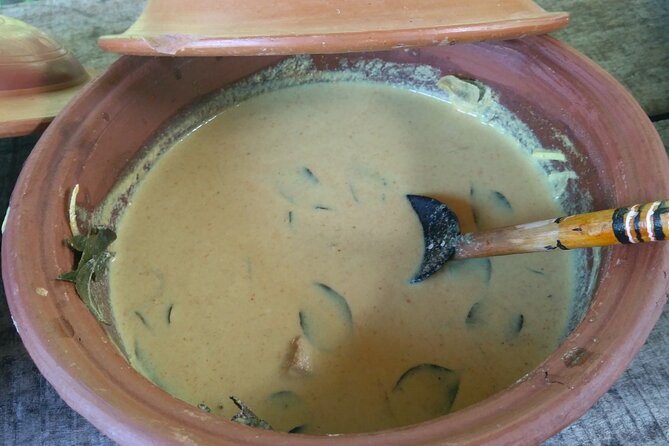
Chicken curry is another featured dish. It gives the class a chance to explain how meat, spices, and cooking time come together in a traditional Sri Lankan preparation.
The experience also includes more dishes beyond dhal, coconut sambol, and chicken curry. One January 2026 booking described preparing 10 delicious dishes, which suggests that the meal can be quite extensive. The exact number may depend on the class plan, so I would treat 10 dishes as an example rather than a guaranteed total.
That range is a major reason to allow the full five hours. You are not rushing through one recipe. You have time to work through several preparations and see how they fit into a complete Sri Lankan meal.
For you, the benefit is variety. You can compare a lentil curry with a chicken curry, then see how a side dish such as coconut sambol changes the overall balance. The drawback is simple: a long class can feel demanding if cooking is not one of your main interests.
Learning from Lakshani and the hosting couple
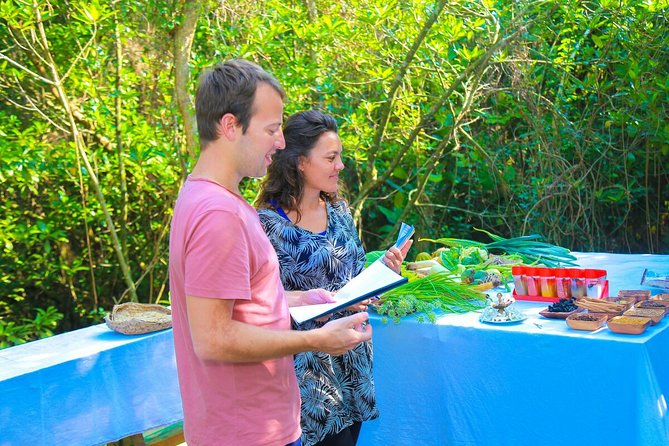
The class is led by a Sri Lankan chef, and Lakshani is specifically praised for creating an authentic and enjoyable experience. The hosting couple has also been described as very kind, with a spotless kitchen and a welcoming manner.
Cleanliness matters in a cooking class. You will spend hours handling ingredients and using shared cooking areas, so a very clean kitchen helps you relax and focus on the food. It also makes the class more appealing if you are particular about hygiene.
The teaching style appears to balance simplicity with detail. One booking described the class as both very simple and very elaborate, especially useful for understanding spice combinations in traditional Sri Lankan dishes. That is a good sign for mixed-skill groups. A confident cook can pay attention to technique and seasoning, while a beginner can follow the basic steps.
Because the group is private, you should have more room to ask questions than in a large public demonstration. The private format is especially useful if you want to discuss substitutions, spice levels, or how to repeat the recipes at home.
The meal at the end is part of the lesson
After the cooking is finished, you eat the food you have prepared. This is more than a reward at the end. It gives you a chance to see how the dishes work together as a complete meal.
You can compare the curries and sides, notice which spice combinations you prefer, and think about what you would change when cooking at home. The meal also gives the class a natural social finish rather than ending the moment the last pot comes off the heat.
The experience includes mineral water. Extra food and beverages are not included, so do not assume that additional drinks or menu items are covered in the $60 price.
Since you have spent several hours preparing the dishes, the final meal should feel more meaningful than a standard restaurant lunch. You know what went into each dish, and you have watched the flavors develop from raw ingredients to finished food.
What the traditional equipment adds
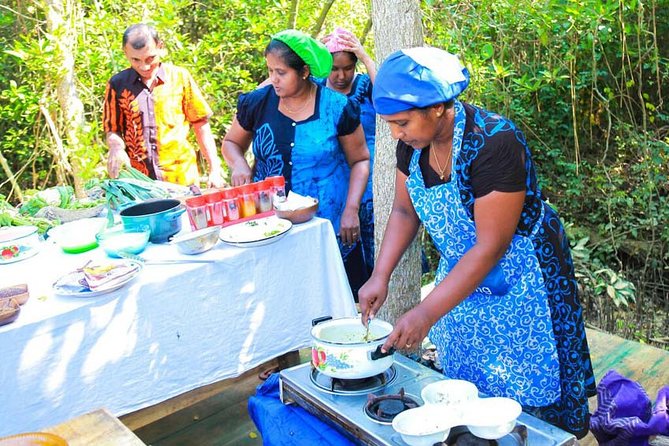
Clay pots and coconut spoons are among the most distinctive details of this experience. They help connect the class to Sri Lankan home cooking and make the session feel rooted in local practice.
Still, you should keep your expectations realistic. The class does not promise a tour of a market, a farm visit, or a full lesson in Sri Lankan food history. Its focus is cooking. If you want a broad cultural program with sightseeing included, this may feel narrow.
For a cooking enthusiast, that focus is a strength. You spend your time learning recipes and techniques instead of sitting through a long presentation. For someone who wants a light holiday activity, the five-hour commitment may be more than necessary.
The tools also make the experience memorable without requiring a theatrical setup. You are learning through ordinary cooking actions, which is often more useful than watching a chef perform a polished demonstration.
Who will get the most from this class
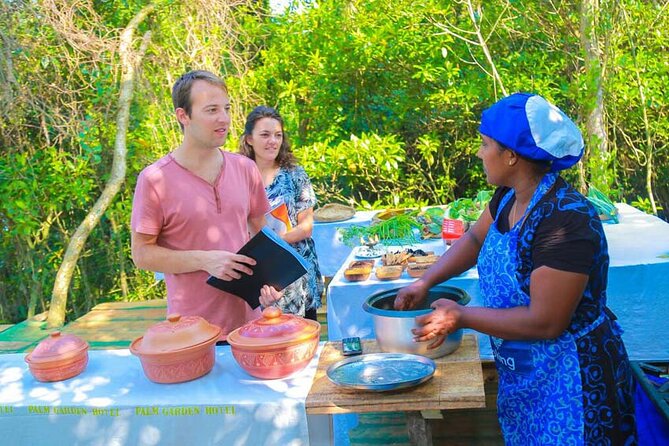
I would recommend this for anyone who wants to understand Sri Lankan food beyond ordering curry at a restaurant. It suits home cooks, food lovers, couples, and small private groups who enjoy working together.
It is also a good choice for beginners. The chef provides instruction and cooking tips, and the class is designed so you actively prepare the food rather than needing advanced technique before you arrive.
Families may appreciate the private format, though the supplied details do not state a minimum age or specific arrangements for children. Ask before booking if younger participants are part of your group.
This is less suitable if you want a short activity, dislike hands-on cooking, or have a tight schedule. You also need to arrange your own transport, which adds planning and possibly extra cost.
People with dietary restrictions should ask about the menu before booking. The listed dishes include lentil curry, coconut sambol, and chicken curry, but the available information does not confirm vegetarian, vegan, allergy-friendly, or low-spice adaptations.
Is $60 per person good value?
At $60 per person, the class is best judged as a half-day private experience rather than a simple meal. The fee covers the chef, your own cooking station, ingredients, mineral water, instruction, and the meal you prepare.
The private setting adds value if you want personal help. You can ask questions freely and work at a pace that suits your group. It is less attractive if you mainly want to eat Sri Lankan food, since a restaurant meal will usually require less time and effort.
The strongest value comes from the skills you take home. Learning how to balance spices and build several dishes gives you something beyond the day itself. You can recreate parts of the meal and share the recipes with family or friends.
Remember to budget for transport to Kotapola and any extra food or beverages. Those costs are outside the listed price.
Booking details that matter
You can cancel up to 24 hours before the class for a full refund. The reserve-now-and-pay-later option allows you to hold a place without paying immediately, which is useful when your Sri Lanka schedule is still changing.
Starting times depend on availability, so check the date and time before confirming. The duration is five hours, and the class is conducted in English.
The group type is private. That makes this a better fit for people who prefer a quieter, more personal class than a large group lesson. The meeting point is Anyone Can Cook, Sri Lankan Spices Cooking Class, and hotel transfers are not included.
Should you book this Bentota cooking class?
Book it if you want a serious, hands-on introduction to Sri Lankan food and like the idea of preparing a full meal with traditional tools. The clean kitchen, friendly hosting couple, private setup, and clear focus on spice combinations are strong reasons to choose it.
I would be especially keen to book if I had an interest in cooking at home after the trip. The class appears to teach useful principles, not just a single recipe, and the chance to prepare as many as 10 dishes makes the five-hour format worthwhile.
Skip it if your schedule is tight, you do not want to arrange transport, or you prefer a quick demonstration. Also confirm the location, dietary needs, and expected menu before paying.
For the right person, this is a practical way to spend half a day in Sri Lanka: cook local food, learn why the flavors work, and then sit down to eat your own work.
FAQ
Where does the Sri Lankan cooking class take place?
The stated location is Kotapola, Sri Lanka. The meeting point is Anyone Can Cook, Sri Lankan Spices Cooking Class.
How long does the class last?
The cooking class lasts five hours.
How much does the experience cost?
The listed price is $60 per person.
What dishes will I learn to cook?
The class includes dhal, coconut sambol, chicken curry, and other Sri Lankan dishes. One booking described preparing 10 dishes, but the exact menu may vary.
Is the class private?
Yes. The group type is listed as a private group.
Is the instruction in English?
Yes. The instructor language is English.
Is hotel pickup and drop-off included?
No. Hotel pickup and drop-off are not included, so you must arrange your own transport to and from the meeting point.
What is included in the price?
The price includes a Sri Lankan chef, your own cooking station and ingredients, and mineral water. Extra food and beverages are not included.
Just added in Bentota
- Yala 4h Jeep Safari: Guided Wildlife Experience (All Inclusive)★ 5.0 · 16 reviews
- cooking lesson★ 5.0 · 7 reviews
- Full Day Private Yala Safari Trip with Lunch★ 5.0 · 1 review
- Yala Safari Private Day Trip from Bentota and Kalutara Areas★ 5.0 · 3 reviews
- Whales and Dolphins Watching Mirissa★ 5.0 · 4 reviews
- Yala Safari Private Day Tour From Kaluthara/Beruwala/Bentota/Kosgoda/Ahungalla★ 5.0 · 3 reviews
- Yala Safari Private Day Tour Kaluthara/Beruwala/Bentota/Kosgoda/Ahungalla★ 5.0 · 7 reviews
- Explore Bentota Village: Guided Tuk Tuk Safari★ 5.0 · 21 reviews
Cooking Classes, compared.
Organic cooking class sigiriya (kumara & family)
Read our review →
Sri Lankan Cooking Class with Neranji at Homestay
Read our review →
Browse the lists this tour appears in