
Review · COOKING CLASSES
3 hour cooking experience
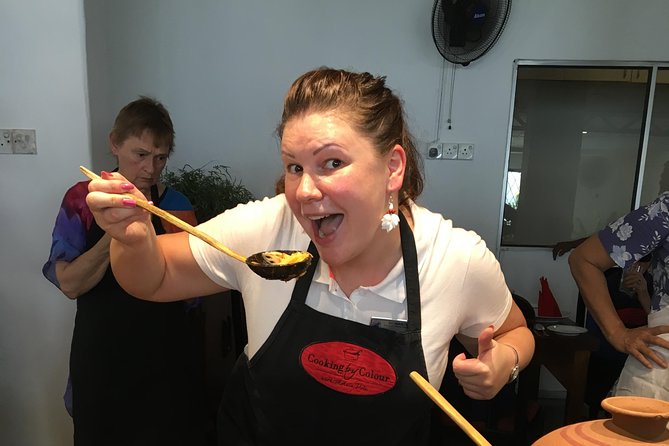
Sri Lankan food tells its story one curry at a time. At Cooking By Colour, Chef Mohara Dole welcomes you into her home and cooking studio for a private, hands-on lesson covering curries, rice, and sambols. I like the personal setting, and I like that you receive the recipes afterward instead of leaving with only a full stomach.
The other strength is the range of dishes. You may work with chicken, seafood, eggplant, loofah, lotus root, beetroot, several types of rice, and fresh sambols in one session. The main consideration is the fixed three-hour schedule, from 10:30 a.m. to 2 p.m., and the experience is best suited to people who want a focused food lesson rather than a general Colombo sightseeing tour.
In This Review
- At a glance
- Meeting Chef Mohara in Sri Jayawardenepura Kotte
- A private class with a broad Sri Lankan menu
- Why cooking at the stove matters
- Curries that show the range of the island’s cooking
- Three rice varieties, three different foundations
- Sambols add the sharp edge
- A meal, not just a demonstration
- What the strongest praise tells you
- Who will get the most from this experience
- Price, booking, and cancellation
- Should you book Cooking by Colour?
- FAQ
- How long does the cooking experience last?
- Where does the class begin?
- Does the activity end at the same place?
- Is this a private cooking class?
- What food will I learn to prepare?
- What is included in the $60 price?
- Can I cancel for a full refund?
At a glance
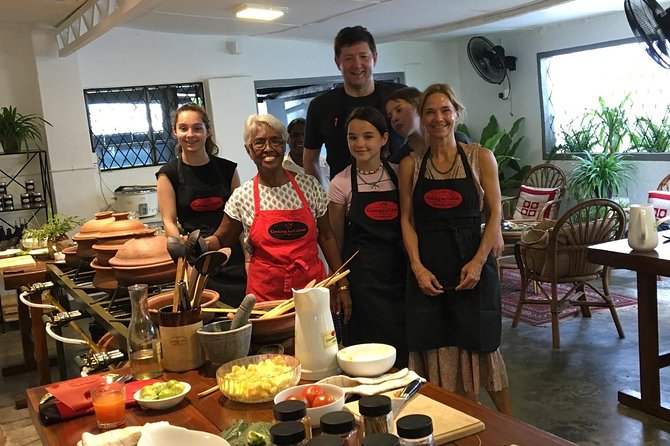
- Chef Mohara Dole leads the class personally, welcoming you into her home and cooking studio in Sri Jayawardenepura Kotte.
- The menu covers several parts of Sri Lankan cooking, including vegetable, meat, and seafood curries, rice, and sambols.
- You cook and share a meal at the stove, rather than simply watching a demonstration.
- Recipes are provided afterward, making it possible to repeat the dishes at home.
- The experience is private, so only your own group takes part.
- The $60 price includes the meal, ingredients, bottled water, and soda, but not alcoholic drinks.
Meeting Chef Mohara in Sri Jayawardenepura Kotte
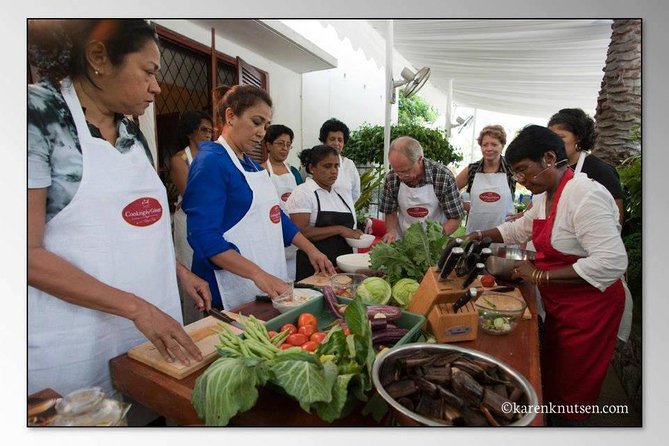
The class begins at 49 Park Lane in Sri Jayawardenepura Kotte, just outside central Colombo. The address is near public transportation, which helps if you are making your own way there. The activity ends at the same meeting point, so you do not need to arrange a separate return transfer.
The setting matters here. This is not a large school with several classes running at once. It is a personal cooking experience led by Mohara Dole, and the class takes place in her home and cooking studio. That gives the session a more direct connection to everyday Sri Lankan cooking.
I would allow a little extra time to reach the address, especially if you are unfamiliar with the area. The meeting point is specific, but no hotel pickup is included in the details provided. Check your transport plan before booking so you can arrive ready to cook.
The experience runs Monday through Sunday from 10:30 a.m. to 2 p.m. The timing makes it work well as a late-morning activity followed by lunch. The supplied details also describe the included meal as dinner, so confirm the meal timing when you book if that distinction matters to your plans.
More Cooking Classes in Colombo
- Colombo Cooking Class
★ 5.0 · 151 reviews - Market Tour and Hands-On Cooking Class Colombo
★ 5.0 · 140 reviews - Cooking Class Sri Lanka with Locals
★ 5.0 · 101 reviews
A private class with a broad Sri Lankan menu
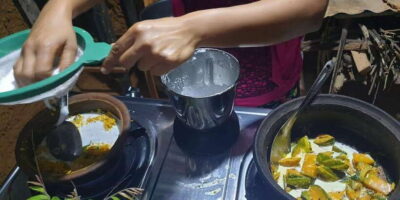
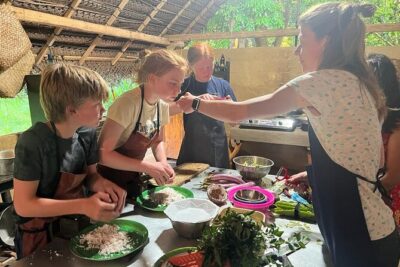
The class is designed as a three-hour demonstration, but it is not limited to sitting and taking notes. You join Mohara at the stove as the food is prepared, then share the meal together. That combination gives you a look at both technique and taste.
The menu is unusually wide for a session of this length. Instead of focusing on one famous dish, the class introduces several families of Sri Lankan food:
- Curries made with vegetables such as loofah, eggplant, lotus root, and beetroot
- Chicken and seafood preparations
- Basmati rice
- Red raw rice
- Samba rice
- Sambols, which add fresh, spicy, and sharp flavors to the meal
The exact dishes prepared may vary, but the range gives you a useful picture of how a Sri Lankan meal is built. Rice is not an afterthought. Curries provide different textures and levels of richness, while sambols bring heat, freshness, and contrast.
I like this format because it avoids reducing Sri Lankan food to one curry and a pile of rice. You get to compare vegetables, meat, seafood, rice varieties, and condiments in one sitting. For someone trying to understand the food culture of the island, that variety is more useful than a narrow lesson focused on a single recipe.
The private format also changes the pace. Only your group participates, so the class can feel more personal than a large group demonstration. You can focus on the dishes that interest you and ask Mohara for guidance as you work. The available information does not promise a custom menu, so you should not assume every dietary preference or special request can be accommodated unless you arrange it in advance.
Why cooking at the stove matters
Watching a local cook prepare food is useful. Taking part is better. When you join Mohara at the stove, you can see how separate ingredients become a complete meal and how the dishes relate to one another.
Sri Lankan cooking often depends on balance. A meal may include creamy or spicy curries, plain rice, and a sharp sambol. A vegetable dish may provide a different texture from chicken or seafood. Even without a long lecture on food history, preparing several dishes gives you a practical sense of how these elements work together.
The three-hour length allows time for more than a quick recipe demonstration. You can expect the session to move through preparation, cooking, and eating, although the supplied details do not provide a minute-by-minute schedule. If you want a fast class with one dish and a quick tasting, this may feel too broad. If you enjoy working through a full meal, the longer format is a good fit.
The class is also a useful choice for people who cook at home. The recipes are provided after the experience, and the dishes are described as easy to recreate in your own kitchen. That is a real benefit. You can use the meal as a reference point later, especially when you want to make a Sri Lankan curry, rice dish, or sambol without starting from a blank page.
Curries that show the range of the island’s cooking
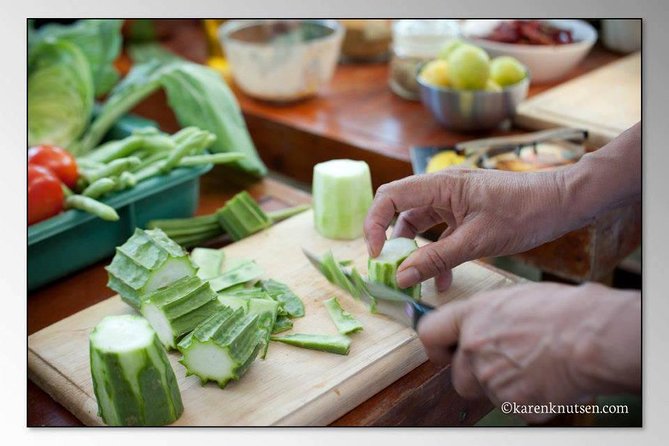
The curry selection is one of the strongest reasons to book. Loofah and lotus root are less familiar to many visitors than chicken or eggplant, while beetroot offers a very different color and flavor from the other dishes. Seafood adds another useful comparison.
This variety helps you see that Sri Lankan curry is not one fixed formula. Ingredients change the texture and character of the dish. A vegetable curry can be delicate or earthy. Eggplant brings softness, while lotus root has a different bite. Chicken and seafood create their own cooking demands.
The meal may include several of these styles, but the exact combination is not guaranteed. That is worth keeping in mind if you are booking because of one particular ingredient. The experience promises exposure to many types of curry rather than a fixed restaurant menu.
I also like the chance to see how a complete spread is assembled. You are not just tasting isolated samples. The dishes are prepared as part of a shared Sri Lankan meal, so you can understand how the curries work with rice and sambols at the table.
A different kind of day out entirely:
- Colombo: Private Tuk-Tuk City Tour with All Entry Fees
★ 4.9 · 2,154 reviews - Sri Lanka Personal Tour Driver in private vehicle
★ 5.0 · 747 reviews - Colombo Tuk Tuk City Tour -Sightseeing Entry Fees & Food Included
★ 5.0 · 678 reviews - Udawalawe National Park: Elephant Safari with Expert Guide
★ 4.9 · 641 reviews
Three rice varieties, three different foundations
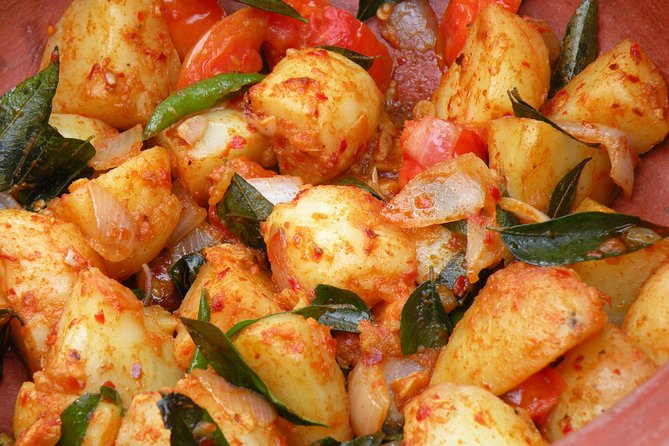
Rice receives proper attention here. Basmati, red raw rice, and samba rice are all included among the varieties you may learn about. This is a small but important detail because rice shapes the meal just as much as the curry does.
Basmati is familiar to many people, but red raw rice and samba rice offer a wider view of Sri Lankan staples. Learning about several types in the same class gives you a practical comparison and may help you choose what to buy when you try the recipes at home.
The class does not promise a formal rice-tasting segment, so do not expect a separate technical course on grains. Still, having several rice styles connected to different curries gives the meal more depth. It also makes the recipes more useful, since you can learn that the rice served with a dish is part of the intended combination.
For cooks who want to repeat the meal, this is where the recipe handouts matter. You can refer back to the cooking instructions and ingredients instead of relying on memory after a busy day in Colombo.
Sambols add the sharp edge
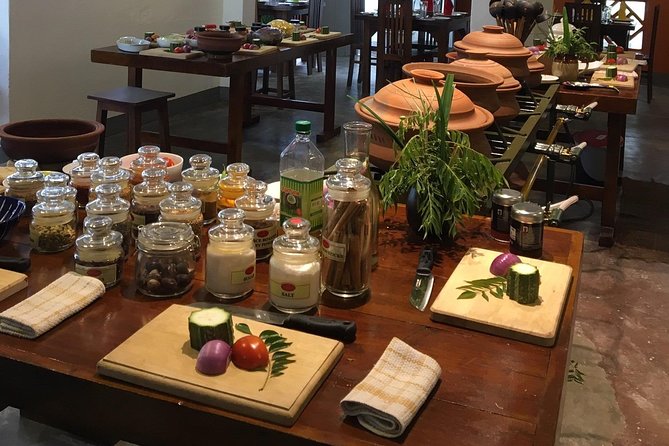
Sambols are an essential part of the experience. They add contrast to curries and rice, often bringing heat, acidity, freshness, or texture to the plate. Including them makes the meal feel more complete.
This is also a good reason to take notes and pay attention during the class. A curry recipe may be the obvious souvenir, but a sambol can change how you serve many other meals at home. The available details do not list the specific sambols or their heat levels, so ask Mohara about ingredients if you have a low tolerance for spice or any dietary concerns.
The lesson should suit curious eaters who want to understand how a Sri Lankan plate comes together. It may be less suitable if you prefer mild food and do not want to discuss adjustments before cooking. Since this is a private class, your group has a better chance to ask questions directly, but special arrangements should be confirmed ahead of time.
A meal, not just a demonstration
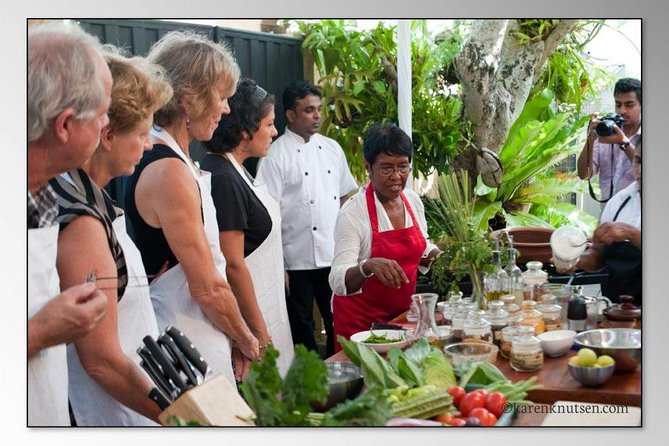
Dinner is included, along with all ingredients, bottled water, and soda. That makes the $60 price easier to judge. You are paying for a three-hour private class, the food you prepare, the instruction, and the recipes you can use later, not simply for a restaurant meal.
If you only wanted lunch or dinner, $60 would be a high price compared with many local dining options. The value comes from the teaching and the personal setting. You leave with a meal plus practical instructions, and the class can become part of your understanding of Sri Lankan food rather than just another stop for eating.
Alcohol is not included. That is a minor issue for most people, but it is worth knowing if you expected drinks with the meal. Bottled water and soda are provided, so you will not need to buy a nonalcoholic drink during the session.
The food portion also makes this a good activity on a hot or rainy day. You get a structured cultural experience without spending the whole day moving between sights. Just remember that cooking requires participation, so this is not the right choice if you want a completely passive break.
What the strongest praise tells you
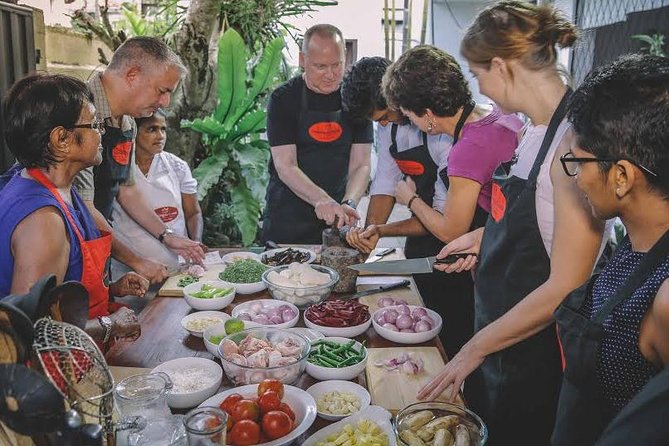
The most enthusiastic feedback centers on Mohara’s welcome, her enthusiasm, and the hands-on nature of the class. One particularly positive account describes cooking meat, fish, and vegetable dishes during the three-hour session, then continuing to use the recipes afterward.
That detail is important. It suggests the recipes are not merely a souvenir sheet that gets forgotten in a suitcase. They can serve as a working reminder of the class, and Mohara has offered follow-up guidance when needed. Her warm response to past participants also reinforces the personal tone of the experience.
The praise for her enthusiasm is worth weighing heavily. A cooking class depends on the teacher’s energy and patience. Ingredients alone do not make a good lesson. Here, the experience is built around Mohara’s direct involvement, which is a better match for you if you enjoy learning through conversation and shared preparation.
At the same time, the class is private and personal rather than polished like a staged food show. You should expect a home-based cooking session, not a formal culinary school with a detailed professional kitchen setup. That is part of the appeal, but it may not suit someone looking for a highly technical chef-training course.
Who will get the most from this experience
I would recommend this class to you if you want food to be the main way you connect with Colombo. It is especially well suited to home cooks, couples, small families, and private groups who enjoy preparing several dishes and eating what they make.
It also works for people who want a meaningful activity without committing to a full day. Three hours is long enough to feel substantial, but short enough to fit into a Colombo itinerary. The daily 10:30 a.m. to 2 p.m. schedule gives you a clear block of time, though you should leave room for transport to and from Park Lane.
You may want to think twice if you dislike group participation, spicy food, or unfamiliar ingredients. The private format removes the problem of a large class, but it does not turn the session into a simple tasting. You are expected to join in at the stove.
The experience is also less suitable if you want sightseeing included. There is no Colombo tour component, transfer service, or list of additional stops. The focus stays on Sri Lankan food, cooking, and conversation.
Price, booking, and cancellation
At $60 per person, the price is reasonable if you plan to use the recipes and value a private cultural activity. The included ingredients, meal, bottled water, and soda cover the main costs during the class. Alcohol costs extra and is not part of the experience.
Confirmation is received when you book, and the activity is near public transportation. The tour has a 4.9 rating based on eight ratings, with the strongest praise directed toward Mohara’s welcome, personal attention, and the number of dishes prepared.
Free cancellation is available if you cancel at least 24 hours before the local start time. Cancellations or changes made less than 24 hours before the experience are not accepted for a refund.
Should you book Cooking by Colour?
Book this experience if you want a personal Sri Lankan food lesson rather than a standard restaurant meal. The combination of curries, three rice varieties, sambols, a shared meal, and take-home recipes gives you plenty for the $60 price.
I would be most likely to recommend it to a couple or small private group that enjoys cooking and wants to remember Sri Lanka through food. Skip it if your schedule cannot accommodate the fixed late-morning hours, or if you want sightseeing and transportation included. For food-focused visitors, though, Mohara Dole’s welcoming home studio and broad menu offer a practical way to understand how a Sri Lankan meal is made.
FAQ
How long does the cooking experience last?
The experience lasts approximately three hours and runs from 10:30 a.m. to 2 p.m.
Where does the class begin?
The class begins at 49 Park Lane, Sri Jayawardenepura Kotte, Sri Lanka.
Does the activity end at the same place?
Yes. The activity ends back at the meeting point.
Is this a private cooking class?
Yes. Only your group participates in the activity.
What food will I learn to prepare?
The class covers traditional Sri Lankan curries, rice, and sambols. Possible curry ingredients include loofah, eggplant, lotus root, chicken, seafood, and beetroot. Rice varieties include basmati, red raw rice, and samba.
What is included in the $60 price?
The price includes the cooking ingredients, the meal, bottled water, and soda.
Can I cancel for a full refund?
Yes, if you cancel at least 24 hours before the experience start time. Cancellations or changes made less than 24 hours before the start time are not accepted for a refund.
Just added in Colombo
- Yala National Park (Day Tour)★ 5.0 · 5 reviews
- Water Amusement and Karting★ 5.0 · 1 review
- Wake Boarding in Bentota★ 5.0 · 1 review
- Udawalawe Jeep Safari from Bentota Aluthgama Berawula Area★ 5.0 · 1 review
- Madu River Sunrise Mangrove Kayaking★ 5.0 · 5 reviews
- Udawalawa National Park Day Tour★ 4.5 · 5 reviews
- Half Day Udawalawe Safari from Kalutara (Entrance + Lunch)★ 5.0 · 9 reviews
- Sigiriya and Dambulla Day Tour from Kalutara All Inclusive★ 5.0 · 2 reviews
Cooking Classes, compared.
Organic cooking class sigiriya (kumara & family)
Read our review →
Sri Lankan Cooking Class with Neranji at Homestay
Read our review →
Browse the lists this tour appears in