
Review · COOKING CLASSES
Authentic Sri Lankan Cooking Class in Mirissa
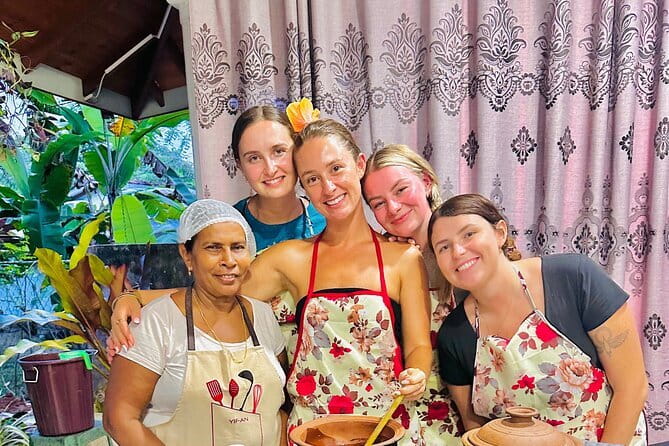
Come hungry, leave with recipes. This three-hour class gives you a friendly look at Sri Lankan home cooking, starting with fresh ingredients and ending with a generous rice-and-curry meal. I especially like the small group size, capped at six, and the chance to choose your own four dishes. The main drawback is that the class starts at 4:00 pm, so it takes up much of your evening.
The family setting is another strong point. Nona, Indra, and Prabodi create the kind of relaxed mood where you can ask questions, laugh, and make mistakes without feeling judged. Just note that solo bookings are not accepted, and the meeting point is in Mirissa, despite the location field also mentioning Galle.
In This Review
- Key Points at a Glance
- Starting at 4:00 pm in Mirissa
- Shopping for Vegetables Before the Pans Heat Up
- Choosing Four Curries From a Useful Menu
- A Hands-On Lesson in the Family Kitchen
- Rice, Papadams, and the Best Part of the Evening
- The Hosts Make This Feel Personal
- Is $30 a Fair Price?
- Who Will Enjoy This Class Most?
- Booking, Cancellation, and Practical Tips
- Should You Book the Mirissa Cooking Class?
- FAQ
- Where does the cooking class begin?
- What time does the experience start?
- How long does the cooking class last?
- How many people can join the class?
- Can I book if I am traveling alone?
- What is included in the meal?
Key Points at a Glance
- Ingredient shopping comes first: You help select fresh vegetables and learn about their flavors and origins before cooking.
- Choose four dishes: Options include chicken or fish curry, dhal, pumpkin, aubergine, okra, potato, mushrooms, green beans, salad, and coconut sambol.
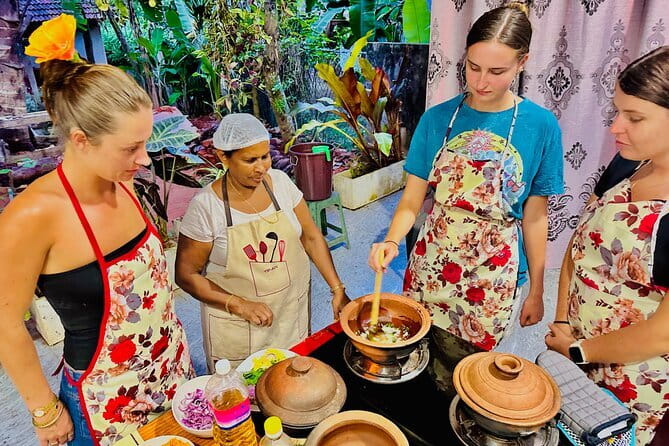
- Family-run and personal: Nona, Indra, and Prabodi lead the class in a home-style kitchen and garden setting.
- Small groups matter: A maximum of six people leaves room for hands-on work and questions.
- The meal is part of the lesson: Your curries come with rice and crispy papadams, so you eat what you prepare.
- Good value at $30: For about three hours of instruction, shopping, cooking, and a full meal, the price is reasonable.
Starting at 4:00 pm in Mirissa
The experience begins at Indra Restaurant, listed at WFX5+XMF in Mirissa. It ends back at the same meeting point, which makes the evening simple to plan if you are staying nearby.
The timing is worth thinking about. A 4:00 pm start means you are not giving up your morning at the beach or a day trip along the coast. On the other hand, the cooking and meal will likely fill your evening, so do not book it on a night when you have another fixed plan.
The location information names Galle as the broader location but gives the actual meeting point as Mirissa. I would rely on the Mirissa meeting details and confirm the exact directions before setting out. The class is described as being not far from the town center, and public transportation is nearby.
The experience runs for about three hours. That is long enough to cover shopping, preparation, cooking, and eating without turning the class into a full-day project.
More Cooking Classes in Galle
- Sea waves sri lankan cooking class
★ 5.0 · 467 reviews - Galle Unawatuna Cooking Class
★ 5.0 · 142 reviews - Galle Fort cooking class
★ 5.0 · 60 reviews
Shopping for Vegetables Before the Pans Heat Up
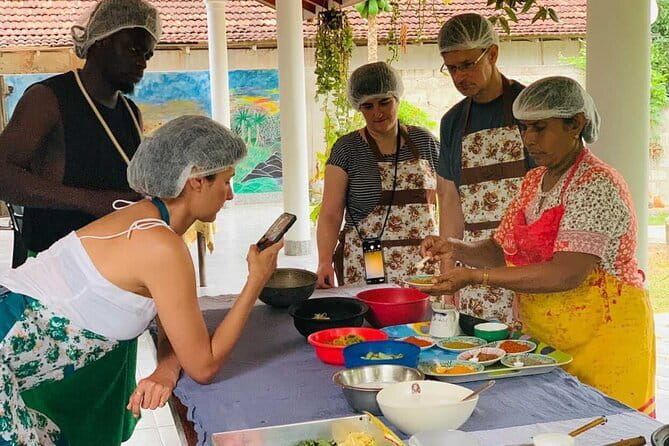
The class begins with a trip to shop for fresh local ingredients. This is more useful than a quick stop at a supermarket because you get to see the raw materials before they become familiar-looking bowls of curry.
You learn about the ingredients, their flavors, and where they come from. That helps explain why Sri Lankan cooking uses several vegetable dishes in one meal. Pumpkin, beans, aubergine, okra, potato, mushrooms, and leafy greens each bring a different texture and cooking method to the table.
The exact shopping routine can vary. One class included a tuk tuk ride to a vegetable stand, while other sessions may involve shopping closer to the cooking location. Either way, the ingredient selection is part of the experience rather than a chore handled before you arrive.
I like this approach because it gives you a better sense of choice. You are not simply handed a fixed menu. You can discuss what looks good that day and select four options from the available list. You may also choose another vegetable if it is available.
That flexibility is especially helpful for vegetarians. The class includes many meat-free choices, and the menu naturally supports a meal built around several vegetable curries, rice, sambol, and papadams.
Choosing Four Curries From a Useful Menu
You can choose four dishes from a broad list. The choices include chicken or fish curry, dhal or lentils curry, pumpkin curry, green beans curry, aubergine fry, green leaf salad or stir fry, mushrooms dry curry, potato curry, okra dry curry, and coconut sambol.
This is a good menu for learning because it includes several different styles of Sri Lankan cooking. A wet curry, a dry curry, a stir-fried vegetable, and sambol do not all behave the same way in the kitchen. You get a sense of how a complete rice-and-curry spread is put together.
If you want a classic introduction, chicken or fish curry with dhal makes a solid base. Add a vegetable curry and coconut sambol for contrast. If you prefer meat-free food, dhal, pumpkin, aubergine, okra, potato, mushrooms, and green beans give you plenty of room to build a satisfying meal.
The menu also gives you control over spice and ingredients within the limits of the day’s supply. The information provided does not promise a fully customized allergy or dietary menu, so you should raise any restrictions before booking or at the beginning of the class.
You may also find that the class prepares more than the advertised four dishes in some sessions. One participant described learning five curries and rice. That appears to depend on the group and the cooking plan, so I would treat four dishes as the reliable expectation and anything extra as a bonus.
A Hands-On Lesson in the Family Kitchen
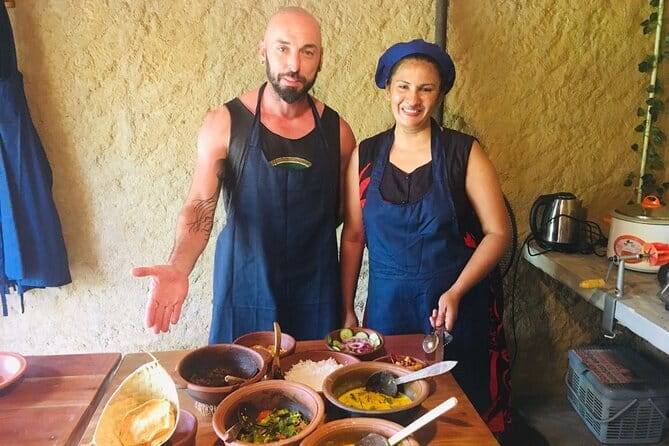
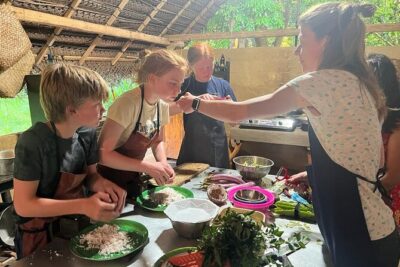
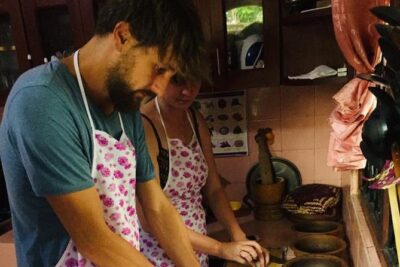
This is not a demonstration where you sit back and watch someone else handle every knife and pan. The class is designed to involve you in the preparation and cooking, with the hosts explaining what to do and showing you the methods.
That matters if your goal is to cook Sri Lankan food at home. You can watch a chef make curry in a restaurant kitchen, but handling the ingredients yourself gives you a better chance of remembering the process later.
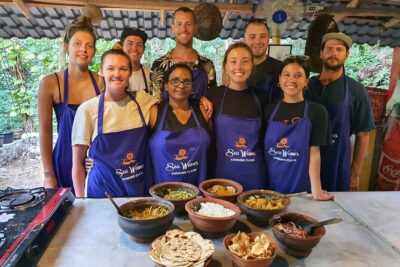
The cooking takes place in an outdoor kitchen and garden setting. This adds to the relaxed, home-based feel. You are not being rushed through a polished cooking studio with a large crowd. The group size is limited to six, and some sessions have been especially small, with only one other couple present.
The setting also seems to shape the mood. The hosts are described as welcoming, friendly, and willing to laugh and dance with the group. That is not the sort of formal instruction you get in every cooking class, and it will suit you if you prefer conversation and shared activity over a strict chef-led lesson.
At the same time, the class is not described as a technical culinary course. If you want advanced knife skills, exact measurements, or a professional kitchen certificate, this is probably not the right choice. It is aimed at ordinary people who want to understand home cooking and enjoy making food with a local family.
A different kind of day out entirely:
- Whales and Dolphins Watching-Luxury Super Grade Cruiser(Hotel Pick up offered)
★ 5.0 · 1,268 reviews - Galle: Traditional Gems & Jewellery Workshop with Transfers
★ 4.9 · 539 reviews - Galle Fort Walking tour
★ 4.9 · 285 reviews - Snorkeling with Turtles in Mirissa
★ 5.0 · 268 reviews
Rice, Papadams, and the Best Part of the Evening
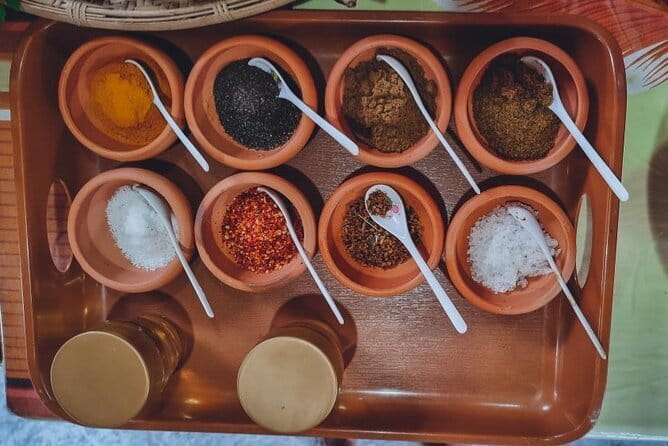
All the dishes are served with rice and crispy papadams. The meal is not an optional extra or a small tasting plate at the end. It is the payoff for the work you have just done.
Rice is central to Sri Lankan cooking, so learning how to prepare it properly gives the class a useful focus beyond the curries themselves. The hosts aim to teach the secrets of good rice and curry, which means you leave with a better idea of how the parts of the meal fit together.
Coconut sambol brings another important element to the table. It is served alongside the curries rather than treated as a minor garnish. That contrast of fresh coconut, seasoning, and heat helps explain why Sri Lankan meals can taste varied even when several dishes share similar spices.
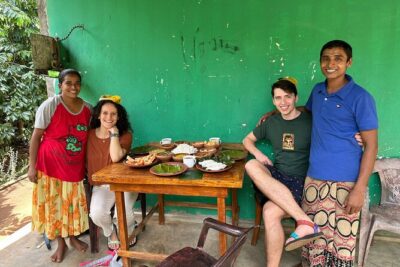
The meal is also where the group atmosphere pays off. You sit down with the people you cooked alongside, eat a generous portion, and compare the dishes you helped prepare. For many people, this will be the most memorable part, especially because the food is made and served in the same family setting.
You should arrive hungry. The description promises a full meal, and the repeated praise for the food suggests that eating is a serious part of the evening, not a token sample.
The Hosts Make This Feel Personal
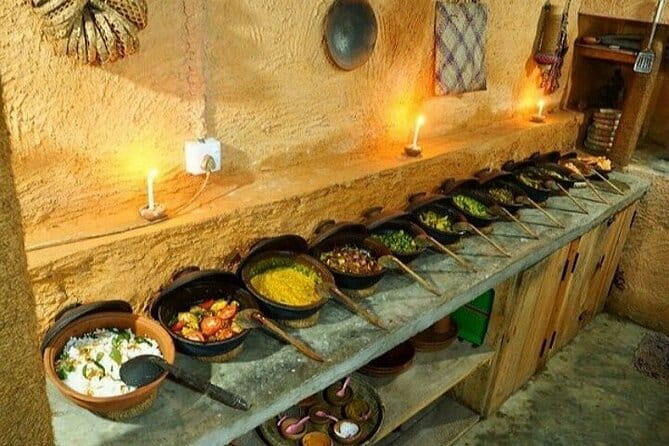
Nona and Indra are named as the main hosts, while Prabodi is listed as the experience provider. Some sessions are led by Prabodi and her mother, and the family-run character is a major reason to book.
The useful distinction here is between a class that uses local food as a theme and one that takes place in a family environment. This experience leans toward the second. You are welcomed into the kitchen and garden, not simply placed at a workstation.
The hosts also appear comfortable teaching beginners. One account described the cooking as not taxing on your cooking skills. That is reassuring if you rarely cook or feel nervous about joining a class abroad.
You should still expect to take part. Friendly does not mean passive. You will likely help with preparation and cooking, ask questions, and make choices about the dishes. The class works best if you want to participate rather than simply receive a meal.
The warm tone may not suit someone looking for a quiet, highly structured lesson. There can be a social element, with conversation, laughter, and even dancing. For most people, that is part of the charm. If you prefer a formal and quiet setting, consider this before booking.
Is $30 a Fair Price?

At $30 per person, the class offers good value for a three-hour experience. You are paying for ingredient shopping, instruction, hands-on cooking, a full rice-and-curry meal, and a small group rather than a large class.
The price looks even better if you value the family setting. You are not only learning several recipes. You are also seeing how a local meal is planned, how ingredients are selected, and how several dishes are served together.
The cap of six is important. A larger class might cost less, but you would have less time with the hosts and fewer chances to handle the food yourself. Here, the limited size supports the personal feel that makes the class attractive.
The value is less clear if you only want to eat. A restaurant meal will be cheaper and faster, especially if you are not interested in cooking. This experience earns its price through the time, instruction, shopping, and social setting.
For couples, friends, and families who enjoy food, $30 is a sensible spend. The minimum booking of two also makes the class better suited to people traveling together than to solo visitors.
Who Will Enjoy This Class Most?
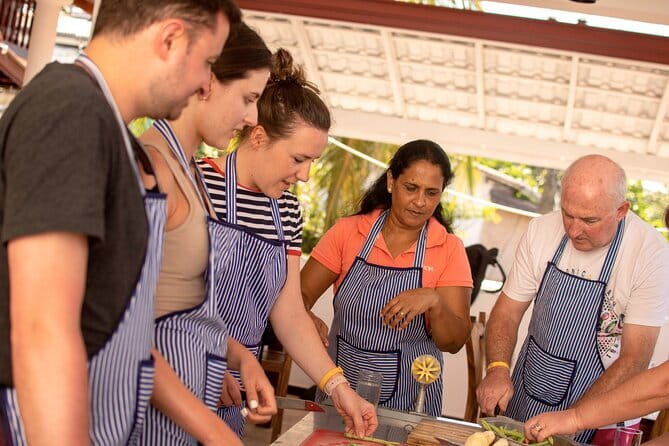
I would recommend it most strongly to you if you want to learn through doing. Beginners should feel comfortable, and the broad vegetable menu makes it a strong choice for anyone who prefers meat-free food.
It is also a good fit for couples. The minimum booking requirement means you will need at least two people, and the small group format gives the evening an intimate feel.
Food-focused visitors will get the most from the ingredient shopping and menu choice. If you have been eating Sri Lankan rice and curry but cannot tell a dry curry from a saucier one, this class gives you a practical way to understand the difference.
Families may enjoy the relaxed atmosphere, provided everyone is comfortable with the three-hour length and hands-on work. The class is not described as a children’s activity, so I would confirm suitability for young children before booking.
You may want to skip it if your schedule is tight, you need a solo reservation, or you want a formal lesson with advanced culinary instruction. The 4:00 pm start and three-hour duration require a real commitment.
Service animals are allowed, and the activity is near public transportation. The available information does not provide a detailed accessibility description, so ask the provider directly if you need specific mobility arrangements.
Booking, Cancellation, and Practical Tips
Confirmation is provided at booking, and the experience uses a mobile ticket. Keep the meeting point details handy, especially since the broader location is listed as Galle while the actual start point is in Mirissa.
Plan to arrive ready to cook and eat. Wear something comfortable, and avoid scheduling a large meal beforehand. You will have a better time if you treat the evening as both a lesson and dinner.
If your plans change, free cancellation is available up to 24 hours before the 4:00 pm start time. A cancellation made less than 24 hours in advance is not refundable, and changes within that period are not accepted. The cut-off follows local time.
Because the class requires at least two people, check your booking carefully before paying. Solo visitors cannot book this activity at present.
Should You Book the Mirissa Cooking Class?
Yes, if you want a warm, practical introduction to Sri Lankan food rather than a polished restaurant-style demonstration. The combination of ingredient shopping, dish choice, hands-on preparation, outdoor cooking, and a full meal makes the $30 price fair.
I would book this for a couple or small group that enjoys meeting local hosts and learning at an easy pace. The most useful tip is to choose a mix of dishes, perhaps one main curry, dhal, one vegetable curry, and coconut sambol, so you see several sides of Sri Lankan cooking.
I would hesitate only if you need a solo booking, cannot spare the evening, or want highly technical instruction. For everyone else, this is a personable way to spend three hours in Mirissa, with useful cooking skills and a very good dinner at the end.
FAQ
Where does the cooking class begin?
It begins at Indra Restaurant, WFX5+XMF, Mirissa, Sri Lanka.
What time does the experience start?
The class starts at 4:00 pm.
How long does the cooking class last?
The experience lasts approximately three hours.
How many people can join the class?
The maximum group size is six people.
Can I book if I am traveling alone?
No. The experience requires a minimum booking of two people and does not accept solo bookings.
What is included in the meal?
The dishes you prepare are served with rice and crispy papadams. You choose four dishes from the available menu, with options including curries, vegetable dishes, green leaf salad or stir fry, and coconut sambol.
Just added in Galle
- Sri Lankan Cooking with Tricks★ 5.0 · 1 review
- Private Transfer and Whale Watching Tour from Hikkaduwa and Galle★ 5.0 · 1 review
- Udawalawa National Park Safari trip from Hikkaduwa/Galle/Weligama★ 4.5 · 7 reviews
- Surfing Lessons★ 4.5 · 7 reviews
- Sinharaja Rainforest Trip★ 5.0 · 7 reviews
- One Day Udawalawe Safari from Galle/Mirissa/Unawatuna/Hikkaduwa★ 5.0 · 10 reviews
- Airport Transfer by Hikkaduwa Taxi Service★ 5.0 · 5 reviews
- Hikkaduwa/ Galle/ Mirissa : With Udawalawe safari – Day trip★ 5.0 · 2 reviews
Cooking Classes, compared.
Organic cooking class sigiriya (kumara & family)
Read our review →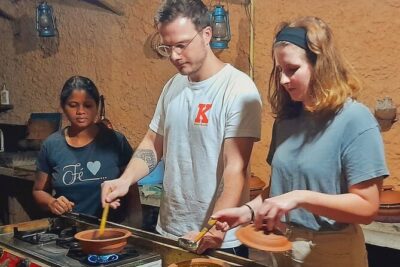
Sri Lankan Cooking Class with Neranji at Homestay
Read our review →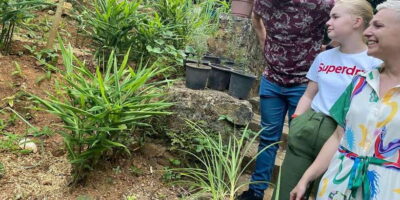
Browse the lists this tour appears in