
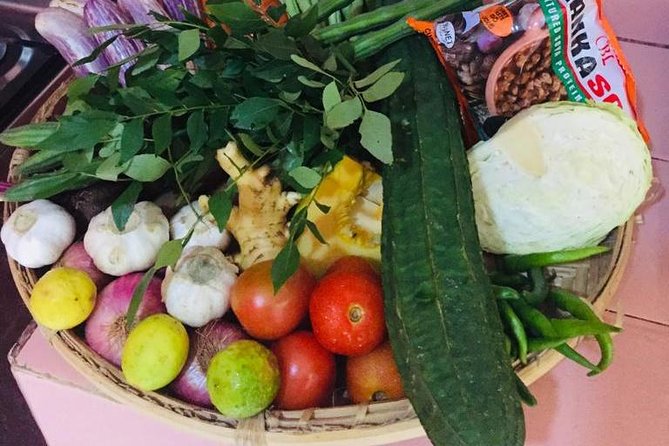
Review · COOKING CLASSES
Cooking class in Srilanka
Sri Lankan food begins with fire, spice, and clay pots. This three-hour Colombo class lets you make 10 traditional dishes, including dessert, while a chef explains the methods behind each one. I like the hands-on format, and I like that the class takes place in a real home with family members involved. The main drawback is the location in Angoda, outside central Colombo, so you will need to allow time to reach the meeting point.
You cook the food yourself rather than watching a chef perform. That makes this a useful choice if you want to carry Sri Lankan cooking skills home with you. Still, you should be ready for a practical setting rather than an air-conditioned restaurant kitchen, and the class may feel less polished than a hotel-based cooking lesson.
In This Review
- Key points to know before booking
- Cooking in a real Colombo home
- The first part of the three-hour cooking session
- Why the clay pots matter
- Learning Sri Lankan spices by using them
- Making ten dishes instead of watching one
- Meeting the family and sharing the meal
- What $50 means in practical terms
- Getting to Angoda from Colombo
- Weather, cancellation, and private groups
- Who will enjoy this class most
- Should you book the Colombo cooking class?
- FAQ
- How long does the Sri Lankan cooking class last?
- How many dishes will I make?
- Will I cook the food myself?
- Where does the class meet?
- Does the activity end at the same place?
- What is the cancellation policy?
Key points to know before booking
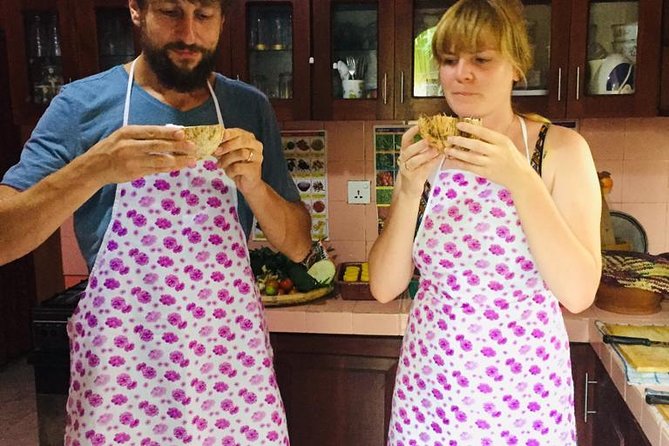
- Ten dishes in about three hours: You prepare a large spread, including traditional desserts, so the class moves at a good pace.
- Clay pots are used throughout: This gives the cooking a distinctly local feel and shows you a traditional way to prepare the food.
- You do the cooking yourself: The chef explains the process, but you handle the work instead of simply watching.
- A genuine home setting: The experience takes place in a real home, with the family involved in preparing and sharing the meal.
- Private for your group: Only your party participates, which makes it easier to ask questions and work at your own level.
- Good value at $50: The price covers a long, active class with many dishes, instruction, and a full meal experience.
Cooking in a real Colombo home
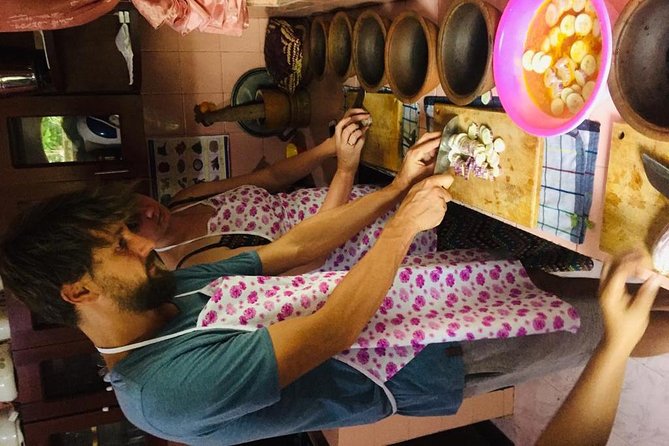
The class meets at Colombo Cooking Class, at No. 275/1, B231, Angoda 10600, Sri Lanka. This is not a central Colombo landmark or a hotel restaurant. It is a home-based setting, and that is an important part of the experience.
I like the difference. In a professional kitchen, you may get better equipment and a more polished presentation, but you can end up watching someone else do most of the work. Here, the focus is on ordinary home cooking and the routines that make Sri Lankan food part of daily life.
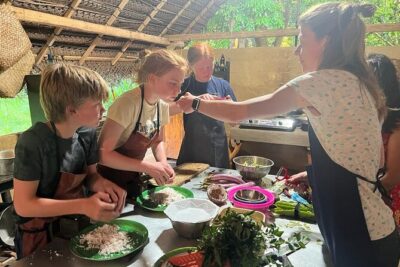
A real home also changes the mood. You are not being placed behind a counter for a staged demonstration. You meet the family, share preparation duties, and take part in making the meal. One especially useful detail is the scale of the cooking: the class prepares 10 curries or dishes, not just one or two sample recipes. That gives you a wider picture of how Sri Lankan meals are built.
The home setting may not suit everyone. If you expect a quiet, highly organized kitchen with restaurant-style finishes, you may find it basic. I see that as part of the trade-off. You give up some comfort and polish in exchange for a closer look at how food is prepared in a local household.
More Cooking Classes in Colombo
- Colombo Cooking Class
★ 5.0 · 151 reviews - Market Tour and Hands-On Cooking Class Colombo
★ 5.0 · 140 reviews - Cooking Class Sri Lanka with Locals
★ 5.0 · 101 reviews
The first part of the three-hour cooking session
The class lasts about three hours, which is long enough to make the food but short enough to fit into a busy Colombo visit. The exact order of the dishes is not specified, so you should expect the chef to organize the session around preparation time and cooking needs.
The chef explains the cooking style as you work. This matters because Sri Lankan food is not simply a matter of adding a spice blend to a pot. You learn how ingredients are handled, how spices are used, and how the dishes come together as a meal.
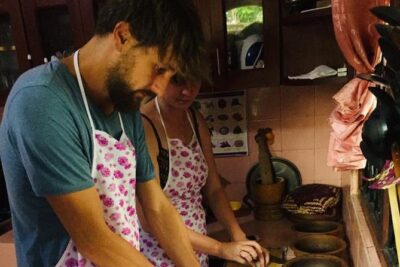
The class is designed for participation. You make all the dishes yourself, with the chef guiding you through the process. I prefer this format for anyone who wants more than a pleasant meal. You have to pay attention, chop, stir, season, and keep track of several preparations. That work makes the final meal more satisfying and gives you a better chance of repeating the recipes at home.
The pace may be brisk because 10 dishes are made in roughly three hours. You will not spend half an hour discussing every single ingredient. Instead, the chef needs to keep the group moving from one task to the next. The private format helps here, since the instruction can focus on your group rather than a large class.
Why the clay pots matter
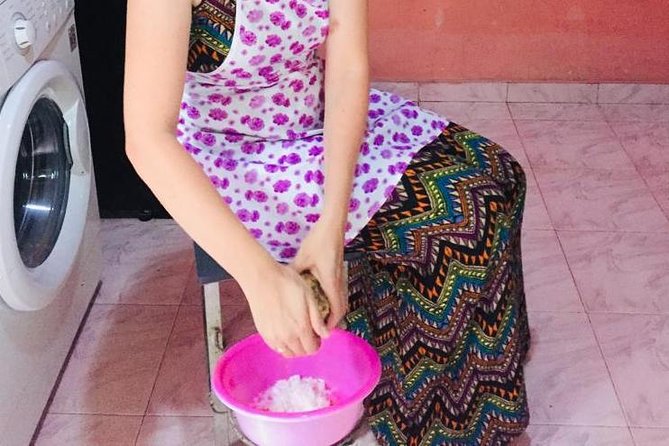
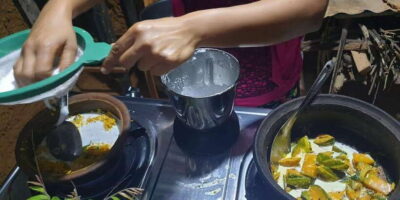
The use of clay pots is one of the most distinctive parts of this class. All the dishes are cooked in clay pots rather than modern metal cookware. That gives the session a clear connection to older Sri Lankan kitchen practice.
You are not simply learning what ingredients go into a curry. You are seeing how the cooking vessel affects the process. Clay pots bring a slower, more traditional feel to the preparation, and they make the class different from a standard cooking lesson in a western-style kitchen.
I would not book this class expecting a technical lesson in cookware science. The information provided does not promise a detailed explanation of clay, heat control, or pot care. What you do get is practical exposure to a method that remains closely tied to Sri Lankan home cooking.
The pots also reinforce the point that this is a household meal, not a restaurant production. You work with the tools and methods chosen for the class, then eat the food made through that process. For me, that link between cooking and place is one of the strongest reasons to choose this experience.
Learning Sri Lankan spices by using them
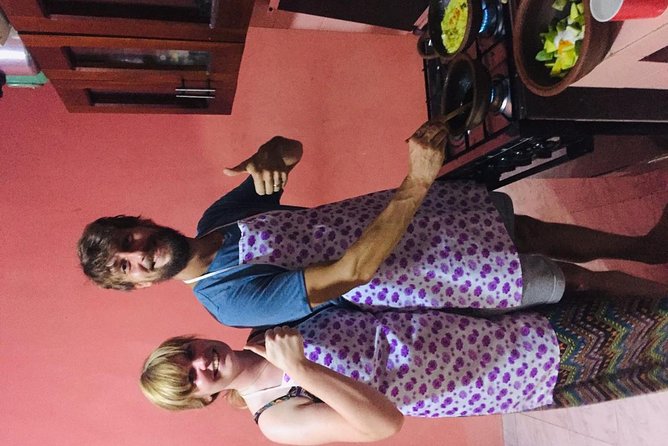
The chef explains the spices used in Sri Lankan cooking as you prepare the food. The class does not list every spice or provide a fixed menu in the information available, so I would avoid booking it with a particular recipe in mind.
Instead, think of the lesson as a broad introduction. Because you make 10 dishes, you encounter a range of flavors and preparations in one sitting. You can ask about the spices as they appear in the cooking, and the chef can connect each ingredient to the dish in front of you.
That is more useful than memorizing a long list of spice names. You learn how the seasonings work in context. If you are new to Sri Lankan food, this can help you understand why several dishes on one table can taste very different while still belonging to the same cuisine.
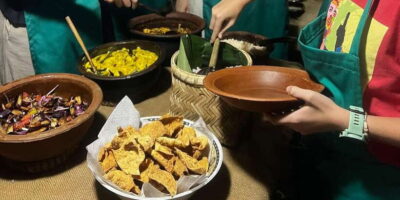
The class also includes traditional desserts. That is a welcome touch. Many short cooking lessons focus only on savory dishes, but dessert gives you a fuller sense of the meal. The exact dessert is not stated, so you should treat it as part of the experience rather than plan around a specific sweet.
A different kind of day out entirely:
- Colombo: Private Tuk-Tuk City Tour with All Entry Fees
★ 4.9 · 2,154 reviews - Sri Lanka Personal Tour Driver in private vehicle
★ 5.0 · 747 reviews - Colombo Tuk Tuk City Tour -Sightseeing Entry Fees & Food Included
★ 5.0 · 678 reviews - Udawalawe National Park: Elephant Safari with Expert Guide
★ 4.9 · 641 reviews
Making ten dishes instead of watching one
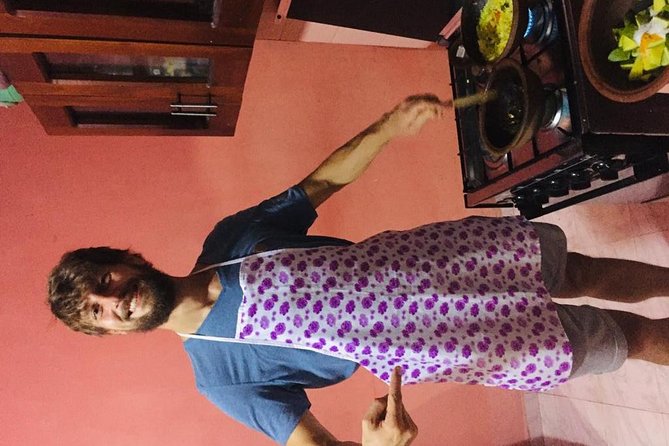
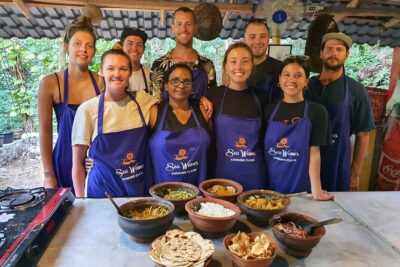
Ten dishes is a generous amount for a three-hour class. It means you see the variety of a Sri Lankan meal rather than learning one recipe in isolation. The class may include 10 curries or a mix of dishes and dessert, but the available information does not provide a complete menu.
The scale has two effects. First, it offers good value. At $50 per person, you are paying for about three hours of instruction and active cooking, not just a short demonstration. You also finish with a substantial meal made by your own group.
Second, the number of dishes means the session may feel busy. You should expect practical teaching rather than a slow, leisurely workshop. If you enjoy doing several things at once, that energy will suit you. If you prefer a deep lesson focused on one recipe, this class may spread your attention too widely.
The menu is provided, which helps you understand what you will be making. That is useful for planning, especially if you have food preferences or want to know the general scope of the meal before you arrive. The supplied information does not explain whether substitutions are available, so contact the provider before booking if you have dietary restrictions.
Meeting the family and sharing the meal
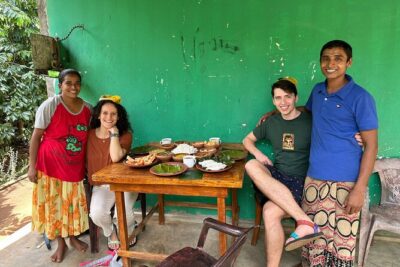
The home setting includes the family, not only the chef. You meet the people connected with the cooking and share preparation duties for the meal. That personal contact gives the class a warmer feel than a standard instructor-led workshop.
I like this part because food is easier to understand when you see who prepares it and how it fits into home life. The family presence also makes the experience feel less like a performance. You are working alongside people who treat the meal as something practical and familiar.
The meal is the natural payoff for the class. After spending time preparing the dishes, you get to eat what your group has made. That makes the cooking feel purposeful, rather than like a series of disconnected demonstrations.
Keep your expectations realistic. The information does not promise a formal dining service, a special view, or a long cultural talk. The appeal is more direct: cook with a local family, learn the methods, and sit down to food you helped prepare.
What $50 means in practical terms
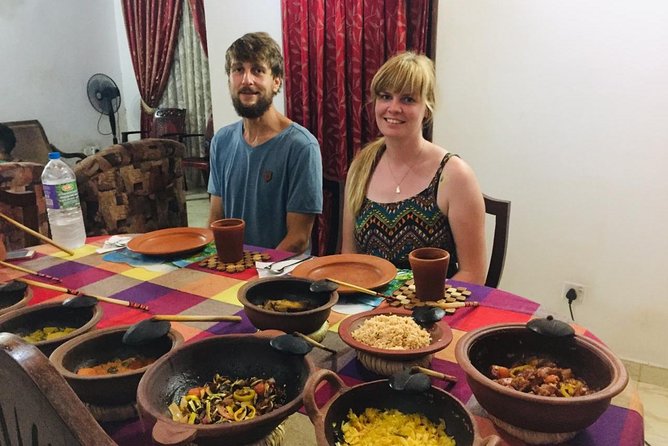
The price is $50 per person. For a private class lasting about three hours, that is a fair price if you value participation and the number of dishes. You receive instruction, use the cooking equipment provided, prepare 10 dishes, and take part in the meal.
The private format is especially important when judging the cost. Only your group participates, so you are not sharing the lesson with a large class of strangers. That can make it easier to ask about spices, cooking steps, and the dishes on the menu.
I would not compare the price directly with a cheap restaurant meal. A restaurant may cost less, but it will not give you the same practical lesson or the chance to make the food yourself. On the other hand, if you only want to taste Sri Lankan cuisine, this is not the most economical way to eat.
The class also provides value through variety. Ten dishes in one session gives you more exposure than a short lesson built around a single curry. The trade-off is that the pace may leave less time for detailed instruction on each recipe.
Getting to Angoda from Colombo
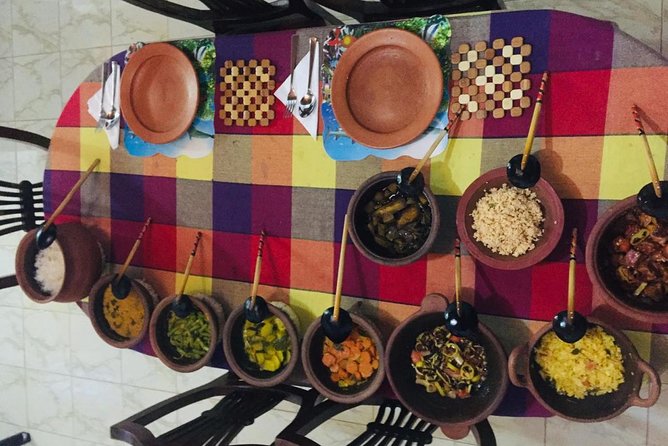
The meeting point is at No. 275/1, B231, Angoda 10600. The activity begins and ends at this same location. It is near public transportation, which helps, but no pickup service is listed.
You should plan your route before the class begins. Colombo traffic can affect how long a trip takes, and arriving late could be awkward when several dishes are already being prepared. The exact travel time from your hotel depends on where you are staying, so leave a sensible cushion.
The return to the meeting point is convenient because you do not need to arrange a second destination. You can collect your belongings and continue your day from there. Since the class ends where it starts, it works best when you plan another activity nearby or have onward transport ready.
The address is precise, but I would still confirm the meeting details after booking. You receive confirmation at the time of booking, and the activity uses a mobile ticket, so keep the booking information accessible on your phone.
Weather, cancellation, and private groups
This experience requires good weather. If poor weather causes a cancellation, you are offered another date or a full refund. That is worth noting when you plan a tight Sri Lanka itinerary, especially if this class is one of the few activities scheduled during your time in Colombo.
You can cancel for a full refund if you do so at least 24 hours before the start time. Cancellations or changes made less than 24 hours ahead are not accepted for a refund. The cut-off uses local Sri Lankan time, so check the time carefully if you are changing plans from another country.
The private arrangement is a strong point for couples, families, or a small group of friends. You can ask questions without worrying about slowing down a large class. It also gives your group a more personal connection with the family and chef.
The description does not provide a minimum age, accessibility details, or information about dietary substitutions. If any of those points matter to you, ask Colombo Cooking Class before confirming the booking.
Who will enjoy this class most
I would choose this experience if you want to cook, not just eat. It suits home cooks, food-focused visitors, and anyone curious about how Sri Lankan spices and clay-pot methods work in a household setting.
It is also a good fit for people who value personal contact. Meeting the family and helping prepare the meal gives you a more direct experience than a class held in a tourist restaurant.
You may want to skip it if you dislike hands-on work, want a fixed and highly detailed menu, or prefer a central Colombo location. The 10-dish format is broad, but it is not designed as a slow masterclass in one recipe.
The class can work well early in a Sri Lanka trip because the chef explains the cooking style and spices you are likely to encounter elsewhere. It can also be a fitting final food experience, since you finish with a large home-style meal and a clearer sense of what goes into it.
Should you book the Colombo cooking class?
Book it if your priority is authentic home cooking, active participation, and a private setting. The combination of 10 dishes, traditional desserts, clay pots, and family involvement gives you more than a basic recipe demonstration.
I would make the booking after checking your transport to Angoda and confirming any dietary needs. At $50, the class offers solid value for a three-hour private experience, but the value depends on your willingness to cook and accept a simple home setting.
If that sounds like your kind of afternoon, this is a practical and personal way to meet Sri Lankan food. You leave with a meal you helped create and a better feel for the spices, methods, and care behind it.
FAQ
How long does the Sri Lankan cooking class last?
The class lasts approximately three hours.
How many dishes will I make?
You will prepare 10 different dishes, along with traditional desserts.
Will I cook the food myself?
Yes. You make all the dishes yourself while the chef explains the cooking process and traditional Sri Lankan methods.
Where does the class meet?
The meeting point is Colombo Cooking Class, No. 275/1, B231, Angoda 10600, Sri Lanka.
Does the activity end at the same place?
Yes. The activity ends back at the meeting point.
What is the cancellation policy?
You can cancel at least 24 hours before the start time for a full refund. Changes or cancellations made less than 24 hours before the experience are not accepted for a refund. If poor weather causes the class to be canceled, you are offered another date or a full refund.
Just added in Colombo
- Yala National Park (Day Tour)★ 5.0 · 5 reviews
- Water Amusement and Karting★ 5.0 · 1 review
- Wake Boarding in Bentota★ 5.0 · 1 review
- Udawalawe Jeep Safari from Bentota Aluthgama Berawula Area★ 5.0 · 1 review
- Madu River Sunrise Mangrove Kayaking★ 5.0 · 5 reviews
- Udawalawa National Park Day Tour★ 4.5 · 5 reviews
- Half Day Udawalawe Safari from Kalutara (Entrance + Lunch)★ 5.0 · 9 reviews
- Sigiriya and Dambulla Day Tour from Kalutara All Inclusive★ 5.0 · 2 reviews
Cooking Classes, compared.
Organic cooking class sigiriya (kumara & family)
Read our review →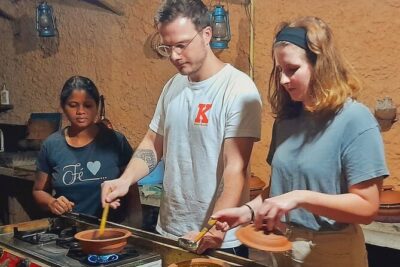
Sri Lankan Cooking Class with Neranji at Homestay
Read our review →
Browse the lists this tour appears in