
Review · COOKING CLASSES
Cooking Class: Sajee’s Place Cooking Class sigiriya
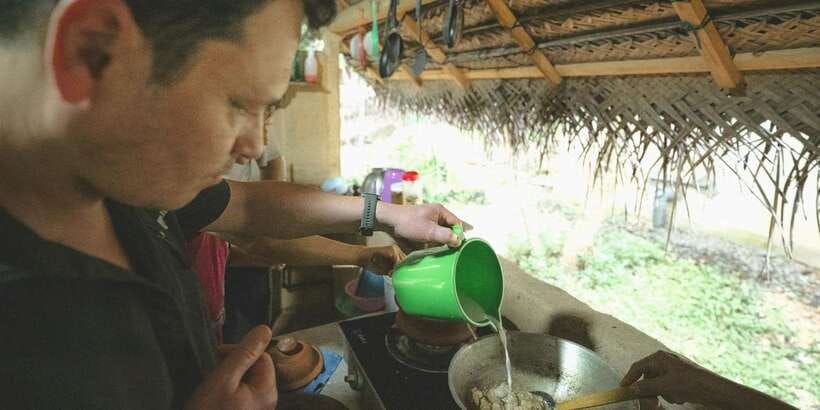
Food is the best shortcut into Sri Lanka. Sajee’s Place Cooking Class near Sigiriya turns a three-hour lesson into a generous meal, with Sajee and his wife Suzy guiding you through rice, curries, sambol, and local cooking methods. I especially like the hands-on format, where everyone helps prepare the food, and the useful recipes sent afterward as PDFs. The only point to consider is that a three-hour class may feel full-on if you prefer a slower, shorter activity.
The class is a strong choice if you want to understand what sits behind the curry on a Sri Lankan menu. I also like the small-group limit of 10, the fresh ingredients, and the way spice levels can be adjusted as you cook. At $36 per person, it offers both a meal and skills you can take home, though the exact dishes can vary with seasonal vegetables and your chosen chicken or fish curry.
In This Review
- Key points to know before you book
- What the three-hour class is really about
- Building the rice and curry meal
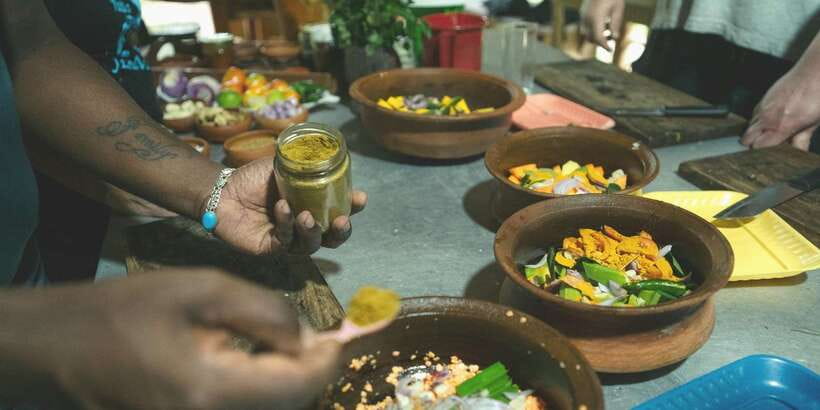
- Fresh ingredients, spices, and coconut sambol
- A warm class led by Sajee and Suzy
- The setting and kitchen experience
- Eating the meal you made
- Recipes you can actually use at home
- Is $36 good value near Sigiriya?
- Who should book Sajee’s Place?
- My verdict: book it if food matters to you
- FAQ
- How long does Sajee’s Place Cooking Class last?
- How much does the cooking class cost?
- What food will I prepare?
- Is the class suitable for beginners?
- Is the class taught in English?
- How many people can join the class?
- Can the spice level be adjusted?
- Are recipes provided after the class?
- Is bottled water included?
Key points to know before you book
- Sajee and Suzy teach together: Their husband-and-wife approach gives the class a friendly, patient feel and plenty of chances to ask questions.
- You prepare a full rice-and-curry spread: Expect dhal, chicken or fish curry, three vegetable curries, a stir-fried or tempered dish, coconut sambol, rice, and papadams.
- Fresh coconut is part of the lesson: You may grate coconut for sambol, a small task that shows how much Sri Lankan cooking depends on fresh ingredients.
- The food is made for home cooking: You receive PDF recipes and spice guidance after class, making the experience more useful than a meal you simply eat and forget.
- The group stays small: With a maximum of 10 participants, the instructors can give individual help and answer questions.
- It suits many skill levels: Beginners are welcome, and spice heat can be adjusted during the cooking.
What the three-hour class is really about
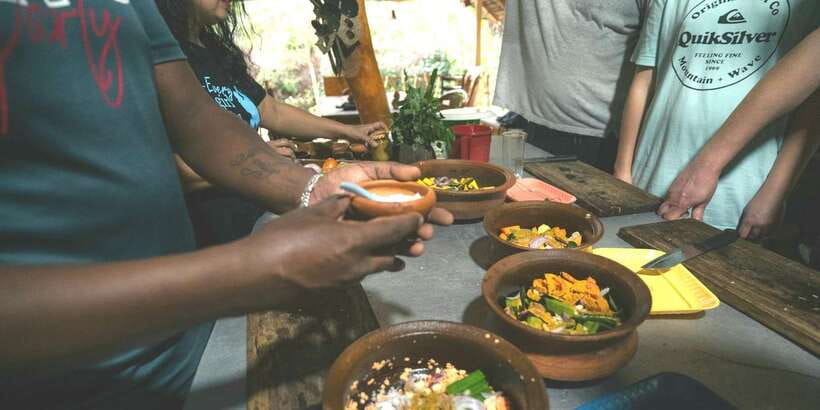
Sajee’s Place is not a quick demonstration followed by a plate of food. The point is to cook together, step by step, and learn how Sri Lankan meals are assembled.
You begin by getting familiar with the ingredients and spices. Sajee explains how herbs, aromatics, and spices are used differently in curries and other dishes. This matters because Sri Lankan cooking is not just a matter of adding curry powder to a pot. The order of cooking, the treatment of ingredients, and the balance of heat, salt, sourness, and coconut all affect the result.
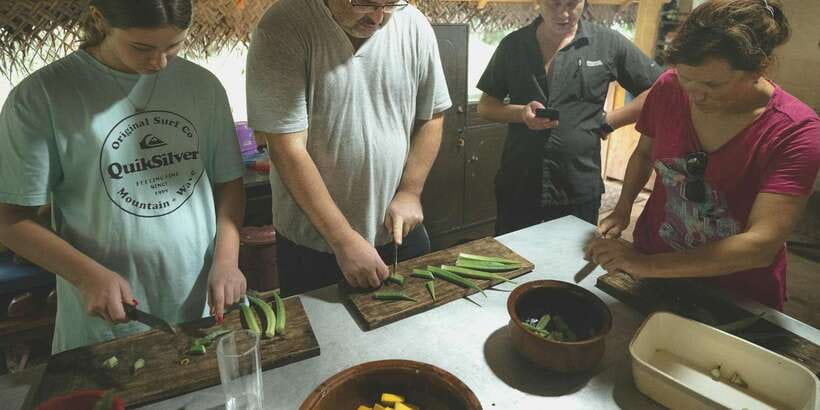
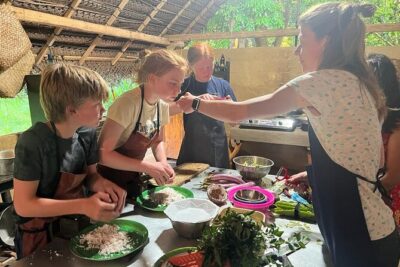
Sajee and Suzy then guide you through the preparation. You are expected to take part rather than watch from the side, which makes the class more useful if you want to repeat the dishes at home. The pace is structured, but the teaching style is patient. Several people with little or no cooking experience found the instructions easy to follow.
The three-hour length gives the food time to cook properly and gives you room to ask questions. It also means this is not a minor stop between sightseeing plans. Allow the class to be the main activity for the morning or afternoon.
More Cooking Classes in Sigiriya
- Organic cooking class sigiriya (kumara & family)
★ 5.0 · 650 reviews - Sajee’s Place Cooking Class
★ 5.0 · 237 reviews - Organic Cooking Class sigiriya home Kitchen(Kumara & family)
★ 5.0 · 116 reviews
Building the rice and curry meal
The main lesson centers on Sri Lanka’s traditional rice-and-curry format. This is less a single recipe than a way of serving a meal: rice in the middle, surrounded by several small dishes with different flavors and textures.
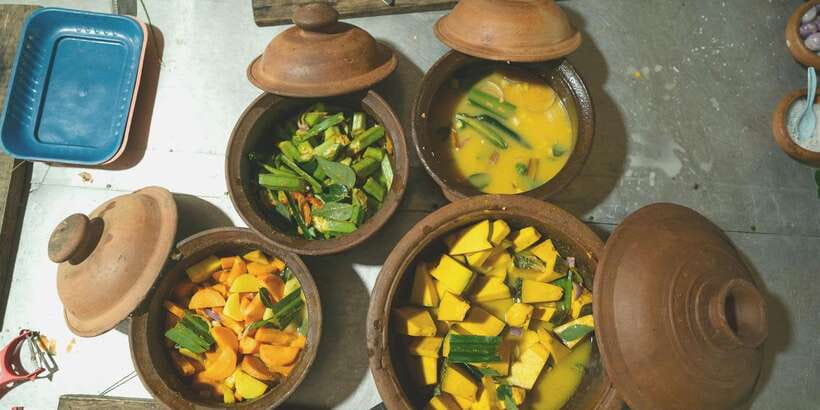
The menu includes three seasonal vegetable curries, dhal curry, chicken curry or fish curry, one stir-fried or tempered dish, coconut sambol, rice, and papadams. Past classes have produced around seven or eight dishes, although the exact selection can change. Seasonal vegetables help keep the food local, but they also mean you should not expect a fixed restaurant-style menu every time.
Dhal curry is usually a useful starting point because it teaches how a humble lentil dish becomes creamy and aromatic through spices and coconut. The vegetable curries then show how the same basic pantry can create several different results. One may be softer and saucier, while another may rely more on frying or tempering.
The chicken or fish option gives the meal a centerpiece, but vegetarians are also well served by the range of vegetable dishes. Some sessions have focused almost entirely on vegetarian curries, so this class can work well for people who want to eat less meat. If dietary preferences matter to you, ask Sajee when arranging the class.
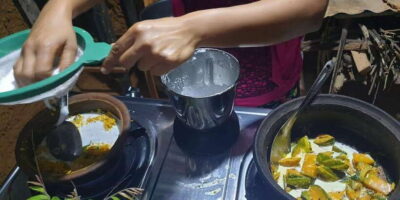
The stir-fried or tempered dish is especially useful for home cooks. Tempering teaches an important Sri Lankan technique: spices and other ingredients are heated in oil to release aroma before being added to the dish or served over it. It is a small lesson with a big effect on flavor.
Fresh ingredients, spices, and coconut sambol
One of the best parts of the experience is the attention given to ingredients. Sajee explains the herbs and spices used in Sri Lankan kitchens, along with the difference between ingredients used in curries and those used in other dishes.
You also get a practical explanation of how flavors work together. This is more useful than memorizing a long list of spices because it helps you adapt the recipes to ingredients available in your own country. Several participants particularly valued learning how to substitute vegetables, meat, or fish at home.
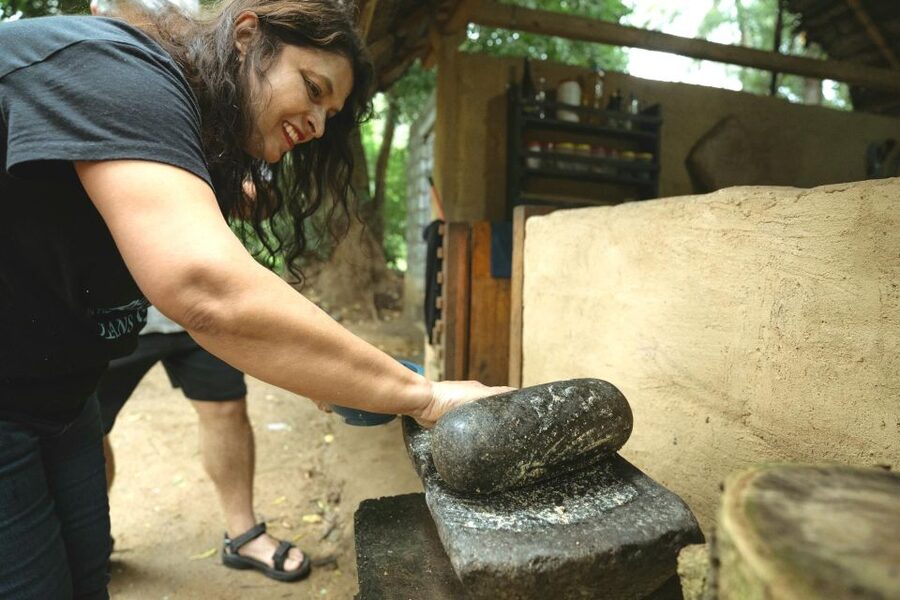
Coconut sambol is another memorable part of the meal. You may prepare it with freshly grated coconut, rather than relying on packaged coconut. That simple step connects the dish to everyday Sri Lankan cooking and gives you a better sense of its texture.
Spice heat is not treated as a test of courage. The amount can be adjusted during the class, so you can enjoy the food without pretending your mouth is made of cast iron. You still learn how chili and other spices are used, but the final meal can suit your comfort level.
A warm class led by Sajee and Suzy
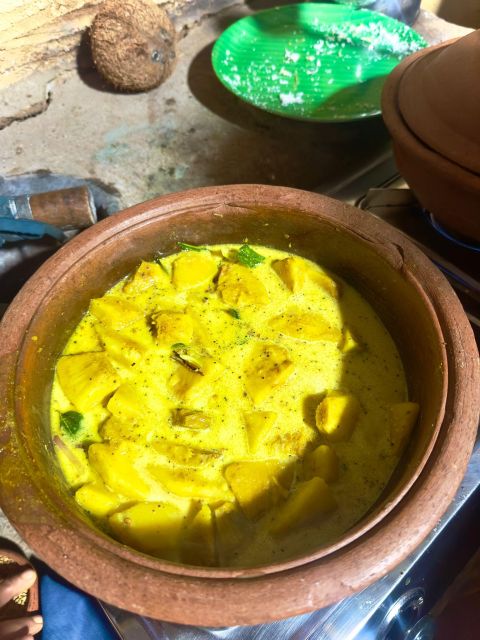
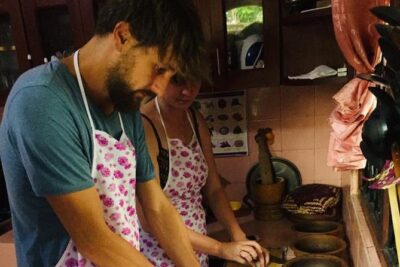
The husband-and-wife team is central to the appeal. Sajee usually explains the ingredients, techniques, and cultural background, while Suzy helps participants through the practical cooking. Their teamwork keeps the class moving and gives you more chances to receive help.
The tone is informal and welcoming. You cook, ask questions, and sit down together to eat what you have prepared. That shared meal is important. It lets you compare the finished dishes and understand how the separate curries work together with rice, sambol, and papadams.
The class also offers a window into the place of food in daily life. Sajee talks about ingredients and cooking habits, not just isolated recipes. That cultural context helps you recognize dishes on restaurant menus later in your trip and gives you a better idea of how a Sri Lankan meal is meant to be eaten.
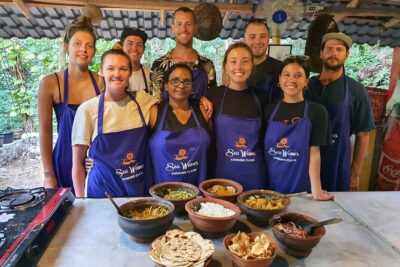
The small-group limit is a real advantage. A class of up to 10 is not private for every booking, but it is small enough for individual questions. If only a few people book your session, you may receive even more direct attention.
More Sigiriya and Dambulla trips:
- From Colombo: Sigiriya and Dambulla Day Trip with Safari
★ 4.7 · 842 reviews - From Kandy: Sigiriya Rock & Dambulla Cave Temple Adventure
★ 4.9 · 785 reviews - From Sigiriya: Minneriya National Park Private Jeep Safari
★ 4.9 · 415 reviews - From Sigiriya: Minneriya National Park Elephant Safari
★ 4.8 · 365 reviews
The setting and kitchen experience
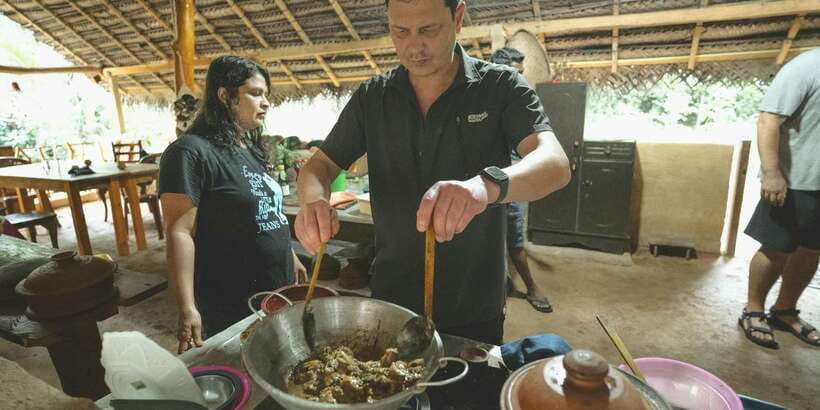
The cooking takes place in a setting described as an open garden house among trees. That gives the class a more relaxed feel than a formal indoor cooking school, and it suits the connection with fresh produce and outdoor Sri Lankan life.
The kitchen is set up for group cooking, with space for participants to work through the dishes. Cleanliness has also been praised, which is worth noting when you are handling many ingredients over several hours. The overall setting is part of the experience, but the quality of the lesson depends more on the instructors and the hands-on format.
A possible drawback is that an open setting may not appeal to everyone. If you need a highly polished, restaurant-style studio, this is not presented as that sort of class. Its strength is the friendly local atmosphere and practical instruction.
The activity is listed as wheelchair accessible. Since individual access needs can vary, it is sensible to confirm any specific requirements directly before booking.
Eating the meal you made
At the end, you sit down to eat the food prepared during the class. This is not a token tasting. The combination of rice, dhal, several vegetable curries, a meat or fish curry, sambol, a tempered dish, and papadams creates a substantial meal.
The variety is one reason the $36 price feels fair. You are not paying for one curry and a short demonstration. You are helping prepare a table of dishes, eating the result, and receiving instructions you can use later.
The meal also shows why Sri Lankan food is more interesting than the generic label of curry suggests. The dishes are designed to be mixed in different combinations, with each one bringing its own heat, sweetness, creaminess, or fresh coconut flavor. You leave with a better understanding of how a full meal is balanced.
Bring an appetite. The amount of food described by past participants is generous, and the final sitting is a major part of the activity rather than an afterthought.
Recipes you can actually use at home
Many cooking classes end when you leave the kitchen. Sajee’s class has more staying power because recipes and spice lists are sent as PDF documents afterward.
That follow-up material is valuable for two reasons. First, it helps you remember proportions and cooking steps once the holiday is over. Second, the class explains how to adapt dishes for vegetables, meat, and fish available in your home country.
You should still take your own notes if a particular technique catches your attention. Write down the spice combinations you prefer, how much chili suits you, and which vegetable substitutions make sense for your own kitchen. The PDFs give you a solid base, while your notes can record the personal adjustments made during class.
This is especially helpful for beginners. You do not need to arrive knowing the difference between a curry and a tempering method. The lesson builds your confidence through repeated preparation, tasting, and explanation.
Is $36 good value near Sigiriya?
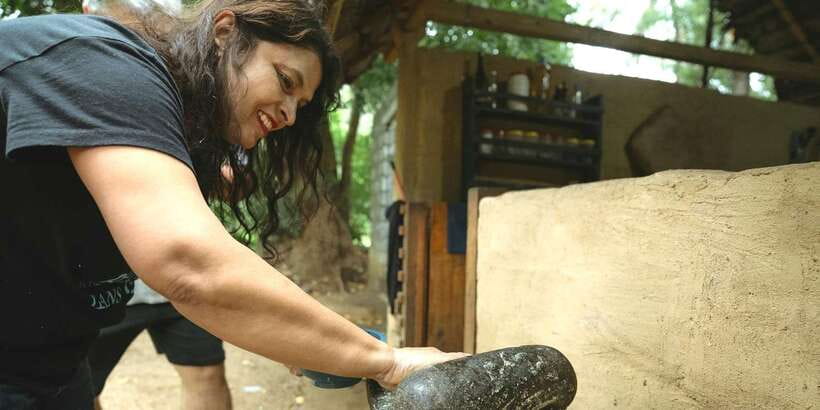
At $36 per person, the class costs more than simply ordering a local meal, but that is not the right comparison. You are paying for instruction, several dishes, the meal itself, unlimited bottled water, and recipe material for later use.
The value is strongest if you enjoy cooking or want a practical souvenir from Sri Lanka. You can recreate the meal at home, recognize more dishes on menus, and understand the role of spices instead of relying on guesswork.
It is also good value for families and couples who want an activity beyond the Sigiriya sights. Teenagers have taken part successfully, and beginners are not expected to arrive with advanced kitchen skills. The class combines food, conversation, and culture in one three-hour session.
The price may feel less worthwhile if you only want to taste food or if you dislike spending several hours cooking in warm conditions. In that case, a restaurant meal is simpler. For anyone curious about Sri Lankan cuisine, though, the amount of food and personal instruction make the fee reasonable.
Who should book Sajee’s Place?
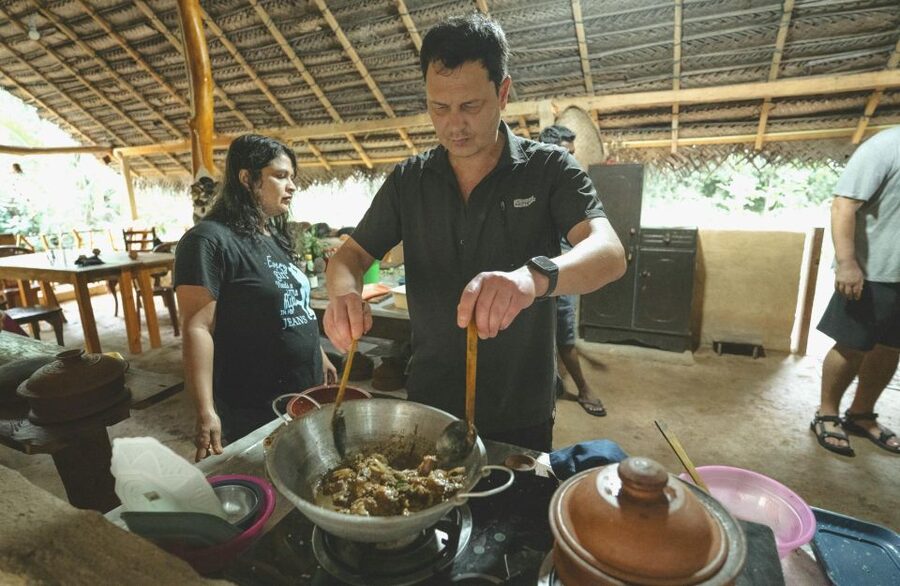
I would recommend this class to first-time visitors who want more than a standard sightseeing stop in Sigiriya. It gives you a direct way to learn about local food while spending time with a Sri Lankan couple.
It is especially suitable for:
- Couples looking for a shared activity
- Families with older children or teenagers
- Beginners who want clear, patient instruction
- Vegetarians who enjoy a wide selection of vegetable curries
- Home cooks interested in adapting Sri Lankan recipes
- Anyone unsure about Sri Lankan spice levels, since the heat can be adjusted
It may be less suitable if you want a very short activity, a fixed menu, or a purely observational demonstration. The class asks you to participate, chop, stir, prepare, and eat a full meal.
English is the listed teaching language. The group size is limited to 10, and the activity is wheelchair accessible. You can cancel up to 24 hours in advance for a full refund, and reserve now while paying later, which helps if your Sigiriya plans are still shifting.
My verdict: book it if food matters to you
Sajee’s Place Cooking Class is one of the better ways to spend three hours near Sigiriya if you want a real connection to Sri Lankan food. The strongest features are the number of dishes, the patient teaching from Sajee and Suzy, the fresh coconut and local ingredients, and the recipe PDFs that make the experience useful after you fly home.
I would book it if you want to cook, not simply watch. I would also book it for the generous final meal and the chance to ask practical questions about adapting curries to your own kitchen.
The main caution is simple: this is a full cooking session, not a quick cultural stop. Set aside the time, arrive ready to participate, and tell the instructors about your dietary needs or spice tolerance. If that sounds appealing, $36 buys a friendly lesson, a substantial Sri Lankan feast, and a set of recipes worth trying again at home.
FAQ
How long does Sajee’s Place Cooking Class last?
The cooking class lasts three hours.
How much does the cooking class cost?
The listed price is $36 per person.
What food will I prepare?
The class includes three vegetable curries, dhal curry, chicken curry or fish curry, one stir-fried or tempered dish, coconut sambol, rice, and papadams.
Is the class suitable for beginners?
Yes. The class is designed for complete beginners as well as people with more cooking experience, and the instructors guide you through each step.
Is the class taught in English?
Yes. English is the listed teaching language.
How many people can join the class?
It is a small-group class with a maximum of 10 participants.
Can the spice level be adjusted?
Yes. Spice tolerance can be adjusted during the cooking process.
Are recipes provided after the class?
Yes. Sajee sends PDF recipes and spice information so you can prepare the dishes at home.
Is bottled water included?
Yes. Unlimited bottled water is provided for everyone.
Just added in Sigiriya
- Day Tour Kandy to Sigiriya with Dambulla Cave Temple Excursion★ 5.0 · 3 reviews
- Dambulla, Sigiriya and Pidurangala Tour from Kandy★ 5.0 · 9 reviews
- 3 Days Tour to Sigiriya,Nuwaraeliya to Ella from Kandy★ 5.0 · 1 review
- A Full Day Sigiriya and Dambulla Private Tour★ 4.0 · 2 reviews
- 4 Days Tour to Sigiriya Nuwara Eliya Ella & Udawalawe From Kandy★ 5.0 · 1 review
- Sigiriya & Dambulla Day Tour from Kandy with free Guiding★ 5.0 · 1 review
- Sigiriya and Dambulla Day Tour from Kalutara All Inclusive★ 5.0 · 2 reviews
- Sigiriya Lion Rock & Dambulla Cave Temple (Full Package)★ 5.0 · 8 reviews
Cooking Classes, compared.
Organic cooking class sigiriya (kumara & family)
Read our review →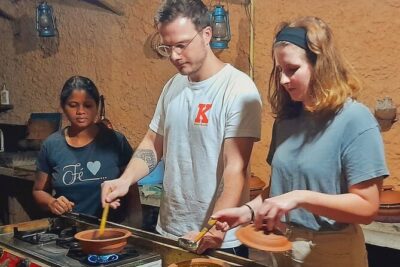
Sri Lankan Cooking Class with Neranji at Homestay
Read our review →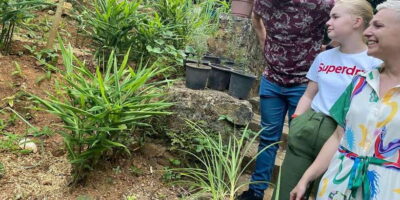
Browse the lists this tour appears in