
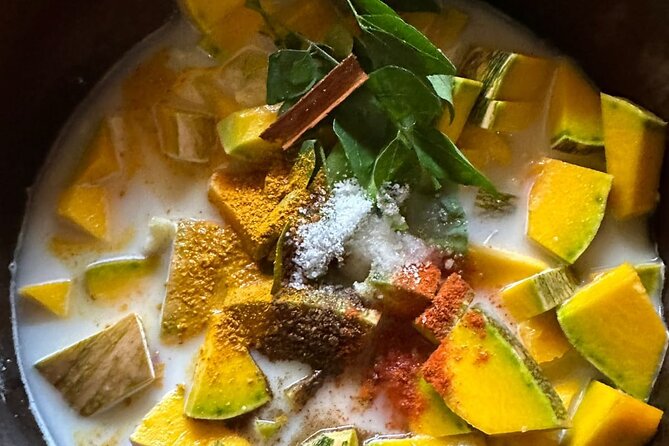
Review · COOKING CLASSES
Organic Cooking Class sigiriya home Kitchen(Kumara & family)
Come hungry, leave with recipes. This small cooking class takes you into Kumara’s family home in Sigiriya, where you gather garden vegetables, study homemade spices, and help prepare a traditional Sri Lankan meal. I like the direct connection with local family life, and I like that the food begins in the garden rather than at a market or restaurant. The main consideration is simple: this is a home-based class with a wood stove, not a polished cooking studio.
The experience lasts about two hours and costs $28, which is good value if you want more than a meal. You are not only eating curry. You are seeing how ingredients are grown, learning how spices are used, and taking part in a shared family routine. If you prefer air-conditioning, formal instruction, or a tightly timed demonstration, this may feel too informal.
In This Review
- Key things to know before you book
- Arriving at the family home in Kalapuraya
- Starting with the garden and local ingredients
- Learning Sri Lankan spices without the restaurant gloss
- Preparing a multi-dish curry meal
- Sitting down to eat what you helped make
- What the $28 price really gives you
- Who will enjoy this class most
- Timing, group size, and cancellation details
- Practical tips for a better visit
- Should you book Kumara’s family cooking class?
- FAQ
- Where does the cooking class take place?
- How long does the experience last?
- What does the class include?
- Are the ingredients organic?
- Is the cooking done in a modern kitchen?
- How many people can join?
- Does the activity end at the same place where it starts?
- Is public transportation available nearby?
- Are service animals allowed?
- Can I cancel for a full refund?
Key things to know before you book
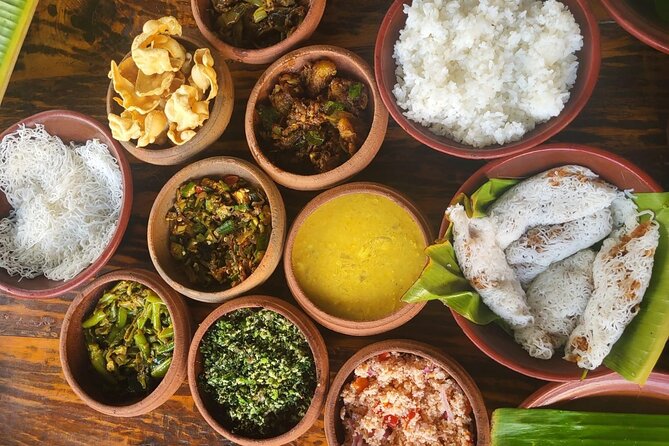
- Garden-to-table cooking: You help gather organic vegetables and herbs from the family’s own garden.
- A real family home: The class takes place at a private residence with Kumara and his family, not in a commercial kitchen.
- Homemade spice knowledge: You learn about Sri Lankan spices and the family’s own spice preparations.
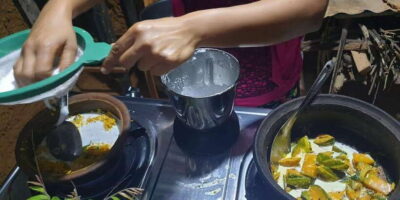
- Wood-stove cooking: Food is prepared in a traditional country-house setting over a wood stove.
- Small group size: The class accepts a maximum of 10 people, allowing for a more personal visit.
- Meal included in the experience: You sit down and enjoy the curry meal prepared during the class.
Arriving at the family home in Kalapuraya
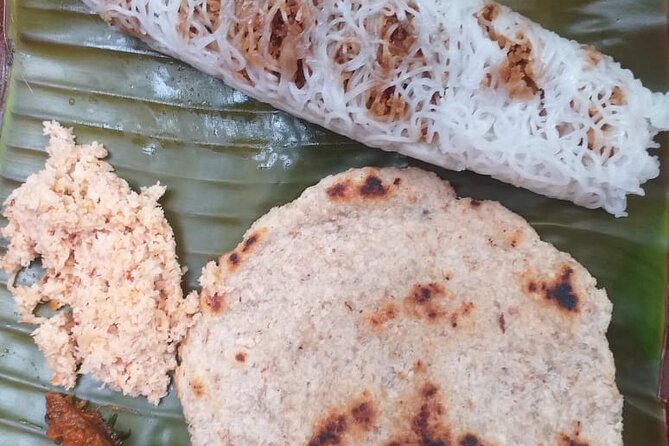
The meeting point is Organic Cooking Class Sigiriya, at 284 Kahatagahayaya, Kalapuraya, Sigiriya 21120. The activity begins and ends at this same address, which keeps the plan easy. You do not need to arrange a second pickup point or find your way to a restaurant afterward.
The location is near public transportation, though the information provided does not specify a bus stop, pickup service, or walking time from central Sigiriya. I would check your route before setting out and allow a little extra time for finding a private home in a village area. A mobile ticket is accepted, and booking confirmation arrives at the time of reservation.
The setting matters here. You are entering a working family home rather than a staged attraction. That can make the visit feel more personal, but it also means you should expect a modest, practical environment. The cooking area is built around a wood stove, so the experience may feel warm, smoky, and more rustic than a modern kitchen class.
More Cooking Classes in Sigiriya
- Organic cooking class sigiriya (kumara & family)
★ 5.0 · 650 reviews - Sajee’s Place Cooking Class
★ 5.0 · 237 reviews - Cooking Class: Sajee’s Place Cooking Class sigiriya
★ 5.0 · 117 reviews
Starting with the garden and local ingredients
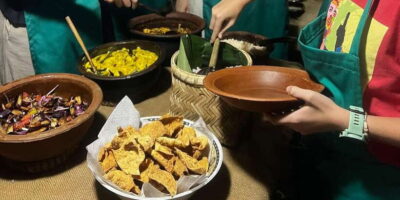
The class begins with a look at the family’s land. You gather vegetables and learn about the herbs and spices used in the meal. This is one of the best parts of the experience because it gives you a clear link between the soil, the kitchen, and the plate.
Sri Lankan cooking can look complicated when a finished meal arrives with several curries, rice, sambals, and side dishes. A garden visit helps break that meal into understandable pieces. You see that the food is not built around one mysterious curry powder. It depends on separate spices, fresh vegetables, herbs, and careful cooking.
The family describes the ingredients as organic, and the vegetables come from their garden. The spices are homemade as well. That detail gives the class a useful local focus. You are not simply copying a recipe. You are learning how this household makes use of what it grows.
The supplied details do not name every crop or herb you will see, so the garden will change with the season. That is part of the appeal. You might find the visit more interesting if you enjoy asking questions and looking closely rather than expecting a fixed display.
Learning Sri Lankan spices without the restaurant gloss
Spices are central to the class. The family explains their use in cooking, and the experience also touches on natural medication. One review describes the family sharing its ideas about cooking, herbs, natural remedies, and daily life. That wider conversation appears to be a major part of the welcome.
The value of this lesson is practical. You begin to understand why two curries can taste different even when they use similar vegetables. The balance comes from the way spices are combined and cooked, not only from adding heat. You also gain a better sense of how Sri Lankan home cooking differs from a restaurant version designed for a broad audience.
You should not expect a formal lecture with printed notes unless the family provides them on the day. The class is presented as a hands-on workshop in a home setting. That means the pace may follow the family’s cooking rhythm, and explanations may be conversational. For many people, that is exactly what makes the class appealing.
I especially like that the spice lesson connects cooking with family knowledge. The class presents food as part of everyday life, health, and hospitality. You get more context than you would from simply ordering a plate of curry.
Preparing a multi-dish curry meal
After gathering ingredients, you help prepare a traditional Sri Lankan meal. The description refers to a multi-dish curry lunch or dinner, so you should expect more than one finished dish. The exact menu is not fixed in the information provided, and it may depend on what is available in the garden.
That uncertainty is worth understanding before you book. You are not choosing from a menu or selecting a recipe in advance. The point is to work with the family’s ingredients and cooking methods. If you have strong dietary needs, explain them when booking and confirm what the kitchen can accommodate.
Cooking over a wood stove changes the feel of the class. Heat control is different from using an electric or gas range, and the process is tied to the home’s traditional setup. You may find this slower and less predictable than a professional demonstration. In return, you get a closer look at how a country household prepares food with the tools it actually uses.
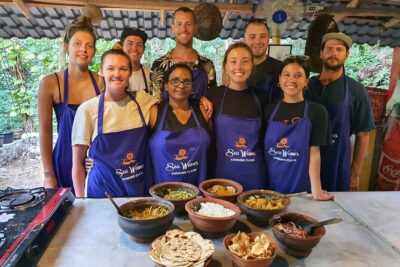
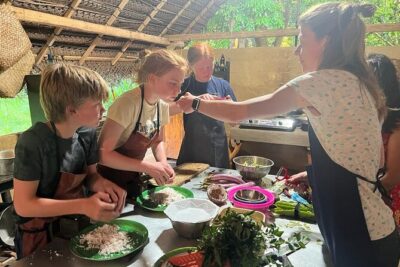
The group limit of 10 people is helpful here. A larger class could turn a small kitchen into a crowded viewing area. With no more than 10 participants, you have a better chance to see the preparation and take part. The activity still takes place in a private residence, so space may be limited even with a small group.
More Sigiriya and Dambulla trips:
- From Colombo: Sigiriya and Dambulla Day Trip with Safari
★ 4.7 · 842 reviews - From Kandy: Sigiriya Rock & Dambulla Cave Temple Adventure
★ 4.9 · 785 reviews - From Sigiriya: Minneriya National Park Private Jeep Safari
★ 4.9 · 415 reviews - From Sigiriya: Minneriya National Park Elephant Safari
★ 4.8 · 365 reviews
Sitting down to eat what you helped make
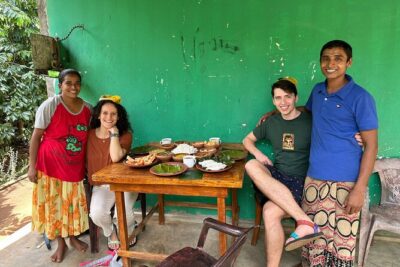
The class ends with the best possible cooking lesson: you eat the meal. After the preparation, you sit back and enjoy the food made with the garden vegetables and homemade spices.
This shared meal is where the visit becomes more than a recipe demonstration. You have seen the ingredients, handled the preparation, and watched the food cook over a wood stove. The final plate carries the story of the house and the family’s way of life.
The food is described as a traditional Sri Lankan curry meal with a village taste. That phrase should set your expectations. You are looking for home cooking, not fine dining or a carefully plated tasting menu. The appeal is freshness, family hospitality, and the satisfaction of eating food you helped prepare.
The warm welcome is a repeated strength of this experience. The family’s kindness and cheerful manner are central to the visit. One account describes feeling like part of the household for a short time, while another calls the class one of the strongest memories of a Sri Lanka trip. Those impressions point to a social experience as much as a culinary one.
If you are shy about joining a family meal, remember that this is the heart of the activity. The cooking is a bridge to conversation. You do not need to be an expert cook. Curiosity and a willingness to participate matter more.
What the $28 price really gives you
At $28, this class offers solid value if you want a personal cultural experience in Sigiriya. Your payment covers roughly two hours of instruction and participation, a garden visit, ingredient preparation, spice education, and the meal you help cook.
The price is especially fair when you compare it with a standard restaurant meal. A restaurant can feed you, but it cannot show you where the vegetables grow, how the household uses its spices, or how the meal comes together over a wood stove. Here, the food is only part of what you are buying.
The value depends on your priorities. If you want a long professional lesson with advanced techniques, the class may not meet your needs. The description focuses on traditional home cooking, family contact, and organic ingredients rather than chef-level training.
I would also see the $28 as a way to support a local household directly. The family hosts the class at its own home and shares its cooking practices with you. That direct setting can feel more meaningful than a large commercial food tour.
Who will enjoy this class most
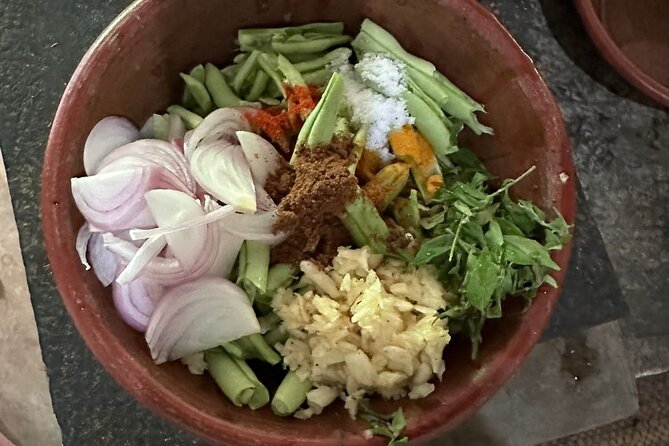
This experience suits you if you enjoy food, local homes, and informal conversation. It is a good match for couples, families, solo visitors, and small groups who want a relaxed activity away from the main sightseeing stops around Sigiriya.
You do not need to be a confident cook. The class is designed around helping with the preparation, learning about ingredients, and sharing the final meal. People who enjoy asking questions about herbs, spices, farming, and family life will get the most from it.
It also suits visitors who want a break from temples, ruins, and sightseeing. Sigiriya is famous for its ancient rock, but this class gives you a look at present-day village life. You spend time in a home, work with local ingredients, and share food in a setting that feels grounded and ordinary in the best sense.
The class may be less suitable for anyone who wants a highly structured culinary course. You should also think carefully if you are uncomfortable with a wood stove, a private home environment, or food that is prepared in a traditional rather than commercial kitchen.
Service animals are allowed, and public transportation is nearby. The supplied details do not give further accessibility information, so you should contact the provider if you need specific answers about the cooking area, seating, or movement around the home.
Timing, group size, and cancellation details
The experience takes about two hours, although it is described as a half-day organic cooking workshop in the general overview. Plan for at least the stated two-hour activity, and allow extra time for getting to the meeting point and settling into the family home.
The maximum group size is 10 people. That is small enough to keep the visit personal, though the private kitchen may still feel close during preparation. If you want the most relaxed experience, booking for a smaller party may help.
The activity ends back at the meeting point. There is no separate drop-off location included. You can use a mobile ticket, and confirmation is sent when you book.
Free cancellation is available if you cancel at least 24 hours before the local start time. Cancellations made less than 24 hours before the start are not refunded, and changes within that same period are not accepted.
Practical tips for a better visit
Wear clothes that are comfortable in a home kitchen and suitable for a warm cooking environment. The wood stove is an important part of the experience, so you should not expect the cool, controlled temperature of a modern culinary school.
Arrive ready to participate. The class is most rewarding when you help gather vegetables, listen to the spice explanations, and take part in preparing the dishes. If you only watch, you will miss much of the reason to choose this experience.
Tell the family about food restrictions before the class if possible. The information confirms a traditional curry meal but does not list a fixed menu or specific dietary options.
Keep your expectations flexible. The garden, vegetables, pace, and exact dishes may vary. That is not a flaw in a home cooking visit. It is part of seeing how a family cooks with what it has.
Should you book Kumara’s family cooking class?
I would book this class if you want a warm, personal introduction to Sri Lankan food and village life. The strongest reasons are the garden-to-table approach, homemade spices, wood-stove cooking, and the chance to eat with the family after helping prepare the meal.
Choose it with the right expectations. This is not a sleek studio, a formal chef school, or a long technical course. It is a roughly two-hour visit to a family home, with practical cooking, local ingredients, and generous hospitality.
For $28, that is a worthwhile exchange. You leave with a fuller understanding of Sri Lankan food and, quite possibly, a favorite memory from Sigiriya that has nothing to do with a monument.
FAQ
Where does the cooking class take place?
It takes place at Organic Cooking Class Sigiriya, at 284 Kahatagahayaya, Kalapuraya, Sigiriya 21120, Sri Lanka.
How long does the experience last?
The activity lasts approximately two hours. It is also described as a half-day organic cooking workshop.
What does the class include?
You gather ingredients from the garden, learn about Sri Lankan herbs and spices, help prepare a multi-dish curry meal, and sit down to enjoy the food.
Are the ingredients organic?
The vegetables are described as organic and harvested from the family’s garden. The spices are homemade.
Is the cooking done in a modern kitchen?
No. The class takes place at a private residence, and the family cooks using a wood stove.
How many people can join?
The activity accepts a maximum of 10 people.
Does the activity end at the same place where it starts?
Yes. The activity ends back at the meeting point.
Is public transportation available nearby?
The meeting point is near public transportation.
Are service animals allowed?
Yes. Service animals are allowed.
Can I cancel for a full refund?
Yes, if you cancel at least 24 hours before the experience begins, based on the local start time. Cancellations or changes made less than 24 hours in advance are not accepted for a refund.
Just added in Sigiriya
- Day Tour Kandy to Sigiriya with Dambulla Cave Temple Excursion★ 5.0 · 3 reviews
- Dambulla, Sigiriya and Pidurangala Tour from Kandy★ 5.0 · 9 reviews
- 3 Days Tour to Sigiriya,Nuwaraeliya to Ella from Kandy★ 5.0 · 1 review
- A Full Day Sigiriya and Dambulla Private Tour★ 4.0 · 2 reviews
- 4 Days Tour to Sigiriya Nuwara Eliya Ella & Udawalawe From Kandy★ 5.0 · 1 review
- Sigiriya & Dambulla Day Tour from Kandy with free Guiding★ 5.0 · 1 review
- Sigiriya and Dambulla Day Tour from Kalutara All Inclusive★ 5.0 · 2 reviews
- Sigiriya Lion Rock & Dambulla Cave Temple (Full Package)★ 5.0 · 8 reviews
Cooking Classes, compared.
Organic cooking class sigiriya (kumara & family)
Read our review →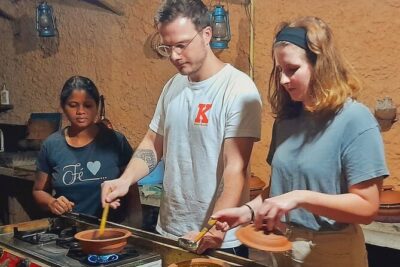
Sri Lankan Cooking Class with Neranji at Homestay
Read our review →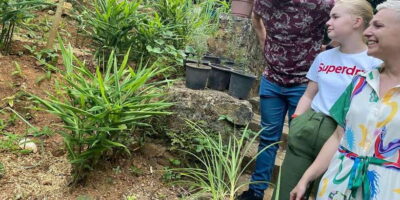
Browse the lists this tour appears in