
Review · COOKING CLASSES
Galle: Sri Lankan Cuisine Cooking Experience
Come hungry, leave with new kitchen skills. This three-hour cooking class in Kotapola gives you a close look at Sri Lankan home cooking, with a local family guiding you through the work in their own kitchen. I like the hands-on preparation, especially grinding fresh coconut for sambol and rolling roti by hand. I also like the warm welcome, which begins with an oil-lamp lighting ceremony and a flower bouquet.
The main consideration is transport. Your $40 ticket covers the class, ingredients, ceremony, and shared meal, but getting to Galle House is up to you. You should also be comfortable eating with your hands on a banana leaf, although utensils are available if you ask.
In This Review
- Key points to know before you book
- Arriving at Galle House in Kotapola
- Cooking beside a Sri Lankan family
- Grinding coconut for sambol
- Rolling roti by hand
- Sharing the finished meal on a banana leaf
- What the $40 price includes
- Who will enjoy this cooking class most
- Practical tips for a smoother visit
- Should you book the Galle cooking experience?
- FAQ
- Where does the Sri Lankan cooking class take place?
- How long does the experience last?
- What is included in the price?
- Is transportation included?
- Do I have to eat with my hands?
- What should I wear?
- Can I cancel the booking?
Key points to know before you book
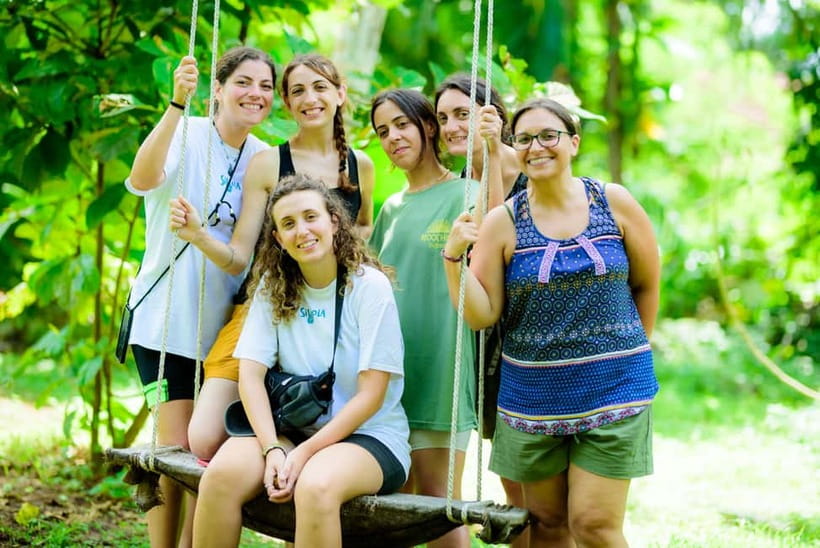
- The class takes place in a family kitchen: You cook beside a local host rather than watching a formal demonstration from a distance.
- The welcome includes an oil-lamp ceremony: A flower bouquet and traditional greeting give the visit a personal start.
- Fresh coconut is ground by hand: You help make sambol in the old-fashioned way, with plenty of texture and effort.
- Roti is rolled by hand: This is a simple task, but it gives you a direct feel for Sri Lankan flatbread making.
- The meal is eaten on a banana leaf: Using your hands is part of the experience, and utensils can be provided on request.
- The setting is private: You get a private group and an English-speaking instructor, making it easier to ask questions as you cook.
Arriving at Galle House in Kotapola
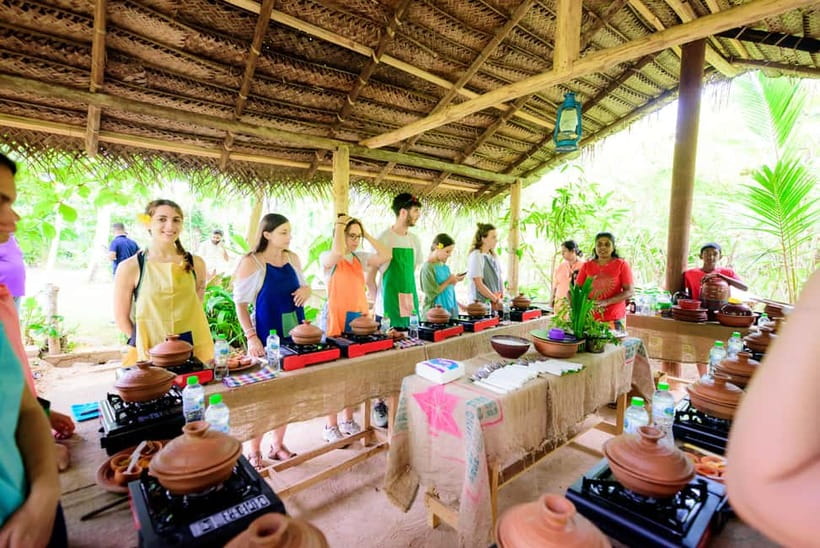
The experience starts with a welcome at Galle House, in Kotapola near Galle. Since transportation is not included, plan your route before the day begins. The host asks you to send a message and confirm the date at least one day ahead, so do not treat your booking as the final word. A quick confirmation helps avoid a wasted journey.
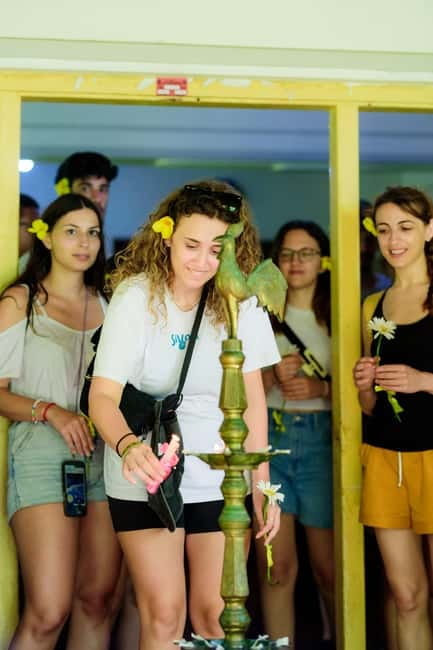
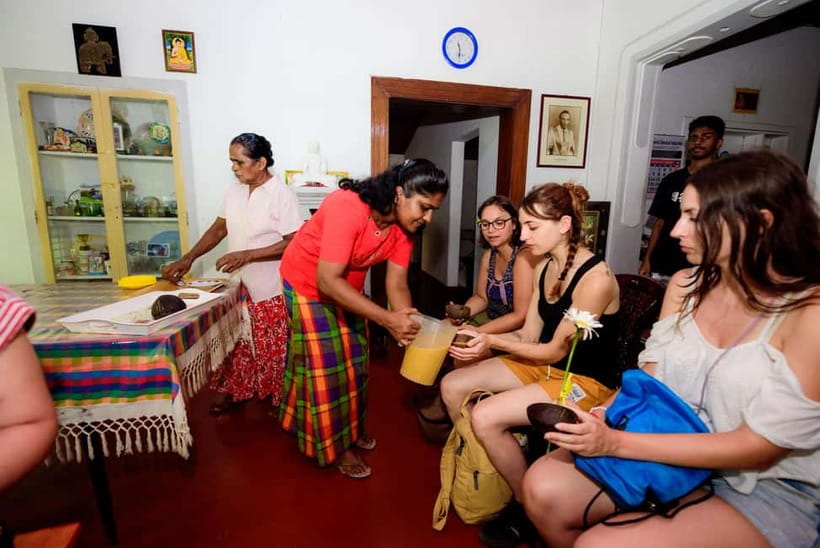
The opening ceremony is more than a quick hello. You take part in lighting a traditional oil lamp and receive a flower bouquet. This gives the visit a clear sense of place before the cooking begins. It also sets a friendly tone, which matters in a private home setting.
I like this kind of opening because it marks a difference between eating at a restaurant and being welcomed into a family space. You are not simply handed a menu and shown to a table. You begin by taking part in a small local custom, then move into the kitchen with your hosts.
The ceremony may not appeal to someone who wants to get straight to the food. If your main goal is speed, this will feel like an extra step. If you enjoy meeting people and learning how a household shares food, it adds meaning to the three-hour visit.
More Cooking Classes in Galle
- Sea waves sri lankan cooking class
★ 5.0 · 467 reviews - Galle Unawatuna Cooking Class
★ 5.0 · 142 reviews - Galle Fort cooking class
★ 5.0 · 60 reviews
Cooking beside a Sri Lankan family
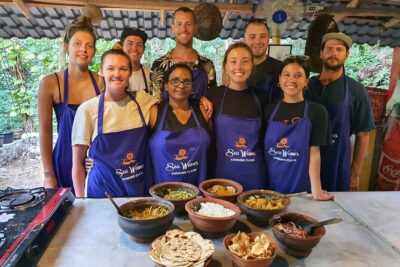
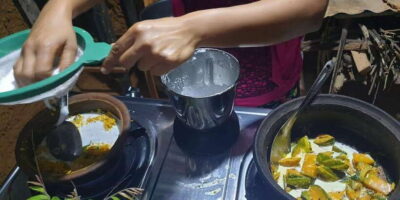
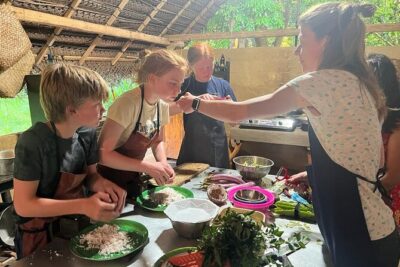
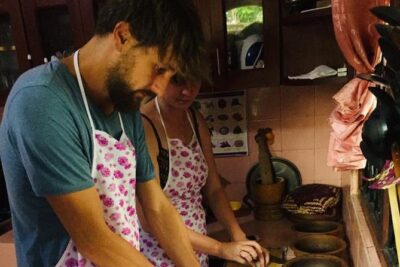
The heart of the class takes place in the family kitchen. You work with an English-speaking host and prepare traditional Sri Lankan dishes using the ingredients supplied for the lesson. The emphasis is on doing the work yourself, not standing back while someone else cooks.
That difference affects the value of the class. You are not paying only for a meal. You are paying for time with a local host, instruction, ingredients, and the chance to repeat some of the methods at home. The class is especially useful if you want to understand how Sri Lankan food comes together rather than simply taste the finished dishes.
You can expect the kitchen to smell of spices as the cooking gets underway. The available details do not list every dish on the menu, so you should not book with the expectation of a specific curry or dessert. The focus is on traditional home cooking, with the exact dishes prepared as part of the class.
That flexibility can be a plus. Home meals are not always built around a fixed restaurant menu, and the lesson may feel more natural because of it. At the same time, anyone with strict dietary needs should contact the host before the date and ask what can be prepared.
The class is private, which is a real advantage. You can ask questions without calling across a busy room, and the host can explain the ingredients and preparation at a comfortable pace. A private format also works well for couples, families, or a small group of friends who want a shared activity.
One family welcomed Tom, his partner, and their four-year-old son, so the setting can suit families with young children. Still, cooking requires attention, and the kitchen may not hold a child’s interest for the full three hours. Parents should decide how much hands-on participation will work for their child.
Grinding coconut for sambol
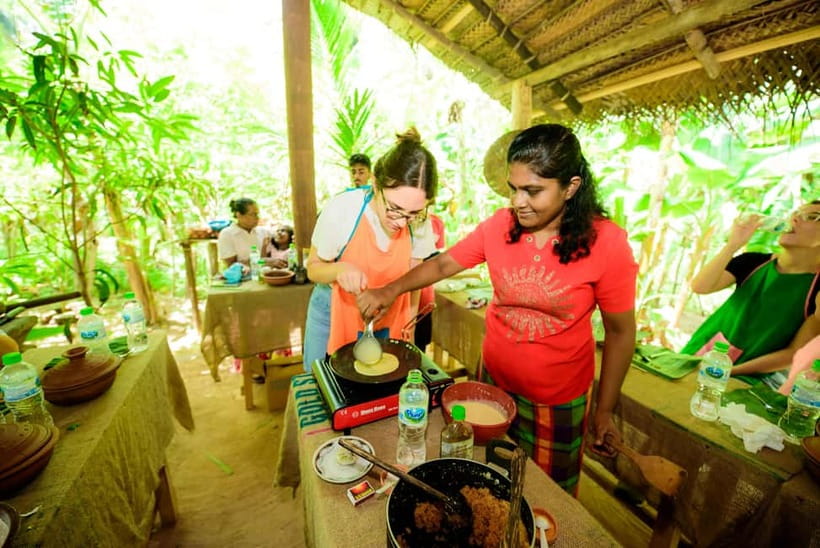
The most distinctive task is grinding fresh coconut to make sambol. This is the kind of small kitchen job that tells you more than a polished cooking show ever could. You feel the work involved, see how a basic ingredient changes, and learn that sambol is not simply something scooped from a jar.
Your host guides you through the process and explains how the ingredients are prepared. The activity gives the class a practical rhythm: prepare, grind, mix, taste, and adjust. The exact seasonings are not specified, so you should listen closely during the lesson and ask questions as you go.
I like this part because it connects the final dish to the labor behind it. Fresh coconut has a different character from a packaged substitute, and making sambol by hand gives you a better sense of its texture. It is also a useful skill to take home, provided you can find suitable ingredients and equipment.
This is not a cooking class built for people who want to keep their hands clean. You will be handling food and working in the kitchen, so wear comfortable clothing. An apron is provided at the start, but an apron will not protect every part of an outfit.
Rolling roti by hand
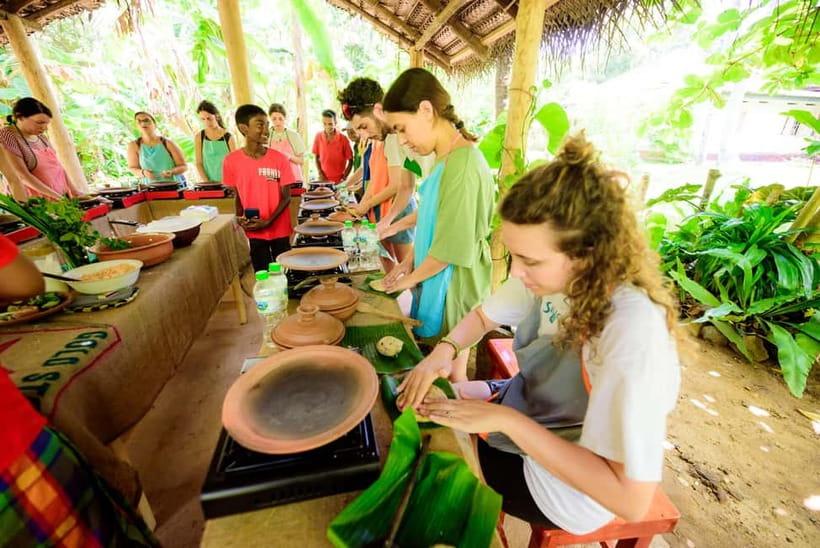
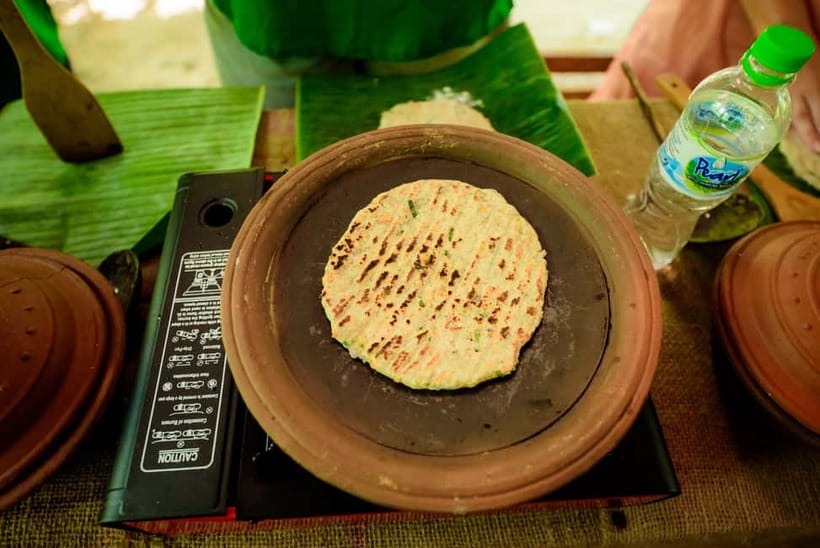
You also roll roti by hand. It is an uncomplicated task, but it offers a clear lesson in how a familiar flatbread is shaped before cooking. Your host can explain the steps while you work, and you get the satisfaction of seeing your own dough become part of the meal.
The task suits beginners because you do not need professional kitchen experience. You can ask for help, watch the host, and try again. That relaxed approach is important in a private class, where the point is learning rather than producing restaurant-perfect food.
Do not expect every roti to look identical. That is part of the fun. The class is built around shared effort, stories, and laughter, not a test of technical skill. If your first piece comes out a little uneven, it still tastes better because you helped make it.
The instruction appears to be particularly strong. Malika and Sanuth are named as hosts, and their explanations of the cooking steps were praised for being clear and helpful. Other feedback also points to patient guidance and a kind, accommodating family. You should feel free to ask about ingredients, techniques, and the reasons behind each step.
A different kind of day out entirely:
- Whales and Dolphins Watching-Luxury Super Grade Cruiser(Hotel Pick up offered)
★ 5.0 · 1,268 reviews - Galle: Traditional Gems & Jewellery Workshop with Transfers
★ 4.9 · 539 reviews - Galle Fort Walking tour
★ 4.9 · 285 reviews - Snorkeling with Turtles in Mirissa
★ 5.0 · 268 reviews
Sharing the finished meal on a banana leaf
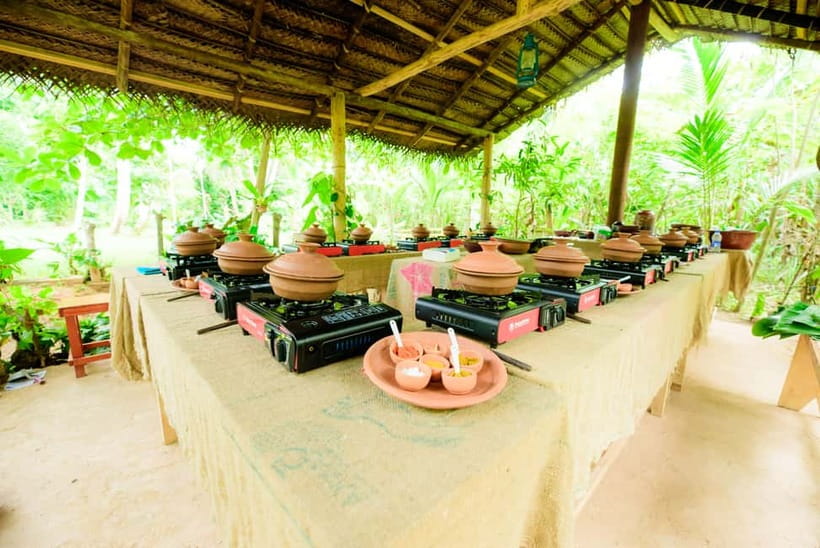
Once the dishes are ready, you sit down with the host family and eat the food you prepared. The meal is served in the traditional way, on a banana leaf, and eating with your hands is part of the experience.
For many people, this will be the most memorable part of the visit. The food is no longer an abstract demonstration. You have handled the ingredients, made the sambol, rolled the roti, and now sit together to enjoy the result. Conversation and laughter continue at the table, giving the meal a social quality that a standard restaurant visit rarely provides.
Eating with your hands may feel unfamiliar at first. The activity allows utensils if you request them, so you do not need to force yourself into a custom that makes you uncomfortable. If you do want to try, your host can guide you through the basic approach.
A banana leaf also changes the feel of the meal. It is informal, direct, and tied to local eating traditions. You should come ready to participate rather than expecting restaurant-style service. The food is the focus, and the family meal is part of the lesson.
The strongest praise for this activity centers on the hosts and the food. One family described the day as the best part of a trip to the area, while another called the hosts welcoming, kind, and easy to learn from. That repeated focus matters because a home cooking class depends heavily on the people leading it.
What the $40 price includes
At $40 per person, the value depends on how much you want from the visit. You receive a three-hour private cooking lesson, all ingredients, an English-speaking instructor, a welcome ceremony, a flower bouquet, and a meal shared with the host family.
Compared with paying for a meal alone, the class gives you much more time and participation. You are buying an activity as well as lunch or dinner. The private format makes the price more appealing for a small group that values personal attention.
The cost is less attractive if you only want to sample Sri Lankan food quickly. A restaurant meal would likely take less time and require less planning. This class makes sense when you want conversation, instruction, and a direct connection with the people preparing the food.
Personal expenses and transport are not included. Keep those costs in mind when comparing the total price with other things to do around Galle. You also need to confirm the date ahead of time, which is a small but important part of planning.
The reserve-now-and-pay-later option gives you some flexibility. You can hold your place without paying immediately, and free cancellation is available up to 24 hours before the activity for a full refund. Check the exact starting time when booking, since the class has a three-hour length but no single start time listed.
Who will enjoy this cooking class most
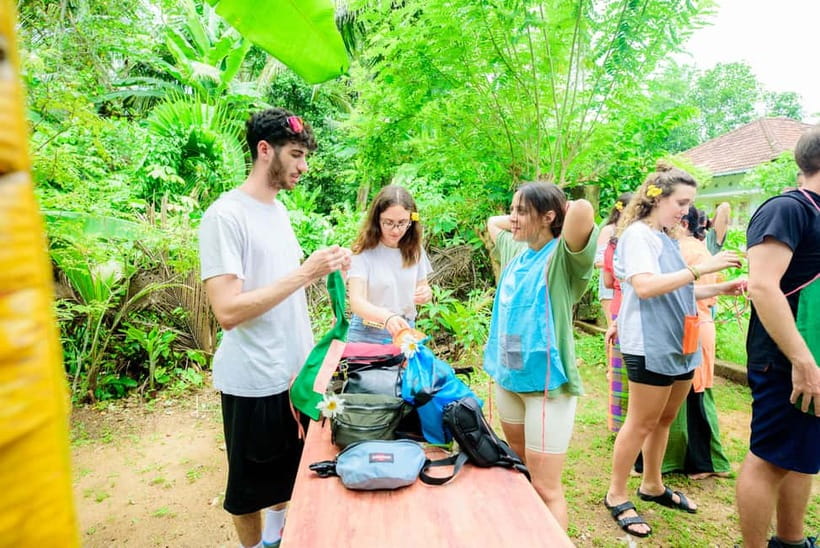
I would choose this experience if you want a personal encounter with Sri Lankan food and family life. It suits people who enjoy learning by doing, asking questions, and spending a relaxed meal with local hosts.
It is also a good choice for families. The welcome and meal provide more variety than a standard sightseeing stop, and a young child can take part in simple tasks with adult help. The three-hour duration may be long for some children, so parents should consider their child’s patience and interest in food preparation.
Couples and small private groups should find the format comfortable. You get space to interact with the host rather than compete for attention in a large class. English is the teaching language, so you can expect the main explanations to be delivered in English.
This may not suit you if you dislike communal meals, hands-on kitchen work, or unfamiliar eating customs. It also may not be the best choice if you need a precisely specified menu. Contact the host before booking if ingredients or dietary restrictions are important to you.
Practical tips for a smoother visit
Send a message and confirm your date no later than the day before. This is especially important because you are visiting a family home and arranging your own transportation.
Wear comfortable clothing that you do not mind wearing in a kitchen. An apron is provided, but practical clothes are still the sensible choice.
Arrive ready to participate. The best parts involve grinding coconut, rolling roti, and helping prepare the food, so this is not a sit-back-and-watch demonstration.
Ask for utensils if eating with your hands is not comfortable. The option is available, and using a fork or spoon does not prevent you from enjoying the meal or learning the cooking methods.
Leave room for conversation. The stories and laughter shared over the meal are part of what makes this different from a standard food stop. If you rush through the cooking, you miss much of the point.
Should you book the Galle cooking experience?
Book it if you want more than a meal. For $40, you get a private, three-hour introduction to Sri Lankan home cooking, practical tasks with fresh ingredients, and time with an English-speaking family host. The oil-lamp welcome, coconut grinding, hand-rolled roti, and banana-leaf meal give the visit a clear local character.
I would be especially keen to recommend it to couples, families, and small groups who value personal contact. The warm welcome from Malika, Sanuth, and their family is a major part of the appeal, and the food instruction is explained in a way beginners can follow.
Think twice if you want a fixed menu, included transportation, or a quick meal with no ceremony. For everyone else, this is a thoughtful use of three hours near Galle, with skills and memories to take home along with a full stomach.
FAQ
Where does the Sri Lankan cooking class take place?
The class takes place at Galle House in Kotapola, Sri Lanka.
How long does the experience last?
The cooking experience lasts three hours. Starting times vary, so check availability when booking.
What is included in the price?
The price includes a traditional Sri Lankan cooking class, an English-speaking instructor, all cooking ingredients, a meal with the host family, an oil-lamp welcome ceremony, and a flower bouquet.
Is transportation included?
No. Transportation to and from Galle House is not included, so you need to arrange your own way there.
Do I have to eat with my hands?
Eating with your hands on a banana leaf is part of the traditional meal. Utensils can be provided if you request them.
What should I wear?
Wear comfortable clothing suitable for cooking. An apron is provided when the lesson begins.
Can I cancel the booking?
You can cancel up to 24 hours in advance for a full refund. The reserve-now-and-pay-later option lets you book without paying immediately.
Just added in Galle
- Sri Lankan Cooking with Tricks★ 5.0 · 1 review
- Private Transfer and Whale Watching Tour from Hikkaduwa and Galle★ 5.0 · 1 review
- Udawalawa National Park Safari trip from Hikkaduwa/Galle/Weligama★ 4.5 · 7 reviews
- Surfing Lessons★ 4.5 · 7 reviews
- Airport Transfer by Hikkaduwa Taxi Service★ 5.0 · 5 reviews
- Sinharaja Rainforest Trip★ 5.0 · 7 reviews
- One Day Udawalawe Safari from Galle/Mirissa/Unawatuna/Hikkaduwa★ 5.0 · 10 reviews
- Hikkaduwa/ Galle/ Mirissa : With Udawalawe safari – Day trip★ 5.0 · 2 reviews
Cooking Classes, compared.
Organic cooking class sigiriya (kumara & family)
Read our review →
Sri Lankan Cooking Class with Neranji at Homestay
Read our review →
Browse the lists this tour appears in