
Review · COOKING CLASSES
Galle: Traditional Sri Lankan Cooking Class
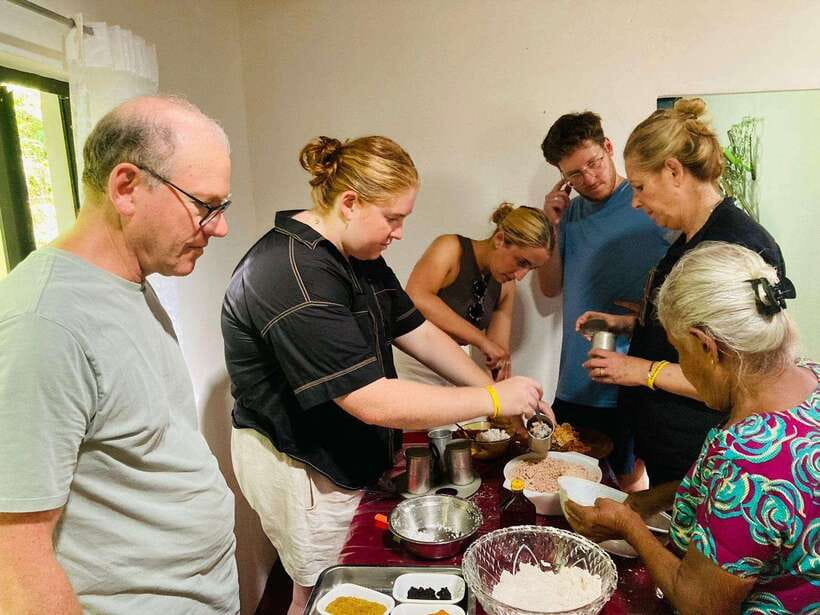
Sri Lankan food is best learned at the stove. This three-hour class in Kotapola, near Galle, brings you into a local family kitchen, where you work with fresh ingredients, prepare traditional dishes, and eat the finished meal together. I like the family setting and the chance to learn how spice mixes are made, not just follow a polished demonstration. The included welcome drink, dessert, and full lunch or dinner also make the $40 price feel fair.
The main point to understand is that this is not a slow, step-by-step cooking school where you prepare every dish alone. You will cut ingredients, add spices, assist with the cooking, and learn by watching the host take the lead. If you want to master every recipe independently, that may disappoint you. If you want a warm cultural visit with excellent food, it is a strong choice.
In This Review
- Key points to know before you book
- A family kitchen instead of a cooking studio
- What happens during the three hours
- Spices, vegetables, and the logic of Sri Lankan cooking
- The hosts are the main reason to go
- How good is the meal for $40?
- Getting to Kotapola and finding the meeting point
- The food is best for people who arrive hungry
- Who will enjoy this class most
- Booking details worth noting
- Should you book this Galle cooking class?
- FAQ
- Where does the Sri Lankan cooking class take place?
- How long does the cooking class last?
- What is included in the $40 price?
- Is hotel pickup included?
- Can I request vegan food or report an allergy?
- Can I cancel the booking?
Key points to know before you book
- Cook in a real family kitchen: The class takes place in the host family’s own home rather than a purpose-built studio.
- Learn spice mixes as well as recipes: The session can include explanations of local spices and how they are combined.
- Expect a generous meal: Lunch or dinner, desserts, and a welcome drink are included, so arrive hungry.
- The host family is the heart of the experience: Malik and his mother, along with Chef Manogi, have been praised for their warmth and patient guidance.
- This is a private three-hour session: You receive direct attention, with English used throughout the class.
- Plan your arrival carefully: Hotel transfers are not included, and you should arrive 15 minutes early with directions arranged in advance.
A family kitchen instead of a cooking studio
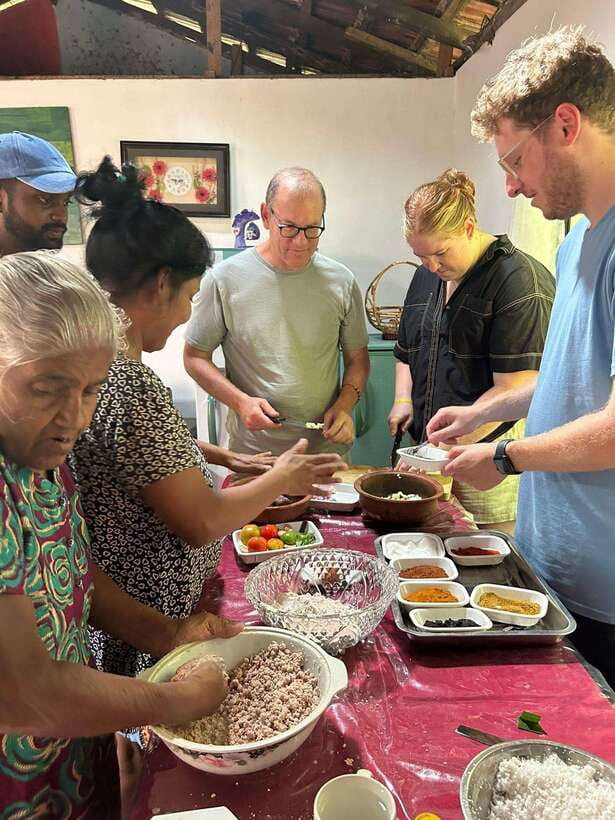
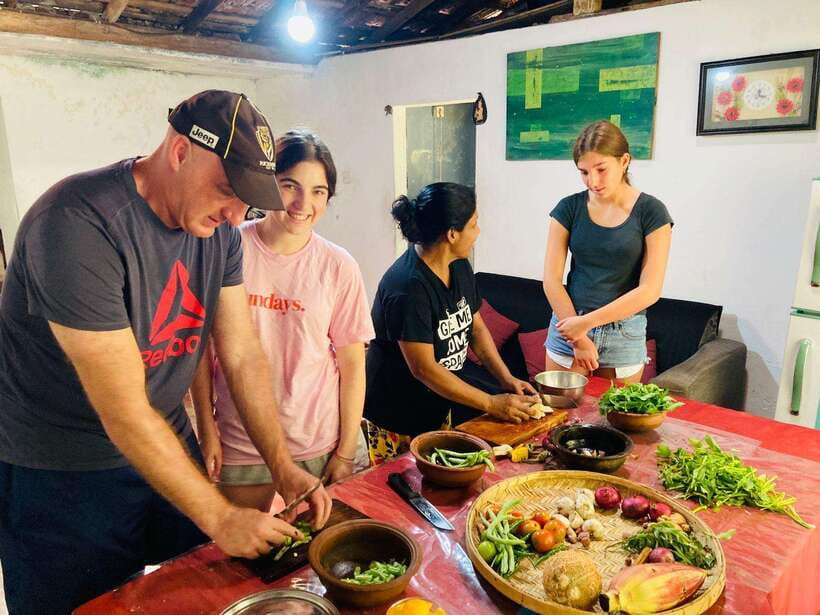
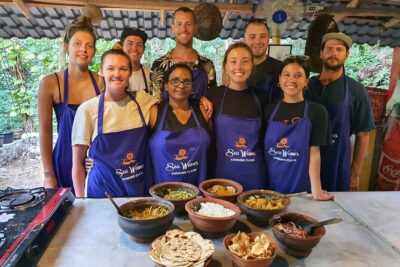
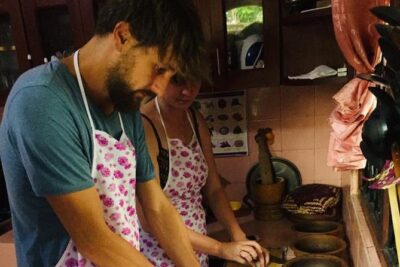
The setting does much of the work here. You are not entering a formal classroom with rows of identical workstations. You are visiting a local home in Kotapola, in the wider Galle area, and cooking in the family kitchen.
That difference matters. A commercial cooking school can be tidy and efficient, but a home kitchen gives you a closer look at how food is prepared in daily life. You can ask about ingredients, watch the host move through familiar routines, and see how a meal comes together in a working household.
The welcome is part of the experience. One participant was served fresh watermelon juice on arrival, while another was offered buffalo curd with treacle after the meal. These small touches help the class feel like a visit to someone’s home rather than a paid lesson that ends when the timer rings.
You should still keep your expectations sensible. The available details do not promise a tour of the house, a market visit, or a large selection of cooking stations. The focus is the kitchen, the food, and time with the family.
More Cooking Classes in Galle
- Sea waves sri lankan cooking class
★ 5.0 · 467 reviews - Galle Unawatuna Cooking Class
★ 5.0 · 142 reviews - Galle Fort cooking class
★ 5.0 · 60 reviews
What happens during the three hours
The class lasts about three hours, though starting times depend on availability. You should arrive 15 minutes before the scheduled start, especially because the meeting point may be easier to find with a map or a phone call for directions.
The session begins with an introduction to the ingredients and the general plan for the meal. Sri Lankan cooking often depends on the balance of spices, vegetables, coconut, and heat, so this opening helps you understand what each item is doing rather than treating every spice as a mystery powder.
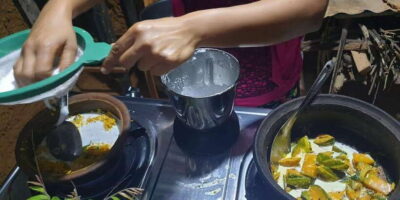
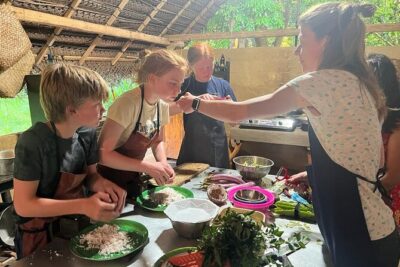
You then take part in practical tasks. These may include cutting vegetables, preparing ingredients, adding spices, and helping with different stages of the cooking. The important distinction is that the host handles much of the main cooking. You are assisting and learning alongside the chef, rather than producing every dish from start to finish by yourself.
That arrangement suits many people. You get to see an experienced cook work at a natural pace, and you avoid spending the entire session measuring and waiting for one dish to finish. It also means you can pay attention to technique, texture, and timing.
The class has included as many as eight vegan dishes when requested in advance. That does not mean every booking will feature eight dishes, but it shows how substantial the meal can be and how the menu may be adapted for dietary needs.
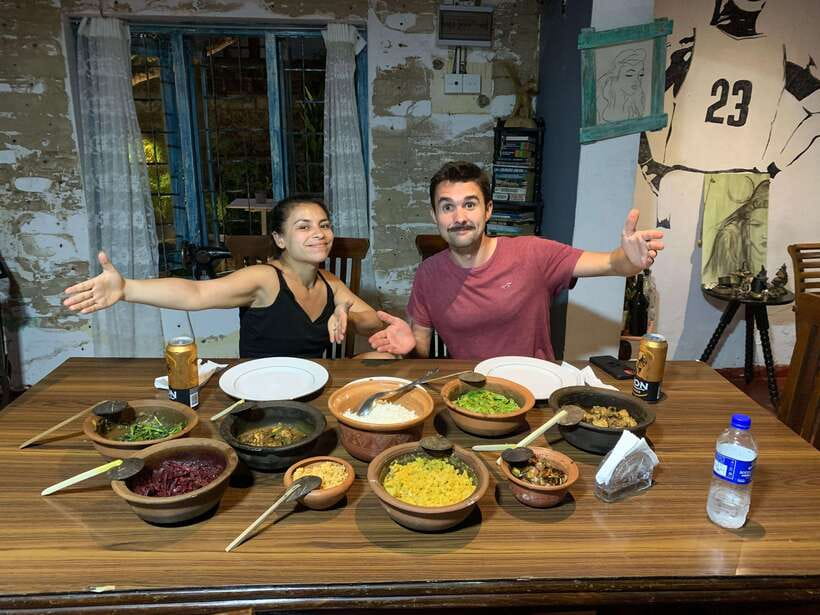
At the end, you sit down to eat what has been prepared. Dessert is included, and the meal gives you a chance to taste the combined effect of the spices and cooking methods you have just studied. For me, that shared table is the natural finish to the class. You are not simply handed a recipe card and sent away.
Spices, vegetables, and the logic of Sri Lankan cooking
The useful part of this class is not only learning the names of dishes. You also get a sense of how Sri Lankan cooks build flavor.
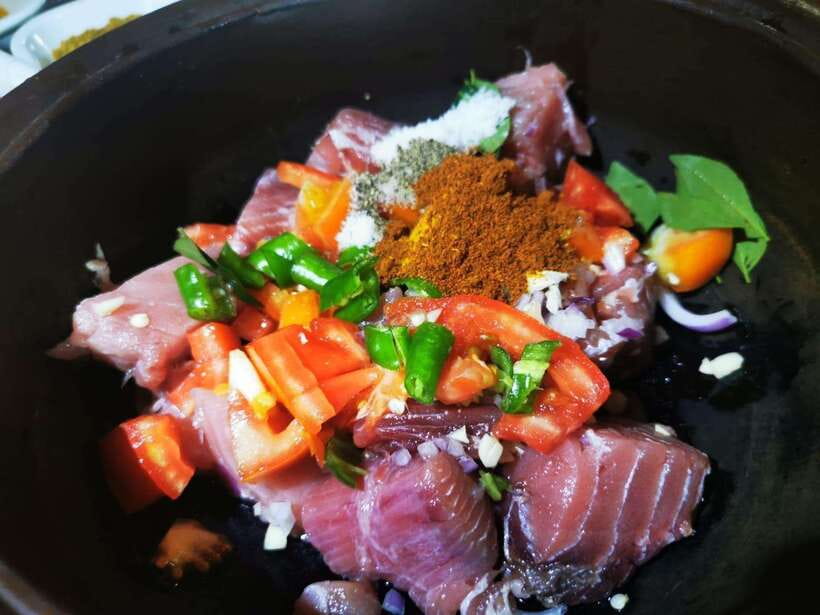
The session covers aromatic spices and tropical vegetables, with attention to the cultural role of ingredients. You can expect explanations about how spice mixtures are made and used. This is especially helpful if you have eaten Sri Lankan food in restaurants but never understood why the flavors taste so layered.
The class may also suit people who want to eat less meat. One couple requested a fully vegan menu and cooked eight different vegan dishes using fresh local ingredients. You must notify the hosts ahead of time about dietary needs or allergies, but that example shows that the kitchen can respond to specific requests.
Do not assume every request can be met at the last minute. A cooking class needs time to buy and prepare the right ingredients, so send your restrictions before the session. This is one of the few practical details that can make a large difference to your meal.
You should also wear clothing and shoes that are comfortable for cooking. The advice is simple, but useful. Sri Lankan dishes can involve spices, chopping, and hands-on preparation, so your best sightseeing outfit is not necessarily your best kitchen outfit.
The hosts are the main reason to go
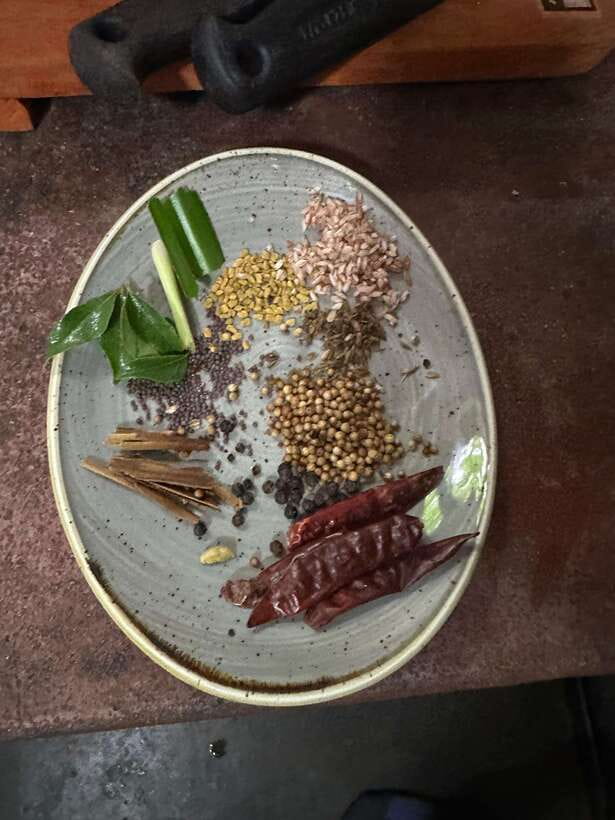
The food is important, but the family connection is what gives this activity its character. Malik and his mother have been praised for making people feel at home, and Chef Manogi has also received warm praise for her cooking and friendly manner.
That personal welcome seems to shape the whole session. You are not just watching a cook perform. You are working with people who are happy to explain their food and share something about local customs.
The English instruction is another advantage. You can ask questions directly, and the class is designed for English-speaking participants. That does not mean every cooking term will be familiar at once, but it removes a major barrier when you want to ask why a spice is added at a particular moment.
The private-group format should appeal to couples, families, and small groups who prefer personal attention. It also makes the experience more comfortable for people who do not enjoy performing in front of strangers.
There is one limitation. The details do not specify the maximum group size or guarantee that every booking will have the same named host. The family connection is central, but the exact menu and staff arrangement may vary.
A different kind of day out entirely:
- Whales and Dolphins Watching-Luxury Super Grade Cruiser(Hotel Pick up offered)
★ 5.0 · 1,268 reviews - Galle: Traditional Gems & Jewellery Workshop with Transfers
★ 4.9 · 539 reviews - Galle Fort Walking tour
★ 4.9 · 285 reviews - Snorkeling with Turtles in Mirissa
★ 5.0 · 268 reviews
How good is the meal for $40?
At $40 per person, this is not the cheapest way to eat in Sri Lanka. Local restaurants and small cafés can provide a filling meal for much less.
That comparison does not tell the whole story. The price includes a three-hour activity, a local culinary expert, ingredients, cooking equipment, a welcome drink, the meal you prepare, and desserts. You are paying for food plus instruction and time inside a local home.
The value is strongest if you would otherwise pay for a meal and a separate cultural activity. Here, those two things are combined. You also leave with practical ideas about spice mixes and preparation methods, even if you do not cook every dish independently.
The value is weaker if you want a formal cooking qualification, a printed recipe collection, or a market-to-table class. None of those extras are promised. You should think of this as a personal food experience, not a professional course.
I would also compare the price with your other Galle activities. If you already have several organized cultural visits planned, this class offers a different pace and setting. Three hours is long enough to feel worthwhile but short enough to fit around other plans.
Getting to Kotapola and finding the meeting point
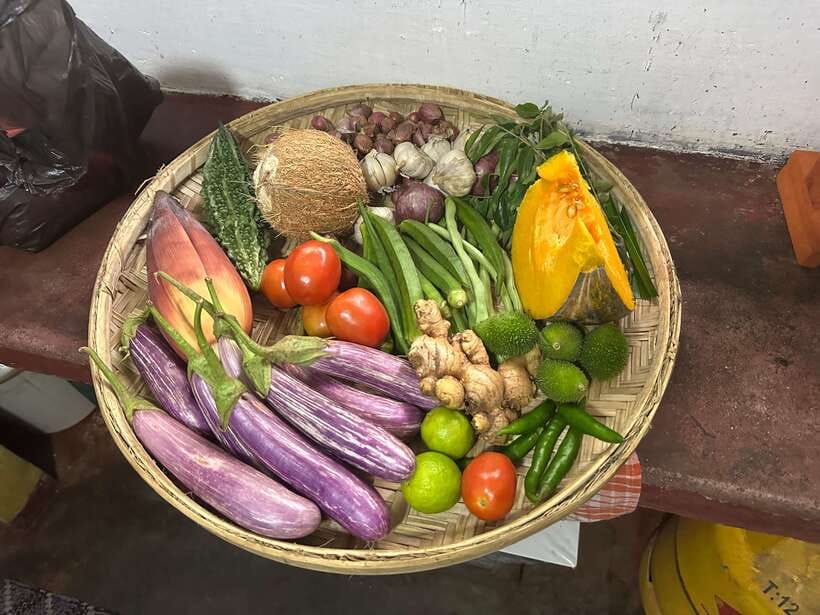
Hotel pickup and drop-off are not included. You are responsible for reaching the meeting point in Kotapola.
The directions note says that using the map is the easiest option. If you have trouble finding the place, an English-speaking local can give directions over the phone. I would download or save the map location before leaving your hotel, and I would avoid arriving at the last minute.
The location is described as Kotapola, while the experience is presented for people visiting Galle. Check the exact meeting point when you book, especially if you are staying in Galle proper or arranging a tuk-tuk from another part of the coast.
Allow extra time for the journey. The session asks you to arrive 15 minutes early, and that is sensible when the final approach may require phone directions. Your driver may know Galle but not the family home, so having the map and contact details ready will help.
The activity is wheelchair accessible, according to the supplied information. Still, you may want to confirm any specific mobility needs before booking, since a private home can have practical features that are not described in detail.
The food is best for people who arrive hungry
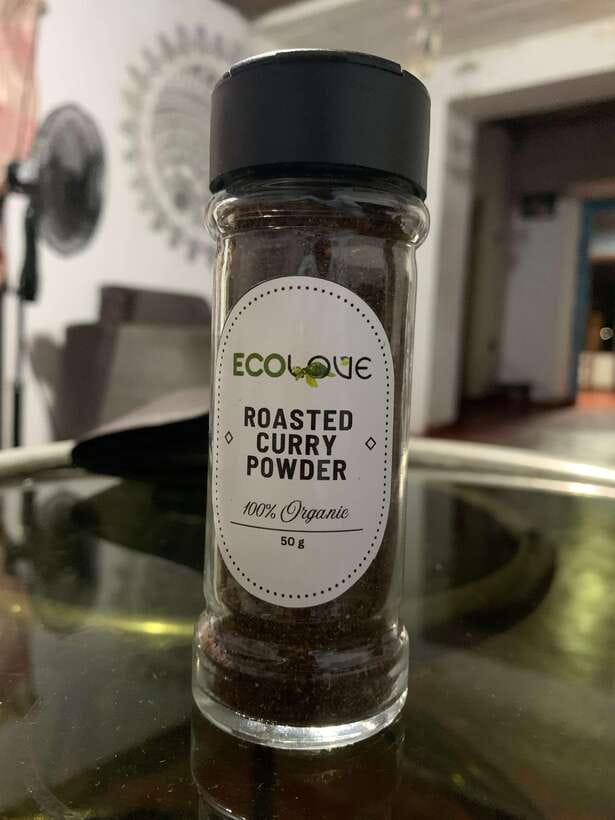
This is a meal-producing activity, not a tasting with a few tiny portions. One participant specifically advised not eating breakfast or lunch beforehand because the amount of food can be substantial.
That is useful advice, but I would not arrive completely empty if you are sensitive to strong spices or long cooking sessions. A light meal earlier in the day may be sensible, depending on your schedule.
Dessert is included, and the hosts may serve a traditional sweet finish such as buffalo curd with treacle. That adds another useful contrast to the savory dishes and gives you one more local food to remember.
The menu is not fixed in the information provided. That is both a benefit and a small uncertainty. You may have more flexibility for dietary requests, but you cannot book this expecting a guaranteed list of named dishes.
Who will enjoy this class most
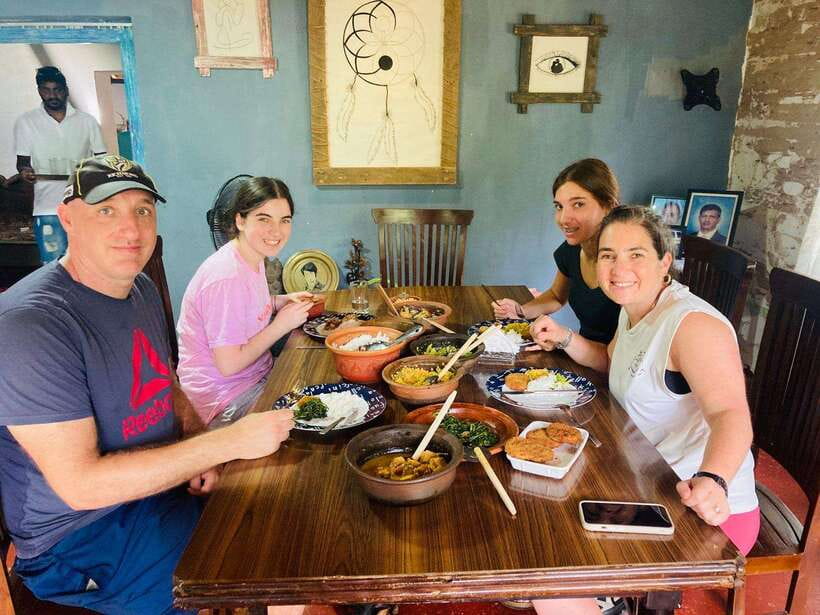
I would recommend the class to several types of visitors:
- Couples looking for a shared activity with a local connection
- Food lovers who want to understand Sri Lankan flavors
- Vegetarians and vegans who arrange their preferences in advance
- Families who prefer a private activity to a large group tour
- People who enjoy conversation and home visits more than formal sightseeing
- Visitors who want a substantial lunch or dinner included in the price
It may not suit you if your main goal is to cook every dish alone. The host does much of the central preparation, while you assist with chopping, shopping if included in the session, seasoning, and other tasks.
It may also be less suitable if you need hotel transport arranged for you. Since pickup is not included, you must handle the journey to Kotapola and make sure you can find the home on time.
For a first introduction to Sri Lankan cooking, though, the guided format makes sense. You can watch the difficult parts, ask questions, and still take part without needing advanced kitchen skills.
Booking details worth noting
The class is offered in English and lasts three hours. It is a private-group activity, and the listed price is $40 per person.
You can reserve now and pay later, which helps if your route through Sri Lanka is still changing. Free cancellation is available up to 24 hours before the session for a full refund.
Tell the host about allergies or dietary restrictions in advance. Also, check availability for your preferred start time, since the session does not list one universal departure time.
Ceylon Eco Love Tours provides the experience. The supplier also offers a jewellery workshop, which may be useful if you are looking for another small-scale cultural activity in the same area, though that workshop is separate from the cooking class.
Should you book this Galle cooking class?
Book it if you want more than a recipe demonstration. The best part is the combination of a family kitchen, personal instruction, a large shared meal, and a look at how spice mixes and local ingredients are used.
Go in expecting to assist rather than run the entire kitchen. That single point will decide if you enjoy the session. At $40, the class offers good value for anyone who would happily pay for a meal plus three hours of cultural contact, especially with a private group and dessert included.
I would choose this class for a relaxed day in the Galle area, particularly if you enjoy meeting local people and eating generously. I would skip it only if you need hotel transfers, a fixed menu, or a technical cooking course where every dish is yours from the first chop to the final plate.
FAQ
Where does the Sri Lankan cooking class take place?
The activity takes place in Kotapola, Sri Lanka, in a local family kitchen in the Galle area. Check the exact map location before setting out.
How long does the cooking class last?
The session lasts three hours. Starting times depend on availability, so you should check the options when booking.
What is included in the $40 price?
The price includes a local culinary expert, cooking ingredients and equipment, a welcome drink, lunch or dinner with the prepared meal, and desserts.
Is hotel pickup included?
No. Hotel pickup and drop-off are not included. Use the map to find the meeting point, or call the English-speaking local for directions if needed.
Can I request vegan food or report an allergy?
Yes, you should notify the host in advance about dietary restrictions or allergies. A fully vegan menu has been prepared by request, including eight vegan dishes.
Can I cancel the booking?
You can cancel up to 24 hours before the activity for a full refund. The reserve-now, pay-later option is also available.
Just added in Galle
- Sri Lankan Cooking with Tricks★ 5.0 · 1 review
- Private Transfer and Whale Watching Tour from Hikkaduwa and Galle★ 5.0 · 1 review
- Udawalawa National Park Safari trip from Hikkaduwa/Galle/Weligama★ 4.5 · 7 reviews
- Surfing Lessons★ 4.5 · 7 reviews
- Airport Transfer by Hikkaduwa Taxi Service★ 5.0 · 5 reviews
- Sinharaja Rainforest Trip★ 5.0 · 7 reviews
- One Day Udawalawe Safari from Galle/Mirissa/Unawatuna/Hikkaduwa★ 5.0 · 10 reviews
- Hikkaduwa/ Galle/ Mirissa : With Udawalawe safari – Day trip★ 5.0 · 2 reviews
Cooking Classes, compared.
Organic cooking class sigiriya (kumara & family)
Read our review →
Sri Lankan Cooking Class with Neranji at Homestay
Read our review →
Browse the lists this tour appears in